
Filters
Level
Grade
Subject
Subject Area
Subject Topic
Standard(s)
Audience
Keyword
DurationMinutes
Lesson Plans

The lesson focuses on helping toddlers identify and manage their emotions through engaging activities that promote self-regulation. The session begins with an introduction where children explore various emotions using flashcards, followed by a story that encourages discussion about feelings.
Next, participants take part in an emotion exploration activity, where they express feelings through movement and body language. This is complemented by a self-regulation segment that introduces calming techniques, incorporating sensory experiences like interacting with water.
Children then engage in creative expression by representing emotions through playdough or drawings and sharing their creations with the group. The lesson concludes with a closing circle where each child shares their feelings experienced during the session. This approach fosters emotional awareness and equips children with strategies to manage their emotions effectively in a fun, supportive environment. The plan allows for ongoing emotional exploration through follow-up activities, promoting a lasting understanding of feelings.

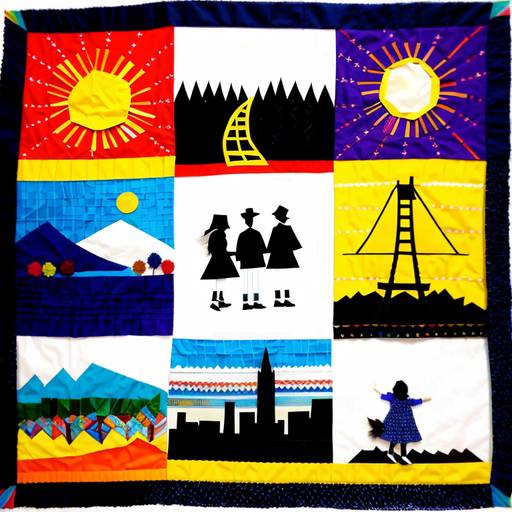
In this 4th-grade art lesson, students will explore the art of collage as a means of storytelling and self-expression. Over the course of two sessions, they will learn about various collage techniques, including layering and the use of diverse materials to create texture and visual interest. The lesson begins with an introduction to the history and styles of collage through visual examples, followed by a demonstration of different techniques.
Students will then plan their own unique collage by selecting a personal story or theme and sketching their ideas. In the second session, they will create their collages using magazines, colored paper, and other textured materials based on their plans. After completing their artwork, students will share their creations with the class, explaining the techniques they employed and the narratives behind their pieces.
The lesson will be assessed through observation of engagement and creativity in the collage-making process and the final artworks. Additionally, an extension activity encourages students to explore digital collage-making, allowing them to apply the same principles in a different format. Ultimately, the lesson aims to foster artistic expression and inspire students to appreciate the power of storytelling through art.

In this toddler music and movement lesson, young children will explore the concept of rhythm through engaging activities designed to enhance their coordination and listening skills. The session begins with a welcoming circle, incorporating a cheerful song to draw attention.
Following a movement warm-up, children will practice clapping and stomping patterns to understand beat. They will then have the opportunity to interact with a variety of musical instruments, creating their own rhythms while playing along to familiar tunes.
The lesson includes an imaginative game where children imitate animal sounds paired with specific rhythmic patterns, further reinforcing their understanding of rhythm in a fun way. Finally, the session concludes with a calming cool-down period featuring gentle stretches and reflection on the day's activities. The assessment focuses on participation and engagement, providing insights into each child's connection to rhythm and music. Extension activities could include a performance for parents or rhythmic storytelling sessions.

In this 2nd-grade Physical Education lesson, students will focus on enhancing their coordination skills and developing teamwork abilities through a series of engaging activities. The lesson begins with a warm-up activity where students follow a leader in various movements to promote physical engagement. After a brief introduction to coordination, students will participate in a team-building challenge where they must pass a hula hoop around a circle without breaking the chain of connected hands, fostering collaboration and communication.
Next, students will compete in a relay race involving bean bag tossing to a hoop, emphasizing coordination and teamwork as they relay their turns. The lesson wraps up with a cool down that includes gentle stretches and a reflective discussion on the day's activities, allowing students to share their experiences and insights on coordination and teamwork. The instructor will assess participation and understanding through observation and group discussion. Adaptations will be made as necessary to support all learners, ensuring an inclusive and positive environment for skill development and collaboration.

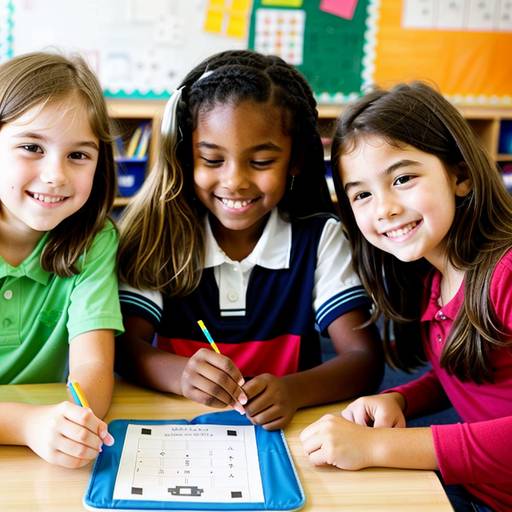
In this 2nd-grade math lesson, students will explore the concept of addition and regrouping through engaging activities that emphasize teamwork and collaboration. The lesson begins with an introductory story highlighting the importance of working together to solve problems. The teacher will demonstrate how to add multi-digit numbers using base ten blocks, illustrating the process of regrouping when necessary.
Students will then participate in a guided group activity, where they will work in small teams to solve a series of addition problems, using manipulatives to aid their understanding. Following this, each student will complete an independent worksheet that includes a variety of addition problems, encouraging them to apply what they have learned.
The lesson concludes with a review session where students share their problem-solving processes and an exit ticket activity, allowing them to demonstrate their understanding of regrouping. Throughout the lesson, the teacher will provide support and accommodations as needed, ensuring that all students can participate and grasp the key concepts. Extension opportunities will challenge advanced learners to create their own addition problems.

In this lesson plan, preschool students explore the concepts of cooperation and sharing while emphasizing the importance of community. The session begins with a welcoming circle where children discuss what it means to share and cooperate. A story is read aloud to illustrate these themes, prompting students to reflect on the characters' actions and their feelings related to sharing.
Following the story, students participate in a hands-on group activity where they work together to build a structure using blocks or soft toys. This experience reinforces teamwork as they learn to share resources and ideas. Afterward, the class engages in creating a "Community Quilt," where each child decorates a paper square reflecting an act of sharing or cooperation. The completed quilt serves as a visual representation of their contributions.
The lesson concludes with a reflection session where students share their artwork, reinforcing their understanding of cooperation and sharing. The facilitator emphasizes the importance of these values in both the classroom and their broader community. This interactive lesson not only builds social-emotional skills but also fosters a sense of belonging and teamwork among the children.
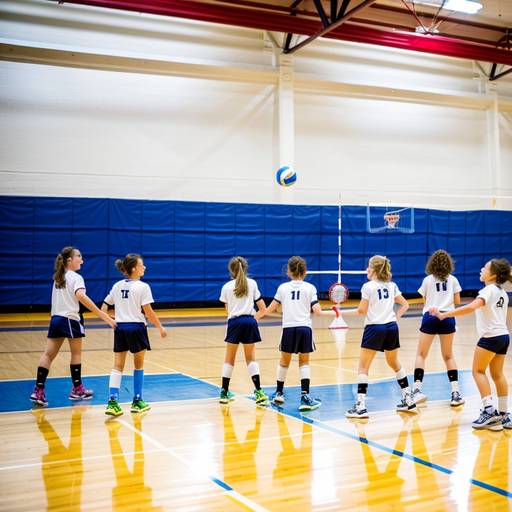
In this engaging physical education lesson for 4th graders, students are introduced to the foundational skills of volleyball, emphasizing teamwork and sportsmanship. The 60-minute session begins with a dynamic warm-up to prepare the students physically. Next, they rotate through three skill development stations focused on passing, setting, and serving techniques. Each station allows students to practice essential volleyball skills in pairs.
Following skill development, students are divided into small teams to participate in a modified game of volleyball, where they can apply the skills they've learned while promoting cooperation and communication. A team discussion encourages reflection on their experiences and reinforces the value of teamwork. The session concludes with a cool-down period that includes light stretching and further reflection on their performance and the importance of sportsmanship. Throughout the lesson, observation of participation and skill execution serves as assessment, while adaptations are made for varying skill levels to ensure inclusivity. The lesson sets the stage for future sessions that build on these foundational skills.
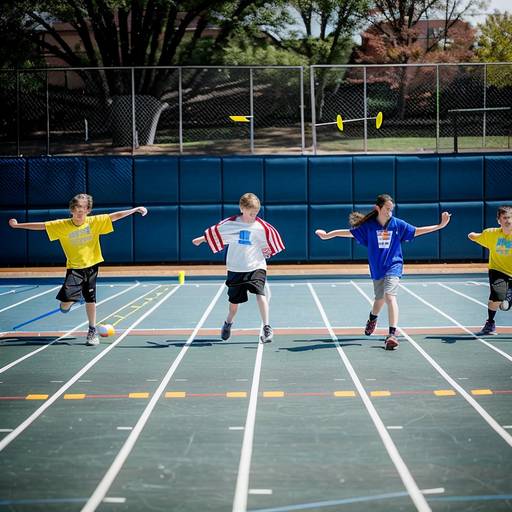
This physical education lesson plan is designed for 4th-grade students and focuses on improving coordination skills through teamwork and collaborative activities. The session lasts for 60 minutes and begins with a warm-up that includes stretches, jogging, and coordination exercises to prepare students for physical activity.
Following the warm-up, students participate in four different stations, each containing a unique challenge that encourages cooperation and communication. Activities include a hula hoop relay, a bean bag balancing exercise, a ball toss, and an obstacle course, with teams rotating through each station. Each activity is structured to promote teamwork and requires effective communication among team members.
To conclude the lesson, students engage in a cooldown period characterized by guided stretching, followed by a reflection and discussion where they share their experiences and insights on coordination and teamwork. The lesson incorporates assessments based on participation and teamwork dynamics and includes modifications to ensure all students can fully engage in the activities. Overall, the lesson emphasizes the importance of coordination and collaboration, providing students with valuable skills for both sports and daily interactions.
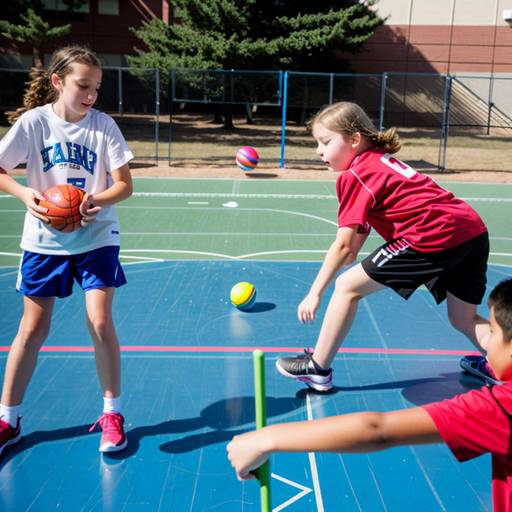
The lesson plan is designed for a 5th-grade physical education class focused on enhancing coordination skills and promoting teamwork among students. It begins with a warm-up that includes dynamic stretching and coordination drills, followed by a discussion on the importance of teamwork in physical activities.
Students participate in four rotating stations where they engage in various group activities, such as passing a hula hoop while holding hands, juggling bean bags, navigating an obstacle relay course, and completing a blindfolded team challenge, all aimed at fostering cooperation and communication.
The session concludes with a cool-down period featuring static stretches and a reflective discussion where students share their experiences and learnings. They are also encouraged to identify personal goals related to teamwork and express what they enjoyed about the class. The lesson includes assessment through observation and written reflections, along with adaptations for students of varying abilities, promoting inclusivity. Lastly, students are encouraged to apply their teamwork skills outside the class, reinforcing the significance of collaboration in daily life.
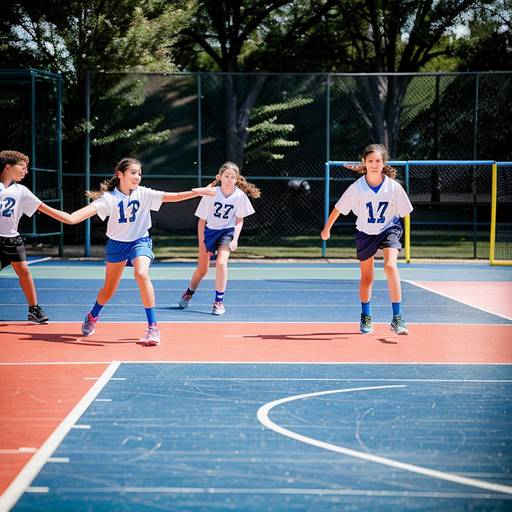
This lesson plan is designed for 3rd-grade students to enhance their coordination skills and promote teamwork through engaging physical activities. The session begins with a fun warm-up activity where students follow a leader in various movements, fostering a sense of rhythm and cooperation. The importance of coordination and teamwork is introduced through a group discussion.
Students then participate in two main activities: the Beanbag Balance Relay, where they balance a beanbag on their heads while navigating a course, and the Hula Hoop Challenge, which requires them to pass a hula hoop around without letting go of each other’s hands. Both activities emphasize communication and support among teammates.
To further reinforce these concepts, the students engage in a game of Capture the Flag, which encourages strategic thinking and collaboration. The lesson concludes with a cool-down period that includes gentle stretching and a reflective discussion about their experiences, helping students articulate what they learned about teamwork in physical activity contexts.
Throughout the lesson, students are assessed on their participation and cooperation, creating an encouraging environment where they support one another. The plan also suggests extensions for students to practice teamwork in sports outside of school, promoting continued engagement with these important skills.