
Filters
Level
Grade
Subject
Subject Area
Subject Topic
Standard(s)
Audience
Keyword
DurationMinutes
Lesson Plans

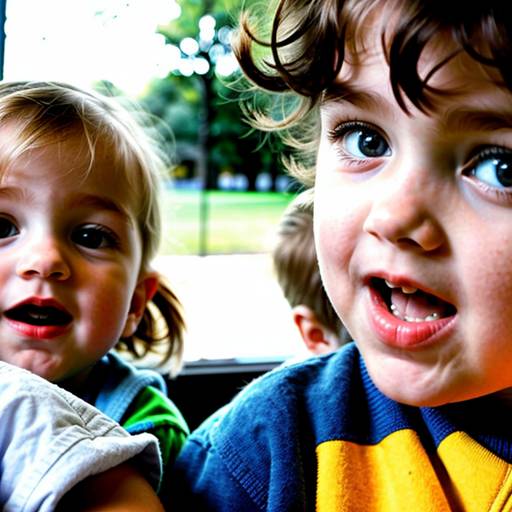
This lesson plan focuses on helping infants develop fundamental social skills related to turn-taking through interactive play. It is designed for a group of infants aged 6 to 18 months and spans 30-45 minutes. The session begins with a brief introduction that includes modeling turn-taking using a soft toy to illustrate the concept.
The main activity involves distributing soft toys or balls to each child, where they practice passing the items around while using a timer to facilitate sharing. This encourages both patience and cooperation. Additionally, simple turn-taking games using picture cards are incorporated to visually reinforce the skill in various contexts.
A transition activity features gentle music to promote movement and joy, while the conclusion features a discussion with caregivers about the importance of turn-taking, followed by a closing song or rhyme. Observations during the activities help assess children’s participation and reactions. The lesson encourages caregivers to reinforce the skill at home through playful interactions, promoting ongoing development of social skills. Overall, the plan creates a fun, engaging environment for infants to learn and practice sharing and cooperation with their peers.
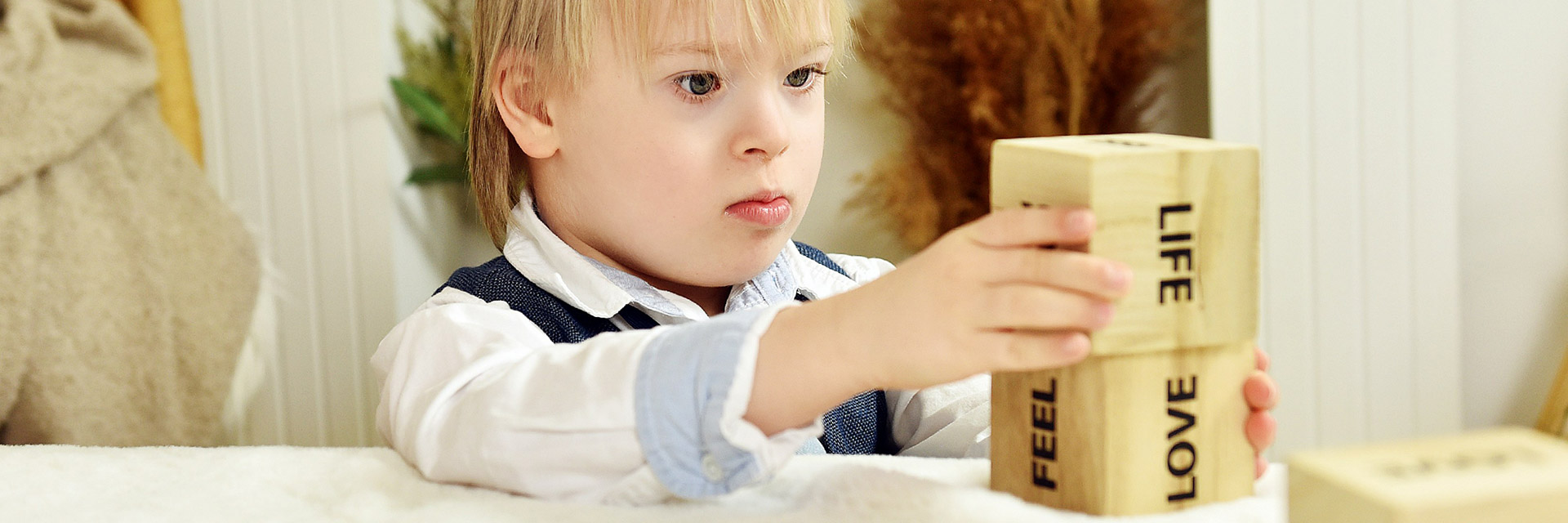
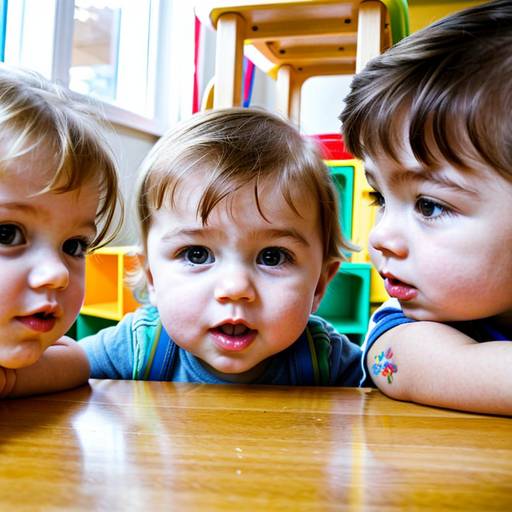
This lesson plan focuses on enhancing toddlers' problem-solving abilities and social skills through interactive activities. The session begins with a group discussion about problem scenarios, encouraging children to express their thoughts and solutions. Following this, a story is read to illustrate collaborative problem-solving, allowing children to reflect on the characters’ experiences.
Next, toddlers engage in a group activity where they work together to build a shelter for toy animals using soft blocks, promoting teamwork and communication. This is followed by a puzzle activity where children learn to collaborate and think critically to complete it.
The lesson culminates in a creative expression segment, where children draw their own problem-solving experiences and share them with the group. Throughout the session, the instructor observes interactions to assess cooperation and communication skills. The overall aim is to foster teamwork, encourage kindness, and develop essential communication skills in a playful and engaging environment.
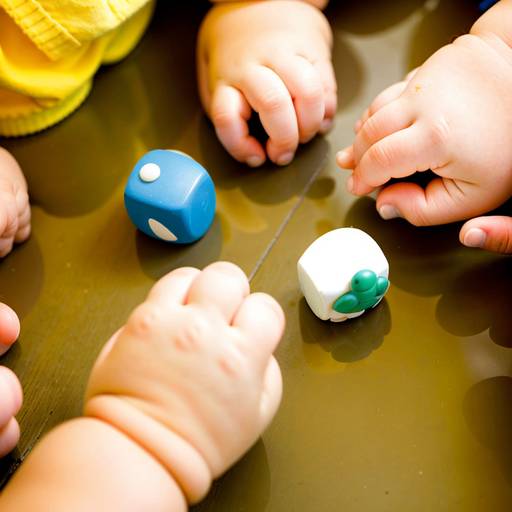
The lesson plan focuses on teaching toddlers the value of cooperation through interactive activities designed to enhance teamwork, sharing, and collaborative problem-solving. The class begins with a warm circle time where children discuss cooperation and enjoy a story about friendship and teamwork. Following the story, students participate in a cooperative art project, where they work together to create a mural, emphasizing the importance of each child’s contribution.
Next, a teamwork game called "Pass the Ball" is played, encouraging gentle passing and sharing among peers. This is followed by a role-play activity where groups collaborate on simple scenarios that require teamwork, allowing them to practice communication and support for one another.
The lesson concludes with a closing circle where children reflect on their experiences and share what they appreciated about working together. Optional follow-up activities encourage families to engage in cooperative tasks at home. Throughout the session, children are observed for their interaction and willingness to cooperate, reinforcing positive behaviors with affirmations and encouraging a sense of community among peers.
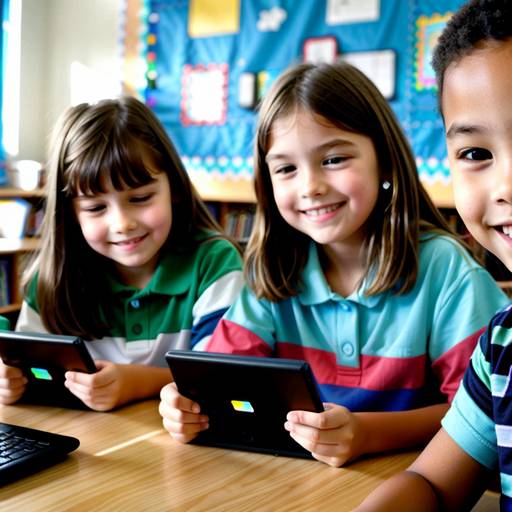
This 1st-grade technology lesson focuses on helping students understand the importance of proper device handling and maintenance. The lesson begins with a discussion about the various technology devices students use, followed by a short, engaging video that explains basic care practices.
Students work in small groups to sort picture cards depicting correct and incorrect device handling scenarios, fostering discussion about good habits. They then participate in a hands-on activity where they learn how to safely clean and care for their devices using microfiber cloths and soft brushes.
The lesson concludes with a group discussion where students share their learnings, and responses are recorded on a "Tech Care Tips" poster. Assessment involves observing student participation and evaluating their understanding through the sorting activity. Additionally, students are encouraged to share their knowledge with their families and may create a “Device Care Calendar” to track their device maintenance tasks at home. This lesson not only instills responsible technology use in young learners but also creates awareness about the importance of caring for their devices.
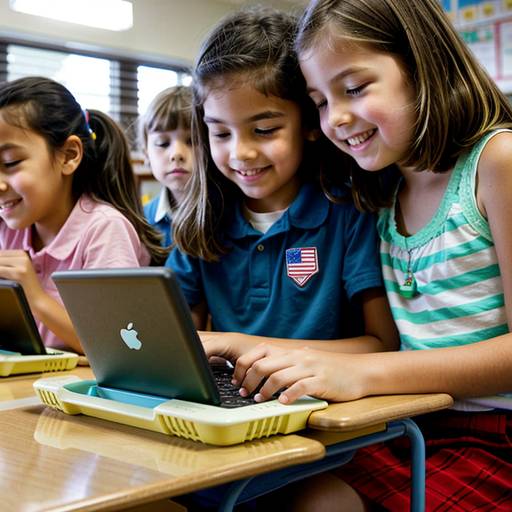
In this 1st-grade technology lesson, students will learn the importance of device maintenance and proper cleaning techniques for their classroom technology. The lesson begins with an engaging discussion about the devices they use and why keeping them clean matters. Students will be introduced to basic steps for cleaning devices, including turning them off, using appropriate materials, and ensuring everything is dry before powering them back up.
Following a demonstration, students will participate in hands-on practice in small groups, where they will take turns cleaning a variety of devices under supervision. The lesson concludes with a class discussion and the creation of a collaborative poster that outlines the steps for taking care of devices. Throughout the lesson, students will be assessed through observation and their contributions to the poster. Extension activities will encourage ongoing practice in device care among students.
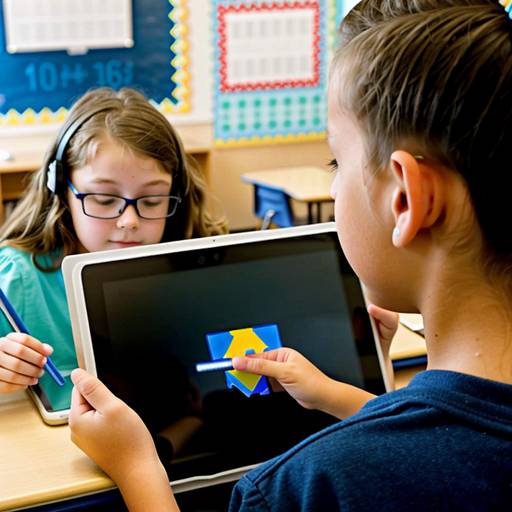
This lesson plan focuses on teaching 5th-grade students the essential practices of maintaining and organizing their devices. It aims to enhance their understanding of device care, including routine cleaning, software updates, and battery management, while also addressing the importance of recognizing signs of device issues. The lesson includes hands-on activities where students practice cleaning their devices and discussing maintenance tips in small groups.
Additionally, the plan covers digital organization strategies, such as creating a structured folder system and effectively naming files for easy access. Students will engage in practical exercises to set up their digital organization systems, utilizing cloud storage for backups. The lesson concludes with a reflection on how these skills will benefit them in their academic and personal lives. Assessment is based on student participation and the effectiveness of their digital organization efforts. This comprehensive approach fosters good technological habits and prepares students for a more organized and efficient use of their devices.
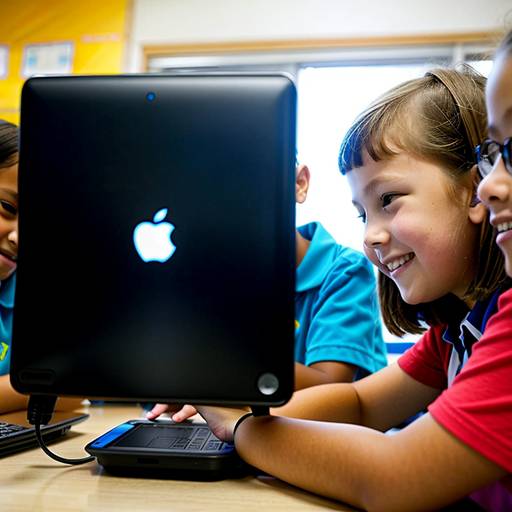
In this 4th-grade technology lesson, students will learn about the importance of device maintenance and proper cleaning techniques for various classroom devices. The lesson begins with a discussion about the devices students use, followed by an engaging presentation on the benefits of regular maintenance. Students will be introduced to key cleaning steps, such as how to appropriately clean screens and keyboards, and the importance of using the right materials.
After instruction, students will participate in a hands-on activity where they work in small groups to clean assigned devices using the techniques they learned. The lesson concludes with a group discussion, allowing students to share their experiences and insights about device care. A checklist for home device maintenance will also be provided to reinforce the concepts discussed. Assessment will be based on observation during the cleaning activity and a brief reflection to evaluate students' understanding of device maintenance and its significance. Additional extensions may include a visit from the school’s IT technician and the formation of a "Device Care Club" for ongoing maintenance support.
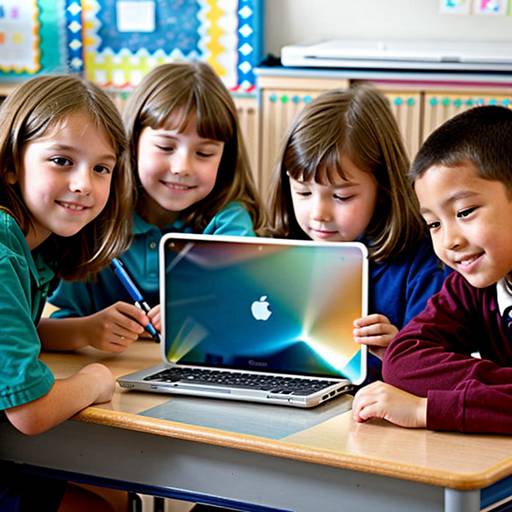
In this 2nd-grade technology lesson, students will explore the importance of maintaining and organizing their devices to ensure they function effectively and have a longer lifespan. The lesson begins with a discussion about the value of cleanliness in relation to technology, highlighting how neglect can lead to problems. Students will engage in a hands-on cleaning activity, using a checklist to learn proper techniques for caring for devices like tablets or computers. Following this, they will discover essential digital organization strategies, including the creation of folders and the importance of clear file naming. The class will conclude with a review of key concepts, encouraging students to apply what they've learned at home. Assessment will be based on observation during activities and students' ability to follow safety protocols and instructions.
In this 5th-grade technology lesson, students will explore the meaning of technology and its significance in everyday life. The lesson begins with a discussion to gather examples of technology from the students' experiences. Working in small groups, students will examine a variety of technological innovations, considering their impacts on society. They will then create individual Mind Maps that illustrate their chosen innovation, related technologies, the problems they address, and ideas for future improvements. The lesson culminates in presentations where students share their Mind Maps with the class, fostering a collaborative environment for discussing potential future technologies. Through active participation and creative expression, students will deepen their understanding of technological innovations and their roles in shaping our world.
This preschool lesson plan aims to introduce young children to the relationship between technology and nature through an engaging, hands-on exploration. Over the course of one hour, students will discuss their observations of the natural world and learn how technology, such as tablets and cameras, can enhance their understanding of it.
The lesson begins with a group discussion about nature, encouraging kids to share their thoughts and experiences. Following this, they will be guided in using tablets or kid-friendly cameras to interact with apps designed for nature exploration. The students will then participate in a nature scavenger hunt, where they will be divided into small groups to search for various items in the outdoor environment, documenting their findings with pictures.
After the scavenger hunt, children will reconvene to share their experiences and reflect on what they learned about nature. The session concludes with a creative art activity, where they will draw their favorite discoveries. Throughout the lesson, educators will assess participation and engagement to gauge understanding. Additionally, there are suggestions for extending the learning experience, such as creating a class nature journal and planning a field trip to a local nature preserve, promoting ongoing curiosity and appreciation for the environment.