
Filters
Level
Grade
Subject
Subject Area
Subject Topic
Standard(s)
Audience
Keyword
DurationMinutes
Lesson Plans
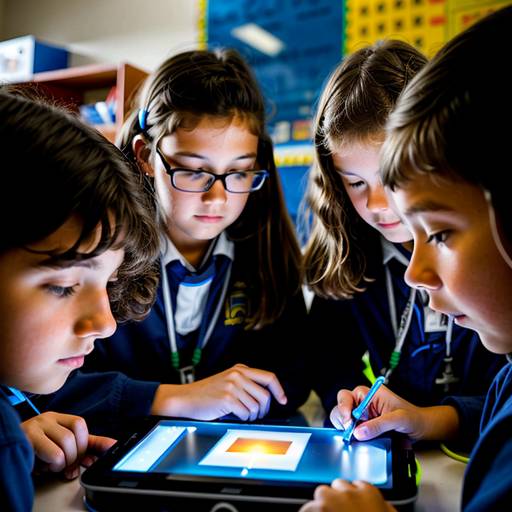
This lesson plan is designed for 5th-grade students to introduce them to the essential concepts of device maintenance and basic troubleshooting. The objective is to equip students with knowledge on how to care for their digital devices, ensuring their longevity and optimal performance. Through engaging discussions, students will explore proper cleaning techniques, safe charging habits, and effective storage practices.
The lesson involves interactive group activities where students work in pairs or small groups to role-play common device issues and devise troubleshooting strategies using a provided checklist. Hands-on practice includes cleaning their devices and discussing proper storage methods. The session concludes with a recap of key points, a Q&A segment, and an exit ticket to assess understanding.
Assessment methods include observing student participation during discussions, evaluating group presentations, and reviewing exit tickets to gauge comprehension and identify any lingering questions. Modifications and extensions are provided to support diverse learning needs, ensuring all students can engage meaningfully with the material. Overall, the lesson aims to foster responsible and skilled use of technology among students.
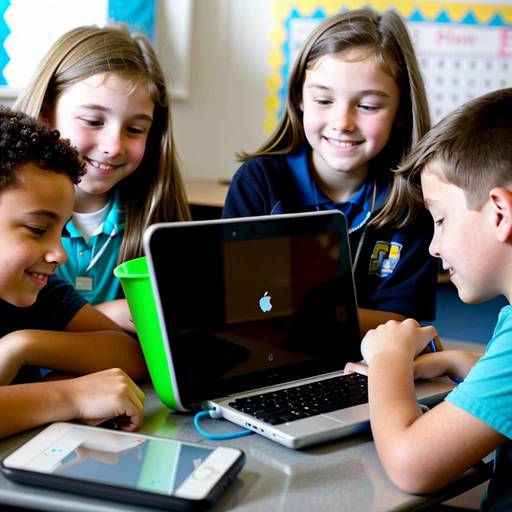
In this 5th-grade technology lesson, students will explore the fundamental concepts of device maintenance and basic troubleshooting techniques. The lesson aims to help students understand common issues they may encounter with their devices, such as slow performance or frozen screens, and equip them with practical solutions.
The class will begin with a discussion about the devices students use and their experiences with any problems. Next, students will learn about basic troubleshooting steps, such as restarting devices, checking for updates, and managing apps. Small groups will work on problem-solving scenarios to apply these steps.
Students will also be introduced to essential maintenance tips, including regularly updating software and properly cleaning devices, which will be demonstrated in class. Each student will create a personalized device care checklist incorporating the knowledge gained throughout the lesson.
Finally, students will reflect on what they learned and how they can apply their new skills at home. Participation in discussions and the creation of the checklist will be used to assess their understanding of device maintenance and troubleshooting. An optional extension activity invites students to research additional tips and share their findings in the next class.
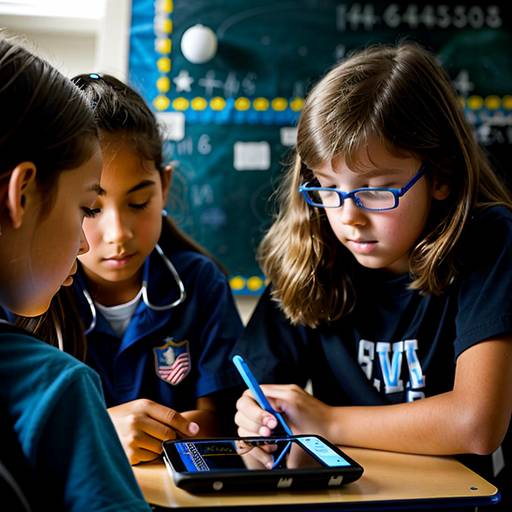
This 4th-grade technology lesson focuses on teaching students the fundamentals of device maintenance and troubleshooting techniques. The lesson begins with a discussion about students’ experiences with device issues to engage and connect with them. Key practices for maintaining devices, such as cleaning, proper charging, and software updates, are introduced, along with common problems and potential solutions.
Students are then divided into small groups, where they explore specific devices, discuss maintenance issues, and collaborate on developing troubleshooting strategies. Each group creates a troubleshooting guide that highlights their top tips. A gallery walk allows students to share and learn from each other’s contributions.
The lesson concludes with a reflection on the importance of caring for devices and the confidence gained from solving problems. Assessment is based on group engagement, the quality of troubleshooting tips created, and individual reflections submitted as exit tickets. Extensions encourage students to apply their skills at home, while adaptations ensure that all learners can participate meaningfully in the activities.
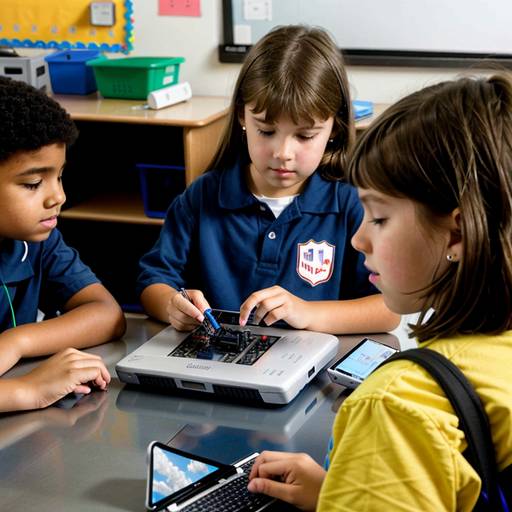
This lesson plan is designed for 3rd-grade students to develop their understanding of device maintenance and basic troubleshooting skills. The lesson begins with a discussion about the devices students use, followed by direct instruction on device components and care tips. Students will learn about common device problems and essential troubleshooting steps.
In guided practice, small groups will analyze specific scenarios and devise solutions using a troubleshooting checklist, followed by presentations to the class. For independent practice, students will match common issues with possible solutions on a worksheet, encouraging personal reflection on their devices at home.
The lesson concludes with a recap of the importance of device maintenance and troubleshooting, fostering student engagement and understanding through group discussions and activities. Optional extension activities allow students to create posters about what they've learned, enhancing their connection to the topic. The overall objective is to empower students with practical skills for caring for their technology, promoting responsibility and independence.
In this 2nd-grade technology lesson, students will explore the importance of device maintenance and proper handling. The class begins with an engaging discussion about their favorite devices, followed by an introduction to the parts of devices and practical care tips. Students will participate in a role-playing activity to practice safe handling and storage of devices in pairs. An independent worksheet will reinforce the lessons learned through a matching exercise, where they connect device parts to their corresponding care instructions. The lesson concludes with a review of key points and distribution of participation rewards to encourage engagement. This interactive approach aims to instill an understanding of responsible technology use and care among young learners.
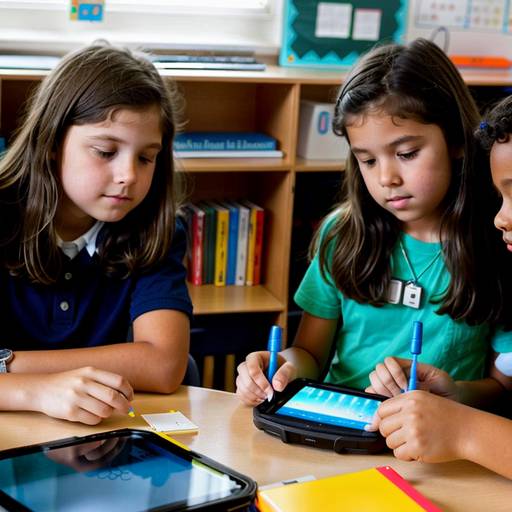
In this 4th-grade technology lesson, students will learn about technology and its impact on daily life, as well as identify various technology tools and their functions. The lesson begins with a class discussion where students share their thoughts and experiences with technology, leading into an overview of different categories of technology tools, such as communication, education, creativity, and production tools.
Students will then be divided into small groups, where each group will select a specific technology tool to research. They will use internet-enabled devices to gather information about their assigned tool, focusing on its purpose, usage, and interesting facts. After their research, groups will create a poster or digital presentation summarizing their findings.
The lesson will conclude with each group presenting their work to the class, followed by a recap that emphasizes the importance of technology in enhancing learning and everyday activities. For homework, students will identify a technology tool they commonly use at home and write a brief descriptive paragraph about it. Overall, the lesson aims to foster collaborative learning, critical thinking, and an appreciation for technology tools among students.
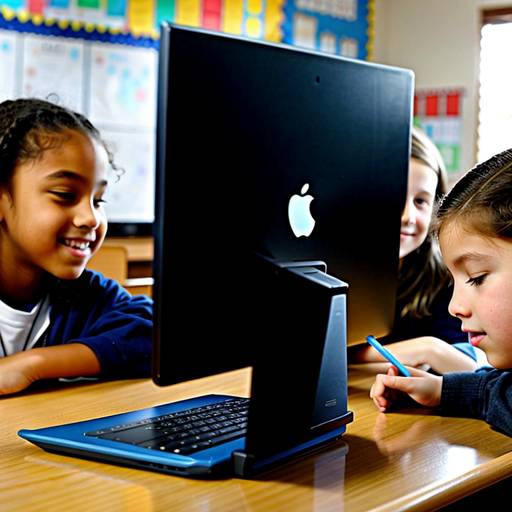
In this 3rd grade technology lesson, students will learn the importance of proper device handling and maintenance to ensure the longevity and functionality of their devices. The session begins with a discussion about how to safely interact with technology, emphasizing the significance of cleaning and protecting devices. Students will engage in a hands-on activity where they will practice cleaning their devices using microfiber cloths and approved screen cleaners, while also learning about safe storage practices.
Throughout the lesson, they will work in groups to create a “Cloud of Care,” compiling maintenance tips on sticky notes, fostering collaboration and critical thinking. The lesson concludes with a review of the key points discussed and a short quiz to assess their understanding of device care practices. To solidify their learning, students will have the opportunity to create a poster for homework, illustrating their favorite device maintenance tip, which they can share with their peers and families. This lesson encourages responsible use of technology while making the learning process interactive and enjoyable.
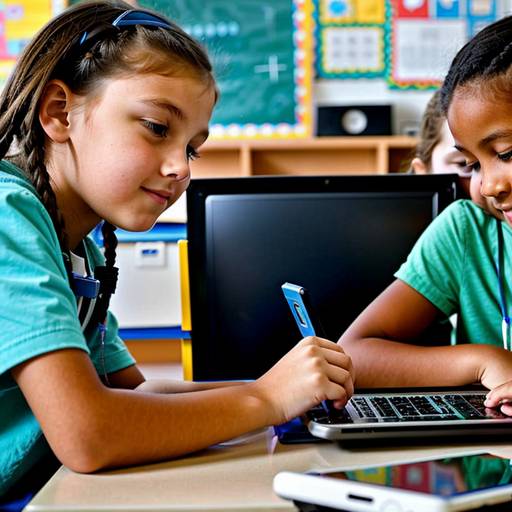
In this 3rd-grade technology lesson, students will learn about the importance of device maintenance and organization. The lesson will begin with a discussion about their favorite digital devices and the need for care and organization to ensure optimal functionality. Students will engage in a hands-on activity where they will practice cleaning their devices and creating organized folders or files on them. They will be guided on proper cleaning techniques and how to name and categorize their digital content effectively. The lesson will conclude with a group discussion to reinforce learning, during which students will share their insights and commit to specific actions for better device care. Rewards in the form of stickers will be given to encourage participation. Adaptations will be provided for those needing extra support, while advanced students will have the opportunity to explore more comprehensive organizational strategies. To follow up, students will create a "Device Care" poster to share their knowledge with others.
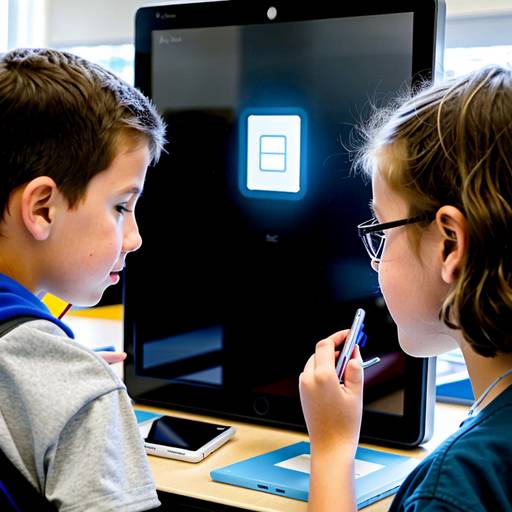
In this 3rd-grade technology lesson, students will learn the importance of proper device handling and maintenance. The lesson begins with a discussion on the significance of caring for technology, followed by a demonstration of how to safely use and store various devices, such as tablets, laptops, and headphones. Key maintenance tips will be presented, including keeping devices clean and properly charging them.
Students will then participate in an engaging activity where they create and personalize a "Device Care Checklist" to take home and share with their families. Through pair discussions, they will reflect on their experiences with technology and the consequences of not taking care of it. The lesson concludes with a recap of the concepts covered and a brief assessment to reinforce learning. Additional resources and follow-up activities will further encourage responsible technology use among students.
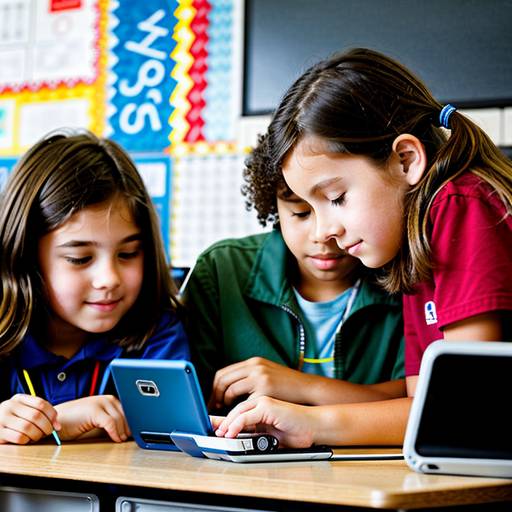
In this engaging 4th-grade technology lesson, students explore the essential practices of device maintenance and organization. The lesson begins with a discussion about the devices they use, emphasizing the importance of care and upkeep. Students learn basic maintenance tasks such as cleaning screens and keyboards, followed by a hands-on activity where they practice cleaning their devices safely.
Next, the focus shifts to digital organization, where students discuss the challenges they face in managing files and applications. They then create organizational folders in a shared digital space, learning to categorize their documents effectively.
The lesson concludes with a recap of key concepts, where students share their insights and outline their plans to implement these practices in their daily technology use. A homework assignment encourages them to develop a personalized "Device Care Plan," fostering responsible technology habits at home. Overall, this lesson aims to empower students with the skills needed to maintain and organize their devices effectively.