
Filters
Level
Grade
Subject
Subject Area
Subject Topic
Standard(s)
Audience
Keyword
DurationMinutes
Lesson Plans
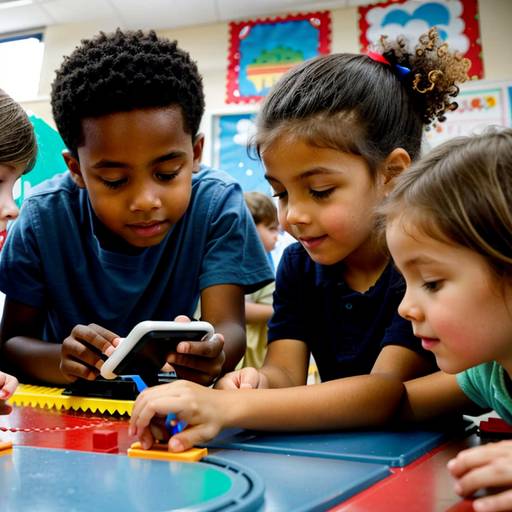
This preschool lesson focuses on introducing young learners to the basics of technology through interactive and hands-on experiences. Students will identify various technology tools such as tablets, smartphones, and toy laptops, while exploring their simple functions. The lesson includes a show-and-tell segment where children can share their personal experiences with technology, fostering communication and comprehension.
Throughout the session, students will rotate between stations designed for hands-on interaction, including playing educational games on tablets, creating pictures on toy laptops, and using toy cameras to capture images of classroom objects. This exploration encourages engagement and curiosity about technology in their daily lives.
The lesson also incorporates a creative craft activity, where students can express their understanding by making representations of their favorite technology tools. The session culminates in a group discussion to reflect on their learning, followed by the distribution of certificates to celebrate their exploration of technology. Overall, the lesson aims to build foundational knowledge of technology in a fun and engaging manner.
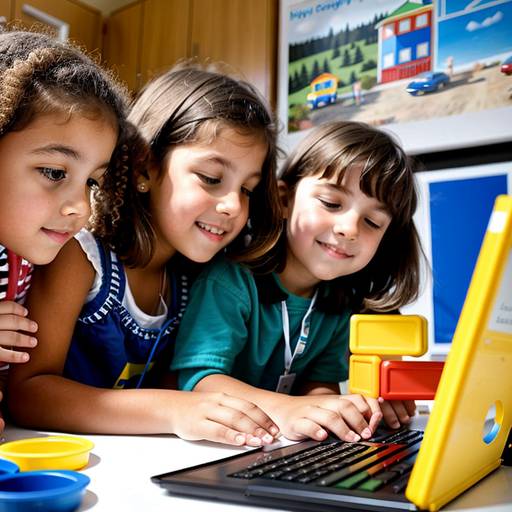
This preschool lesson plan aims to introduce young learners to basic digital literacy concepts in an engaging and interactive manner. The session begins with a group discussion to elicit students' prior knowledge and experiences with technology. A themed storybook is read aloud to illustrate technology's role in communication and learning, followed by hands-on exploration of educational apps on tablets. Students then participate in a creative activity, coloring digital literacy-themed worksheets to reinforce their understanding. The lesson concludes with a group reflection, allowing students to share their experiences and insights about the technology they discovered. The plan emphasizes participation, collaboration, and positive attitudes towards technology, while providing extension activities for ongoing engagement. Educators are encouraged to observe and support students throughout the activities, ensuring a safe and enriching environment for learning.
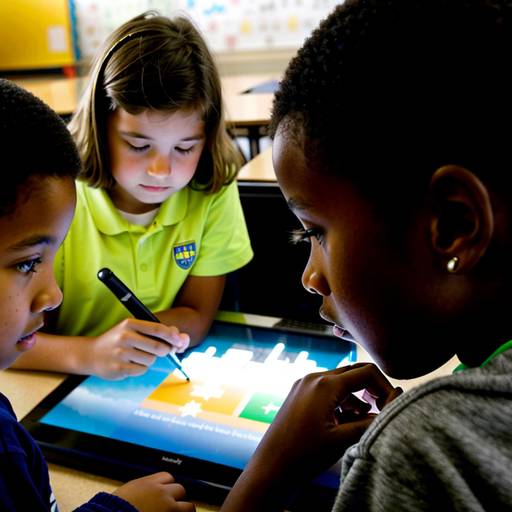
This lesson plan aims to introduce 4th-grade students to the concept of technology and its various tools, both hardware and software, and to engage them in hands-on learning. The lesson begins with a class discussion to define technology and to identify examples from students' daily lives. Following this, a presentation categorizes technology tools and explains their applications in different professions, providing students with printed materials for reference.
In the hands-on activity, students will utilize an online coding platform to create simple projects, encouraging collaboration and creativity. The lesson wraps up with a reflection segment where students share their projects and discuss their learnings, emphasizing the impact of technology and its potential for future innovations. Assessment will be based on participation, project creativity, and individual reflections. Extensions for advanced learners will also be offered, ensuring that all students have the opportunity to further explore technology tools.

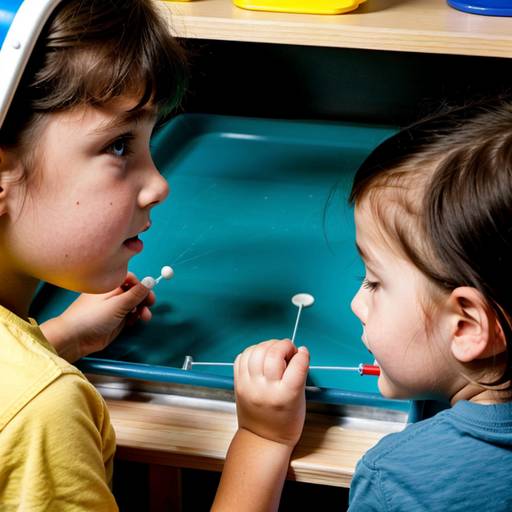
In this preschool lesson, students will explore the concept of technology by investigating simple machines such as levers, pulleys, and wheels. The session begins with a group discussion to introduce technology and its relation to the machines they will learn about.
Students will then rotate through three hands-on exploration stations: one featuring ramps with toy vehicles to demonstrate how inclines aid movement, another utilizing simple pulleys for lifting small objects, and a third allowing them to build their own simple machines using blocks. After engaging in these activities, the class will come together to reflect on their experiences, sharing their favorite machines and what they learned.
Finally, students will create a poster of their favorite simple machine, reinforcing their understanding through art. The lesson will be assessed through observation during activities and participation in discussions. Extensions include a home scavenger hunt for families to find simple machines in their environment and providing educational resources for further exploration of the topic. Adaptations will be made as necessary to support diverse learners in the classroom.
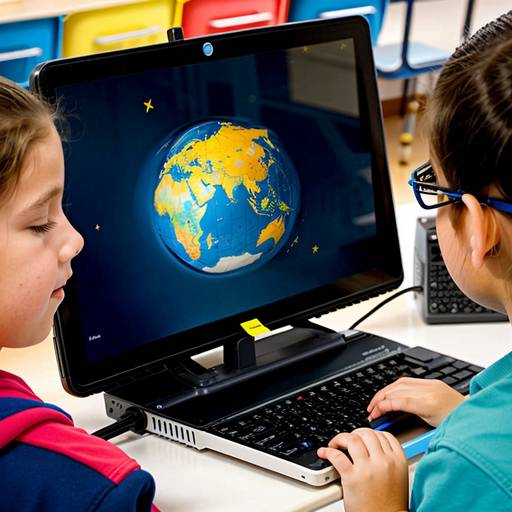
This third-grade lesson focuses on introducing students to the concept of technology and how it works. It begins with an engaging class discussion in which students share various technologies they use in everyday life. A supportive video may be shown to illustrate common devices in action. Students are then divided into small groups, where they research a selected device, learning about its function and utility. Each group prepares a presentation—such as a poster, skit, or demonstration—based on their findings, which they share with the class. The lesson concludes with a wrap-up discussion to reflect on key learnings and an exit ticket for individual feedback. Assessment includes observing group participation and evaluating presentations, with differentiation strategies in place to support diverse learning needs. Overall, this lesson fosters collaboration, creativity, and critical thinking while helping students understand the role of technology in their lives.
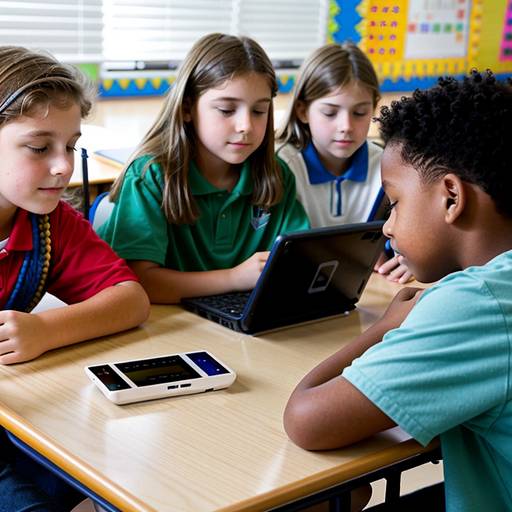
In this 3rd-grade technology lesson, students will learn the importance of proper device maintenance and handling. The lesson begins with a discussion about the devices they use, followed by an instructional segment that highlights the reasons for taking care of technology, safe handling techniques, and effective cleaning methods. Students will participate in hands-on activities, practicing these techniques in small groups, guided by the teacher. They will also create personal device care checklists to ensure they understand the daily and weekly maintenance tasks essential for keeping their devices in good condition. The lesson concludes with a recap and encourages students to share their checklists with their families, fostering a sense of responsibility for their technology use. Through observation and participation, the teacher will assess student understanding, while opportunities for differentiation will cater to various learning needs. Overall, the lesson aims to empower students to become responsible stewards of their devices, instilling good habits for their future education.
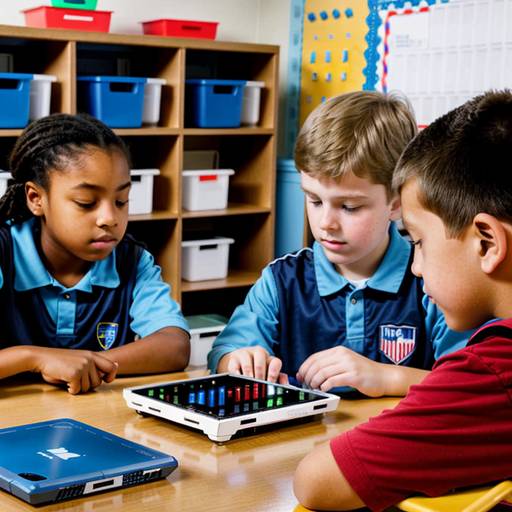
This lesson plan is designed for 4th-grade students to learn essential skills related to device maintenance and troubleshooting. The class begins with a discussion about the technology devices students use at school and home, followed by an introduction to the importance of device care and common issues they may encounter.
Students will engage in direct instruction on how to clean devices properly and perform basic troubleshooting steps for problems like slow performance or failure to power on. In small groups, students will practice maintenance tasks on various devices and create troubleshooting flowcharts for common issues.
The student groups will then present their findings and share their insights with the class, fostering collaboration and discussion. The lesson concludes with a brief assessment through a quiz, reinforcing their understanding of the content. Extensions to the lesson encourage students to apply their newfound knowledge at home and even teach their parents. This engaging and interactive approach helps cultivate a sense of responsibility toward technology.
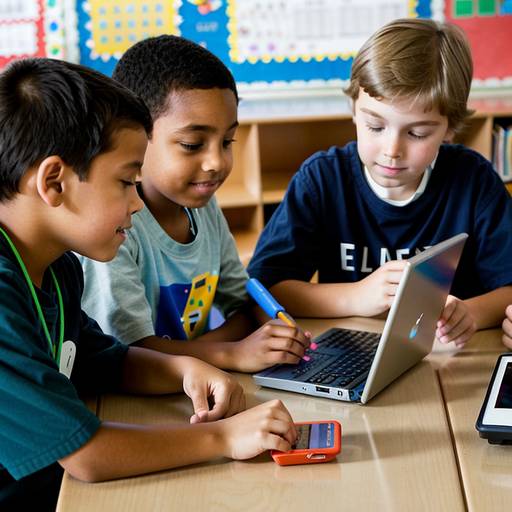
In this lesson for 2nd-grade students, the focus is on understanding the importance of device maintenance and proper handling. Students will engage in discussions about their experiences with various devices and learn practical tips for caring for technology. Key concepts include keeping devices clean, avoiding food and drinks near them, and handling them safely.
Through group activities, students will create and share additional care tips, followed by roleplay scenarios to practice proper device handling. The lesson concludes with a summary discussion and the distribution of "Tech Heroes" certificates to recognize their learning. The overall goal is to instill a sense of responsibility in students regarding their use of technology and to promote respectful and careful interactions with their devices.
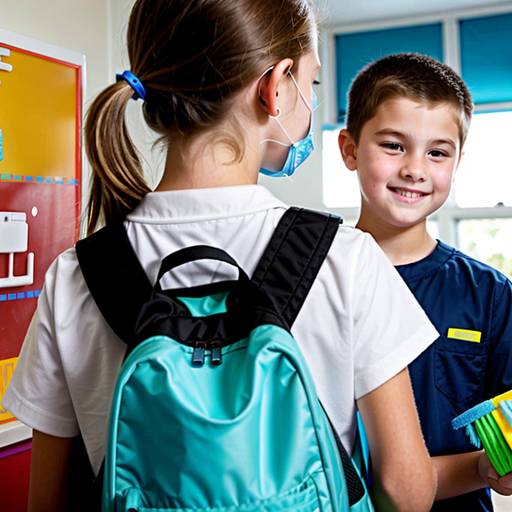
In this 4th-grade technology lesson, students will explore the importance of device maintenance and cleaning. The lesson begins with an engaging discussion about the feelings associated with using dirty devices, leading to an understanding of how cleanliness affects device performance and longevity. A demonstration will showcase proper cleaning techniques for tablets and laptops, including the effective use of microfiber cloths and cleaning solutions. Students will then participate in a hands-on activity to practice cleaning their own devices. Following this, they will create a personal cleaning schedule detailing how often and what tasks to perform to maintain their devices. The lesson concludes with a recap and an exit ticket prompting students to reflect on one new thing they learned about device care. Through active participation and practical skills, students will become more responsible users of technology.
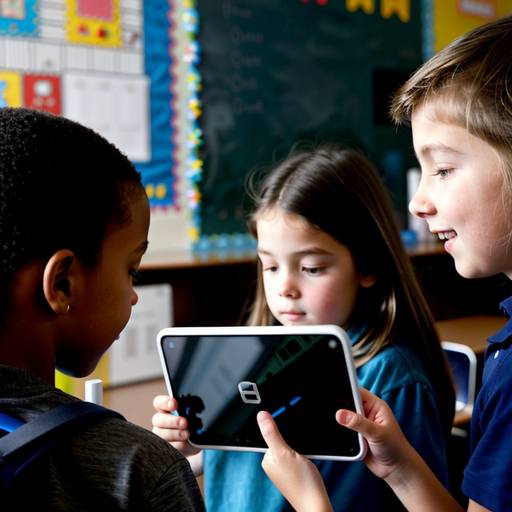
This lesson introduces third-grade students to the concept of technology, highlighting its presence in everyday life and exploring how different devices function. The session begins with a class discussion to gather students' ideas about technology, followed by an examination of various technological tools, such as smartphones and computers. Students learn about the basic components of electronic devices, including batteries, circuits, and switches, emphasizing the collaboration of these parts in powering gadgets.
In a hands-on activity, students work in small groups to create a simple circuit that lights a bulb, encouraging teamwork and problem-solving. Each group presents their project, explaining the functioning of their circuit and the challenges faced. The lesson concludes with a recap of the key concepts and a creative assignment where students draw a technology they appreciate, label its parts, and describe how it works. The lesson aims to foster an understanding of technology and its applications while promoting engagement and creativity among students. Assessment is based on participation in discussions, group activities, and completion of the worksheets. Additional activities for extending learning are suggested, including technology research and a "Technology Show and Tell."