
Filters
Level
Grade
Subject
Subject Area
Subject Topic
Standard(s)
Audience
Keyword
DurationMinutes
Lesson Plans


This lesson plan focuses on fostering self-regulation and emotional understanding in toddlers aged 2 to 4 through interactive activities and engaging discussions. The goal is to help children recognize and express their emotions while learning strategies for self-control.
The session begins with a circle time discussion about feelings, using emotion flashcards to prompt children to identify and mimic different emotions. An interactive song follows to reinforce the concept. Main activities include an emotion charades game, where children act out emotions and discuss self-regulation techniques, and puppet play that illustrates emotional scenarios, encouraging children to suggest calming strategies. Finally, children engage in creative expression by creating artwork that represents an emotion and sharing their creations with peers.
The lesson wraps up with a reflection circle where children share their learned strategies, followed by a calming breathing exercise to reinforce self-regulation techniques. The plan emphasizes play and exploration, allowing children to develop their emotional vocabulary and coping skills in a supportive environment. Optional extensions include a "Feelings Library" for further exploration of emotions and a weekly focus on a specific emotion to deepen understanding.

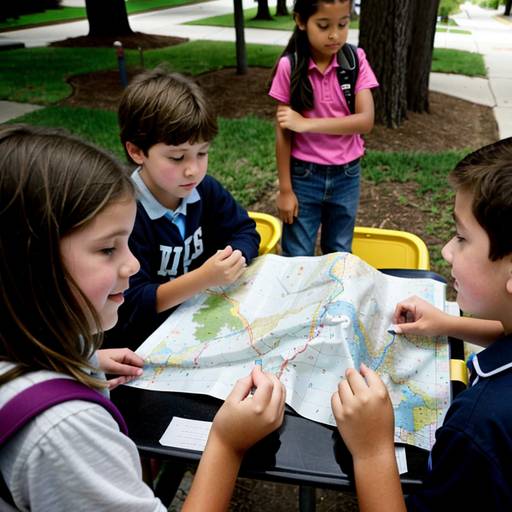
In this 4th-grade social studies lesson, students will explore key geographic concepts while learning about maps and their significance in understanding their neighborhoods. The lesson begins with an engaging discussion on students' experiences with maps, introducing essential terms such as scale, symbols, and cardinal directions. Following this, the teacher demonstrates how to create a basic neighborhood map, highlighting the use of a compass rose, legend, and simple symbols to represent various features.
Students will then participate in a guided activity where they create their own maps, either of imaginary or real neighborhoods, incorporating the elements discussed. They will share their maps with a partner for feedback, encouraging collaboration and communication. The lesson concludes with a class sharing session, where selected students present their maps and reflect on the diverse features included.
Assessment will focus on student participation, the creativity of their maps, and the accuracy of map elements. Extension activities, such as a neighborhood walk or introducing digital mapping tools, will further enrich the learning experience. Adaptations will be provided to support varying student needs, ensuring all learners can engage with the content effectively.

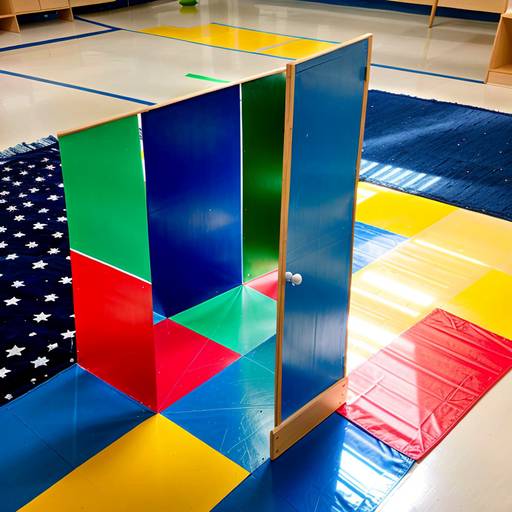
In this preschool lesson, students engage in a series of hands-on activities designed to enhance their spatial awareness skills. The session begins with an introduction to spatial concepts using picture cards, followed by an exploration of various-sized cardboard boxes where children can crawl, stand, and position themselves in relation to the boxes. Next, students navigate a maze created with colored tape or yarn, using directional language to describe their movements. Finally, they participate in a movement activity involving hula hoops, where they creatively move in different ways and describe their positions using spatial terminology. The lesson concludes with a reflection time for students to share what they learned, reinforcing key vocabulary and concepts. Through observation and participation, teachers assess students' understanding and encourage further development of these foundational skills in a playful and engaging environment.
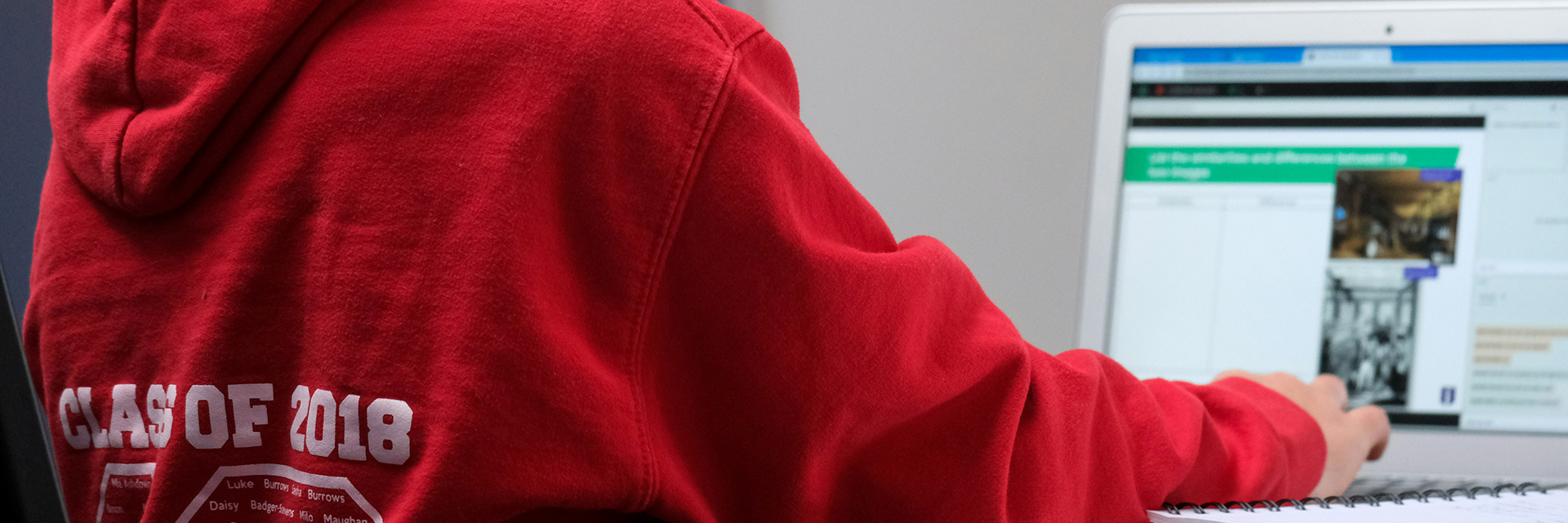

In this 2nd-grade technology lesson, students will explore the essential concepts of digital citizenship and online safety in a fun and engaging manner. The lesson begins with an interactive discussion about using technology, allowing students to express their experiences and preferences related to the digital world. After viewing a brief, age-appropriate video on online safety, they will engage in a discussion to highlight key safety points, such as protecting personal information and exhibiting kindness online.
Students will then work in small groups to analyze various scenarios related to online safety, brainstorming appropriate strategies for addressing each situation. Following this collaborative activity, they will participate in an interactive online game focused on safe internet practices, reinforcing their understanding of the concepts covered.
The lesson concludes with a reflection session where students share their learnings and commit to becoming responsible digital citizens. Each student receives a sticker for their participation, and the teacher encourages them to share their newfound knowledge with their families. This comprehensive lesson aims to equip young learners with the skills they need to navigate the digital world safely and responsibly.
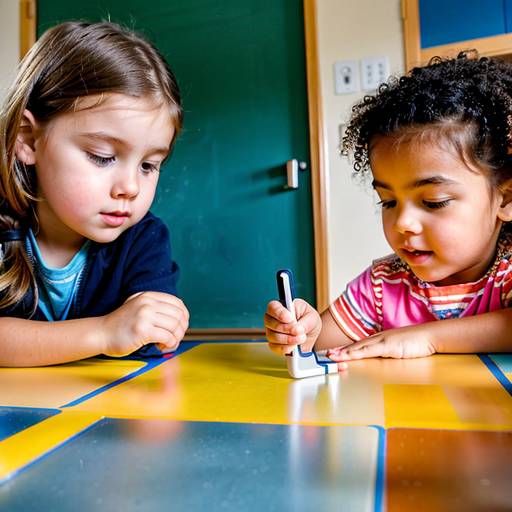
This preschool lesson plan focuses on teaching young children the essential concepts of internet safety through engaging activities and discussions. The lesson begins with a circle time conversation to introduce the topic, where children share their experiences with technology. A puppet character is used to help convey key messages and scenarios related to online safety.
A read-aloud session with a storybook on internet safety provides context and prompts interactive discussions. Following the story, children participate in a sorting game where they identify and categorize safe versus unsafe online situations using flashcards. This hands-on activity reinforces their understanding and encourages critical thinking.
The lesson culminates in a drawing activity, allowing children to express their understanding of safe online practices creatively. The session concludes with a recap of the key points, encouraging children to ask questions and highlighting the importance of seeking help from trusted adults whenever they encounter unsafe situations online. Overall, the lesson aims to build a foundational awareness of internet safety in a fun and child-friendly manner.
In this 60-minute lesson for 4th graders, students will explore the concept of digital citizenship and the importance of safe online behavior, with a focus on understanding and addressing cyberbullying. The lesson begins with a warm-up discussion about friendships in the digital world, followed by a definition of digital citizenship and its key principles.
Students will work in small groups to analyze scenarios depicting both cyberbullying and positive online interactions, discussing how to identify and handle such situations. This will lead to role play activities, where students will act out their scenarios, illustrating the negative impacts of cyberbullying and effective responses.
Afterward, the class will engage in a discussion about solutions and the importance of supporting one another in maintaining a safe online environment. To reinforce the lesson, students will receive a Digital Citizenship Contract outlining respectful online behavior and consequences for cyberbullying. They are encouraged to discuss the contract with their families and return it signed.
The lesson concludes with a recap of key points and an emphasis on promoting kindness in digital interactions. Assessment will be based on student participation in discussions and activities, as well as the completion of the contract, ensuring that students understand their responsibilities as digital citizens. Extension activities include creating posters that promote positive digital behaviors and researching related topics for further exploration.
This lesson plan is designed for 3rd-grade students to enhance their understanding of digital citizenship and raise awareness about cyberbullying. The one-hour session begins with a discussion about digital citizenship and the significance of kind behavior online. Students will watch an engaging animated video on cyberbullying, followed by a group discussion that prompts them to reflect on the emotional impact of online bullying.
Next, students will work in small groups to analyze various scenarios that depict different online interactions, determining which promote positive digital behavior and which involve cyberbullying. This collaborative activity allows them to share insights and solutions with their peers. In the final part of the lesson, students will create posters that advocate for kindness and strategies to combat cyberbullying, fostering creativity and teamwork.
The lesson concludes with a recap of key concepts and a reflection assignment where students will write about how they can be supportive friends online and respond appropriately if they witness cyberbullying. Assessment will be based on participation, creativity in the poster creation, and the reflection paragraph. Additional extensions may include inviting a school counselor to discuss coping strategies for victims of cyberbullying and planning a follow-up lesson on safe online practices.
This lesson plan focuses on teaching 3rd-grade students essential internet skills, highlighting the importance of privacy settings and safe online behavior. The session begins with an engaging video to spark discussion about sharing information online. Students learn key concepts related to internet navigation and privacy settings through direct instruction, followed by a guided hands-on activity where they practice adjusting privacy settings on their devices or a shared demo account. Afterward, students work independently on safety scenarios to analyze safe versus unsafe online practices. The lesson concludes with a class discussion to reinforce the day’s learning and encourage students to share their newfound knowledge with family. Assessment is based on observation during activities and review of worksheets, with extension activities available for deeper engagement with the topic.
This lesson plan focuses on teaching 3rd-grade students the importance of digital citizenship and online safety. Students will begin by discussing what it means to be a good friend online, followed by a video introduction that highlights key safety concepts. The instructor will present essential online safety tips, covering topics such as protecting personal information, identifying safe online environments, and understanding the importance of reporting inappropriate behavior.
In a collaborative activity, students will work in small groups to analyze scenario cards depicting various online situations. They will discuss and determine the best actions to take based on the safety tips provided. Each group will share their scenario and solution with the class, fostering a community dialogue about responsible online behavior.
The lesson will conclude with a reflection activity where students write down one lesson learned and one commitment they will make to enhance their digital citizenship. This plan not only equips students with vital online safety knowledge but also emphasizes the importance of kindness and respect in digital interactions. The overall goal is to inspire responsible online behavior in their everyday activities.
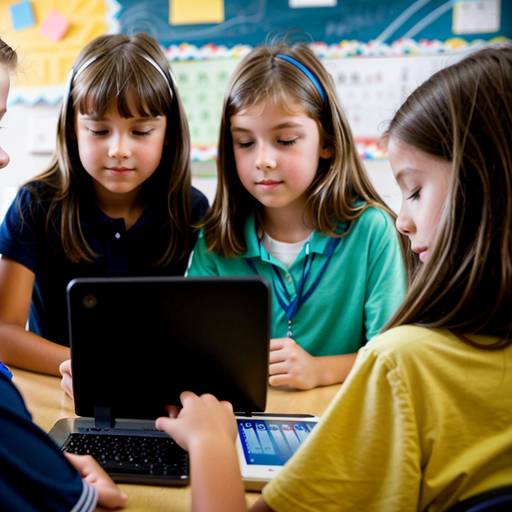
In this 3rd-grade technology lesson, students will explore the concepts of digital citizenship and privacy protection. The lesson begins with a discussion to gauge students’ understanding of digital citizenship, followed by a short video to provide context. Students then work in small groups to complete a worksheet that prompts them to discuss the implications of sharing information online and strategies for keeping their information safe.
Following this, the class engages in a discussion about privacy protection, using scenarios to illustrate the importance of being cautious when sharing details online. Students will then collaborate to create posters outlining essential online safety rules, promoting teamwork and creativity. The lesson concludes with group presentations of their posters, reinforcing key concepts and recognizing participation with stickers or badges.
Assessment will focus on group interaction, comprehension of digital citizenship principles, and the thoughtfulness of their safety rules. Additionally, students will have the opportunity to extend their learning through discussions at home or creative digital storytelling projects. This lesson aims to equip students with the knowledge and skills needed to navigate the digital world safely and responsibly.