
Filters
Level
Grade
Subject
Subject Area
Subject Topic
Standard(s)
Audience
Keyword
DurationMinutes
Lesson Plans
In this 5th-grade technology lesson, students will develop essential internet skills and online research techniques. The lesson begins with a discussion about the significance of the internet as a research tool, followed by an introduction to key terminology related to online research. Through direct instruction, students will learn how to utilize search engines effectively and evaluate the credibility of websites using a provided checklist.
Students will then engage in guided practice, working in small groups to research assigned topics and find credible sources while applying the skills they have learned. They will compile their findings into digital notes or traditional notebooks, emphasizing the importance of proper source attribution. The lesson concludes with group presentations of their research, allowing students to share their knowledge and reflect on their learning experience.
To reinforce these skills, students will be assigned a follow-up task to research a new topic of interest and reflect on their source selections. This lesson fosters critical thinking and equips students with the tools necessary for effective online research.
This 5th-grade technology lesson focuses on developing fundamental internet skills and understanding search engine basics. Students will learn how the internet operates and the role of search engines in accessing information. The lesson includes direct instruction on effective search techniques, including keyword usage and evaluating the reliability of sources. Students will engage in hands-on activities in pairs to research specific topics online, applying the skills they’ve learned. After gathering information, they will complete a quiz to assess their understanding of search methods and internet safety. The lesson concludes with a review of key concepts and the introduction of an optional internet safety game for further reinforcement. Extensions include creating digital presentations or simple websites to apply their new skills. Overall, the lesson aims to empower students with the ability to navigate the web effectively and responsibly.
In this 60-minute technology lesson for 3rd-grade students, the focus is on developing internet skills and understanding internet safety. The lesson begins with a discussion about students' favorite online activities, leading into the importance of safe internet usage. Key topics such as private information, recognizing safe websites, and appropriate online behavior are presented through a slideshow and summarized in a handout for students to keep.
Following the instruction, students are divided into small groups, where they engage in an interactive activity analyzing various online scenarios that challenge their understanding of internet safety. Each group discusses their scenario, determines its safety level, and creates a mini-poster to illustrate their findings and responses.
After the group presentations, a class discussion reinforces the safety concepts learned. The lesson concludes with a summary and an emphasis on the importance of staying cautious online. To assess understanding, participation is evaluated through group activities and the mini-posters, while students may also reflect on their learning through a written response at home. Optional extensions include creating a digital safety pledge and involving parents in the learning process, while modifications are available to support diverse learner needs. Overall, the lesson aims to empower students with the knowledge and skills necessary to navigate the internet safely and responsibly.
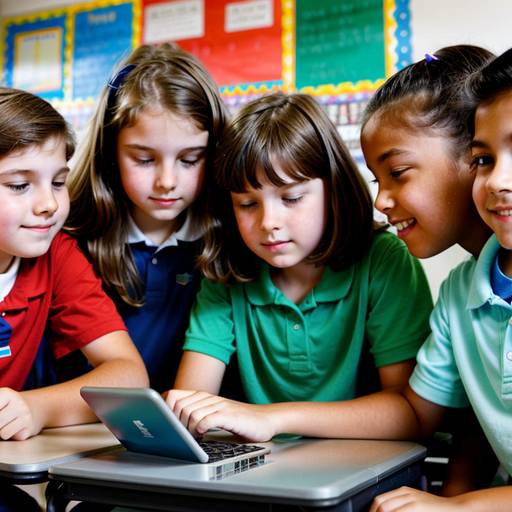
This engaging lesson plan for 4th-grade students focuses on essential internet skills and safety. The objective is to teach students how to navigate the web effectively while understanding the importance of online safety. The session begins with an interactive discussion about students' online interests, followed by direct instruction on basic searching techniques and the characteristics of reliable versus unreliable sources.
Students participate in guided and independent activities, including a scavenger hunt that encourages effective searching and a group discussion on various internet scenarios to determine if they are safe or not. The lesson concludes with a recap, a Q&A session, and an exit ticket exercise where students reflect on one internet safety tip they will remember.
Differentiation strategies ensure that all students, regardless of their skill level, can engage with the material, while follow-up suggestions encourage students to practice their skills at home and share their experiences in future classes. This comprehensive approach ensures that students not only learn vital internet skills but also remain safe while using online resources.
This lesson plan is designed for 4th-grade students to explore the concepts of digital citizenship and digital footprint. The session begins with an engaging introduction, prompting students to discuss what it means to be a responsible digital citizen. After defining both digital citizenship and digital footprint, students participate in small group discussions about their online activities and their impact on their digital presence.
An interactive video enhances their understanding, followed by an engaging Q&A session. Students then reflect on their online behaviors by completing a personal action plan template and setting goals for maintaining a positive digital footprint. The lesson concludes with a recap of key points and a discussion on the importance of responsible online behavior. Through group participation, discussions, and personal reflection, students gain valuable insights into navigating their online world safely and responsibly. Extensions and adaptations are included to ensure all learners can engage with the material effectively.

The lesson plan focuses on helping preschool students understand the concept of community and the roles various members play in ensuring it functions well. Beginning with a circle discussion about what community means, students participate in a brief neighborhood walk, recognizing familiar places and expressing their feelings about them. They then engage in a role-play activity where they embody different community helpers, demonstrating how these roles contribute to a happier and safer environment. A reflective discussion follows, allowing students to share their insights about community interdependence. The lesson concludes with a creative activity where students create a mural representing their favorite aspects of the community. This plan emphasizes engagement, collaboration, and creative expression while fostering an understanding of citizenship within the community. Various materials, including art supplies and representations of community places, facilitate a dynamic and interactive learning experience. Assessments are based on observation of participation and understanding throughout the activities.

This 2nd-grade social studies lesson focuses on understanding the concepts of community and diversity. Students will explore the different roles within their community and recognize the importance of each individual, including various community workers. The lesson begins with a discussion about what constitutes a community and its essential roles, followed by a matching activity to illustrate diversity within those roles.
Students will then engage in a personal reflection activity by completing "All About Me" worksheets, allowing them to share their unique backgrounds, traditions, and interests with their classmates. This fosters appreciation for diversity among peers. To culminate the lesson, students will create individual squares representing themselves or their cultures, which will be combined into a collaborative "Community Quilt."
Throughout the lesson, students will learn the value of each person's contribution to the community and how diverse backgrounds strengthen their collective environment. The lesson concludes with a recap of the concepts covered and encourages ongoing respect and appreciation for differences among classmates. Assessments will include participation in discussions, completion of worksheets, and the final quilt project.

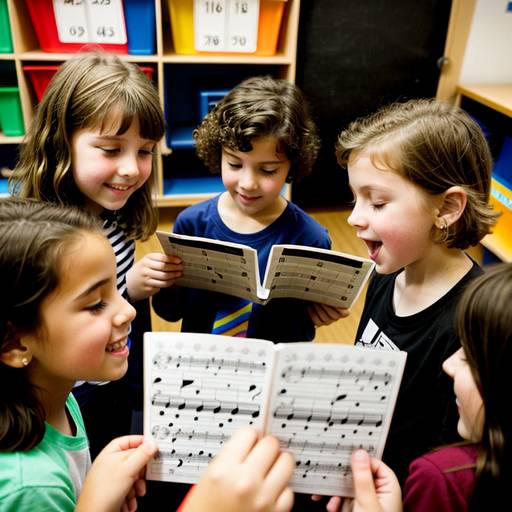
In this engaging music theory lesson for 3rd-grade students, the focus is on helping them identify and name basic musical notes (A, B, C, D, E, F, G) and understand the structure of a musical staff and treble clef. The lesson begins with an introduction to the significance of music and the basics of the staff, including the placement of notes. Students participate in an interactive game, "Note Name Relay," where they work in groups to identify notes by collecting flashcards and representing them accurately on the staff.
Following the game, students complete worksheets to reinforce their understanding of note names and staff positions. The lesson concludes with a review of key concepts, encouraging students to share their thoughts and emphasizing the importance of practicing at home. Assessment is based on participation and worksheet completion, and possible extensions include introducing basic rhythms and encouraging instrument play. Overall, the lesson creates a dynamic and supportive learning environment for foundational music theory.
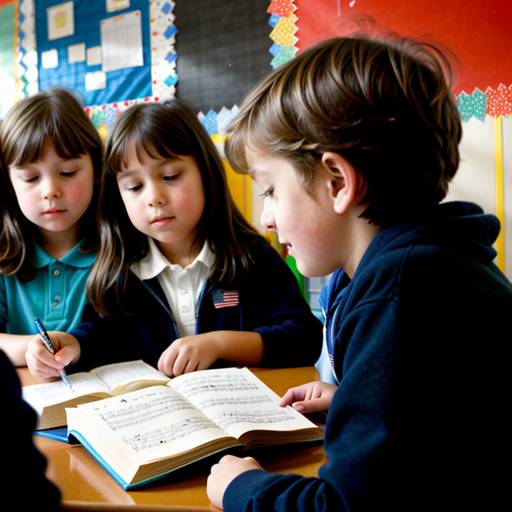
In this engaging 30-minute music theory lesson for 1st graders, students will explore the basic note names (A, B, C, D, E, F, G) through fun activities and games. The lesson begins with an introduction to the musical staff, accompanied by a visual aid that helps students identify note positions.
Following a warm-up activity that includes a call-and-response chant, students will participate in a Flashcard Relay where they race to find the correct note name when called out, promoting both teamwork and recognition skills. Additionally, they will engage in a Musical Task using percussion instruments to create rhythms that correspond with the note names, reinforcing their understanding through hands-on experience.
The lesson concludes with a review and an informal assessment through questions, ensuring comprehension. Each student will receive a certificate of completion, celebrating their participation and accomplishment. Overall, the lesson is designed to create a fun and interactive learning environment that builds foundational music knowledge.
In this lesson plan for 1st graders, students will explore basic music theory by learning to identify and name the musical notes A, B, C, D, E, F, and G, as well as understanding their positions on the staff. The session will begin with a playful introduction through song, encouraging students to share any note names they already know. The teacher will then explain the musical staff and demonstrate where the notes are located using a visual chart.
Following this, students will engage in a relay activity in small groups, matching colored note name cards to their correct positions on a large staff displayed on the whiteboard. This collaborative exercise promotes teamwork and reinforces their understanding of note placement.
To provide a hands-on learning experience, students will have the opportunity to use musical instruments such as tambourines and xylophones to play simple melodies, practicing the note names as they perform. The lesson will conclude with a recap of the notes learned and a discussion, allowing students to share one note they remember. Optional coloring handouts will be distributed for further engagement and reinforcement. Overall, the lesson is designed to create a fun and interactive atmosphere while developing foundational music theory skills.