
Filters
Level
Grade
Subject
Subject Area
Subject Topic
Standard(s)
Audience
Keyword
DurationMinutes
Lesson Plans

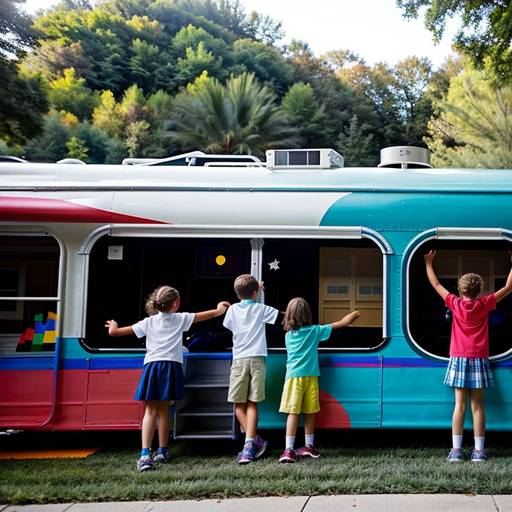
This music lesson for 2nd grade students focuses on introducing the basics of music theory, specifically the identification and naming of musical notes on the staff. The session begins with a brief explanation of musical notes and their importance in music, followed by an engaging discovery phase where students learn the names and positions of the notes (A, B, C, D, E, F, G).
Students participate in an interactive relay activity that reinforces their understanding through team collaboration and fun competition. They then apply their knowledge by creating rhythmic patterns using small percussion instruments while naming the notes aloud. The lesson concludes with a reflection on what they learned and a creative coloring worksheet to reinforce the note names.
Assessment is conducted through observation during activities and the completion of worksheets, with opportunities for extension activities and group singing planned for future lessons. The focus is on fostering enjoyment and a positive learning environment as students explore the world of music.
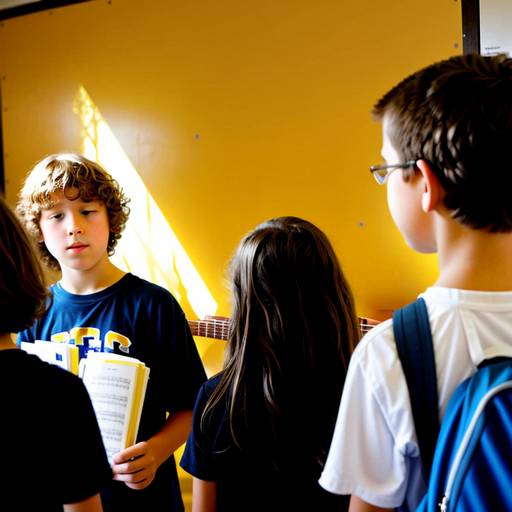
In this 5th-grade music lesson, students will explore the fundamentals of music theory by learning to identify and name musical notes on the staff. The class begins with a discussion about the significance of music, followed by a mini-lecture introducing the staff, treble and bass clefs, and the names of line and space notes. To reinforce their understanding, students participate in an interactive game where they collaboratively identify notes on a staff. The lesson includes a brief overview of note values, demonstrated through clapping exercises. To assess their comprehension, students complete a worksheet with exercises related to note identification and values, which is reviewed as a class. Extension activities allow students to showcase their creativity through simple melody creation. The session aims to engage students in learning while fostering teamwork and a deeper understanding of musical concepts.
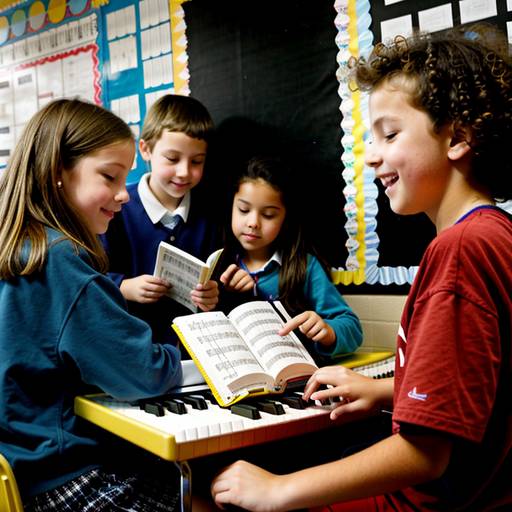
In this 4th-grade music theory lesson, students will explore the concept of musical note identification and the values associated with them. The session begins with a warm-up song, followed by a discussion about musical notes and the treble clef staff. Through direct instruction, students will learn the names of notes on the staff, using mnemonic devices to aid memory, and understand the different note values: whole notes, half notes, quarter notes, and eighth notes.
During guided practice, students will work in pairs to match note name flashcards to their corresponding positions on staff sheets and will engage in rhythmic clapping exercises to solidify their understanding of note durations. They will then complete individual worksheets that reinforce their knowledge of note identification and values.
The lesson concludes with a review of what they learned and a fun challenge where students can demonstrate their understanding by identifying specific notes from flashcards. Assessment will include observing participation, reviewing the completed worksheets, and evaluating performance during the challenge. Extensions of the lesson may involve simple composition activities or technology integration. The overall goal is to foster a positive learning environment and encourage student engagement in music theory.
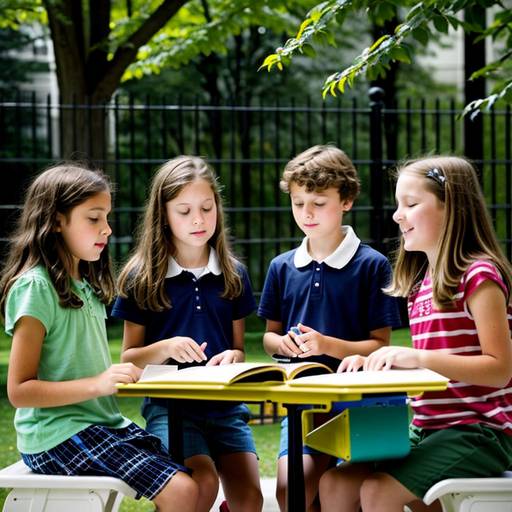
In this engaging 4th-grade music lesson, students will explore the basics of music theory by learning to identify and name musical notes on the treble staff. The lesson begins with a discussion on the importance of note names and the treble clef. Students will then learn about the musical alphabet (A through G) and how it corresponds to the lines and spaces of the staff, using mnemonic devices for easy recall.
Through a fun note-naming game, students will work in groups to reinforce their understanding by identifying notes on flashcards. They will also engage in a creative activity where they draw notes on sticky squares and label them, encouraging artistic expression alongside musical learning. The lesson concludes with a review of key concepts, promoting a collaborative discussion on what students found easy or challenging. Assessment will be based on participation, accuracy in labeling, and creativity in the drawing activity.
Overall, this lesson provides an interactive and enjoyable way for students to build foundational skills in music theory.

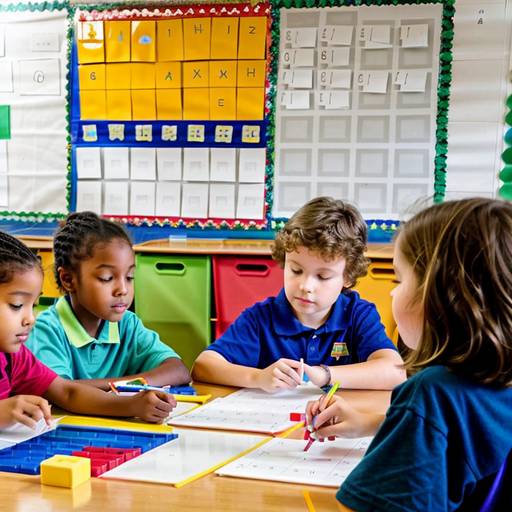
This lesson plan focuses on teaching first-grade students the concept of addition using single-digit numbers. It aims to build a foundational understanding of addition through interactive activities and visual aids. The lesson begins with a discussion on the relevance of addition in daily life, followed by direct instruction where students observe and participate in combining groups using manipulatives. Guided practice allows students to work in pairs, reinforcing their skills through collaborative problem-solving. Independent practice includes using addition story mats and worksheets to solidify their learning. The lesson concludes with a recap of key points and an emphasis on counting and grouping. Assessment is conducted through observation and review of student work. Additional activities provide further opportunities for practice, and differentiation strategies cater to various learning needs. Overall, the lesson promotes engagement and understanding of addition in a fun and relatable manner.
In this Kindergarten math lesson, students will explore the concept of addition using single-digit numbers through engaging and interactive activities. The lesson begins with a warm greeting and an engaging storybook that introduces basic addition concepts. The teacher will then model addition using manipulatives while explaining the process of combining groups.
Students will be divided into small groups where they will create and solve their own addition problems using counting manipulatives, promoting teamwork and critical thinking. Afterward, they will illustrate their problems through drawings, showcasing their understanding of addition visually.
The lesson will conclude with a recap of key concepts and an exit ticket activity to assess individual understanding. Various check-ins and adjustments ensure that students of different proficiency levels receive the support they need. Finally, follow-up activities will encourage students to reinforce their skills at home and in math centers, making the learning experience comprehensive and collaborative.

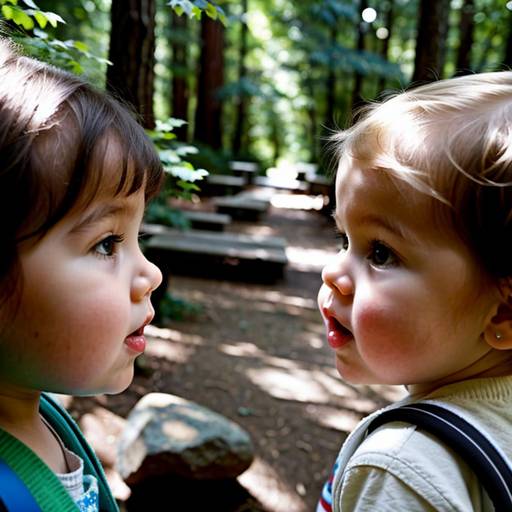
In this engaging lesson plan for toddlers aged 2-3 years, students will explore quantity concepts by interacting with various natural items collected from the environment, such as leaves, stones, and twigs. The lesson begins with a welcoming circle time that introduces the theme and encourages children to discuss what they see in nature.
Next, students participate in a sorting activity where they group items by size or type while counting the quantities together. This is followed by a lively music and movement segment featuring a counting song, where children mimic natural movements while reinforcing their counting skills.
The lesson continues with a number recognition game, prompting children to find specific quantities of items based on the number cards they hold. Finally, students create nature collages using the items they collected, actively counting as they work.
The lesson concludes with a sharing circle, allowing each child to present their collage and discuss the items they used. Throughout the activities, teachers assess the children's counting abilities and participation, while also providing ideas for extending the learning through outdoor exploration and creative projects.
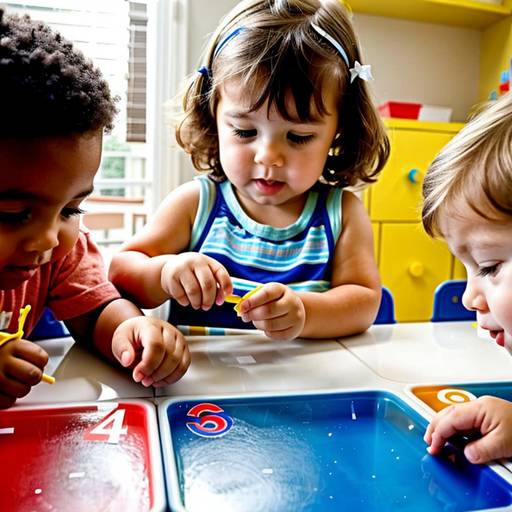
The lesson plan focuses on introducing toddlers to the concept of number patterns through interactive and engaging activities. It begins with an introduction to what a pattern is, accompanied by a fun counting song that reinforces numerical concepts. Throughout the lesson, children participate in group activities where they create and recognize patterns using colored blocks or beads. An interactive "Pattern Hunt" encourages them to explore and collect items that fit specific patterns. The session concludes with a reflection where children share their discoveries and observations, solidifying their understanding. If time allows, a movement activity set to music reinforces the concept of patterns through dance and rhythm. This lesson aims to foster curiosity and engagement with numbers, promoting a foundational understanding of patterns in a playful manner.

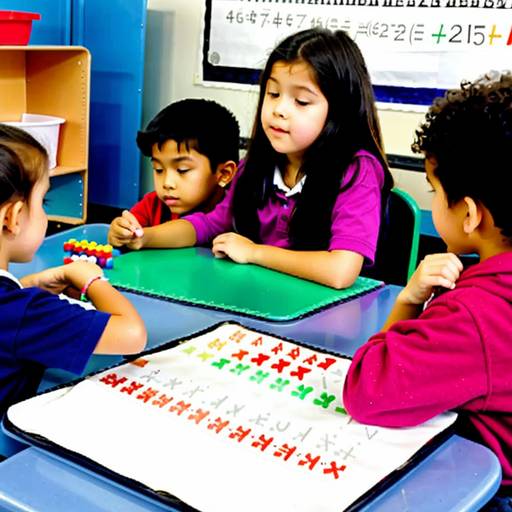
In this preschool math lesson, students engage in an interactive adventure centered around counting from 1 to 10. The session begins with an engaging story that sets the stage for a mystery related to missing cookies, capturing the children's interest. They participate in a series of hands-on activities at various stations, where they practice counting through fun tasks such as matching quantities with number cards, finding and identifying clues, and constructing simple puzzles.
As they rotate through each station, they work collaboratively, enhancing their counting skills in a playful and dynamic environment. After completing the stations, students get the opportunity to showcase their counting abilities by filling treasure boxes with colorful counters, which they present to the group. The lesson concludes with a review of what they learned and the distribution of certificates or stickers to celebrate their accomplishments. Throughout the lesson, careful observation of participation and accuracy in counting serves as an informal assessment of their understanding of the concepts presented. Extensions provide further opportunities for advanced learners to create their own counting challenges for their peers, deepening their engagement and reinforcing foundational math skills.
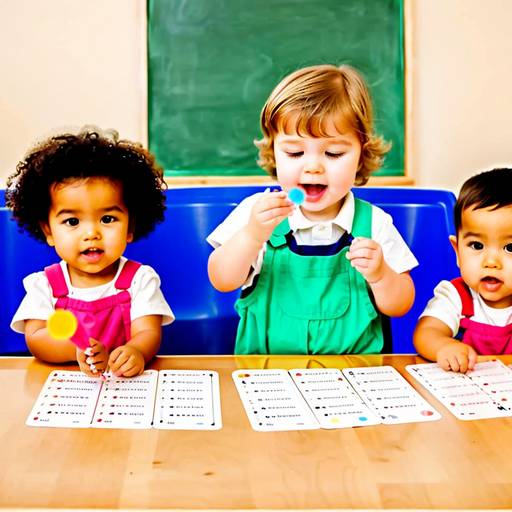
This lesson plan focuses on enhancing toddlers' counting skills and number recognition through a series of engaging activities. The session begins with a warm introduction and an interactive singing segment featuring counting songs to promote movement and participation.
Following this, children explore various counting stations that incorporate natural items, building blocks, arts and crafts, and animal figurines, allowing them to experience counting in diverse contexts. A lively group counting game encourages physical activity while reinforcing numerical concepts.
Storytime with a number-themed book provides a concluding activity, where children can practice counting as they engage with the narrative. The lesson wraps up with a closing circle that invites reflection on the day's activities, further reinforcing their learning through a fun counting chant or song. The plan emphasizes hands-on exploration, active participation, and meaningful discussions to support the development of foundational counting skills in a playful environment.