
Filters
Level
Grade
Subject
Subject Area
Subject Topic
Standard(s)
Audience
Keyword
DurationMinutes
Lesson Plans

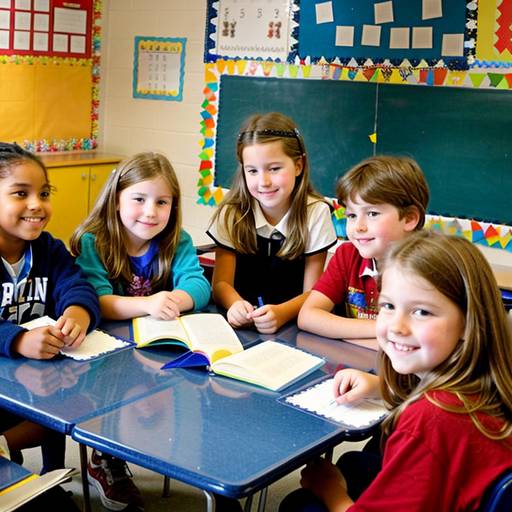
This 2nd-grade language arts lesson focuses on introducing students to the elements of narrative writing. The lesson begins with a read-aloud of a familiar story, prompting a discussion about its characters, setting, problem, and solution. Students then engage in a guided practice where they collaboratively fill out a Story Map template, effectively organizing their ideas for a narrative. Following this, they work independently to create their own stories using the Story Map, incorporating illustrations. After writing, students pair up or form small groups to share their narratives, promoting active listening and peer feedback. The session concludes with a recap of narrative elements and an opportunity for a few students to share their work with the entire class. Assessment is based on participation, the completion of Story Maps, and the sharing of their narratives, with adaptations available to support diverse learning needs and extensions for advanced learners.
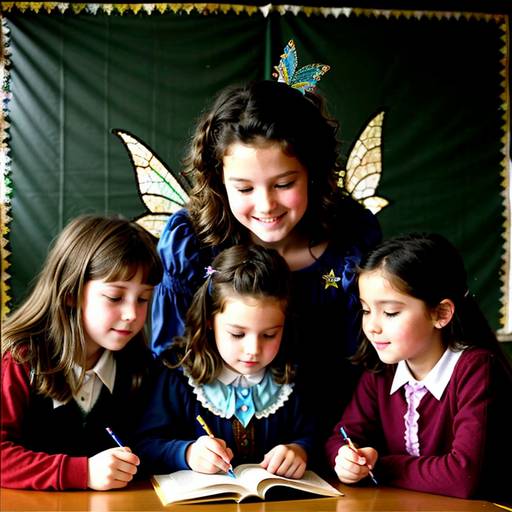
In this 1st Grade Language Arts lesson, students will explore the elements of fairy tales and engage in creative writing by crafting their own short stories. The lesson begins with a read-aloud of a familiar fairy tale, prompting a discussion about its key components: characters, setting, problem, and solution. Following this, the teacher will guide the class in collaboratively creating a new fairy tale, emphasizing the structure. Students will then receive a writing template to help them develop their individual stories, complete with illustrations. As they work independently, the teacher will circulate to offer support. To wrap up the lesson, students will share their stories with partners and have the opportunity to present to the class, fostering a sense of community and celebration of creativity. Assessment will include observations of participation, story elements, and creativity in the completed writing templates. Extension activities may involve compiling stories into a classroom book and using digital tools for story creation.
In this 3rd-grade Language Arts lesson plan, students will focus on narrative writing by creating their own fairy tales. The lesson begins with a read-aloud of a classic fairy tale, followed by a discussion of its key components: characters, setting, problem, and solution. Students will then complete a story map as a class to analyze these elements. Afterward, they will have time to independently write their own fairy tales, using their story maps as guides and incorporating descriptive language to enhance their narratives. The lesson concludes with an opportunity for students to share their stories with peers, fostering a sense of community and encouraging creativity. Assessment will be based on their written stories, focusing on the narrative structure and use of descriptive details. Extension activities include illustrating scenes from their tales and compiling a class anthology for sharing.
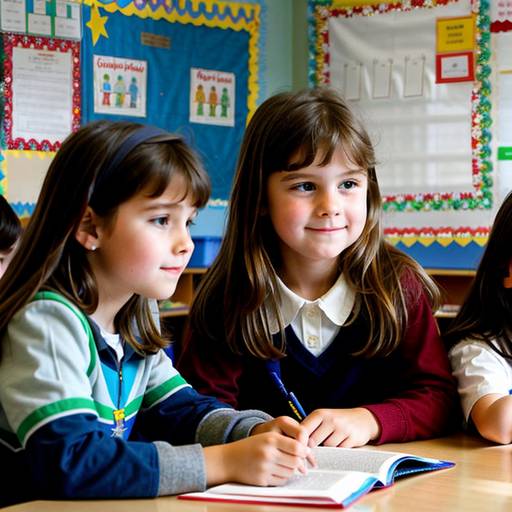
This first-grade language arts lesson focuses on narrative writing, guiding students to create simple stories with a clear beginning, middle, and end. The class begins with a read-aloud of a familiar story to introduce narrative structure, followed by a collaborative activity where students help create a story map together. Each student then independently fills out their own story map and writes a narrative, illustrating their work. The lesson concludes with students sharing their stories with classmates, fostering a supportive environment for feedback. Assessment is based on their understanding of narrative structure and creativity, with opportunities for extension through class book creation and exploration of different story genres in future lessons.

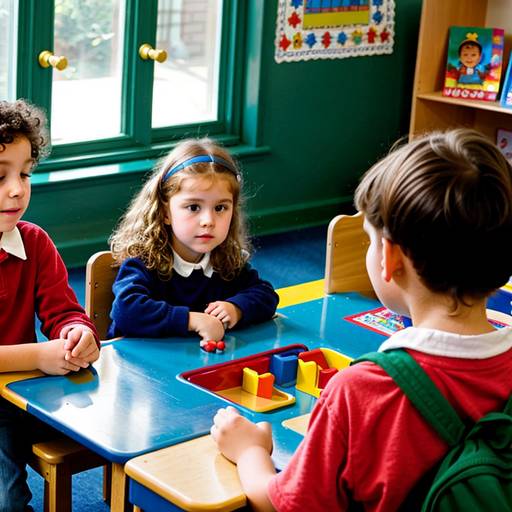
In this preschool lesson, children will engage in a creative and interactive experience focused on dramatic play and storytelling. The session begins with the group coming together to share their favorite stories, leading to a collective decision on which story to act out. Students will then select costumes and props related to the chosen narrative, assigning roles to each participant, such as beloved characters.
The heart of the lesson involves the children acting out the story in a dedicated play area, where they can immerse themselves in their characters and explore imaginative scenarios. Throughout the activity, the teacher will provide support and encouragement, prompting further creativity and interaction among the students. Afterward, the children will regroup for a discussion to reflect on their experiences, discussing challenges and highlights from their play.
To extend the activity, students will create storyboards by drawing their favorite scenes or inventing new stories inspired by their dramatic play experience. The lesson concludes with a wrap-up session, highlighting the importance of storytelling and creativity in their play. Throughout the lesson, the focus is on enhancing communication, cooperation, and imaginative skills within a fun and engaging environment.
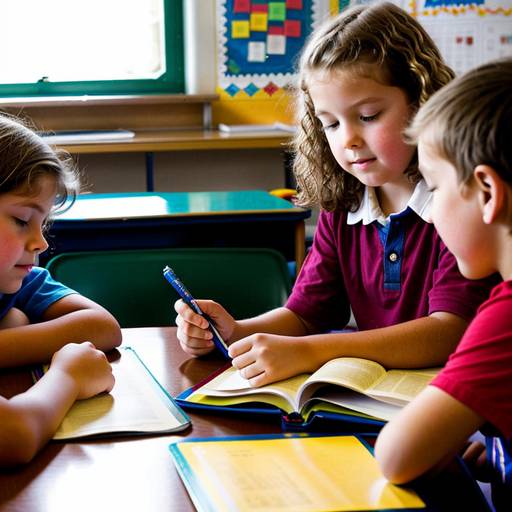
This lesson plan for 3rd-grade language arts focuses on teaching students the fundamental elements of storytelling, including character, setting, conflict, and resolution. The lesson begins with an engaging discussion about favorite stories and characters, and students contribute ideas about what makes a great story. They are then introduced to a story map template that helps them organize their thoughts.
During guided practice, students brainstorm ideas using a story cube, share their story maps with a partner for feedback, and start drafting their own short stories based on their maps. They are encouraged to illustrate their work while writing. The lesson closes with a discussion where students can share snippets of their stories and reflect on their creative process. Assessment includes monitoring participation and reviewing the completed story maps and narratives, focusing on their understanding of storytelling elements. Possible extensions encourage further creativity, such as creating illustrations or sharing stories with others.
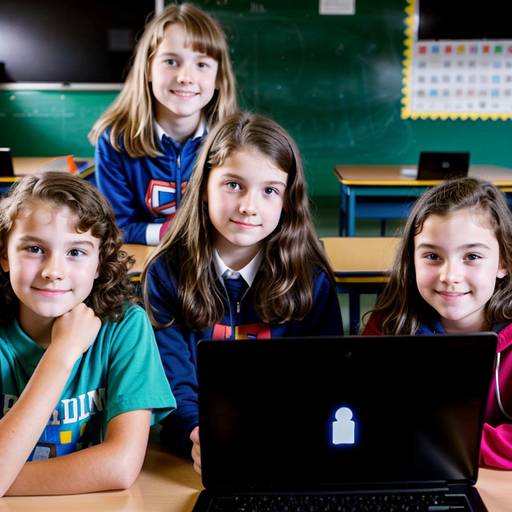
In this 4th-grade technology lesson, students will explore the importance of internet privacy and learn how to manage privacy settings on various online platforms. The lesson begins with a class discussion about online safety and personal information, followed by an interactive presentation highlighting safe online behaviors and the significance of protecting personal data. Students will then work in small groups to research and document privacy settings for different platforms, ultimately creating charts to summarize their findings. Each group will present their work to the class, fostering collaborative learning and reinforcing best practices for online interactions. The lesson concludes with an interactive quiz to assess understanding and retention of the material covered. Extension activities encourage students to further engage with the topic and share their knowledge with family members. Overall, the lesson aims to empower students to navigate the digital landscape safely and responsibly.
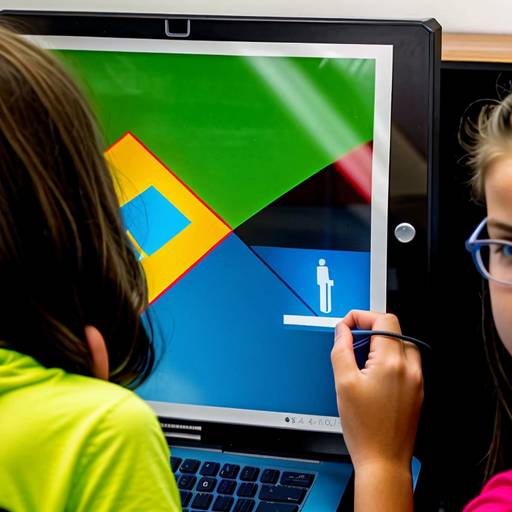
This 5th-grade technology lesson focuses on teaching students essential internet navigation skills and principles of netiquette. The lesson begins with a discussion about the internet's benefits and personal online experiences. Students will learn how to effectively use search engines and evaluate sources while exploring the importance of respectful online communication.
In small groups, students will analyze various online scenarios to determine appropriate responses based on netiquette guidelines. The lesson includes an interactive quiz to reinforce understanding of these concepts and clarify any misconceptions. Finally, students will reflect on how they can apply the lessons learned to their own online activities. Through participation, assessments, and homework, this lesson aims to cultivate responsible digital citizenship among students.

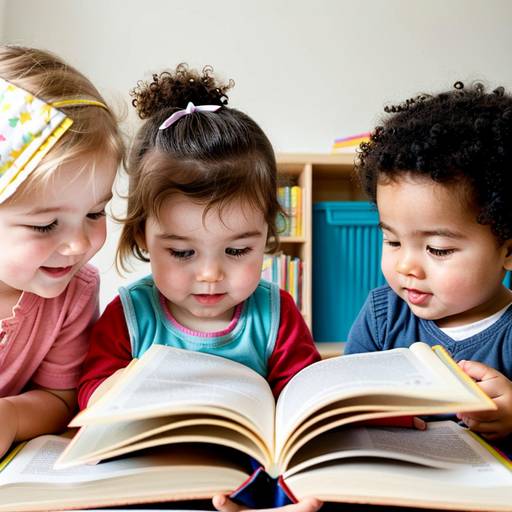
This lesson plan focuses on enhancing pre-reading skills for toddlers aged 18 months to 3 years through interactive and engaging activities. The session begins with a cozy welcome, followed by a dynamic story time that encourages participation through sound repetition and picture recognition. Children then engage with large picture cards, identifying objects and playing a simple "I Spy" game to reinforce vocabulary. Puppet play allows them to reenact parts of the story, fostering creativity and comprehension. An art activity follows, where toddlers create drawings based on their favorite characters, facilitating expression and discussion. The lesson concludes with a group sharing session and a fun song, solidifying the day's learning. Caregivers are encouraged to continue the reading experience at home, and extensions include creating story bags and planning library visits to further cultivate a love for books. The lesson aims to create a joyful, language-rich environment that supports early literacy development.
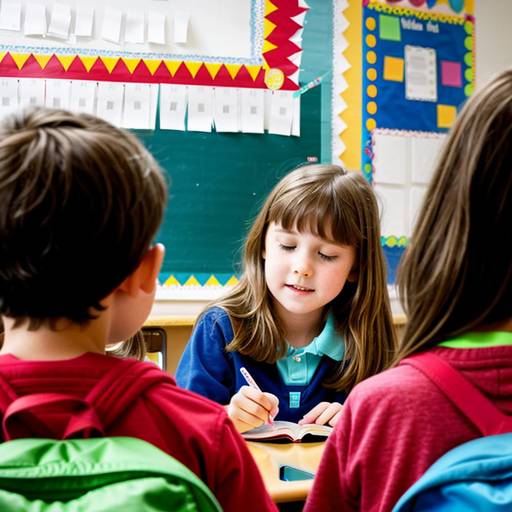
In this 2nd Grade Language Arts lesson, students will explore the concept of antonyms and enhance their vocabulary. The lesson begins with a discussion about vocabulary and the definition of antonyms, followed by examples shared by students. Direct instruction involves using flashcards with images to illustrate pairs of opposite words, prompting students to brainstorm additional antonyms in pairs.
During group activities, students work together to create an "Antonym Chart" that lists pairs of antonyms along with illustrations, which they will present to the class. For independent practice, students fill out a worksheet identifying antonyms for given words and share their favorite pairs with a partner. The lesson concludes with a review of antonyms and an interactive "Antonym Wall" where each student contributes a sticky note with their favorite antonym pair.
Assessment includes observing participation in discussions and activities, reviewing worksheet completion for understanding, and evaluating the group-created charts. Accommodations and extensions are also included to support diverse learners and provide further challenge for advanced students.