
Filters
Level
Grade
Subject
Subject Area
Subject Topic
Standard(s)
Audience
Keyword
DurationMinutes
Lesson Plans

In this 2nd-grade social studies lesson plan, students will explore the concept of community and the essential rules that help maintain a safe and harmonious environment. The lesson begins with a discussion about what makes their community special and the various elements within it, such as schools, parks, and fire stations.
Following this, students will examine the importance of rules by engaging in a group conversation about why these guidelines are crucial for safety and respect. Students will then collaborate in small groups to create a poster that illustrates their neighborhood, incorporating drawings of community elements and listing community rules. Each group will present their poster to the class, fostering teamwork and communication skills.
The lesson concludes with a reflection activity, where students share one new thing they learned. Through this engaging approach, students will gain a better understanding of their community and the role of rules in promoting a positive atmosphere. Various adaptations and extensions are provided to meet diverse learning needs and enhance the experience further.

In this 2nd-grade science lesson plan, students will explore the solar system by learning about the eight planets, the sun, and the moon. The lesson begins with an engaging discussion about space, followed by a read-aloud of a space-themed book that introduces key concepts. Students will work in small groups to gather and share facts about their assigned planet, promoting collaboration and teamwork.
For a hands-on activity, they will create models of planets using Styrofoam balls or clay, allowing them to apply their knowledge creatively. Once the models are complete, students will present their planet and share one interesting fact with the class. The lesson concludes with a reflection on what students enjoyed and found surprising, reinforcing their learning experience. The plan includes differentiation strategies to accommodate various learning needs and offers extension ideas for further exploration of space. Overall, the lesson aims to foster curiosity about astronomy and help students understand the components and significance of our solar system.
This 4th-grade social studies lesson focuses on the concepts of community and the importance of rules for maintaining a safe and functioning environment. Students will first engage in discussions to define what a community is and brainstorm its key elements. Working in small groups, they will create visual representations of their community, highlighting important locations and features.
The lesson will then transition to exploring community rules, where students will identify and discuss common rules, their purposes, and the potential consequences of not having them. Each student will select a rule they consider important and find images to represent it, compiling their work on a handout.
In the closure of the lesson, students will share their selected rules and contribute to a collaborative poster titled "Our Community Rules," which will be displayed in the classroom. This interactive approach culminates in students understanding how community rules contribute to a thriving and respectful society. The lesson emphasizes participation, creativity, and critical thinking while providing opportunities for discussion and visual learning.
In this 3rd-grade social studies lesson, students will explore the roles of various community helpers and the importance of rules within a community. The lesson begins with a discussion about who helps them in their community, followed by an introduction to different community helpers and their contributions. Students will then engage in a group activity where they brainstorm and create a new rule aimed at improving their community, illustrating their ideas on chart paper. Groups will present their rules to the class, fostering discussion and encouraging questions. The lesson wraps up with a summary of the key concepts learned and a reflection on community helpers and rules. Assessment will involve participation in discussions and presentations, along with a worksheet that captures students' understanding of their favorite community helper and their proposed rule. Extensions, such as field trips or guest speakers, can further enrich the learning experience.
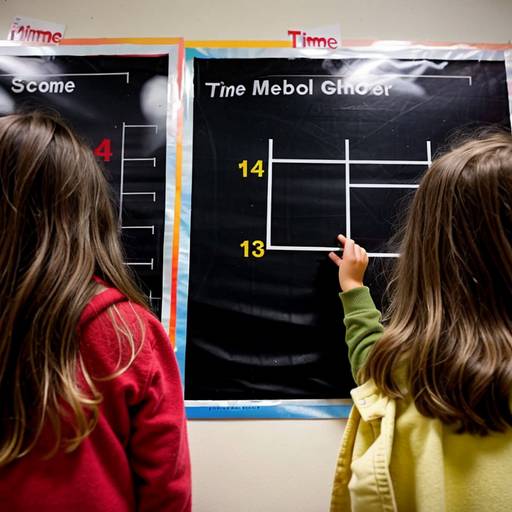
In this 1st-grade social studies lesson, students will explore the concept of timelines and their significance in understanding history. The lesson begins with a discussion about history, followed by a read-aloud of a picture book that illustrates important events and their sequence. Students will participate in a collaborative activity to create a class timeline, placing significant school and community events in chronological order. Following this, they will individually design personal timelines featuring three important events from their own lives. The lesson concludes with students sharing their timelines in pairs or with the class, fostering discussions on the importance of remembering personal and community history. Assessment will focus on students' ability to order events correctly during group activities and clarity in their personal timelines. Extensions include researching historical figures for further exploration of life events and timelines.
In this 3rd grade social studies lesson, students will explore important historical events and figures from their local community, fostering an understanding of the significance of history in their everyday lives. The lesson begins with a discussion on the meaning of history and its relevance, encouraging students to share any local historical events they know.
Students will then be divided into small groups to research a selected event, individual, or landmark using local history books or online resources. Each group will summarize their findings and create a timeline representing the key events related to their topic, incorporating drawings or sticky notes for added creativity.
Afterward, groups will present their timelines to the class, allowing for questions and further discussions. The lesson concludes with a reflection on the importance of preserving local history and how it shapes community identity. Assessment will focus on student participation, collaboration in group work, and the quality of presentations. An optional extension activity is available, such as a field trip to a local museum or a visit from a local historian, to enhance students' understanding of their community's historical context.
In this 4th-grade Social Studies lesson, students will explore the concepts of community and diversity by investigating the unique cultural, ethnic, and social backgrounds present in their neighborhood. The lesson begins with a class discussion to identify what makes their community special and introduces key terms related to diversity. Students will then work in small groups to research specific aspects of diversity in their area, such as various cultures, languages, and local celebrations.
Following their research, each group will create a visual "Diversity Map" that illustrates their findings, allowing them to creatively express the contributions of different individuals and groups. After completing their maps, students will present their work to the class, fostering a sense of pride and awareness regarding their community's richness.
The lesson concludes with a reflective writing exercise, where students articulate how diversity strengthens their community. Assessment will include participation in discussions and presentations, creativity in their maps, and reflective writing. Extensions might involve inviting community members to share their stories or organizing a “Community Fair” to celebrate and learn more about different cultures. Overall, the lesson aims to instill appreciation for diversity and promote an inclusive community environment.

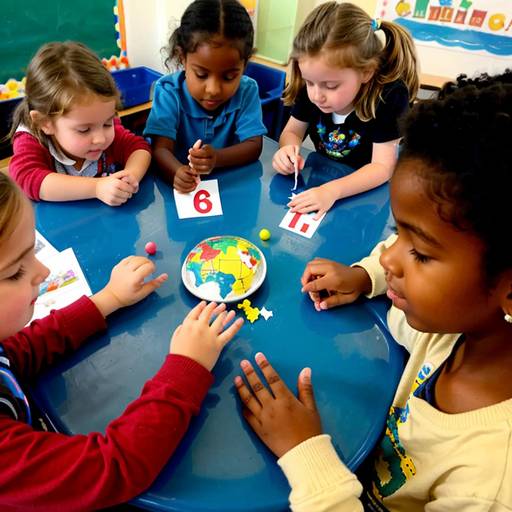
This preschool lesson plan focuses on helping young students explore and understand their local environment and community. It begins with a group discussion about what students see in their surroundings, encouraging them to share their observations. Following this, students engage with a large community map to identify familiar places and learn about the roles of various community helpers through interactive activities.
The lesson continues with a hands-on exploration of natural items like leaves, rocks, and flowers, fostering conversations about the importance of nature and ways to care for the environment. A short reading from a children's book about environmental themes reinforces these concepts.
Students then participate in a mini-clean-up activity, promoting the idea of keeping their community clean and safe. The lesson concludes with a group reflection where students share their experiences and insights. Throughout, the emphasis is on community involvement and environmental stewardship, encouraging curiosity and a sense of responsibility in young learners.

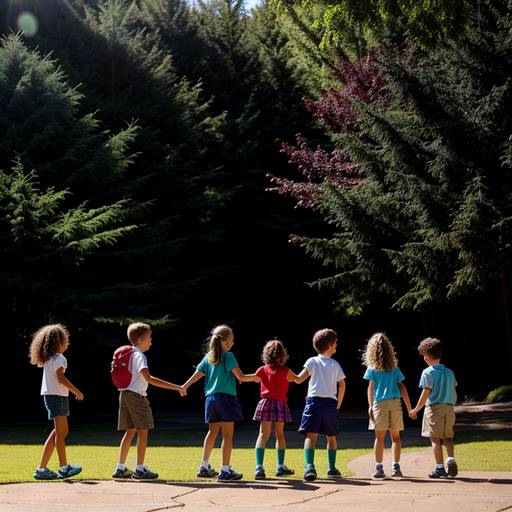
This preschool physical education lesson plan is designed for a 90-minute outdoor session focused on enhancing gross motor skills, teamwork, and sensory awareness through nature exploration and play.
The session begins with an introduction highlighting safety rules, followed by a fun warm-up that incorporates songs and animal movements to prepare the children for activity. Students then participate in several exploration stations, engaging with sensory walks, a scavenger hunt, ball toss, jumping activities, and climbing exercises, rotating through each station to maximize their experience.
A group game called “Nature Tag” encourages active play and teamwork, where students must avoid being tagged while assisting their peers. Subsequently, a creative play segment allows children to make nature-inspired art using materials collected during their explorations, fostering creativity and individual expression.
The session includes a cool-down period with deep breathing and gentle stretching, followed by a group reflection discussion where students can share what they learned and enjoyed throughout the activities. Safety measures are prioritized, with close monitoring throughout to ensure a secure environment for all participants. The lesson not only promotes physical development but also builds an appreciation for nature and healthy social interactions among preschoolers.
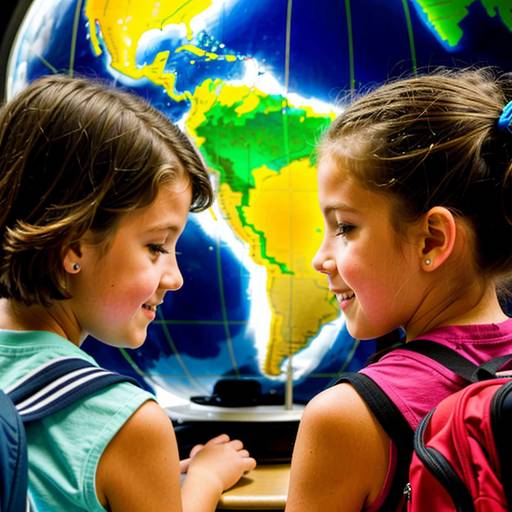
In this 3rd-grade social studies lesson, students will explore geography and countries through an engaging and interactive format. The lesson begins with a discussion about countries and travel, introducing students to the concept of passports. Following a brief direct instruction on basic geographic terms and the locations of various countries using a world map or globe, students will engage in guided practice by researching two countries of their choice. They will fill out a "passport" template with information about each country, including the capital city, a landmark, traditional food, and a fun fact.
Next, students will create mini-posters to visually represent their findings, including illustrations such as the country’s flag and cultural symbols. The lesson culminates in a presentation where students share their projects with the class, offering an opportunity to learn from each other. Assessment will be conducted through observation and review of completed materials. The lesson also includes extensions, such as a potential "World Cultures Day" to further immerse students in different cultural practices. Overall, this lesson emphasizes the importance of understanding geography and cultural diversity.