
Filters
Level
Grade
Subject
Subject Area
Subject Topic
Standard(s)
Audience
Keyword
DurationMinutes
Lesson Plans

This preschool science lesson focuses on introducing young children to the concept of the environment and its significance. The session begins with a circle time discussion where children explore what the environment means, supported by visuals and a nature-themed story.
Following this, students embark on a nature walk, collecting natural items while observing various elements of their surroundings, such as plants and animals. This hands-on experience fosters curiosity and excitement about nature.
After returning to the classroom, children engage in an art activity where they draw their favorite aspect of the environment based on their observations. This is complemented by a group sharing session that encourages discussion about what they learned and how they can help protect the environment.
Overall, the lesson aims to instill a sense of wonder and responsibility for nature in young learners, promoting environmental stewardship through interactive exploration and creative expression. Extensions of the lesson include maintaining an environmental journal and possibly starting a classroom garden to further enhance their understanding and engagement with nature.

This preschool science lesson engages young children in exploring basic concepts related to the Earth and the sky, focusing on elements such as the sun, moon, stars, and clouds. The session begins with a circle time discussion, allowing students to share their knowledge and observations. A read-aloud of a picture book enhances their understanding, prompting discussions about the characteristics of Earth and sky features.
Following the story, students participate in a hands-on creative activity where they use construction paper, cotton balls, and star stickers to create their own sky scenes, reinforcing their learning through artistic expression. The lesson concludes with a sharing session, allowing children to present their artwork and express their favorite aspects of Earth and the sky. An optional outdoor exploration further enriches their experience by providing a chance to observe the natural world directly.
Overall, the lesson fosters curiosity and appreciation for the planet and the universe, while promoting interactive learning and creativity.

In this 2nd-grade social studies lesson, students will explore the concept of timelines to understand the chronological order of events in both personal and historical contexts. The lesson begins with a class discussion about significant life events, leading into the introduction of timelines and their importance. Students will collaboratively create a large group timeline that includes class events, followed by a presentation of historical examples to highlight milestones in history.
After receiving a timeline template, each student will identify and illustrate 3-5 significant events from their own lives. They will share their personal timelines with a partner to practice articulation and reinforce understanding. The class will reconvene to reflect on what they learned about the value of timelines in organizing events chronologically. To conclude, students will complete an exit ticket summarizing one key takeaway from the lesson.
Assessment will be based on participation, creativity, and the ability to convey the significance of the included events. Differentiation strategies will support diverse learners, and opportunities for extensions may encourage deeper exploration of family history or future goals. This engaging lesson aims to instill a foundational understanding of timelines in relation to personal and broader historical narratives.
This 3rd Grade social studies lesson focuses on understanding the concept of community and the significance of celebrating diversity. Students begin by discussing what constitutes a community and engage with a story that highlights themes of inclusion and respect for differences. The lesson continues with group activities, where students create a collaborative "Diversity Map" that illustrates various cultural representations within their community. Following this, they participate in an art project to design personal "quilt squares" that reflect their individual backgrounds and traditions. The lesson emphasizes the importance of diversity in enriching communities and concludes with a reflection on what students have learned. Assessment is based on participation and creativity during activities, with options for extensions that encourage deeper engagement with local cultures. Overall, the lesson aims to foster appreciation for differences and promote a sense of belonging among students.
This lesson plan engages 1st-grade students in exploring the concepts of community and diversity. The objectives include helping students understand the makeup of their community and recognize different cultural backgrounds, customs, and contributions.
The lesson begins with a warm-up discussion where students share their thoughts about community, followed by a story that highlights diverse characters. In the main activity, students are divided into small groups to research and create posters about specific cultures found in their community, showcasing elements such as food, clothing, and traditions. A gallery walk allows students to present their work and appreciate each other's findings.
The lesson concludes with a class discussion reflecting on the importance of understanding and respecting diversity, followed by a drawing activity where students illustrate something they learned. Assessment includes monitoring participation, evaluating group posters, and reviewing individual drawings. Extensions include organizing a "Culture Day" and creating a class book that incorporates students' learnings about their diverse community.
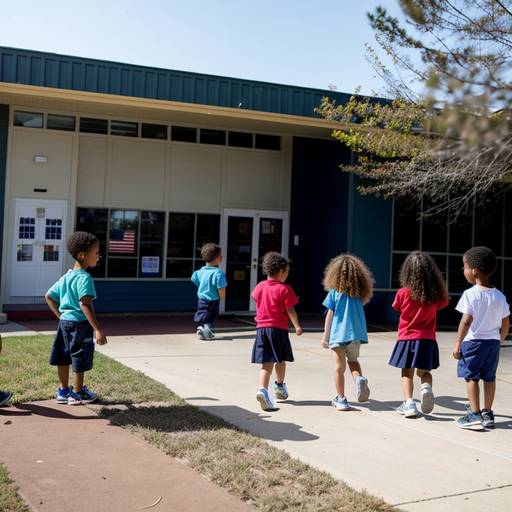
This lesson plan introduces kindergarten students to the concepts of community and the importance of rules. It begins with a discussion about what a community is and the various community helpers, such as police officers and firefighters, highlighting their roles. A read-aloud of a selected picture book reinforces these ideas, fostering engagement and comprehension through questions about the story.
Following this, students explore the significance of rules, discussing why they are essential for safety and kindness. Together, they brainstorm and create classroom rules, illustrated through drawings or pre-made visuals. An interactive role-play activity allows students to dress up as community helpers, practicing the rules associated with their roles.
The lesson concludes with a circle discussion to review key concepts. Assessment includes observing student participation and sharing individualized drawings of their favorite community helpers. Opportunities for extensions include inviting a community helper to the classroom for a Q&A session and organizing a community walk. Overall, the lesson emphasizes engagement, collaboration, and hands-on learning to reinforce students' understanding of their community and the rules that keep it safe.
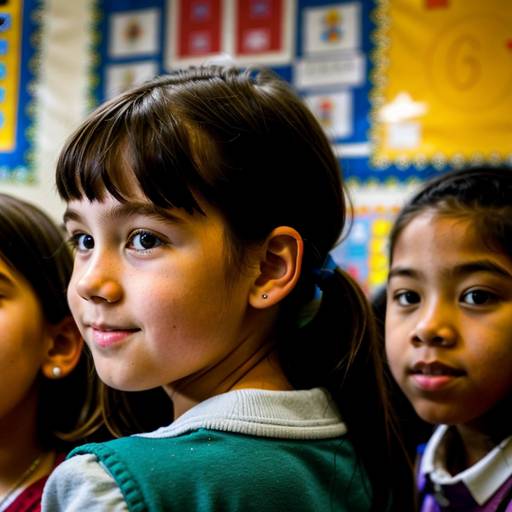
This lesson plan for 1st graders focuses on understanding communities and the essential rules that help maintain order and safety. Students will begin by discussing what a community is and identifying various community helpers, such as police officers, firefighters, and teachers. They will participate in group activities to match helpers to their roles and explore the significance of rules within communities. Through a rule sorting activity, students will share examples of important community rules and discuss why they are necessary.
The students will then engage in a creative project where they draw and describe a rule they find important for their community, reinforcing their understanding. The lesson concludes with a recap of the key concepts and encourages students to think of ways to contribute to their community. Assessment will be based on participation and the completed creative project. Extensions include organizing a themed dress-up day and planning a field trip to observe community helpers in action. Overall, the lesson aims to foster a sense of community awareness and responsibility among young students.
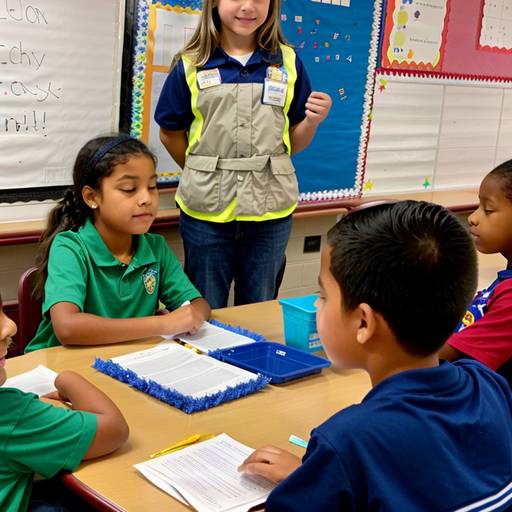
This 3rd-grade social studies lesson focuses on understanding community helpers and their roles within society. Students will begin by discussing what constitutes a community and identifying various community helpers, such as firefighters, teachers, doctors, and police officers. The lesson includes direct instruction using picture cards to explain each helper's responsibilities, supplemented by a collaborative chart created as a class.
Students will participate in a role-playing activity in small groups, where they will act out the daily responsibilities of their assigned community helper, enhancing their comprehension through performance. Following this, they will complete a matching worksheet that pairs community helpers with their respective duties, allowing for assessment of their understanding.
The lesson concludes with a review of the importance of community helpers and encourages students to reflect on which roles they find most significant. Adaptations for diverse learners and extensions for further exploration are included, making this a comprehensive educational experience that cultivates awareness of community interdependence and teamwork.
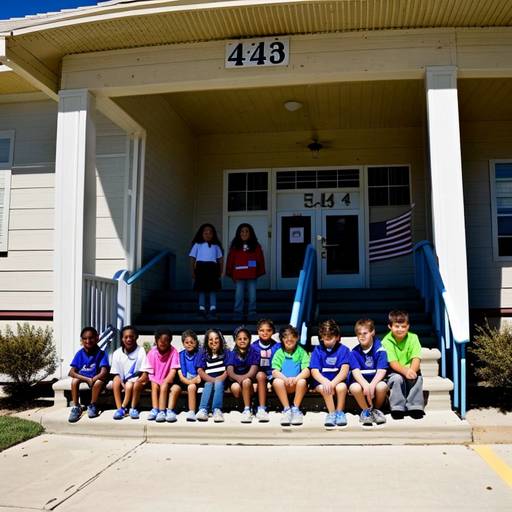
This lesson plan for 3rd-grade students focuses on exploring the roles of community helpers and understanding the importance of community rules. Beginning with a discussion to identify various community helpers, students learn about their contributions to the community's safety and well-being. The lesson includes an interactive activity where students match specific rules to the community helpers they relate to. Following this, students will create posters that combine artistic expression with the knowledge they have gained, linking a community helper to a relevant rule. The lesson concludes with a reflection on the significance of community cooperation and respect. Assessment will be based on participation and creativity. Extension activities may involve a field trip or guest speaker to further deepen students' understanding of local community roles. The plan accommodates diverse learning needs, allowing for various expressions of creativity throughout the activities.
In this 5th-grade social studies lesson, students will explore the concepts of community and diversity. The lesson is designed to help students understand how different backgrounds, cultures, and traditions contribute to the richness of their classroom community.
During the first class, students will engage in discussions about what constitutes a community and how diversity enhances it. They will complete a worksheet that encourages them to reflect on their own cultural backgrounds and share their findings with a partner, fostering mutual understanding and appreciation.
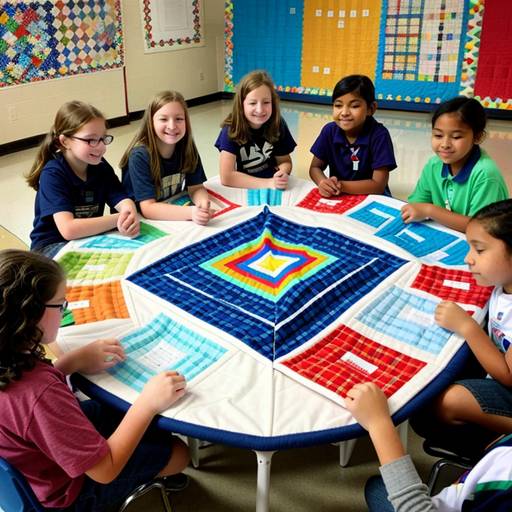
In the second class, students will create individual quilt squares that represent their unique identities and cultural contributions. These squares will be displayed together to form a collaborative community quilt, symbolizing the diversity within the classroom. Students will present their designs and explain their significance, encouraging self-expression and collective reflection.
By the end of the lesson sequence, students will have gained insights into the value of diversity in their community and will have creatively participated in a project that celebrates their individual and shared identities. The lesson culminates in a reflection session on the completed quilt, highlighting the importance of appreciating and valuing differences among classmates. An extension activity can further enhance community connections by inviting family members to participate in a cultural sharing event.