
Filters
Level
Grade
Subject
Subject Area
Subject Topic
Standard(s)
Audience
Keyword
DurationMinutes
Lesson Plans

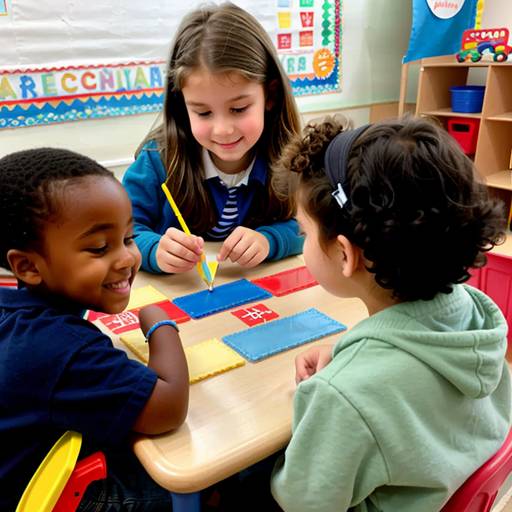
This preschool math lesson focuses on number recognition for children aged 3 to 5 years. The 30-minute session begins with an engaging introduction where students discuss the concept of numbers and their importance. To reinforce number knowledge, the children participate in a lively number song that encourages counting from 1 to 10 with hand motions.
The main activity features a number hunt, where hidden large number cards are discovered by the students, promoting active participation as they identify each number aloud upon retrieval. Following this, the class engages in an animal counting game where small groups match animal cut-outs to their corresponding number cards based on quantity, enhancing their grasp of counting and number identification.
The lesson concludes with a group reflection and the distribution of number recognition worksheets for additional practice. Throughout the session, the teacher assesses students' understanding of numbers, checking for recognition and providing support as needed. Extensions for further learning and parent involvement are also suggested to deepen students' understanding of number recognition.
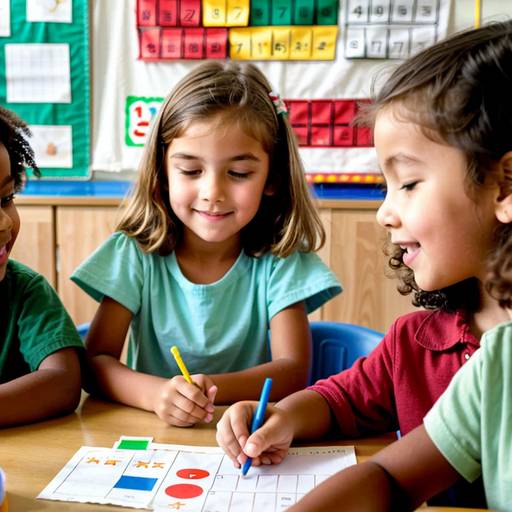
In this preschool math lesson, students will engage in an interactive adventure focused on developing their counting skills through a themed exploration of animals. The session begins with an introduction where students don safari hats and discuss familiar safari animals. They will then participate in a counting game, working in small groups to explore their surroundings in search of animal cutouts corresponding to number cards they select.
Once the animals are collected, groups will return to their counting mats to display their findings and count the animals together, matching them with the correct number cards. The class will reconvene to share their discoveries and count the total number of animals found collectively, reinforcing their counting abilities.
The lesson concludes with a fun reflection, allowing students to share their favorite counted animals and encouraging them to practice counting at home. Throughout the session, the teacher will observe participation and understanding, providing a rewarding and engaging environment for young learners to enhance their number sense.

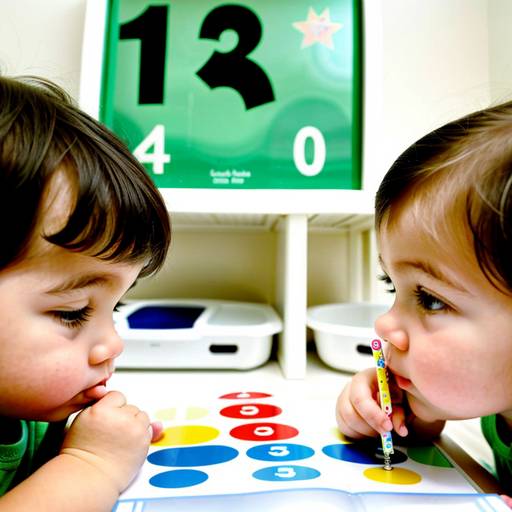
The lesson for toddlers focuses on number recognition and counting, aiming to help children identify and understand numbers 1-10. The session begins with a circle time where children sing a catchy number song to create an engaging atmosphere. Visual aids, such as flashcards, are introduced to familiarize them with each numeral.
In a hands-on activity, children work with counting beads or counters, selecting quantities that correspond to called-out numbers, reinforcing their recognition and counting skills. A creative drawing activity allows them to illustrate their favorite number while counting items they include in their artwork.
An interactive counting game follows, where children identify and count objects drawn from a basket, promoting collaboration and active participation. The session concludes with a recap of the numbers learned during the lesson and another sing-along to reinforce the content. Observations throughout the activities provide insight into each child's understanding and engagement, and extensions include integrating number-focused books or activities into daily routines for continued learning.
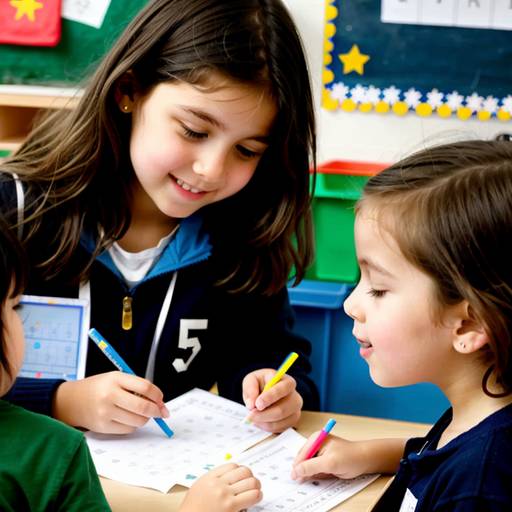
This preschool math lesson focuses on number recognition for children aged 4-5, aiming to help them identify and understand numbers 1 through 10. The session begins with a group circle where students are introduced to numbers through a poster board, followed by a lively number song that incorporates physical movements.
Next, children engage in an interactive treasure hunt using a map that guides them to find objects corresponding to the numbers. Working in pairs, they explore the classroom to collect items and then share their findings with the class, reinforcing their counting and recognition skills.
To conclude the lesson, each child receives a number card that serves as a keepsake, and they participate in a quick game where they hold up their cards when a number is called. This approach not only encourages active participation and collaboration but also provides a fun and engaging way for young learners to develop their foundational math skills. The lesson includes opportunities for informal assessment through observations of children's interactions and understanding.

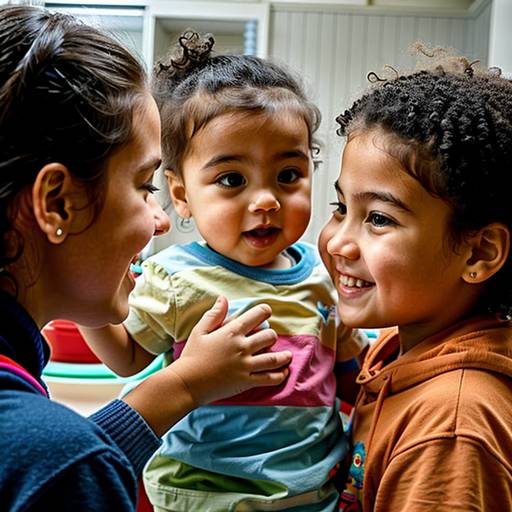
The lesson plan focuses on nurturing social skills in infants aged 12-24 months through engaging activities centered around social play. It aims to promote cooperation, turn-taking, and communication among peers in a supportive environment. The session begins with a welcoming circle time that sets a warm tone and introduces simple social concepts.
Infants will enjoy a group snack where sharing is encouraged, followed by rotating through interactive play stations featuring soft blocks, balls, and puppets. This setup facilitates joint engagement and play among the children. A storytime segment allows caregivers to discuss emotions and actions of the characters, further enhancing social understanding.
The lesson concludes with a fun music and movement activity that encourages imitation and expressive play. The final circle time wraps up the session with a goodbye song, reinforcing community ties. Throughout the lesson, caregivers receive observations and suggestions to continue fostering social interactions at home, ensuring continued development of these essential skills.

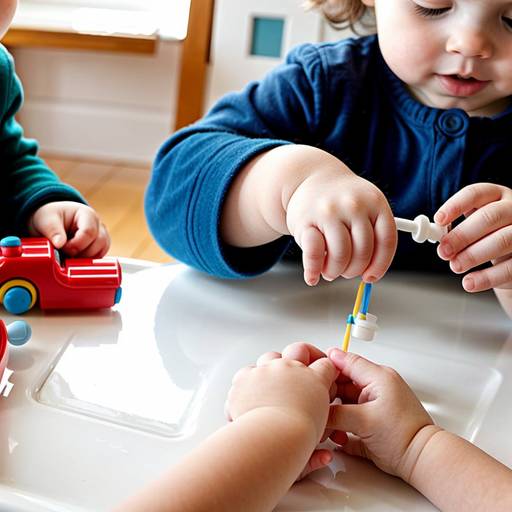
This lesson plan focuses on enhancing fine motor skills in infants aged 6 to 12 months through a series of engaging, hands-on activities. The session aims to promote hand-eye coordination, pincer grasp development, and grip strength while providing opportunities for sensory exploration and play.
The activities include stacking large beads or blocks, finger painting on large sheets of paper, and transferring objects between containers to encourage manipulation skills. Infants will also explore various textured fabrics and items, stimulating their tactile senses. Throughout the lesson, caregivers are encouraged to support and praise the infants, fostering a positive learning environment.
The lesson lasts for 30-45 minutes and incorporates both structured activities and free exploration, allowing infants to practice and develop their motor skills effectively. Observations during the activities will help assess individual progress, and adaptations are included to accommodate infants with varying abilities. Additionally, follow-up activities are suggested for caregivers to continue supporting fine motor development at home.

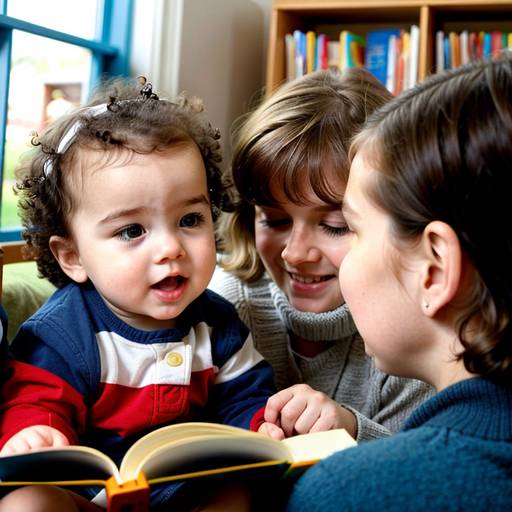
This lesson plan focuses on fostering early language development and reading readiness among infants aged 6-12 months through engaging and interactive activities. The session begins with a welcoming song to create an inviting atmosphere, followed by a story time exploration using colorful board books to promote auditory engagement and vocabulary building.
Infants and their caregivers participate in a rhymes and song session incorporating actions, enhancing auditory discrimination and bonding. Picture card play encourages recognition of familiar objects, allowing infants to point and mimic sounds associated with the images. Sensory book exploration provides opportunities for tactile engagement with fabric books, promoting curiosity and attachment to print.
The lesson concludes with a calming session where caregivers share reflections on the activities, reinforcing the importance of reading at home. Caregivers receive resources to support language development beyond the session, with encouragement to continue fostering their child's love for books and language. Throughout the plan, observation of infants' engagement and caregiver involvement is key to assessing the effectiveness of the activities.
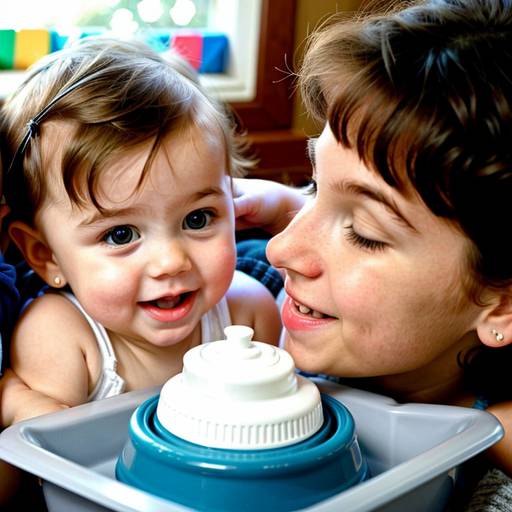
This lesson plan focuses on enhancing bonding experiences for infants and their caregivers through engaging play and interactive activities. The session begins with a warm welcome, followed by a lively circle time featuring movement-based songs that promote eye contact and connection.
Participants then rotate through several play stations, including sensory exploration with various toys, musical instrument experiences, bubble play for tracking skills, and storytime with picture books. Each activity encourages caregivers to engage with their infants, fostering emotional connections.
The session concludes with a group reflection where caregivers share their insights and observations about their infants' reactions, reinforcing the importance of interaction. Finally, caregivers receive take-home suggestions for continuing bonding activities, creating a supportive environment for nurturing early social skills. The overall aim is to strengthen the emotional ties between infants and their caregivers through joyful, shared experiences.
This lesson plan focuses on introducing 3rd-grade students to multimedia creation and digital storytelling. Over two sessions, students will explore the components of multimedia, including text, images, and sound, and learn how to use a digital storytelling tool like Google Slides, PowerPoint, or Canva. In the first session, students will discuss the importance of multimedia in storytelling and work in groups to brainstorm and outline their stories.
In the second session, students will collaborate to create their digital stories using the chosen tool, incorporating various multimedia elements. They will then present their completed projects to the class, allowing them to practice public speaking and engage with their peers through a question-and-answer session. The lesson emphasizes creativity, collaboration, and the development of technological skills, providing students with a comprehensive understanding of digital storytelling. Assessment includes observing group participation and evaluating the presentations based on creativity and clarity. Extensions encourage students to reflect on their learning and explore further multimedia options at home.
This lesson plan focuses on enhancing toddlers' narrative skills through interactive storytelling activities. In a 30-minute session, children will engage with picture books, building their understanding of story structure by identifying elements such as the beginning, middle, and end. The session begins with a read-aloud, where the teacher uses expressive voices to maintain engagement and encourages discussion about the story. Following the reading, toddlers will retell the story using visual story cards and puppets, fostering their verbal expression and comprehension. To promote creativity, children will draw their favorite part of the story or invent their own narratives, sharing them with the group. The lesson concludes with a celebration of each child's unique contributions, reinforcing the value of storytelling and imagination. Assessment will be based on participation, engagement, and verbal expression throughout the activities. A follow-up activity encourages family involvement in storytelling at home.