
Filters
Level
Grade
Subject
Subject Area
Subject Topic
Standard(s)
Audience
Keyword
DurationMinutes
Lesson Plans
This 5th-grade technology lesson focuses on teaching students the importance of internet safety and privacy, particularly regarding their online presence. Over the course of an hour, students will be introduced to concepts such as digital footprints and the significance of managing privacy settings on various social media platforms. The lesson includes a mix of direct instruction, small group activities, and peer presentations, where students will research and discuss privacy settings for assigned platforms. Each student will also complete an Internet Safety Checklist based on their findings. To reinforce their understanding, students will create a personal Internet Safety Plan as a homework assignment. The goal is to equip students with the skills and knowledge necessary to navigate the digital world responsibly and to encourage safe practices in their online interactions.
This lesson plan is designed for 5th-grade students to develop essential internet skills and email etiquette over two class periods. The first day focuses on understanding internet safety, where students engage in a brainstorming session, learn about maintaining privacy, recognizing trustworthy websites, and the importance of strong passwords. They participate in a group activity that involves identifying safe versus unsafe websites.
On the second day, the focus shifts to email etiquette. Students discuss what makes an effective email and learn about key components such as subject lines, greetings, body content, and proper closings. Following this, they compose a sample email to a fictional teacher, practicing the etiquette guidelines. Partner feedback is incorporated to enhance learning. The culmination of the lesson includes a homework assignment where students send a thank-you email to a family member or teacher, reinforcing the skills they've acquired.
Assessment is based on participation, the quality of the emails composed in class, and the homework assignment. Extension activities encourage the creation of digital posters on internet safety or email etiquette, further engaging students in their learning process. Overall, this plan aims to provide students with a strong foundation in navigating the digital world responsibly and effectively.
In this 50-minute technology lesson for 5th graders, students will explore the concept of digital citizenship and learn essential online safety practices. The lesson begins with an engagement activity that prompts students to define digital citizenship and discuss their responsibilities in the digital world. A presentation will follow, featuring a short video that highlights important topics such as personal information protection, recognizing reliable sources, dealing with cyberbullying, and understanding digital footprints.
Students will then participate in group activities where they analyze real-world online scenarios, discussing potential challenges and crafting solutions for each situation. Each group will present their findings to the class, fostering a collaborative learning environment. The lesson concludes with students reflecting on what they learned and taking home a checklist of online safety tips to reinforce the importance of safe online interactions.
Assessment will be based on observations during group discussions and presentations, as well as individual reflections on online safety practices. Extensions include creating informational posters on digital citizenship and planning future lessons that delve deeper into aspects like password management and evaluating the credibility of websites.
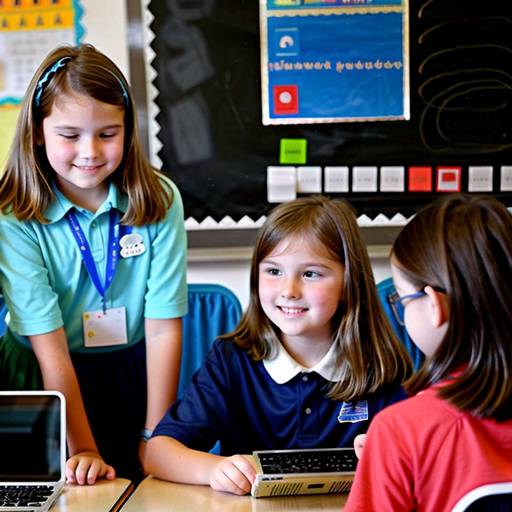
This comprehensive lesson plan is designed for third-grade students to teach essential internet skills and the concept of netiquette. It begins by engaging students in discussing their online activities and the importance of using the internet safely. Key safety tips are introduced, emphasizing the need to protect personal information and use strong passwords.
The lesson then transitions into the principles of netiquette, explaining why respectful and polite communication is crucial in digital interactions. Students participate in a group activity where they analyze different online scenarios and develop appropriate responses that demonstrate netiquette.
The lesson concludes with a recap of the key points about internet safety and netiquette, along with printed materials for students to take home. Optional extension activities could involve inviting a guest speaker or facilitating further discussions about digital citizenship. Throughout the plan, assessment is based on student participation and their ability to apply what they have learned.
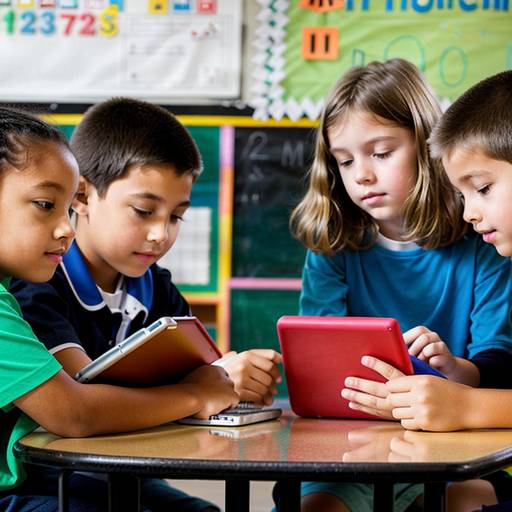
This 2nd-grade technology lesson focuses on understanding the internet and the importance of internet safety. Students will explore what the internet is, discussing its uses and benefits in a relatable manner. The lesson emphasizes key safety practices, such as not sharing personal information and notifying an adult if something feels uncomfortable, through interactive discussions and a scenario identification game.
Students will then engage in an online exploration activity using a pre-selected educational website, allowing them to practice safe navigation under guidance. To reinforce their learning, they will create drawings or write sentences reflecting their understanding of internet safety. The lesson concludes with a recap and a Q&A session to clarify any uncertainties. Overall, the lesson aims to equip students with foundational internet skills while prioritizing their safety in the digital world.


This lesson plan focuses on developing problem-solving and social skills among toddlers through engaging activities and collaborative play. The session begins with a circle time discussion using an illustrated storybook about animals facing friendship challenges to set the theme. Children explore various scenarios using illustrated cards that depict common social dilemmas, and they engage in small group activities where they role-play these situations with plush animals and blocks.
Each group collaborates to come up with solutions, promoting communication and empathy as they discuss how the animals might feel and what actions they can take. Following this interactive activity, children reflect on their experiences by drawing their favorite animal from the scenarios, encouraging creative expression while reinforcing the lessons learned. The session concludes with a closing circle where children share their activities and insights, further solidifying their understanding of cooperation and support in friendships. Throughout the lesson, the emphasis is placed on verbal communication, empathy, and teamwork, providing a foundational experience in social skills for young learners.
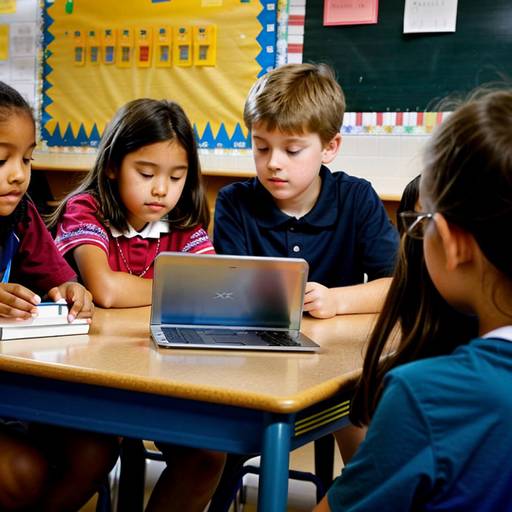
In this 3rd-grade technology lesson, students will learn essential Internet skills and the basics of using search engines. The lesson begins with a discussion about students' online experiences and introduces key vocabulary such as "Internet," "search engine," and "keywords." Through a mini-lesson, students will understand how search engines function and practice entering search queries to find information. They will then engage in a guided practice session where they explore a sample question as a class. Following this, students will participate in an independent scavenger hunt activity where they answer specific questions using a search engine, honing their ability to use keywords and analyze search results. The lesson concludes with a review of their findings and a reflection on what they learned about efficient online searching and the importance of selecting trustworthy sources. The plan includes provisions for assessment, adaptations for diverse learners, and potential extensions for advanced students.
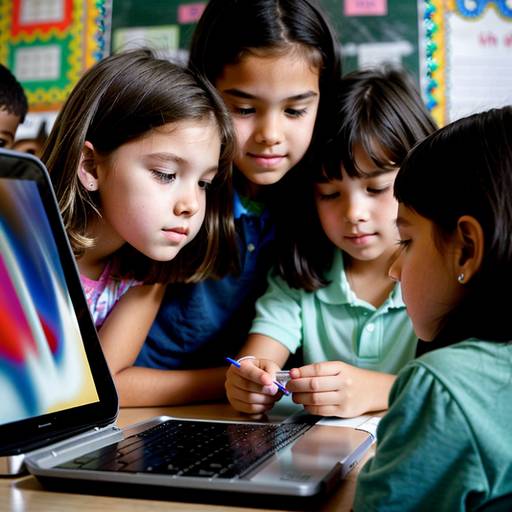
This lesson plan focuses on teaching 1st-grade students essential Internet skills and safety practices. It begins with an engaging discussion about their experiences with the Internet, followed by an introduction to what the Internet is and its uses. The instructor presents key concepts of Internet safety, including the importance of not sharing personal information and seeking help from adults when needed. A read-aloud story reinforces these concepts, making them relatable and easy to understand.
Students participate in a group discussion about safety tips and complete a worksheet activity where they color and draw their favorite Internet safety practices. The lesson concludes with a review of key points and an encouragement for students to ask questions. Assessment is based on student participation and worksheet completion.
Extension activities include creating a class Internet Safety poster and exploring online games that teach safe Internet behaviors. The instructor is encouraged to reflect on the lesson’s effectiveness and student engagement to improve future lessons. Overall, this lesson aims to equip young learners with the knowledge they need to navigate the Internet safely.
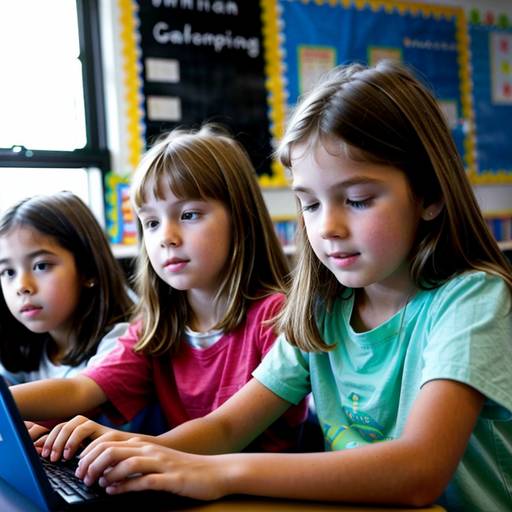
In this 1st Grade technology lesson, students will explore the fundamentals of digital citizenship and online safety. The class begins with a warm-up discussion about their favorite online activities and what makes them feel safe online. Following this, a storybook focused on online safety will be read to highlight the importance of not sharing personal information, consulting trusted adults, and recognizing safe websites.
Students will then engage in a group activity where they will categorize scenario cards depicting various online situations into "Safe" and "Unsafe." This exercise will reinforce their understanding of appropriate online behavior. The lesson includes an interactive component, where students will evaluate various websites displayed on a Smartboard, sharing their thoughts on whether each site is safe or unsafe.
To conclude, the teacher will summarize the key points learned about online safety, emphasizing the significance of privacy and kindness in digital interactions. As homework, students will complete a worksheet designed to reinforce the topics discussed and involve their families in a conversation about online safety. The lesson will be assessed based on participation, completion of the worksheet, and group discussions.
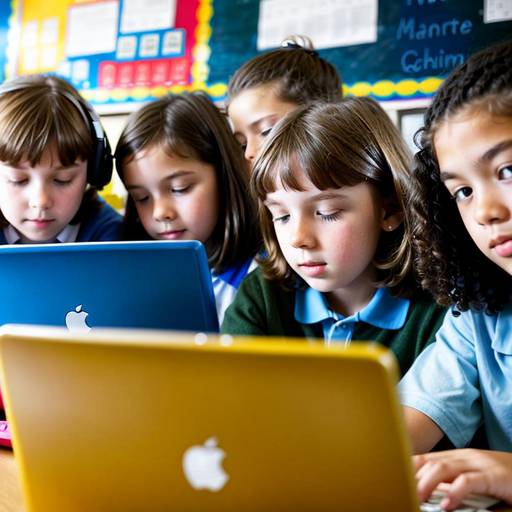
In this 4th-grade technology lesson, students will learn essential internet skills and search engine basics to enhance their online research abilities. The session will begin with a discussion about the internet and the role of search engines, followed by an explanation of how search engines operate and the importance of using effective keywords. Students will engage in a hands-on activity where they practice using a search engine to find information on specific topics, focusing on constructing keyword phrases for better search results. They will also learn how to evaluate the reliability of sources based on criteria such as author credibility, publication date, and website domain. The lesson will culminate in an independent practice session where students find a specific fact, record the source URL, and discuss the reliability of their findings with a partner. The class will close with a recap of the key concepts taught, emphasizing the importance of using trustworthy information for research projects. The teacher will assess student understanding through participation and the accuracy of their source evaluations. Extensions will be provided for students who finish early, fostering an environment of exploration and discovery in their online research skills.