
Filters
Level
Grade
Subject
Subject Area
Subject Topic
Standard(s)
Audience
Keyword
DurationMinutes
Lesson Plans
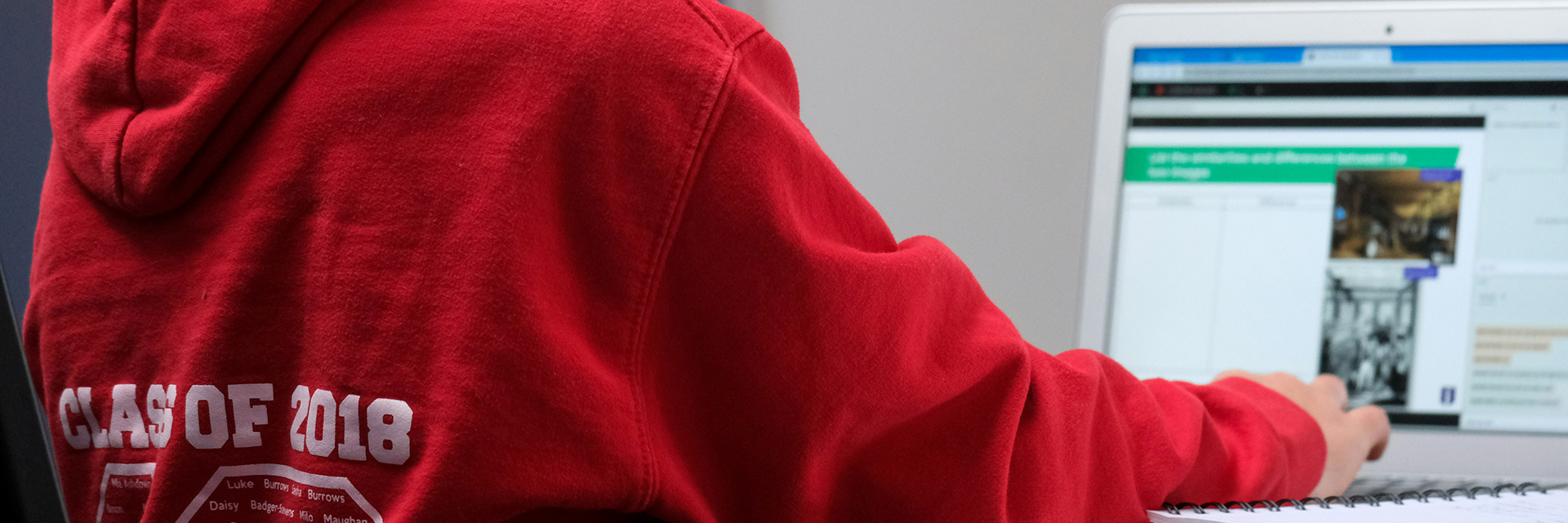

In this 60-minute lesson plan for 4th-grade students, participants will explore essential internet skills and email etiquette. The lesson begins with an engaging discussion about the internet and its significance in daily life, highlighting the importance of online safety and responsible usage.
Students will learn about key internet safety tips and the components of an email, including the “To,” “Subject,” “Body,” and “Signature.” Special emphasis is placed on proper email etiquette, covering aspects such as clear subject lines, polite language, and proofreading.
After receiving direct instruction, students will participate in guided practice by drafting an email based on a given scenario, applying the etiquette rules discussed. They will then independently send a friendly email to a classmate, incorporating a fun fact about themselves. The lesson concludes with a recap of key concepts, a question-and-answer session, and an exit ticket where students share their takeaways on internet safety and email etiquette.
Assessment will be based on participation during activities, the quality of emails sent, and feedback provided through the exit tickets. The lesson aims to equip students with important skills for navigating the digital world safely and effectively. Extensions for further learning include researching current events and introducing basic coding concepts in subsequent lessons.
In this 4th-grade technology lesson, students will develop essential internet skills and improve their online research abilities. The session begins with a discussion about internet usage, emphasizing the significance of reliable sources. Students will learn how to utilize search engines effectively through a live demonstration, focusing on crafting appropriate queries to find information.
The lesson includes an introduction to evaluating the credibility of websites using a checklist, which helps students distinguish trustworthy content from unreliable sources. In a hands-on group activity, students will research assigned topics, applying the skills they’ve learned while collaborating with peers.
Finally, students will present their findings to the class, showcasing their understanding of the information and highlighting reliable sources used in their research. Through observation and group presentations, the instructor will assess students' participation and comprehension. This lesson not only enhances digital literacy but also fosters critical thinking and collaboration among students.

In this 4th-grade technology lesson, students will focus on essential internet skills and the importance of netiquette. The lesson begins with a discussion that encourages students to share their knowledge about the internet, followed by an introduction to safe navigation and evaluating online sources. Key rules of netiquette are presented, emphasizing respectful communication, thinking before posting, and protecting personal privacy.
Students will engage in guided group activities where they analyze scenarios related to online interactions and develop appropriate responses using netiquette principles. This collaborative activity encourages problem-solving and peer-to-peer learning. For independent practice, students will create colorful posters highlighting three netiquette rules they consider most important, allowing them to express their creativity while reinforcing the lesson's core concepts.
The session concludes with a review of what was learned, providing an opportunity for students to share their reflections on netiquette. Assessment will be based on participation in discussions, group activities, and the creativity and understanding demonstrated in their posters. Opportunities for extension activities are also provided, encouraging students to reflect on their online experiences and practice their communication skills further. Overall, the lesson aims to equip students with vital skills for navigating the digital world safely and respectfully.

This lesson for 4th-grade students focuses on essential internet skills, particularly emphasizing privacy settings and online safety. Students will learn what personal information is, the significance of protecting it, and how to navigate the online world responsibly. The lesson begins with a discussion about students’ online activities, followed by a demonstration of privacy settings on popular platforms. Students will assess safe versus unsafe online behaviors through interactive scenarios.
In a group activity, students will create personal online safety plans, outlining rules for internet use, adjustments to privacy settings, and trusted individuals to contact when facing uncomfortable situations online. The class will conclude with a review of key concepts and encourage students to reflect on their learning by writing down insights and questions on sticky notes.
Assessment will be based on worksheet responses, group participation, and reflection notes. Adaptations will be provided for students needing extra support or those looking for more advanced challenges. By the end of the lesson, students will be equipped with the knowledge and skills to navigate the internet safely and protect their personal information.

This 4th-grade technology lesson focuses on shaping students' understanding of digital citizenship and online safety. Over the course of 60 minutes, students will engage in discussions about what it means to be a responsible digital citizen, covering topics such as online safety, protecting personal information, and respectful communication. The lesson includes a video introduction, group activities involving role-playing scenarios of positive and negative online behaviors, and an interactive quiz to assess comprehension.
Students will learn essential online safety tips, collaborate in small groups to create skits, and participate in a reflection discussion to share newfound knowledge. By the end of the lesson, they will not only grasp the significance of digital citizenship but also commit to applying these principles in their online interactions. The plan also includes opportunities for differentiation to support varied learning needs and suggests follow-up activities to reinforce the concepts learned. Overall, this lesson aims to empower students with the knowledge and skills necessary for safe and responsible internet use.
This technology lesson plan for 5th-grade students focuses on enhancing their internet skills while emphasizing the importance of online safety. The session begins with a warm-up discussion about how students use the internet and the significance of safe practices. Students then engage in a group activity where they evaluate a selection of credible and non-credible websites using a provided checklist. Following this, they participate in role-playing scenarios that highlight safe behaviors and responsible online conduct. The lesson concludes with a review of key points, the distribution of an internet safety tips handout, and a Q&A session for further clarification. Assessment is based on group participation and an exit ticket reflecting their learning. Extensions include the creation of safety posters and reflection assignments, with adaptations available for students requiring additional support. The lesson aims to equip students with practical skills to navigate the digital world safely and confidently.
This lesson plan focuses on teaching 5th-grade students the essential concepts of digital citizenship and the importance of privacy protection in their online interactions. The lesson begins with engaging discussions about technology's role in their lives and introduces the idea of digital footprints and responsible online behavior.
Students will learn about key topics such as privacy settings, personal information, and safe online sharing practices through a direct instruction segment and group activities. In small groups, they will analyze different scenarios involving personal information sharing, enhancing their decision-making skills on what to share and what to keep private.
To reinforce their learning, students will create a Personal Privacy Protection Plan, outlining strategies for safeguarding their online presence. The lesson concludes with reflections on digital citizenship, encouraging students to discuss their privacy plans with their families. Overall, this lesson aims to equip students with the knowledge and tools they need to navigate the digital world safely and responsibly.
In this 5th-grade technology lesson, students explore the concepts of digital citizenship and digital footprints. The lesson begins with an engaging discussion to gather students' initial thoughts on digital footprints, followed by a video presentation that explains these concepts in detail. Students participate in group activities where they analyze various scenarios that illustrate online behaviors and their impacts on digital footprints. They work collaboratively to identify ways to maintain a positive digital presence and then present their findings to the class. The lesson concludes with reflections on their learning and an exit ticket activity where students commit to one actionable step to improve their online behavior. This comprehensive lesson aims to equip students with the knowledge and skills needed to navigate the digital world responsibly.
This 5th-grade technology lesson focuses on educating students about digital citizenship and cyberbullying awareness. The objectives include defining digital citizenship, understanding cyberbullying and its impact, demonstrating proper online behavior, and creating personal action plans to foster positive digital interactions.
The lesson begins with a discussion on what it means to be a good friend, transitioning into the importance of being a responsible digital citizen. Students engage in group activities where they analyze scenarios related to cyberbullying, followed by a class discussion on the effects of harmful online behavior. They then create personal action plans outlining how they will promote kindness and respond to cyberbullying.
To conclude, students share their action plans, contributing to a collective "Digital Citizenship Pledge" poster, reinforcing the lesson's key points. The session emphasizes thinking critically about online actions and encourages respectful behavior, equipping students with the tools to navigate the digital world responsibly. Assessment includes observations during discussions and the collection of action plans to gauge understanding. Extensions could involve creating digital posters to raise awareness at the school level or inviting a guest speaker to discuss online safety in more depth.
This 5th-grade technology lesson focuses on teaching students essential internet skills and the importance of netiquette. Over the course of one hour, students will learn effective search techniques for finding reliable information online and understand how to communicate respectfully in digital environments. The lesson begins with discussions and definitions of key concepts, followed by direct instruction with a slide presentation and handouts.
Students will engage in guided practice by conducting online searches and participating in role-playing activities that illustrate appropriate online behavior. They’ll also write a paragraph demonstrating their understanding of netiquette rules, which they will share with a partner. The lesson concludes with a recap of learning points and a homework assignment that encourages students to apply these skills in real-world contexts. Throughout the lesson, student participation and understanding will be assessed through their written work and engagement in discussions.