
Filters
Level
Grade
Subject
Subject Area
Subject Topic
Standard(s)
Audience
Keyword
DurationMinutes
Lesson Plans

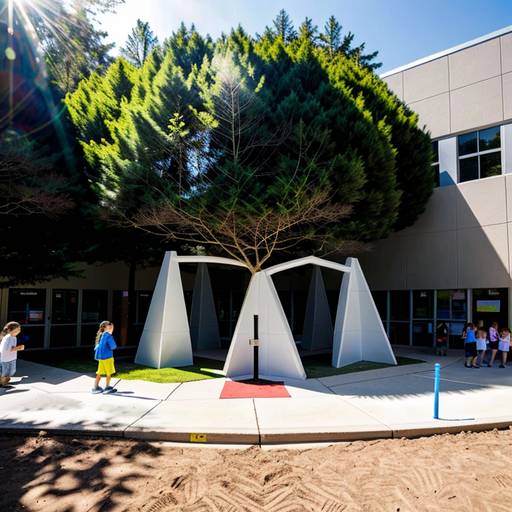
In this 1st-grade art lesson, students will engage in the exploration of sculpture using natural and recyclable materials. The lesson begins with a discussion about what sculpture is, highlighting its differences from other art forms and showcasing examples to inspire creativity. Students will then go outside to collect a variety of materials, emphasizing the shapes and textures found in nature.
After gathering their materials, students will brainstorm and sketch designs for their sculptures, considering how to combine different elements. They will then participate in a hands-on sculpting activity, building their creations using the collected materials and adhering to their designs. Throughout the activity, the teacher will provide guidance and support.
Finally, students will share their finished sculptures with the class, describing their inspiration and the materials used. This reflective and sharing component encourages critical thinking and peer interaction. Assessment will focus on creativity, engagement during the process, and participation in the discussion. Extensions could include organizing an exhibition for the sculptures, exploring other artists who use similar materials, or incorporating writing activities inspired by their creations.

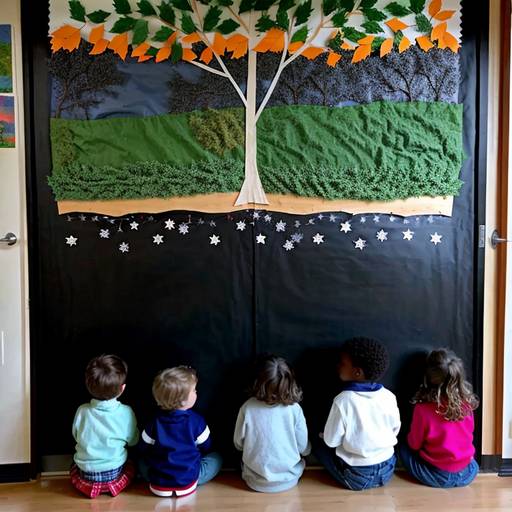
In this preschool art lesson, children will explore the themes of nature and the seasons through visual arts. The session begins with a brief discussion about the four seasons, encouraging students to share their observations and feelings related to each season. After an engaging story or poem highlighting seasonal elements, students will be divided into groups, each focusing on a specific season. Using construction paper and natural materials relevant to their assigned season, they will collaboratively create seasonal representations. Following this group activity, each child will have the chance to create their individual artwork inspired by their favorite season, utilizing various art supplies such as watercolors, crayons, and markers. At the end of the session, students will share their creations with the group, reflecting on their inspirations and experiences throughout the lesson. The session concludes with a clean-up, fostering a sense of responsibility for their learning environment. Assessment will focus on collaboration, creativity, and engagement during discussions and activities, rather than artistic skill. Possible extensions include nature walks for collecting materials and integrating scientific discussions about seasonal changes in the environment.

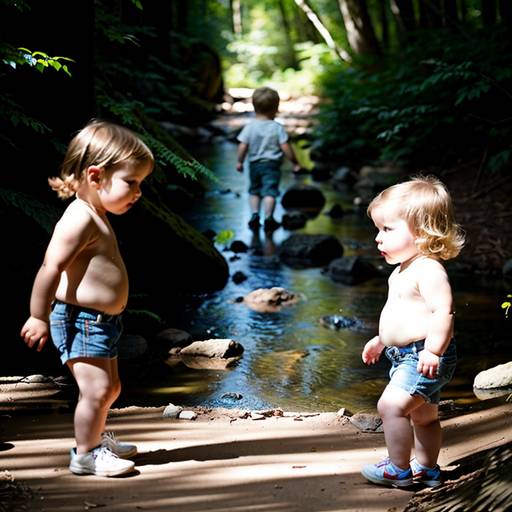
This engaging lesson plan for toddlers focuses on sensory exploration of natural materials, encouraging curiosity about textures and sounds in the environment. The session begins with a welcoming circle where children share their observations of nature and discuss their senses.
The main activity features sensory bins filled with various textures such as sand, water, and rice, allowing children to touch and manipulate materials while developing fine motor skills. A short nature walk encourages children to collect small natural items, fostering discussions about their tactile and auditory experiences.
Following this, an art activity invites children to draw their favorite items from the exploration, reinforcing their sensory experiences through creative expression. The lesson concludes with a sharing circle where children reflect on what they learned, promoting communication and language development. Cleanup includes discussions about each material's properties, encouraging mindfulness about nature. The lesson can be adapted to expand on children's interests and can be enriched with storytelling or observations of seasonal changes in nature.
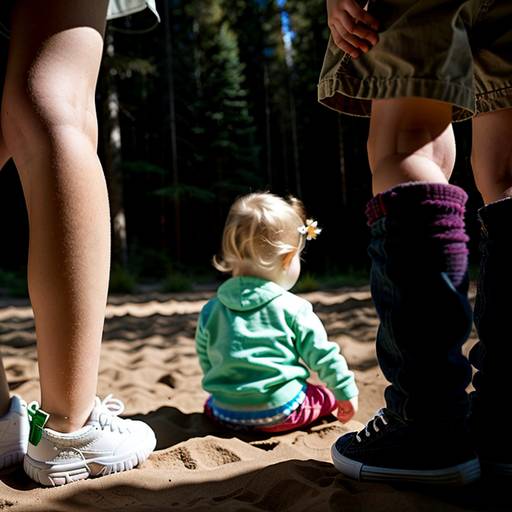
This lesson plan focuses on engaging toddlers in sensory play by exploring various natural materials found outdoors. It begins with a nature walk, allowing children to collect different items such as leaves, twigs, and stones while discussing their textures and characteristics. Back in the classroom, sensory bins filled with these natural materials encourage open exploration and tactile interaction. Children use their hands to feel and manipulate the items, as well as magnifying glasses to examine details closely. The lesson culminates with a creative expression activity where children make nature art using the materials they've gathered. Afterward, a reflection discussion allows children to share their experiences and favorite discoveries. The plan emphasizes skill development, sensory awareness, and fostering a connection with nature, while providing an opportunity for creative expression and teamwork. Extensions include a nature-themed storytime and potential planting activities to deepen the learning experience.
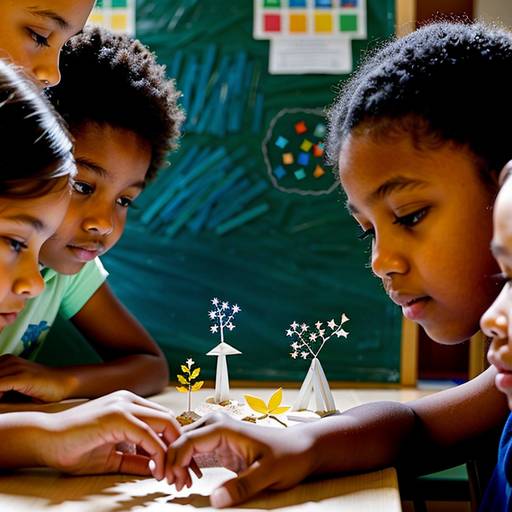
In this 3rd-grade art lesson, students will explore the concept of sculpture by creating their own 3D artworks using natural and organic materials. The lesson begins with a discussion about sculptures and various forms of 3D art, supported by examples to inspire creativity. Following a demonstration of basic sculpting techniques, students will construct their sculptures using materials such as twigs, leaves, stones, and pinecones, encouraged to think about form, balance, and texture.
After their creations are complete, students will share their artworks with the class, explaining their inspirations and material choices. The lesson emphasizes creativity and engagement, with informal assessments based on participation and the use of materials. Extensions include nature walks for gathering additional materials and discussions on famous sculptors, fostering a deeper appreciation for sculpture and natural art forms among students.
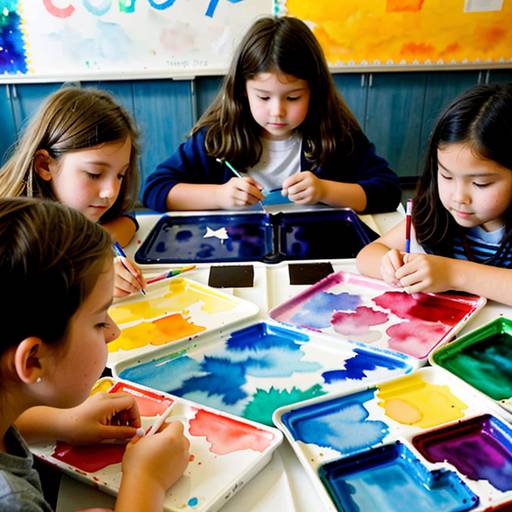
In this 5th-grade art lesson, students will explore the use of watercolor painting techniques inspired by nature. The class will begin with a discussion on watercolor as a medium and an overview of various techniques, including wet-on-wet, wet-on-dry, and methods for creating textures using salt and plastic wrap. Following a demonstration, students will sketch inspiration images from nature on their watercolor paper and apply the techniques learned to create their own artworks. As they work independently, the teacher will provide guidance and support. The lesson will conclude with a mini gallery walk, where students share their creations and the techniques they used. Assessment will focus on the application of techniques, creativity, and participation, with opportunities for extension through additional projects and exploration of famous watercolor artists.
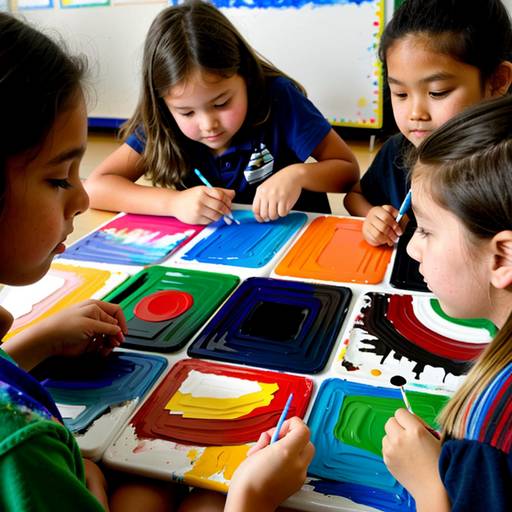
In this 4th-grade art lesson, students will explore various painting techniques and the use of color and texture, drawing inspiration from the natural world. The lesson begins with a discussion about how nature influences art, followed by a demonstration of techniques such as wet-on-wet and dry brushing.
Students will then engage in a color mixing activity to create their own "nature palette" and experiment with natural materials to add texture to their work. For the main project, each student will create an individual painting inspired by a natural scene while incorporating at least two techniques from the demonstration.
The lesson concludes with a gallery walk, where students can share their artwork and reflect on their processes and inspirations. Assessment will be based on their engagement with the techniques and the creativity displayed in their paintings. Extensions include writing a reflection on their artwork and the option for outdoor painting sessions in the future. The lesson promotes artistic expression, collaboration, and appreciation of the beauty found in nature.
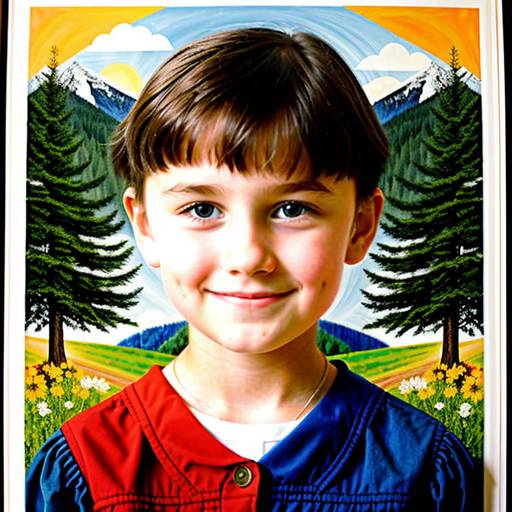
In this 1st-grade art lesson, students explore the art technique of collage by creating their own unique compositions using various materials. The lesson begins with an introduction to collages, including discussions and visual examples to stimulate students' interest and understanding. Following this, students engage in hands-on exploration of magazines and natural items, practicing their cutting and arranging skills while focusing on shapes and textures.
During the main activity, each student assembles their chosen materials onto a large sheet of paper, carefully arranging their cut-outs before gluing them down. Throughout the process, the teacher provides guidance and feedback, encouraging creative choices.
The lesson concludes with a reflection and sharing session, where students discuss their work with peers, promoting communication and collaboration. A clean-up period ensures that materials are organized for future use. Assessment is based on observation of students' engagement and creativity, with opportunities for extension through display and class publications of their artwork. This lesson fosters artistic expression, fine motor skills, and camaraderie among students.

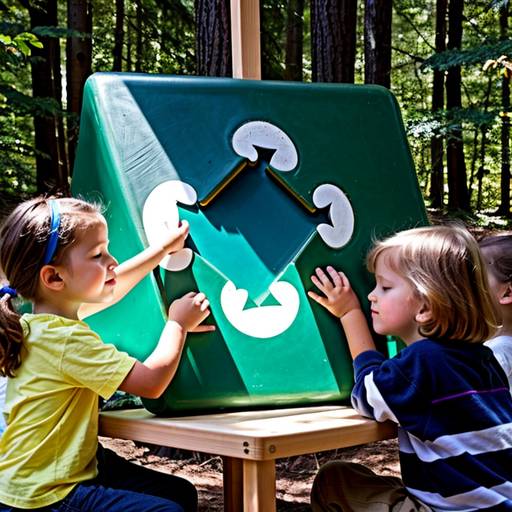
This preschool science lesson plan focuses on introducing young children to the environment and the interdependent relationships between plants and animals. The lesson begins with a group discussion about what the environment means to them, followed by an engaging story that illustrates these concepts. Students participate in a nature scavenger hunt to observe and collect various natural items, nurturing their curiosity and observational skills. After returning to the classroom, they use play-dough to create models of their favorite plants or animals, sharing their thoughts on how these entities contribute to the health of the environment. The session concludes with a review of the importance of eco-friendliness and a creative coloring activity. Assessment is informal, based on participation and discussions, while extension activities encourage further exploration and interaction with nature.
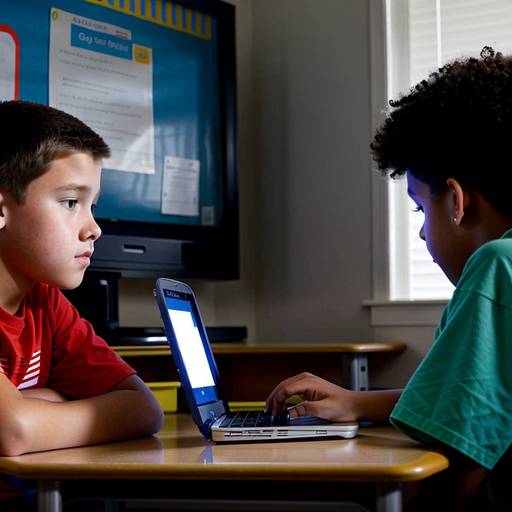
This lesson plan for 4th-grade students focuses on educating them about digital citizenship, privacy protection, and respectful online behavior. The lesson begins with a discussion to help students articulate their understanding of digital citizenship before watching a short video highlighting its importance.
Following the video, students participate in small group activities where they analyze various scenarios involving digital dilemmas, discussing solutions that exemplify good digital citizenship. To reinforce their learning, each student creates a poster outlining rights and responsibilities related to online behavior and privacy.
The session wraps up with a reflection on key concepts, encouraging students to consider how they will apply what they've learned to their own digital interactions. Assessment includes participation in discussions, the quality of the posters, and the ability to share insights during the wrap-up. Optional extensions encourage further exploration of privacy settings with parental guidance and the creation of digital projects to present in future classes. Overall, the lesson aims to equip students with the essential skills and knowledge to navigate the digital world safely and thoughtfully.