
Filters
Level
Grade
Subject
Subject Area
Subject Topic
Standard(s)
Audience
Keyword
DurationMinutes
Lesson Plans

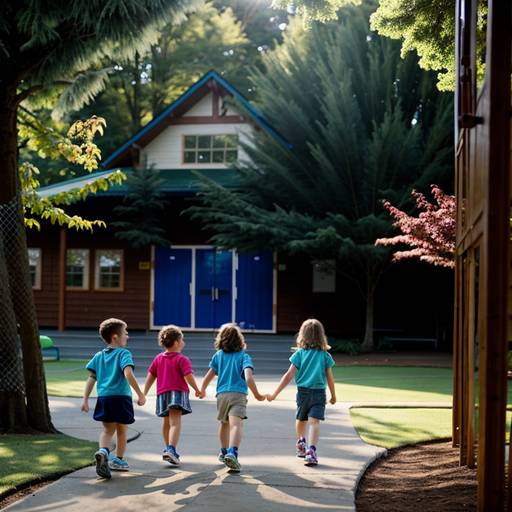
This 90-minute outdoor lesson plan for preschoolers focuses on promoting gross motor skills, coordination, and social interaction through active play in a natural environment. The session starts with an engaging introduction to get children excited about exploring and moving. After a brief warm-up involving stretches and animal movements, children participate in various activity stations designed to enhance their physical abilities.
Stations include hula hoop hopping, ball tossing, jump rope play, and nature exploration using magnifying glasses to discover their surroundings. A group game encourages teamwork and cooperative play, followed by a snack and rest period on picnic blankets, where children can share their experiences. The lesson concludes with a closing circle to reflect on what they learned and to emphasize the value of outdoor play and nature exploration. Safety precautions are observed throughout, ensuring a fun and secure environment for all participants.

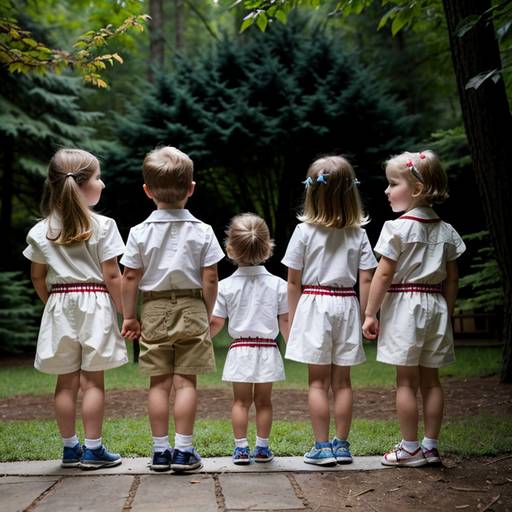
This lesson plan focuses on engaging toddlers in hands-on exploration and creativity using natural materials. It begins with a circle time where children listen to a nature-themed story to foster curiosity about the environment. Afterward, a guided nature walk allows them to observe and collect various outdoor items, enhancing their observational skills.
Back in the crafting area, children use the collected materials to create their own collages or sculptures on a paper plate or cardboard base, facilitated by encouraging questions and support. Finally, the children showcase their artwork in a mini gallery walk and share their creations, promoting language development and self-expression. The activity emphasizes appreciation for nature while developing fine motor skills, creativity, and understanding of the world around them. Extension activities offer opportunities for further exploration and artistic expression based on seasonal themes.

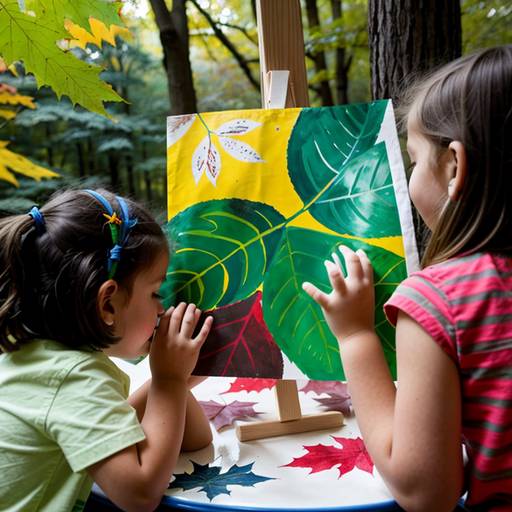
This 45-minute art lesson for preschoolers focuses on exploring the beauty of nature through leaf printing. Children will engage in a discussion about leaves, their colors, and where they can be found, using visual aids like nature books to enhance understanding. After a demonstration on how to paint leaves and create prints, students will participate in a hands-on activity where they will paint and print various leaves on large sheets of construction paper. The lesson encourages creativity and experimentation with colors and shapes while developing fine motor skills. Following the art activity, students will assist in clean-up and have the opportunity to share their creations with peers, fostering communication and a sense of community. The lesson may also include an extension activity involving a nature walk to collect leaves for future projects, further connecting the art experience to the outdoors.
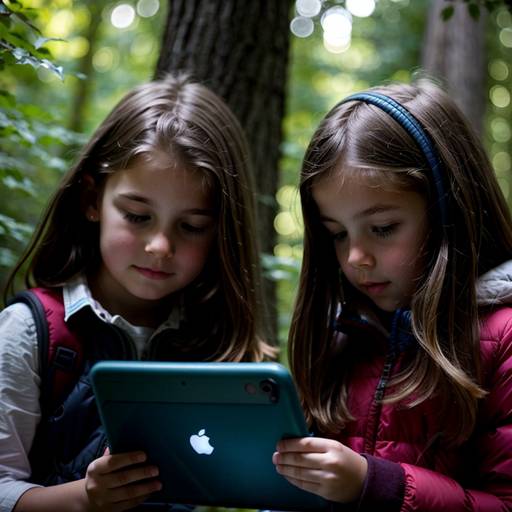
In this preschool lesson plan, students will explore the relationship between technology and nature through engaging, hands-on activities. The lesson begins with a group discussion about nature and technology, setting the stage for an outdoor adventure. Students will participate in a nature scavenger hunt, using printed lists to find and observe various plants and animals, while utilizing tablets or smartphones to capture images of their discoveries.
Upon returning to the classroom, students will create a digital nature journal by selecting their favorite photos and sharing their observations with the class. To further reinforce their learning, they will then craft a nature collage using the pictures they've taken, along with various art supplies. The lesson concludes with a reflection session, encouraging students to share what they learned and how technology can enhance their understanding of the natural world. Evaluation will focus on the students' engagement and their ability to articulate their experiences during the activities.

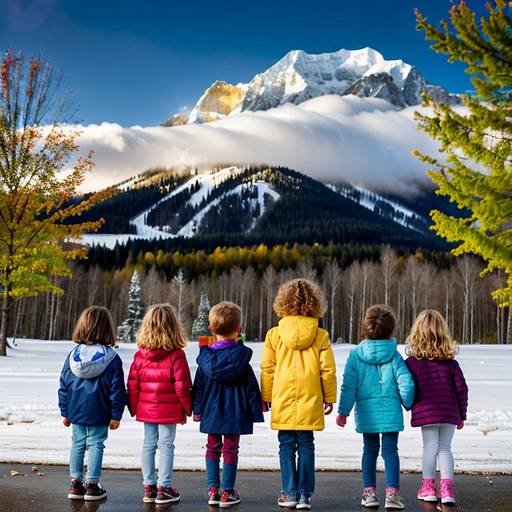
This preschool science lesson focuses on exploring the four seasons and the various types of weather associated with each season. Students engage in a series of interactive activities designed to help them observe and understand seasonal changes. The lesson begins with a circle time discussion, where children analyze seasonal pictures and discuss the visual and sensory aspects of each season. They then participate in a hands-on activity, creating “Weather in a Jar” for each season using items like cotton balls for snow, flower petals for spring, and pinecones for fall.
Next, students engage in a fun movement activity by singing a weather-themed song that incorporates actions representing different weather conditions. The lesson wraps up with a group discussion, allowing students to share their creations and reflect on their favorite season and why.
Assessment is based on participation in discussions and activities, along with their ability to identify different seasons and associated weather. Optional extension activities encourage further exploration of nature and weather concepts at home and in the community. Overall, this lesson aims to instill an appreciation for nature's changes and the impact of weather on daily life in young learners.
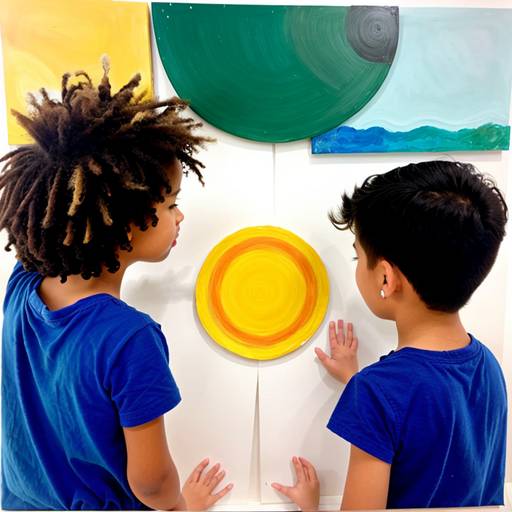
In this preschool art lesson plan, students will dive into the world of mixed media by creating nature-inspired artworks. The activity begins with a discussion about mixed media and an optional nature walk to collect natural materials. Each child will paint a colorful background on canvas or cardstock, and once dry, they will explore their creativity by gluing the gathered natural items onto their artwork. Additionally, they will use markers or crayons to add personal touches. The lesson emphasizes sensory exploration, fine motor skills, and self-expression, culminating in a gallery walk where children can share their creations with peers. Cleanup and reflection are integrated into the session, reinforcing a collaborative and interactive learning environment. Assessments will focus on engagement and creativity, allowing educators to observe children’s development through artistic expression.

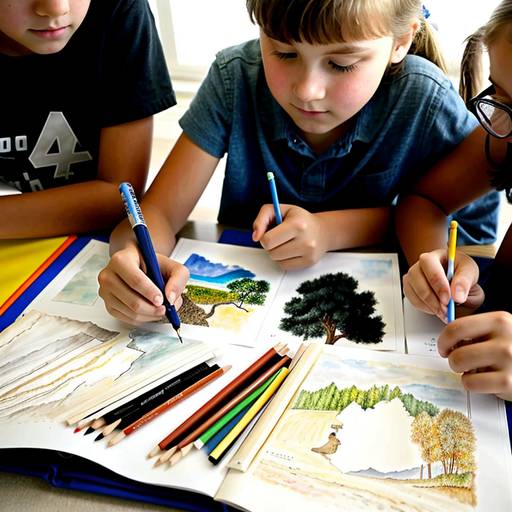
In this 4th-grade art lesson, students will explore the concept of texture through observational drawing techniques. The lesson begins with a discussion about various textures found in nature, prompting students to describe tactile qualities using descriptive language. Following this introduction, the teacher demonstrates how to represent texture in drawing, using techniques such as shading and color application.
Students will then engage in guided practice, selecting a textured object from a collection to sketch, focusing on observation and technique. For the independent practice component, they will create a composite drawing that includes multiple textured elements arranged into a cohesive scene. The lesson concludes with a sharing session, allowing students to present their artwork and reflect on their learning experience regarding texture representation.
Assessment will be based on students' participation, effort, and application of learned techniques. An optional extension activity involves creating texture collages using mixed media to further enhance their artistic expression. Overall, this lesson fosters creativity while strengthening observation and drawing skills.
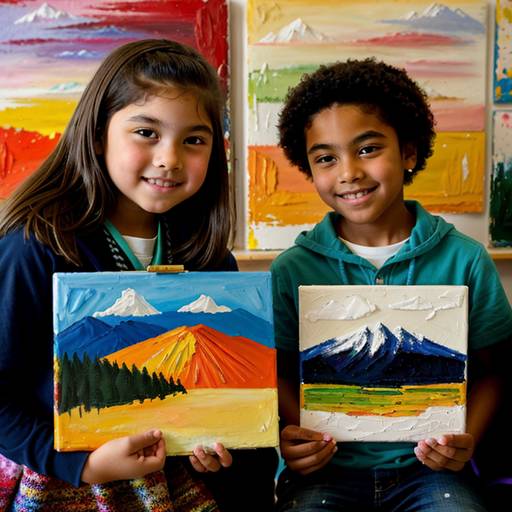
In this 3rd-grade art lesson plan, students will explore painting techniques and the concept of texture through a nature-inspired project. The session begins with a discussion about the colors and textures found in the natural world, encouraging students to connect their experiences with art. After a demonstration showcasing various painting techniques—including brush strokes, sponge application, and the use of natural objects—they will create their own artwork inspired by a scene from nature. Students will practice mixing colors and layering their paints while incorporating different textures into their compositions. The lesson culminates in a sharing session where students present their artwork to the class, reflecting on their creative choices and the techniques they employed. Assessment is based on individual creativity and the effective use of color and texture. Cleanup procedures ensure that the workspace is tidy before transitioning back to other classroom activities.
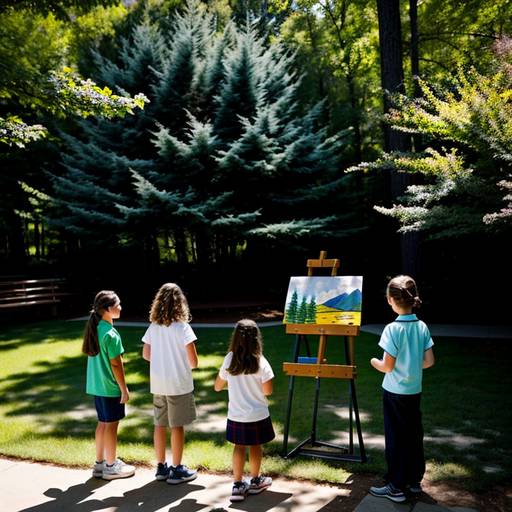
In this 2nd-grade art lesson, students will explore various drawing techniques inspired by the natural world. The lesson begins with a discussion about nature, where students can share their observations of shapes and colors found outside. A demonstration introduces basic drawing skills, such as outlining, shading, and texturing, which students will practice on scrap paper.
Following this, a nature walk allows students to collect small natural objects or observe their surroundings for inspiration. After returning to the classroom, students will create detailed drawings based on their observations, applying the techniques they've learned. They will enhance their artwork using colored pencils, crayons, and watercolor paints.
The lesson concludes with a sharing session, where students can display their creations and discuss their artistic processes. Assessment will focus on their participation, technique application, and ability to communicate their inspiration and experiences. An extension activity encourages students to keep a nature journal for ongoing exploration and creativity related to the outdoors.
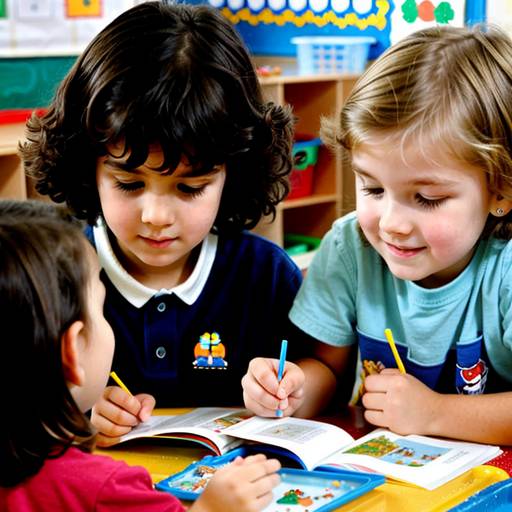
This preschool science lesson focuses on introducing young children to various animals and their natural habitats. The session begins with a group discussion where children share their knowledge of animals and identify their living environments. Following this, an interactive sorting activity allows students to categorize animal picture cards into three habitat boxes labeled "Land," "Water," and "Air," while discussing the characteristics of each habitat.
After a storytime featuring a nature-themed book, children engage in a creative drawing activity where they illustrate their favorite animal and its habitat, encouraging sharing and communication. If possible, an outdoor exploration encourages observation of wildlife and discussions about how animals adapt to their environments.
The lesson concludes with a collaborative activity where students place animal toys or puppets onto a large mat representing different animal habitats, fostering further discussion about each animal. Throughout the session, children are assessed through their participation and engagement in the activities, with opportunities for follow-up activities that reinforce their learning and appreciation of nature. This lesson promotes inquiry-based learning and fosters a connection to the natural world while encouraging creativity and cooperative learning among preschoolers.