
Filters
Level
Grade
Subject
Subject Area
Subject Topic
Standard(s)
Audience
Keyword
DurationMinutes
1st Grade Lesson Plans

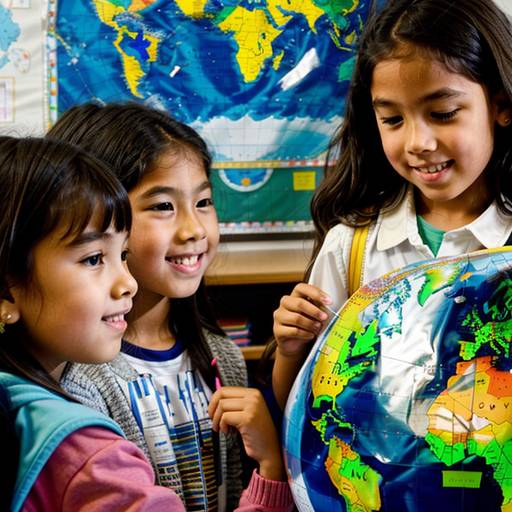
In this 1st grade social studies lesson, students will explore basic geographical concepts and the use of maps. The lesson begins with a discussion about maps and globes, allowing students to share their prior knowledge. Through direct instruction, they will learn about land, water, symbols, and the compass rose using a large world map.
During guided practice, students will work in pairs to identify and discuss symbols on printed maps. Following this, they will engage in a creative activity where they design their own simple maps of a room, incorporating recognizable symbols. The lesson concludes with students sharing their maps with the class, reflecting on what they learned by writing notes for a classroom display.
Assessment will be conducted through observation during activities and map collection for feedback. Additional extensions will be offered for students who quickly grasp the concepts, including creating treasure maps. The lesson aims to foster curiosity about geography and the importance of maps in understanding the world.

This first-grade lesson plan focuses on introducing students to the basic concepts of geometry, specifically related to lines and shapes. The lesson begins with a discussion to gauge students' prior knowledge about lines, followed by a demonstration of three types of lines: straight, curved, and zigzag. Students engage in identifying these lines through guided practice, including a "line hunt" around the classroom to find real-world examples.
As part of their independent practice, students create their own shapes using different types of lines, allowing for creativity and personal expression. They then share their shapes with partners to reinforce their understanding. The lesson concludes with a recap of the key concepts and an exit ticket activity, where students identify one line type and one shape they've created. Assessment is based on student participation, the shapes they create, and their exit ticket responses. Differentiation strategies are included to support various learners, and potential extensions encourage further exploration of geometry through technology and outdoor activities.

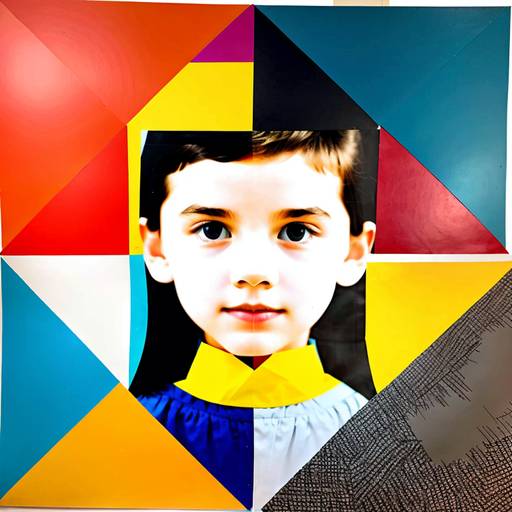
In this art lesson for 1st graders, students will explore the concept of collage by focusing on shapes and textures. The session begins with an introduction to collage and a discussion about the various shapes found in their environment. A demonstration follows, teaching students how to cut shapes from construction paper and magazines, as well as how to layer and glue these pieces together. After practicing cutting shapes, students will create their own unique collages, encouraging creativity and individual expression. Once completed, they will share their artwork with classmates, explaining the shapes and ideas behind their creations. The lesson emphasizes the understanding of basic art techniques and promotes artistic growth through hands-on experience. Cleanup time is designated to ensure a tidy workspace. Extensions are available for students who finish early, allowing for additional creative exploration.
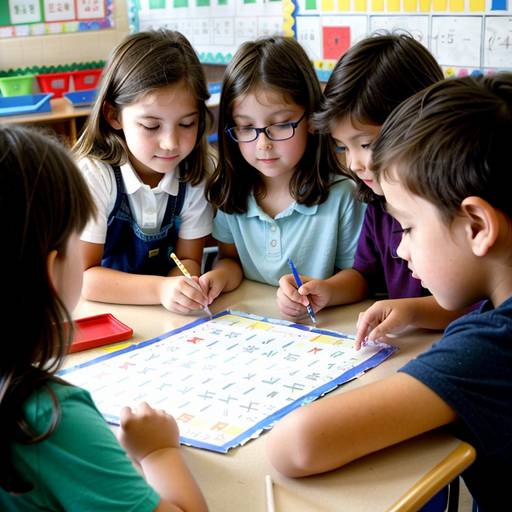
In this 1st-grade math lesson, students will explore the concept of addition with single-digit numbers through engaging activities and hands-on learning. The objective is to help students understand how to combine numbers and solve addition problems with sums up to 10.
The lesson begins with a group discussion, allowing students to share their prior knowledge of addition. The teacher will use a whiteboard to demonstrate addition problems, utilizing a number line and counters to visualize the process. After this direct instruction, students will engage in guided practice in small groups, using counters to solve a set of addition problems collaboratively.
Following guided practice, students will independently complete worksheets with single-digit addition problems, with access to manipulatives as needed. To reinforce learning, the class will participate in an interactive story time, where simple word problems are presented, and students will act out the solutions with their counters.
The lesson concludes with a review of key concepts and allows students to share their experiences, reinforcing their understanding. Assessment will be conducted through observation and worksheet review, with differentiation strategies in place to support diverse learning needs. Extensions, such as creating their own addition problems, will encourage further engagement and application of skills beyond the classroom setting.

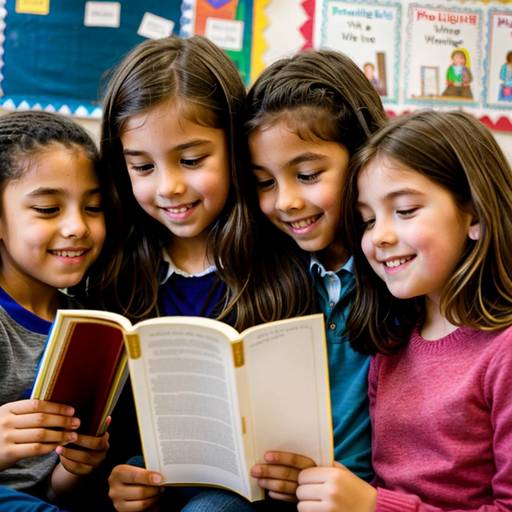
This 1st Grade Language Arts lesson focuses on enhancing students' reading comprehension skills by exploring key story elements, including characters, setting, and plot. The lesson begins with a discussion about the importance of stories and students' favorite books. A picture book is read aloud to the class, engaging students in interactive discussions where they answer questions about the story. Students then use a graphic organizer to visually map the story elements discussed. Following the read-aloud, students participate in a creative drawing activity where they illustrate one of the story elements, allowing them to express their understanding and creativity. The lesson concludes with a review and individual completion of the graphic organizer, assessing their comprehension and participation throughout the lesson. Opportunities for extension and differentiation are included to cater to varied learning needs.

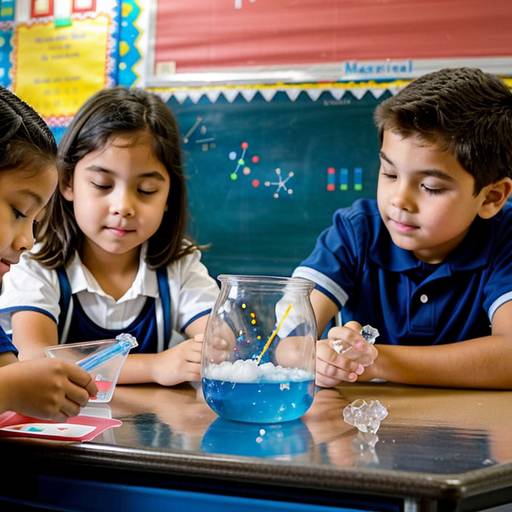
In this 1st-grade science lesson, students will explore the concept of matter and its three states: solids, liquids, and gases. The lesson begins with an introduction to matter, highlighting its definition and properties through visual aids and real-life examples. Students will engage in a discussion to classify various items as solid, liquid, or gas, sharing personal observations. They will then complete an interactive worksheet that reinforces their understanding of each state of matter.
For a hands-on experience, students will participate in a simple experiment, observing a clear cup of water and a balloon filled with air to see the characteristics of liquids and gases. The lesson will conclude with a recap and a sharing session, allowing students to express what they learned. The overall goal is to cultivate curiosity and foundational knowledge of matter through engaging discussions, activities, and personal exploration. An extension activity will encourage students to bring items from home to create a "Matter Museum" for further exploration and discussion in future classes.
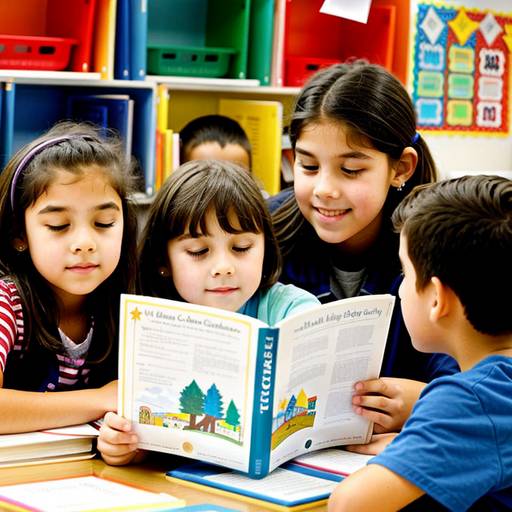
This 1st Grade Language Arts lesson focuses on introducing students to various reading genres, including fiction, non-fiction, poetry, and folk tales. The lesson begins with an engaging discussion where students share their favorite types of stories and learn the term "genre." Through read-alouds of selected picture books, students are exposed to the unique characteristics of each genre.
In guided practice, students work in small groups to categorize a selection of books according to their genres, and they present their findings to the class. For the independent activity, each student selects a favorite book and identifies its genre using sticky notes to contribute to a classroom genre chart. The lesson wraps up with a review of what students learned and encourages them to explore different genres in their reading.
Assessment includes observing participation, reviewing group classifications, and ensuring students successfully categorized their chosen books. Extensions and differentiation strategies are provided to cater to varying student needs and abilities, fostering a rich understanding and appreciation for the diverse world of reading.

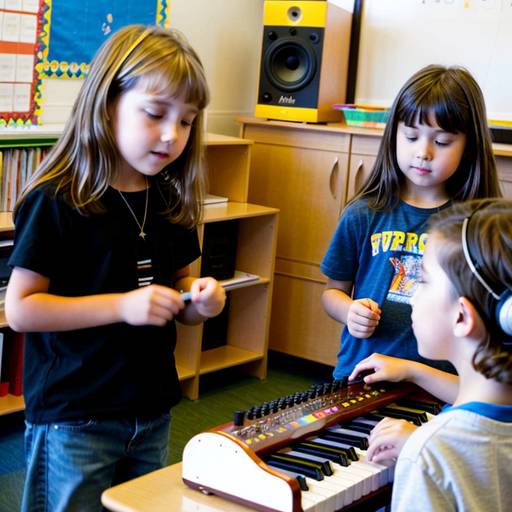
In this 1st-grade music lesson, students will gain an appreciation for music through various listening activities and discussions. The lesson begins with an engaging introduction to different musical instruments, followed by a listening session comprising short audio clips from diverse musical genres. Students will identify instruments and express their feelings about the music using Emotion Cards. A group discussion will allow students to share their thoughts on their favorite pieces and the instruments that stood out to them. To reinforce their learning, students will engage in a creative activity where they draw pictures inspired by the music they listened to. The lesson concludes with students sharing their artwork with the class and reflecting on their experiences. Overall, this lesson fosters listening skills, emotional expression, and a love for music through interactive and creative engagement.
This first-grade science lesson focuses on exploring the physical properties of everyday materials. Students will begin by discussing the concept of matter and the three states: solids, liquids, and gases. Through interactive demonstrations, they will learn about the properties that distinguish these states, such as shape and texture.
In a hands-on activity, students will work in small groups to investigate a selection of everyday objects using magnifying glasses and measuring tools. They will record their observations about the properties of these materials, fostering teamwork and discussion.
The lesson will conclude with each group sharing their findings with the class, reinforcing their learning. An exit ticket will assess student understanding through a drawing of an object and its properties. Extension activities include exploring objects at home and conducting simple experiments related to states of matter. Overall, the lesson aims to engage students in discovering the characteristics of matter in a fun and interactive manner.
In this 1st Grade Language Arts lesson, students will embark on an engaging exploration of synonyms. The class will begin with a lively discussion to introduce the concept of synonyms, using simple terms and examples. Students will participate in group activities where they will work with word cards to identify synonyms and use them in sentences. This collaborative effort will encourage creative thinking and enhance their vocabulary.
As independent practice, students will complete worksheets that challenge them to fill in the blanks with appropriate synonyms, reinforcing their understanding of the concept. They will also have the opportunity to illustrate their sentences, fostering creativity.
The lesson will culminate in a review of key concepts, with students sharing their favorite synonyms as an exit ticket. Assessment will be based on participation in discussions, completion of worksheets, and retention of vocabulary demonstrated through the exit tickets. Modifications will be made to support diverse learners, and an optional extension will encourage students to continue expanding their synonym knowledge at home. Overall, the lesson aims to make learning about synonyms fun and interactive while building essential language skills.