
Filters
Level
Grade
Subject
Subject Area
Subject Topic
Standard(s)
Audience
Keyword
DurationMinutes
1st Grade Lesson Plans

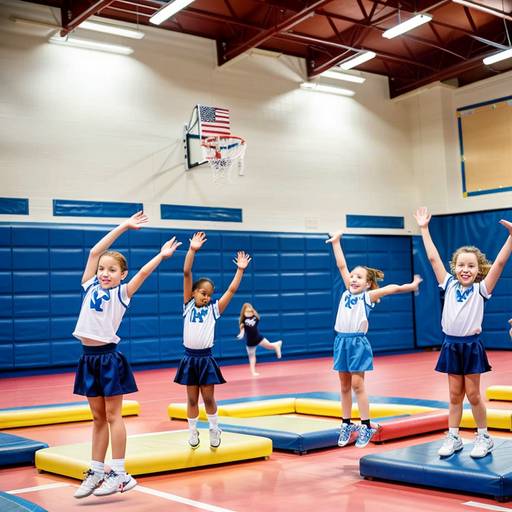
The lesson plan focuses on introducing first-grade students to basic gymnastics and sports-related activities designed to develop their motor skills. It begins with a warm-up session that includes stretching and fun movements to increase heart rates. Students learn fundamental gymnastic skills through demonstration and activities at various stations, where they practice forward rolls, balance beam walking, and log rolls. The lesson also incorporates sports skills, including hula hoop passing and navigating a simple obstacle course.
To wrap up the session, a cool-down period involves breathing exercises and gentle stretching, accompanied by a discussion about teamwork and personal reflections on the activities. Throughout the lesson, students are assessed on their participation and skill development, while safety measures are emphasized to ensure a secure learning environment. The overall goal is to create an engaging, supportive atmosphere that encourages movement, cooperation, and enjoyment of physical activity.

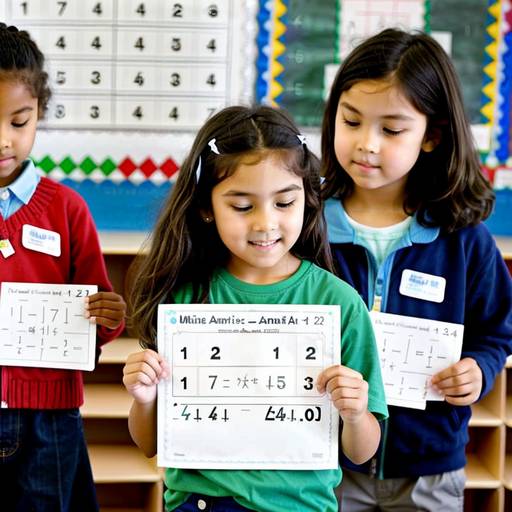
This 1st-grade math lesson focuses on teaching students how to perform addition using a number line. The objective is for students to understand the concept of "jumping" along the number line to find sums, enabling them to solve addition problems effectively.
The lesson begins with a warm-up activity that involves counting to 20, followed by an introduction to the number line as a visual aid for addition. The teacher demonstrates how to add numbers by jumping along the number line, using simple equations for clarity. Guided practice allows students to engage interactively, taking turns to solve problems as a class.
Students then participate in a hands-on activity where they use counters and individual number lines to solve assigned addition problems collaboratively. This reinforces their understanding of the addition process. Following this, they complete worksheets independently, drawing their own number lines to illustrate their jumps and calculations.
The lesson concludes with a review where students share their answers and experiences, reinforcing their learning. Assessment occurs through observation during activities and the collection of completed worksheets, ensuring that understanding is measured effectively. Extensions are suggested for those who grasp the concept quickly, including introducing subtraction using the number line or incorporating a physical activity to reinforce learning. Overall, the lesson fosters a supportive learning environment that encourages participation and collaboration among students.
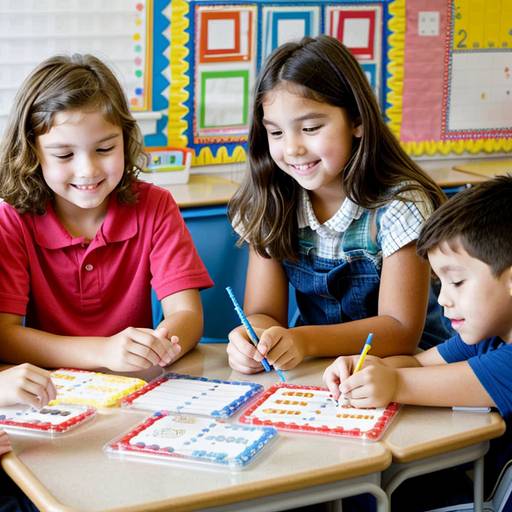
In this 1st-grade math lesson, students will explore the concept of multiplication through the idea of grouping objects. The lesson begins with an introduction to multiplication as repeated addition, using relatable examples from everyday life. Students will participate in a hands-on activity where they create groups of counters, allowing them to visualize and count the total.
Following this, the teacher will facilitate a group discussion, solving simple multiplication problems together while reinforcing the connection between grouping and counting. Students will then work independently on worksheets that feature straightforward multiplication problems and grouping exercises.
The lesson concludes with a review of the key concepts and a fun, musical activity to reinforce their learning. Throughout the session, student understanding will be assessed through observation and worksheet evaluation. Extensions for further reinforcing multiplication concepts are also included. By the end of the lesson, students will have a foundational grasp of multiplication as grouping, making the learning experience engaging and interactive.
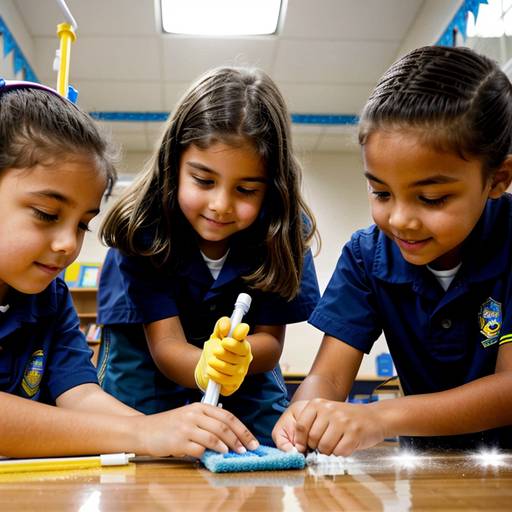
This lesson plan for 1st-grade students focuses on the importance of device maintenance and proper cleaning techniques for technology. The 30-minute session begins with a discussion about the devices used in the classroom, emphasizing the need for cleanliness to ensure they function effectively. A demonstration outlines safe cleaning practices, including how to use microfiber cloths and appropriate cleaning solutions without damaging the devices.
Students then practice these techniques in pairs, with guidance provided as they clean designated devices. The lesson concludes with a reflection where students share their thoughts on the cleaning process and learn the significance of establishing a “Tech Care Routine” at home. Participants receive stickers or certificates for their efforts, reinforcing their responsible habits for taking care of technology. Extensions include opportunities for creating educational posters and organizing regular cleaning days, promoting ongoing engagement and responsibility in device maintenance.
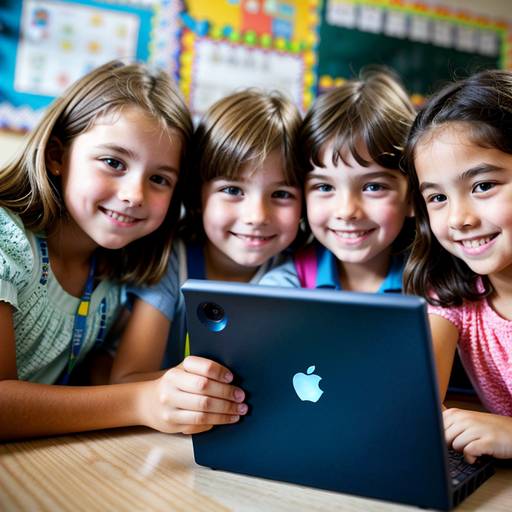
This 1st-grade technology lesson focuses on teaching students the importance of proper device maintenance and handling techniques. The lesson begins with an engaging discussion about the components of devices and the significance of caring for them. Through visual aids, students learn how to safely pick up and use tablets or laptops, highlighting the need to keep devices away from food and drinks while seated. The teacher demonstrates simple maintenance tasks such as cleaning screens.
Students then participate in role-playing exercises to practice these techniques in pairs, reinforcing their understanding through hands-on experience. They also receive a Device Maintenance Checklist to identify the care routines they will follow. Independent practice involves drawing illustrations that depict both proper and improper device usage alongside sentences explaining the importance of device care.
The lesson concludes with a sharing session, where students present their drawings and reflect on their learning, receiving stickers for their efforts. Assessment occurs through observation during role play and review of students' drawings and written sentences. Overall, the lesson aims to cultivate a sense of responsibility among students regarding their interaction with technology, paving the way for safe and effective usage in the future.
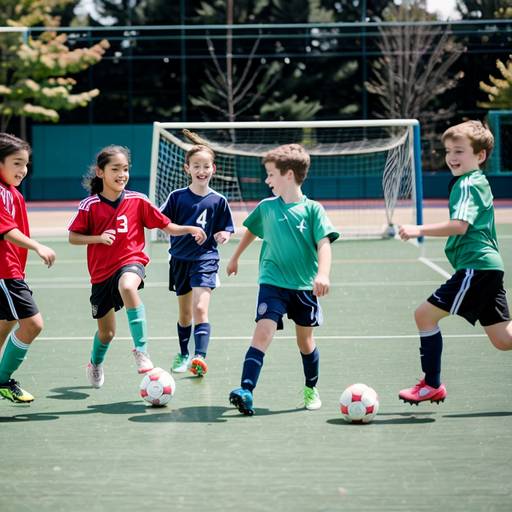
In this lesson plan designed for first-grade students, the focus is on introducing them to the fundamental skills of soccer, including dribbling, passing, and shooting, while promoting teamwork and physical activity. The session begins with a warm-up involving dynamic stretches and movement games to get students energized.
Students then engage in individual and partner drills to practice dribbling through a zigzag course, passing the ball back and forth, and shooting into mini-goals. Following skill development, the class is divided into two teams for a mini soccer game, encouraging cooperation and strategy. The lesson concludes with a cool-down period that includes gentle stretches and a class discussion about their experiences and learnings during the activities.
Assessment focuses on observing participation and skill adherence, while adaptations are suggested to accommodate varying skill levels. Overall, the lesson aims to instill a love for soccer and physical fitness in young learners.
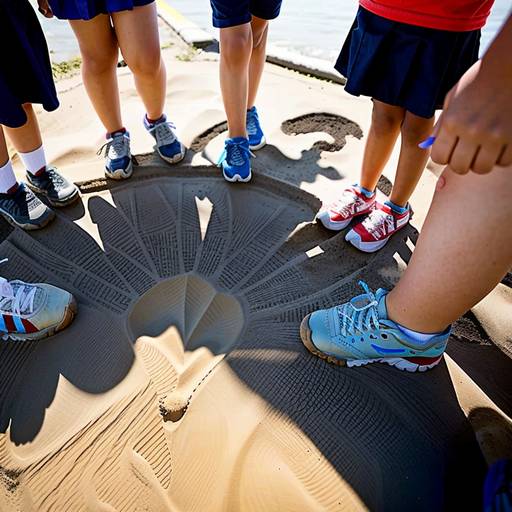
In this 1st-grade math lesson, students will explore the concepts of measurement and length through engaging, hands-on activities. The lesson begins with a discussion on measurement, where students share their thoughts and make estimates about the lengths of various classroom objects. Following a demonstration, they will measure these objects using pre-cut paper footprints, learning how to align the footprints end to end to determine actual lengths.
Students will work in small groups to measure a set of objects, record their estimates alongside the actual measurements on a worksheet, and create drawings of the objects. They will then have the opportunity to independently measure another object of their choice in the classroom, reinforcing their understanding of measurement. The lesson concludes with a class discussion where students share their findings, helping to solidify their learning and understanding of the importance of measurement in everyday life.
Assessment will be based on students' completed worksheets, their participation in discussions, and their engagement during group activities. The lesson includes extensions for students who want to explore measurement further and provides modifications for those who may need additional support. Overall, the lesson focuses on developing students' measurement skills while fostering collaboration and critical thinking.
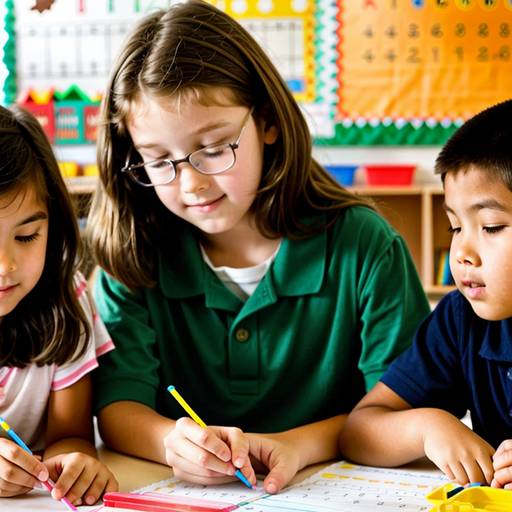
This 1st-grade math lesson focuses on helping students understand the concepts of measurement and time through interactive and hands-on activities. The lesson begins with a discussion about measurement and time, prompting students to share their prior knowledge.
Next, students work in small groups to measure various classroom objects using rulers or string, encouraging estimation and discussion of their findings. Following the measurement activity, the class moves on to learning about telling time using a large classroom clock. Students practice setting the hands of smaller analog clocks to specific times based on teacher prompts.
To reinforce the concepts, students complete worksheets that involve measuring items at home and drawing clock hands to show different times. The lesson concludes with a reflection on what students have learned and a review of measurement and time concepts. Throughout the lesson, students are assessed based on participation, group collaboration, and accuracy on their worksheets, with the opportunity for extensions that encourage continued exploration at home.

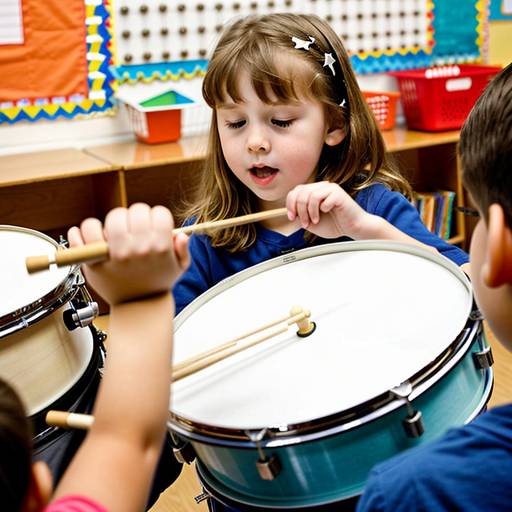
In this 1st Grade music lesson, students will explore and learn about percussion instruments through various engaging activities. The lesson begins with an introduction to what percussion instruments are, accompanied by sound clips and examples for recognition. Students will then form small groups to experiment with different instruments, allowing them to create and share their own sounds. Following this, the class will participate in a body rhythm exercise where they will learn a simple rhythm using claps, stomps, and snaps, and even create their own rhythms to share. A call-and-response rhythm game will conclude the lesson, reinforcing their understanding of rhythm and sound. Throughout the lesson, students will be assessed on their participation and ability to identify percussion instruments. To extend their learning, they will be encouraged to create a homemade percussion instrument to bring for the next class, fostering creativity and continued exploration of music. Adaptations will be made to accommodate diverse learning needs, ensuring inclusivity for all students.

In this 1st grade social studies lesson, students will engage with the concepts of geography and maps by exploring basic map elements and creating their own treasure maps. The lesson begins with an interactive discussion about maps, where students share their knowledge and experiences. Using a large wall map, the teacher highlights fundamental features such as titles, compass roses, and symbols, while students participate in identifying key geographical elements.
Following this introduction, students work in small groups to collaboratively create and present a simple map of their classroom, reinforcing their understanding of symbols and spatial relationships. In the independent practice segment, each student creates their own treasure map, incorporating various landmarks and symbols to represent their imagined locations.
The lesson concludes with a sharing session where students present their maps, allowing for creative expression and reflection on how maps aid navigation and exploration. Assessment is conducted through observation and evaluation of the treasure maps, ensuring students grasp the lesson's objectives. Extensions and adaptations are included to accommodate different learning needs, enhancing the overall learning experience.