
Filters
Level
Grade
Subject
Subject Area
Subject Topic
Standard(s)
Audience
Keyword
DurationMinutes
1st Grade Lesson Plans

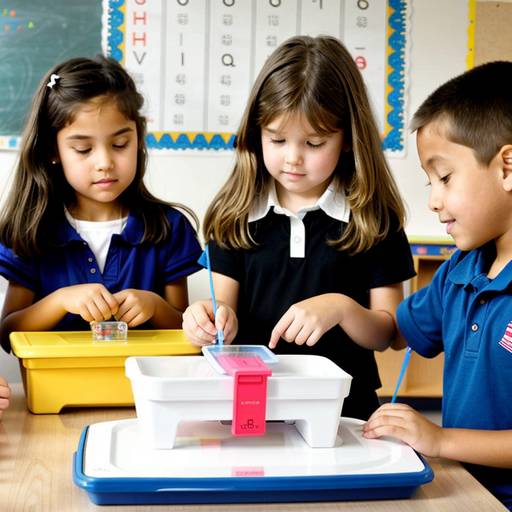
In this 1st-grade math lesson, students will explore the concepts of measurement and weight through engaging, hands-on activities. The class will begin with a discussion about measurement, encouraging students to share their experiences with weighing objects. A demonstration using a balance or spring scale will illustrate how to compare the weights of different items, with an explanation of standard and non-standard units of measurement.
Students will then participate in guided group activities where they will weigh a selection of classroom objects, record their findings, and visually compare weights using non-standard units such as Unifix cubes. Following this, small groups will create bar graphs to represent their measurements, fostering collaboration and communication skills.
The lesson will conclude with a class discussion on the lightest and heaviest objects measured, and selected groups will have the opportunity to present their findings. Assessment will focus on student engagement, participation in discussions, and the completion of worksheets and bar graphs. The lesson also includes adaptations for different learning needs and suggestions for extensions, such as a follow-up activity involving students measuring their backpacks at home. Finally, reflection on the effectiveness of the lesson will help refine future instruction.
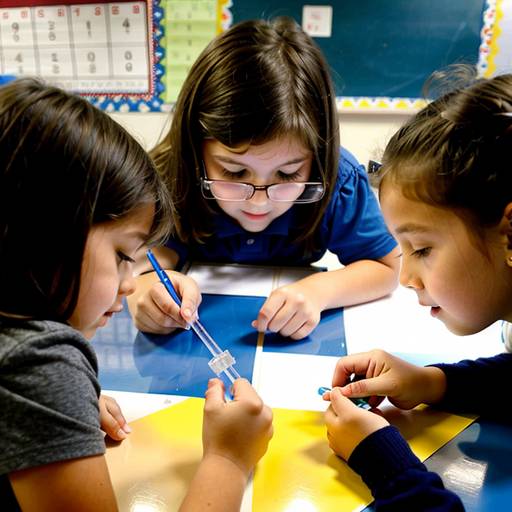
This 1st-grade math lesson focuses on the concepts of measurement and time, aiming to develop students' understanding of length using standard units (inches and feet) and their ability to read clocks to tell time to the hour and half-hour. The lesson begins with an engaging introduction that highlights the importance of measurement in everyday life, followed by direct instruction that demonstrates how to use a ruler and interpret a clock.
Students participate in guided practice through measurement stations, where they measure various objects and record their findings, as well as practice telling time with worksheets featuring clock faces. Independent practice involves a short quiz to reinforce their understanding of both measurement and time-telling skills. Assessment is conducted through observation during activities and evaluating the quizzes to ensure comprehension.
Differentiation strategies are included to support advanced learners and those needing extra assistance, while extensions suggest further engagement with measurement in real-life contexts. This interactive lesson fosters student participation and provides a solid foundation in measurement and time concepts.
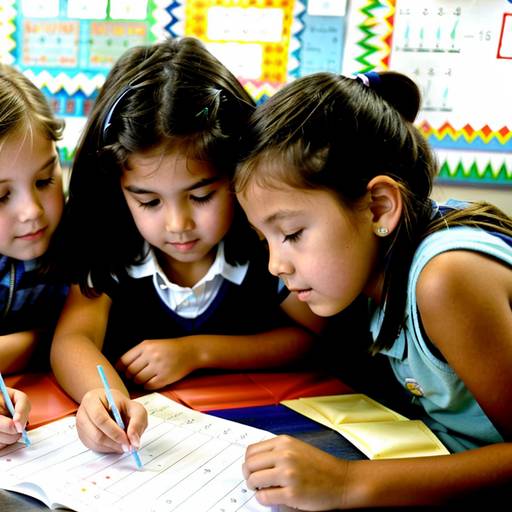
This 1st Grade math lesson focuses on measurement and temperature, aiming to help students understand the concepts of length and temperature reading. The lesson spans 60 minutes and includes a variety of hands-on activities.
Students begin by exploring measurement with rulers, measuring three objects in the classroom and recording their lengths in inches. They then participate in a discussion about which items are longest and shortest, fostering comparison skills.
Next, the class shifts to temperature, where students learn to use thermometers and interpret a temperature chart. They engage in a creative activity, drawing weather representations on a "Weather Station" poster board using colored paper to indicate different temperature ranges (cold, warm, hot).
The lesson concludes with a review of key concepts, encouraging students to consider the application of measurement in their everyday lives. Assessment is based on participation, worksheet accuracy, and a homework assignment that promotes further engagement with weather observation. Extensions could include introducing additional units of measurement for advanced learners or conducting science experiments related to temperature.

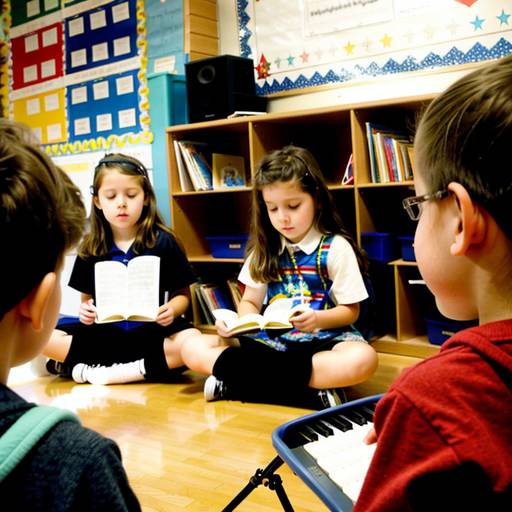
In this first-grade music lesson, students will explore the concept of pitch by learning to identify and produce high and low sounds through singing, movement, and instrument exploration. The class will begin with vocal warm-ups and a discussion about different animal sounds representing high and low pitches. Students will engage in a call-and-response singing game, where they will alternate between high and low notes. They will also participate in a movement activity called "Pitch Freeze," where they will physically respond to changes in pitch by adjusting their body positions.
Students will have the opportunity to explore various musical instruments to further understand the differences in sound pitches. The lesson will conclude with a reflective discussion, where students share their favorite sounds, followed by a group sing-along that incorporates both high and low pitches. Assessment will be based on student participation, pitch matching, and understanding during discussions. Extensions and adaptations will be offered to ensure all students can engage meaningfully with the material. Overall, the lesson aims to create a lively and interactive environment that fosters musical expression and understanding.
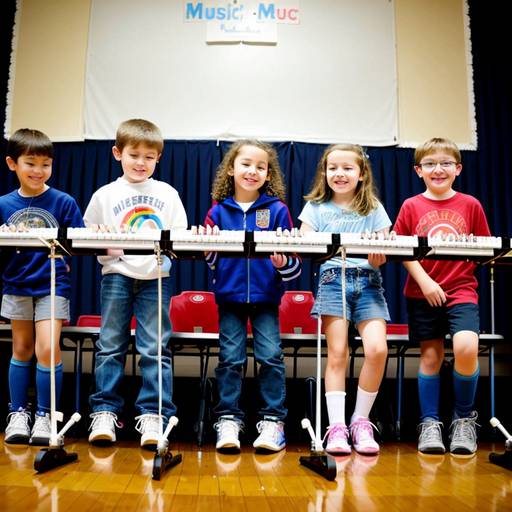
In this 1st-grade music lesson plan, students will explore various musical styles, including classical, jazz, folk, rock, and pop, while learning about key figures associated with each genre. The lesson begins with engaging audio samples, allowing students to hear the distinct sounds of each style. Following this introduction, they will work in groups to create movements or dances that represent the emotions of their assigned musical style, fostering creativity and teamwork.
After the movement activity, students will use simple musical instruments to compose their own short melodies inspired by what they learned. Finally, the class will gather to share their creations and reflect on how different musical styles evoke various feelings. Throughout the session, students will build their understanding of music history and styles while engaging in hands-on activities that promote expression and collaboration. Extensions such as drawing their favorite musical styles will deepen their engagement with the topic. Assessment will focus on participation, creativity, and verbal articulation of their learnings.
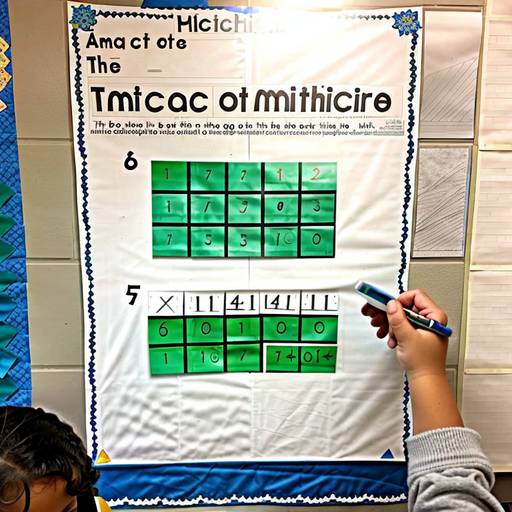
In this 1st-grade math lesson, students are introduced to basic multiplication concepts through hands-on activities and storytelling. The lesson begins with a discussion about what multiplication means, emphasizing that it involves adding equal groups together. Students then engage in a practical activity where they create their own groups using counting cubes and translate these groups into multiplication sentences.
Next, the teacher presents story cards that illustrate real-world scenarios involving groups, encouraging students to visualize and work through the stories using their cubes. This helps solidify the connection between multiplication and repeated addition. After exploring stories, students complete a worksheet featuring images of grouped objects, allowing them to practice formulating multiplication equations independently.
The lesson concludes with a group discussion, where students share their findings and equations, reinforcing their understanding of the concept. Observations and completed worksheets serve as assessment tools to gauge students' grasp of multiplication. Accommodations are provided for varying skill levels, ensuring that all students can engage with the material meaningfully. Overall, the lesson promotes an interactive and relatable approach to learning multiplication fundamentals.
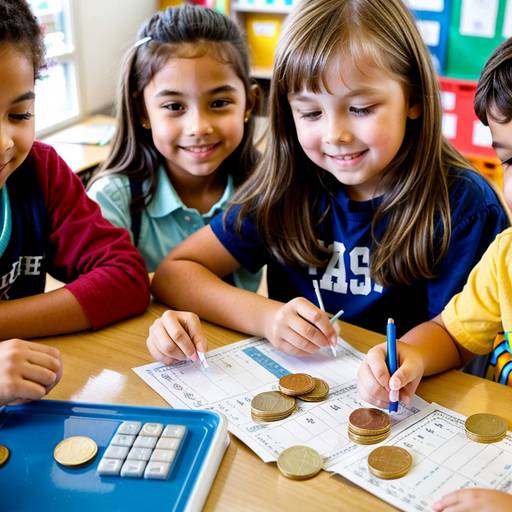
In this 1st Grade math lesson, students will explore the value and identification of various coins and bills. The session begins with an engaging story that introduces money and its importance in daily life. Through direct instruction, students will learn about different coins (pennies, nickels, dimes, quarters) and bills ($1, $5, $10), along with their corresponding values.
Following this, they will engage in guided practice with worksheets that help reinforce their understanding of coin recognition and value. In a hands-on activity, students will participate in a mock store where they can use play money to "shop" for items, allowing them to practice counting and making change in a fun, interactive way.
The lesson concludes with a group discussion where students share their experiences and insights about money. Assessment will be based on participation, worksheet accuracy, and engagement during the mock store activity. Differentiation strategies will ensure that all learners have the support they need, with extensions available for those seeking additional challenges. Overall, this interactive approach aims to build students' confidence and foundational skills in using money.

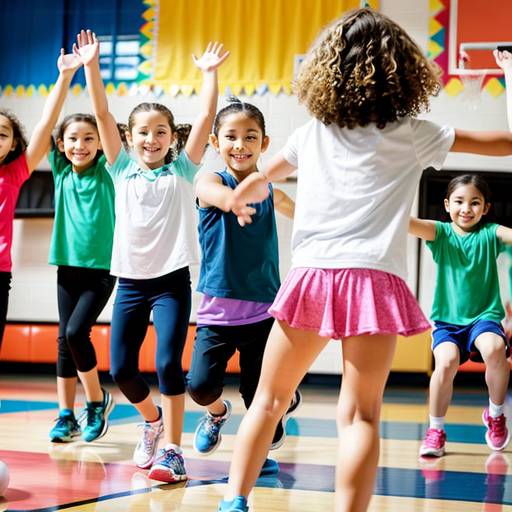
This lesson plan is designed for 1st-grade students to introduce them to the concepts of fitness and cardiovascular health through engaging physical activities. The session begins with an interactive discussion about the importance of fitness, followed by a warm-up routine to prepare their bodies for movement.
Students participate in four different activity stations that promote heart rate elevation and teamwork. Activities include jump rope challenges, hula hooping, a ball toss relay, and a freeze dance game, encouraging collaboration and physical skill development. After the stations, a cool-down period is incorporated, where students engage in gentle stretching and deep breathing exercises.
To conclude the lesson, students gather to reflect on their experiences, sharing their favorite activities and how they felt after exercising. The plan includes assessments based on participation and engagement, as well as adaptations for diverse learners. Additionally, it encourages students to continue physical activity at home by involving their families, reinforcing the importance of staying active.
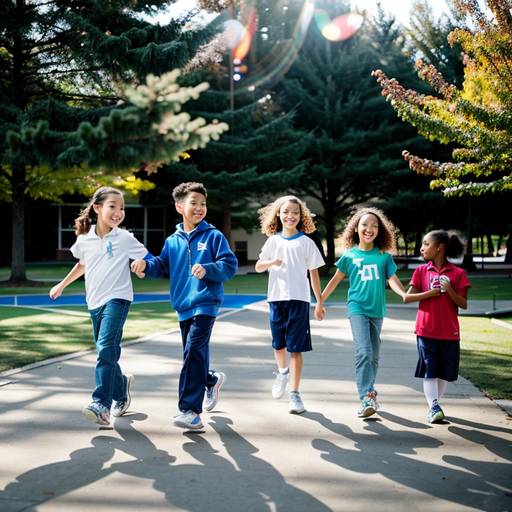
This lesson plan is designed for 1st grade students to enhance their coordination and balance through a series of engaging activities. It begins with a warm-up game that promotes movement and teamwork, followed by a brief introduction to the concepts of coordination and balance. Students participate in skill development stations that include balance beam walking, ball toss and catch, cone weaving, and various animal walks, allowing them to practice and improve their motor skills in a supportive environment.
The lesson includes a group activity in the form of a balancing relay, fostering collaboration and enthusiasm among peers. It concludes with a cool down where students reflect on their experiences and share their favorite activities, reinforcing their learning. Throughout the session, students are observed for their ability to balance and coordinate movements, with modifications available for those who need additional support. This lesson not only promotes physical fitness but also encourages teamwork and communication among young learners.
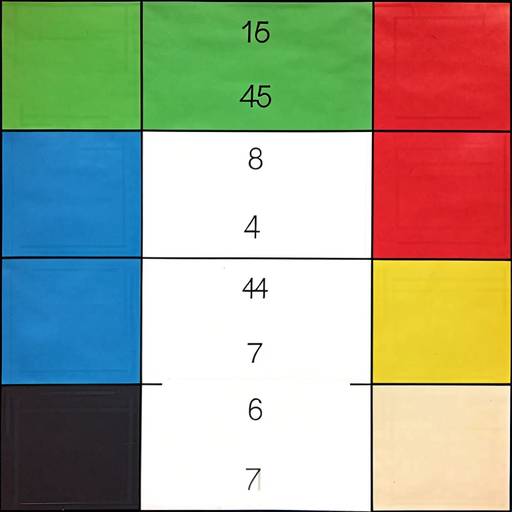
In this first-grade math lesson, students will be introduced to the concept of multiplication as a method of repeated addition. The lesson begins with a discussion about multiplication, encouraging students to share their thoughts on the topic. Through visual demonstrations and group activities, students will learn to create and identify groups of objects that illustrate multiplication problems.
After a direct instruction phase where simple multiplication concepts are explained using drawings and manipulatives, students will engage in guided practice by forming groups with counting objects based on given multiplication scenarios. They will then complete a worksheet with simple multiplication problems, applying their understanding through drawing or using manipulatives.
The lesson will conclude with a review of key concepts, inviting students to share their findings. Observations during activities will serve as informal assessments of their grasp of multiplication. An optional extension activity involving a dice game may be included to further reinforce the lesson's objectives. This engaging approach prioritizes hands-on learning and promotes collaboration among students, catering to diverse learning needs.