
Filters
Level
Grade
Subject
Subject Area
Subject Topic
Standard(s)
Audience
Keyword
DurationMinutes
1st Grade Lesson Plans

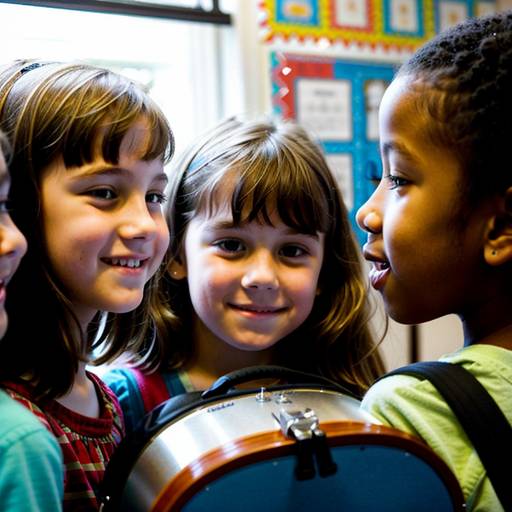
In this 1st Grade music appreciation lesson, students will engage in an exploration of various musical genres through listening activities. The lesson begins with a discussion on music and its emotional effects, leading into a series of audio clips where students identify instruments and express their feelings about the music they hear. Following the listening activity, students will create drawings inspired by their favorite piece of music, using colors and shapes to reflect their emotions and thoughts. The lesson culminates in a sharing session where students present their artwork and describe their experiences. This engaging lesson aims to enhance listening skills, foster creativity, and deepen students' appreciation for music.
This first-grade music lesson focuses on helping students understand the concepts of high and low pitches through interactive singing and movement activities. The lesson begins with an introduction to pitch, using visuals of mountains and valleys to illustrate the idea. Students engage in vocal warm-ups to explore high and low sounds, using hand motions to represent these pitches.
An interactive activity, called the "Pitch Walk," encourages students to physically respond to different pitches by reaching high for high notes and squatting low for low notes. Following this, the class practices a simple song, breaking it down into sections that highlight high and low pitches, while using hand signals for guidance.
To conclude, students gather for a reflective discussion, sharing their feelings about singing high and low, and demonstrating their understanding through vocal examples. Optionally, they can create drawings to represent their learning visually. The lesson aims to provide an engaging and informative experience, allowing students to actively explore and express musical concepts through movement and song. Assessment is based on observation and participation throughout the activities.
The lesson focuses on introducing 1st-grade students to basic concepts of rhythm, emphasizing the importance of steady beats in music. It begins with a discussion about music's emotional impact, followed by hands-on activities where students explore percussion instruments and body percussion to maintain a steady beat. In small groups, they create simple rhythmic patterns, which they later share with classmates in a fun "performance" setting. To reinforce their learning, students also draw their favorite rhythms using musical symbols, allowing for a visual representation of their understanding. Throughout the lesson, students engage collaboratively, fostering creativity and a strong foundational knowledge of rhythm and music theory. Assessment is based on their participation in activities and their drawings, ensuring that they grasp the concepts introduced.
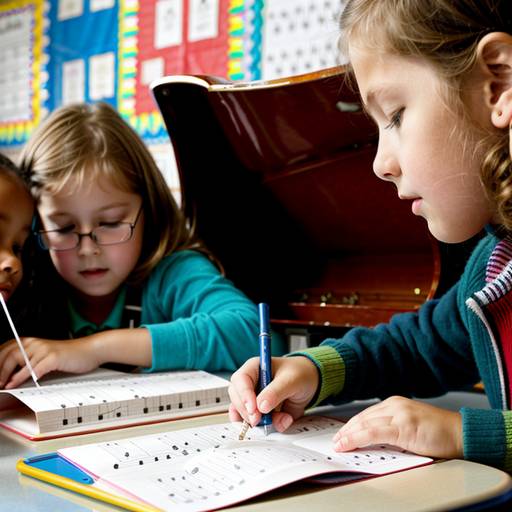
In this 1st Grade music lesson, students will explore basic music theory by identifying and naming various note types and their corresponding positions on the musical staff. The lesson begins with an engaging song that sets the tone and introduces the concept of "treasures" in music. Through direct instruction, students will learn about note names (A, B, C, D, E, F, G) and values (quarter notes, half notes, whole notes, and eighth notes). An interactive activity will follow, where students work in small groups to complete a "treasure map," finding note names throughout the classroom. This hands-on approach reinforces their understanding and encourages collaboration. The lesson concludes with students applying their new knowledge by playing simple rhythms on musical instruments and actively discussing the notes they are using. Rewards such as stickers or colorful markers will be given for participation, promoting both engagement and enthusiasm for learning about music theory. Overall, the lesson aims to build a foundational understanding of note names and their importance in music.


In this 1st grade Language Arts lesson, students will explore the fundamentals of creative writing by brainstorming and developing their own story ideas. The lesson begins with a discussion of story elements, including characters, setting, and plot, using simple examples to illustrate these concepts. Students will then select story prompts and draft their own short narratives, incorporating a clear beginning, middle, and end. After writing, they will illustrate a chosen scene from their story to enhance their visual storytelling skills. Finally, students will share their stories in pairs or small groups, fostering a supportive environment for creative expression. Assessment will focus on their understanding of story elements, creativity, and effort in both writing and illustrating. Adaptations are provided for varying skill levels, ensuring all students can participate meaningfully. Extension activities may include compiling a class book of stories or organizing a storytelling event.

This first-grade social studies lesson focuses on introducing students to basic geography concepts, particularly related to maps. Students will begin by engaging with a storybook that highlights maps and their importance in understanding locations. They will learn about key map features such as the legend, compass rose, and symbols. Through a guided practice activity, the class will collaboratively create a community map, identifying important local landmarks and their relationships to one another.
Following this, students will have the opportunity to create their own individual neighborhood maps, incorporating at least three significant locations, along with a legend and compass rose. The lesson will conclude with a sharing session, allowing students to present their maps and explain their chosen landmarks. Assessment will involve monitoring participation and reviewing the completed maps for necessary elements. Extensions to the lesson include exploring digital maps and planning a neighborhood walk to reinforce learning. Overall, this lesson aims to foster an appreciation for maps and an understanding of students' places in their community.
In this first-grade social studies lesson, students will explore different roles within their community and understand how these roles contribute to the overall well-being of their environment. The lesson begins with a warm-up discussion followed by a storybook reading that highlights community helpers. Students will then engage with a community roles chart to learn about various professions, such as teachers, police officers, and doctors.
Afterward, students will be divided into small groups to create posters featuring selected community roles. They will illustrate and describe how each role supports the community, fostering teamwork and creativity. Following the group activity, each group will present their poster to the class, encouraging public speaking and reflection on the importance of community contributions.
The lesson concludes with a discussion on the significance of roles in both the wider community and the school itself. Assessment will be based on group participation, presentations, and the quality of the posters. Extension activities include role-play scenarios and inviting a local community helper for a Q&A session. Differentiation strategies will be in place to support diverse learners, ensuring an inclusive and engaging experience for all students.

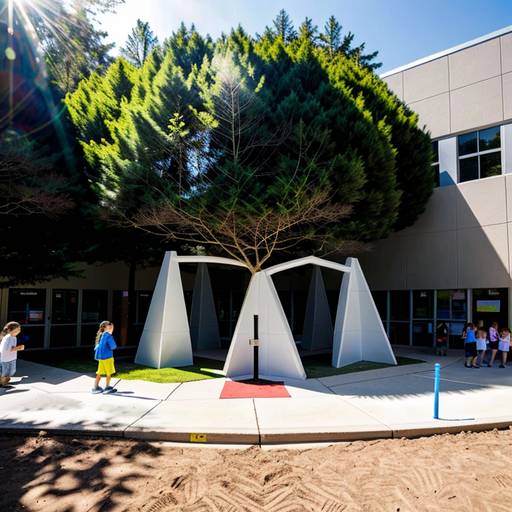
In this 1st-grade art lesson, students will engage in the exploration of sculpture using natural and recyclable materials. The lesson begins with a discussion about what sculpture is, highlighting its differences from other art forms and showcasing examples to inspire creativity. Students will then go outside to collect a variety of materials, emphasizing the shapes and textures found in nature.
After gathering their materials, students will brainstorm and sketch designs for their sculptures, considering how to combine different elements. They will then participate in a hands-on sculpting activity, building their creations using the collected materials and adhering to their designs. Throughout the activity, the teacher will provide guidance and support.
Finally, students will share their finished sculptures with the class, describing their inspiration and the materials used. This reflective and sharing component encourages critical thinking and peer interaction. Assessment will focus on creativity, engagement during the process, and participation in the discussion. Extensions could include organizing an exhibition for the sculptures, exploring other artists who use similar materials, or incorporating writing activities inspired by their creations.
In this 1st-grade art lesson, students explore the art technique of collage by creating their own unique compositions using various materials. The lesson begins with an introduction to collages, including discussions and visual examples to stimulate students' interest and understanding. Following this, students engage in hands-on exploration of magazines and natural items, practicing their cutting and arranging skills while focusing on shapes and textures.
During the main activity, each student assembles their chosen materials onto a large sheet of paper, carefully arranging their cut-outs before gluing them down. Throughout the process, the teacher provides guidance and feedback, encouraging creative choices.
The lesson concludes with a reflection and sharing session, where students discuss their work with peers, promoting communication and collaboration. A clean-up period ensures that materials are organized for future use. Assessment is based on observation of students' engagement and creativity, with opportunities for extension through display and class publications of their artwork. This lesson fosters artistic expression, fine motor skills, and camaraderie among students.
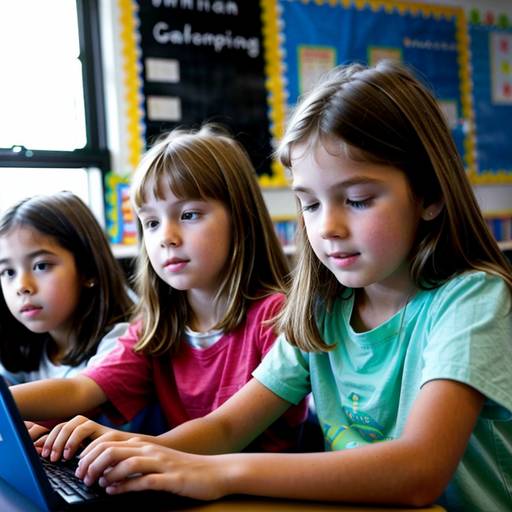
In this 1st Grade technology lesson, students will explore the fundamentals of digital citizenship and online safety. The class begins with a warm-up discussion about their favorite online activities and what makes them feel safe online. Following this, a storybook focused on online safety will be read to highlight the importance of not sharing personal information, consulting trusted adults, and recognizing safe websites.
Students will then engage in a group activity where they will categorize scenario cards depicting various online situations into "Safe" and "Unsafe." This exercise will reinforce their understanding of appropriate online behavior. The lesson includes an interactive component, where students will evaluate various websites displayed on a Smartboard, sharing their thoughts on whether each site is safe or unsafe.
To conclude, the teacher will summarize the key points learned about online safety, emphasizing the significance of privacy and kindness in digital interactions. As homework, students will complete a worksheet designed to reinforce the topics discussed and involve their families in a conversation about online safety. The lesson will be assessed based on participation, completion of the worksheet, and group discussions.