
Filters
Level
Grade
Subject
Subject Area
Subject Topic
Standard(s)
Audience
Keyword
DurationMinutes
1st Grade Lesson Plans

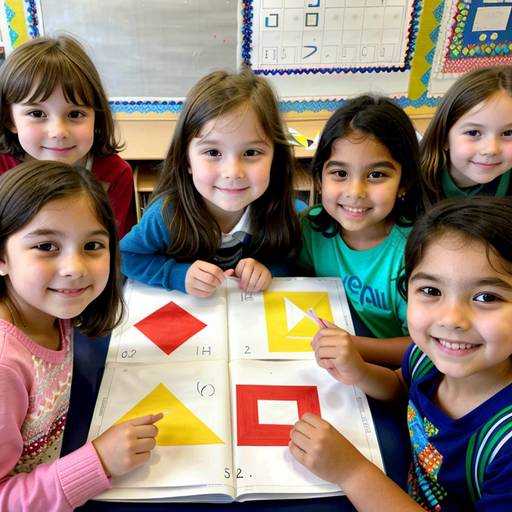
In this engaging math lesson for first graders, students will explore basic geometric shapes and patterns through interactive activities. The lesson begins with a discussion about shapes found in their environment, followed by direct instruction on identifying and naming circles, squares, triangles, and rectangles. Students will learn how to create simple patterns by arranging these shapes in a sequence.
Working in pairs, they will create unique patterns using pre-cut shapes and share their creations with the class. For independent practice, students will use construction paper and markers to design a poster featuring their own patterns and provide a brief description. Throughout the lesson, the teacher will observe and assess students' understanding of shapes and patterns.
To reinforce learning, students will present their posters to the group, highlighting their creativity and comprehension. The lesson also includes optional extension activities, such as a "Shape Hunt," encouraging students to connect classroom learning with the real world. Overall, this lesson fosters an interactive and visual approach to understanding geometry and patterns.

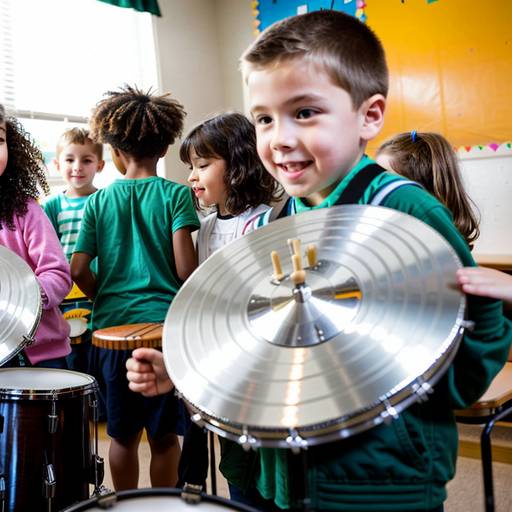
In this 1st Grade music lesson, students will explore percussion instruments and the concept of rhythm. The lesson begins with a discussion about various percussion instruments, using visual aids to help students identify them and understand their unique sounds. Students will then practice body percussion, learning simple rhythmic patterns through clapping, stomping, and patting.
After familiarizing themselves with body rhythms, students will work in small groups to explore different percussion instruments, creating their own rhythmic patterns to share with the class. Each group will have the opportunity to perform their rhythms, encouraging collaboration and active listening. The lesson concludes with a group reflection, where students share their favorite instruments and what they learned about rhythm.
Assessment will focus on students' participation and ability to replicate rhythms, while extension activities may include bringing in instruments from home or creating a classroom rhythm book. Overall, this lesson fosters creativity, teamwork, and a foundational understanding of rhythm and percussion.
This 1st-grade music lesson focuses on helping young students understand and differentiate between high and low pitches through a variety of engaging activities. The lesson begins with a vocal warm-up where students explore high and low sounds by mimicking animal noises. They then participate in a movement game that reinforces pitch concepts by jumping for high notes and crouching for low notes.
Next, students learn a simple song that incorporates both high and low pitches, accompanied by corresponding hand motions. They also use musical instruments to enhance their singing, reinforcing the pitch concepts further. The lesson concludes with a review discussion, allowing students to express their favorite parts and reflect on what they learned. The goal is to provide a foundational understanding of pitch through creative expression and active participation. Extension activities encourage further exploration of high and low sounds by drawing and sharing other examples from their environment.

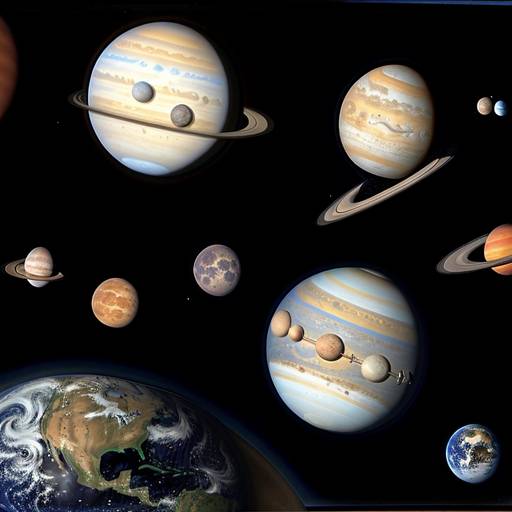
In this first-grade science lesson, students will explore the solar system by learning about the eight major planets. The class will begin with a discussion about space and a short video to engage students. Each planet will be introduced with fun facts and images, helping students understand their unique characteristics and order from the sun.
To enhance engagement, students will participate in a "Planet Parade," where they will work in small groups to represent their assigned planet using various materials. Following this activity, they will create their own space scenes on black construction paper, incorporating at least one planet and artistic elements like stars and the sun.
The lesson will conclude with students sharing their creations with the class and recapping what they have learned about the planets. Assessment will be based on participation and creativity during group activities, presentations, and optional worksheets to reinforce their understanding. Extensions may include a field trip to a planetarium or introducing stars and constellations in future lessons.
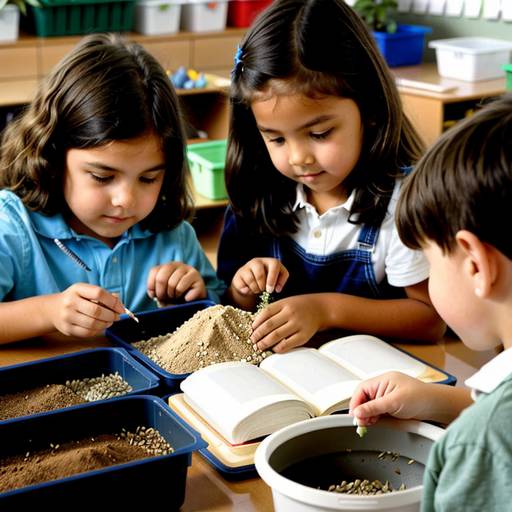
In this first-grade life science lesson, students will embark on an engaging exploration of plants, focusing on the parts of a plant and the process of growth from seeds. The lesson begins with a discussion about what plants need to thrive, fostering curiosity and activating prior knowledge. Students will have hands-on experience as they observe various seeds using magnifying glasses, noting their characteristics, and sharing their findings with the class.
Following this exploration, students will participate in a planting activity, where they will prepare small pots with soil, plant their seeds, and learn about the care required for their growing plants, such as sunlight and water. Each student will keep a Plant Growth Journal to record their observations and track changes in their plants over time.
The lesson wraps up with a review of key concepts and a creative poster activity that reinforces their learning about plant anatomy and growth. Through observation, hands-on activities, and collaborative discussions, students will gain a foundational understanding of the importance of plants in our ecosystem and the role of seeds in their growth. Opportunities for assessment will include observing participation and reviewing journals and posters for comprehension.
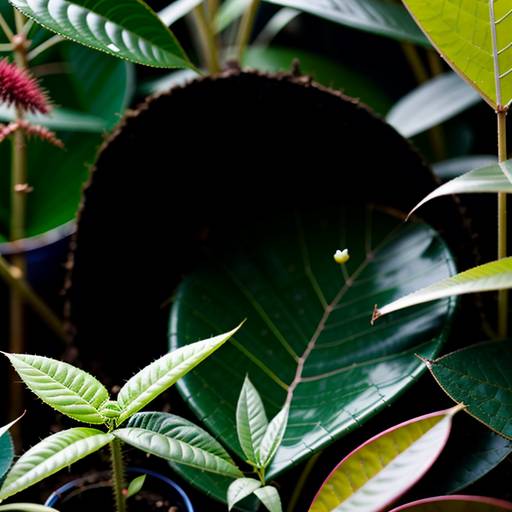
This 1st-grade science lesson focuses on introducing students to the world of plants and their essential parts. Students will learn to identify and describe the functions of the main parts of a plant—roots, stems, leaves, and flowers—while understanding what plants need to grow, such as sunlight, water, and soil. The lesson begins with a discussion and visual aids, followed by hands-on exploration of real plants in small groups. Each group will present their findings to the class. Students will then engage in a creative craft activity to create and label their own plant diagrams. The lesson concludes with a review of the plant life cycle using a poster, allowing students to share their insights. Assessment will be based on participation, group discussions, and the quality of their plant diagrams. The lesson may be extended with a planting activity, encouraging students to observe plant growth over time. Overall, this lesson provides an interactive and engaging way for young learners to explore life science concepts related to plants.

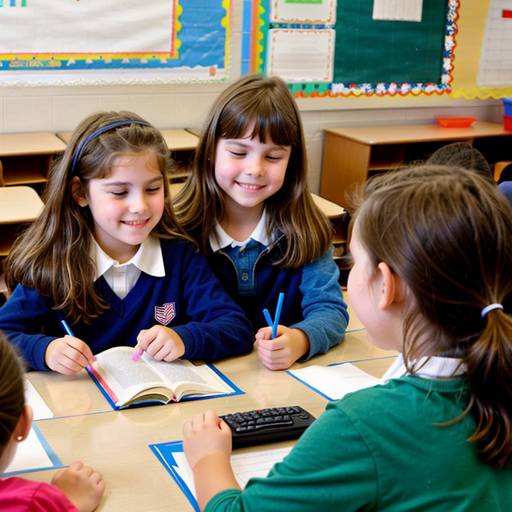
This 1st Grade Language Arts lesson plan focuses on introducing students to basic punctuation marks: periods, question marks, and exclamation marks. The lesson begins with an engaging chant to capture students' attention and briefly explain the purpose of each punctuation mark. Through modeling on the whiteboard, students will learn how to identify and apply the correct punctuation in different sentences.
In guided practice, small groups will analyze example sentences and decide which punctuation marks to use, fostering collaboration and critical thinking. For independent practice, students will complete a worksheet that reinforces their understanding of punctuation by filling in the correct marks for given sentences. The lesson concludes with a review and sharing of examples, followed by an assessment of student understanding through participation and worksheet completion. Extensions include creative writing and a punctuation hunt, accommodating various learning needs and promoting deeper engagement with the material. Overall, the plan is designed to make learning about grammar and punctuation enjoyable and interactive.

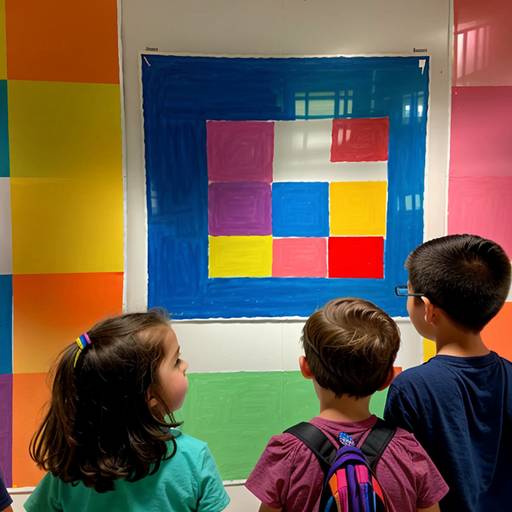
In this 1st Grade art lesson, students will explore the elements of art through a hands-on activity focused on color theory and shape recognition. The lesson begins with an engaging discussion about colors, where students will identify primary and secondary colors using a color wheel. They will also learn about basic shapes like circles, squares, triangles, and rectangles.
After the introduction, students will work in small groups to create a large mural using crayons, markers, and optional paint. They will have the opportunity to mix colors and utilize various shapes to design their sections of the mural, allowing their creativity to shine. The lesson concludes with a sharing session where students reflect on their artwork and discuss the colors and shapes they used. This collaborative activity not only fosters artistic skills but also encourages teamwork and self-expression.
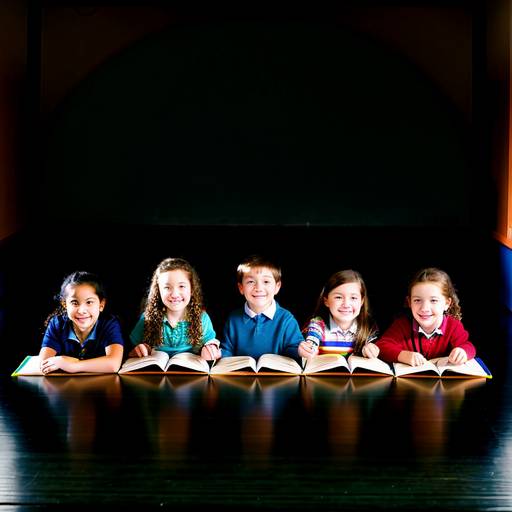
In this 1st-grade Language Arts lesson focused on reading and reading fluency, students will engage in various activities to enhance their reading skills. The lesson begins with a discussion about the importance of reading, introducing the concept of reading fluency encompassing accuracy, speed, and expression. The teacher models fluent reading using a selected picture book, encouraging students to identify key story elements such as characters, settings, and events.
Following this, students participate in paired reading, where they take turns reading aloud to each other, practicing fluency and expression. Each student will track their reading times using fluency charts, allowing them to monitor personal progress and set goals for improvement. The lesson concludes with a reflection on the reading experience, where students can share their thoughts and feelings about the activity. They will receive small rewards for their participation, reinforcing a positive reading environment. Throughout the lesson, differentiation strategies are included to support various learners, ensuring an inclusive approach to developing reading fluency.
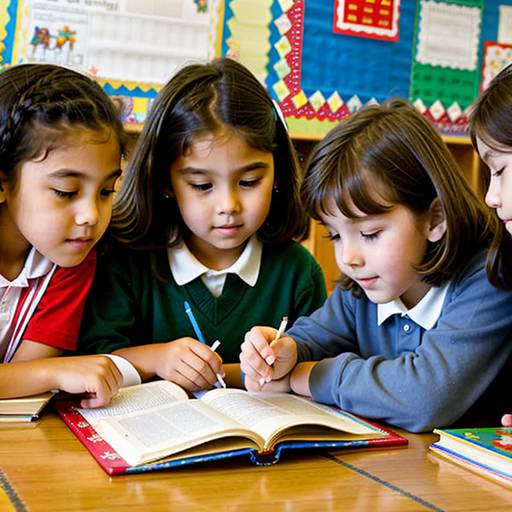
In this 1st-grade language arts lesson, students will work on improving their reading fluency through a series of engaging activities. The lesson begins with a discussion about reading fluency, followed by the introduction of high-frequency sight words using flashcards. Teachers will model choral reading with a simple text, and then students will practice reading aloud together as a class.
Next, students will engage in partner reading, taking turns reading short stories to one another while offering support and encouragement. This is followed by an independent fluency challenge, where students will practice reading a selected passage multiple times with the goal of increasing their speed without sacrificing comprehension.
The lesson concludes with a sharing session where students can discuss their experiences and contribute to a group storytelling activity, reinforcing fluency through collaborative participation. Assessment will involve observing students during reading activities and optionally evaluating individual reading of a new text. Differentiation strategies will be employed to support both struggling and advanced readers, ensuring an inclusive learning environment. Follow-up activities will focus on sustaining fluency development over time.