
Filters
Level
Grade
Subject
Subject Area
Subject Topic
Standard(s)
Audience
Keyword
DurationMinutes
1st Grade Lesson Plans

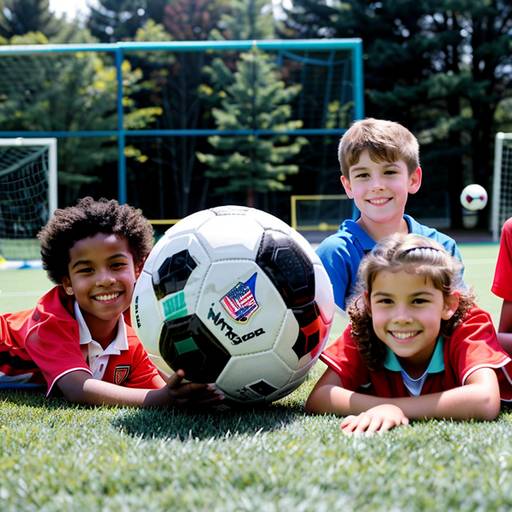
In this 1st-grade physical education lesson, students will engage in soccer-related activities that emphasize fundamental skills such as dribbling, passing, and teamwork. The session begins with a warm-up that includes dynamic stretching and a fun jogging activity. Students will practice dribbling through a cone course to enhance their ball control, followed by paired passing exercises that encourage communication and coordination.
The core of the lesson features mini-soccer games where students can apply their skills in a team setting, focusing on cooperation and strategy. After the games, a cool-down session involves gentle stretching and a discussion that reflects on the day's activities and the importance of teamwork. Throughout the lesson, students are observed for participation and skill execution while being encouraged to support each other, reinforcing both physical development and social skills. Modifications are available to ensure every student can participate at their own level.
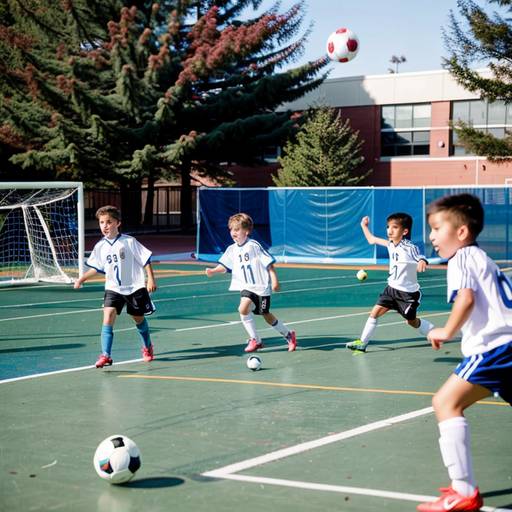
This first-grade physical education lesson is designed to introduce students to the fundamentals of soccer, focusing on dribbling and passing techniques. The lesson begins with an engaging discussion about soccer, followed by a warm-up activity to get students moving and prepared.
Students will participate in a structured dribbling practice, navigating through a cone course while learning to keep the ball close and use both feet effectively. They will then pair up to practice passing, reinforcing communication and teamwork as they aim to accurately pass the ball to their partners.
The culmination of the lesson features a mini-soccer match, where students can apply their skills in a game setting, promoting cooperation and friendly competition. The session concludes with a cool-down period that encourages reflection on the skills learned and fosters a sense of accomplishment. Through this lesson, students are not only active but also develop essential soccer skills and enhance their social interactions with peers.

In this 30-minute music lesson for 1st-grade students, the focus is on introducing the concepts of rhythm through interactive and engaging activities. The lesson begins with a discussion on rhythm, providing a basic understanding and demonstration through clapping simple patterns. Students participate in clapping along with various rhythm cards that illustrate different note types, such as quarter and eighth notes.
Following this, students enhance their learning by marching in place to upbeat music while clapping and stomping to different rhythmic patterns called out by the teacher. This activity reinforces their sense of timing and coordination. In the final segment, students work in pairs to create their own rhythmic patterns using body percussion, fostering creativity and collaboration. Each pair shares their rhythm with the class, promoting a fun, collective experience.
The lesson concludes with a reflection on what was learned and experienced, with emphasis on participation and enjoyment in rhythm. Assessment focuses on individual students' engagement and ability to keep time, while adaptations are provided for those needing additional support. Extensions allow students to practice rhythms at home, further embedding their understanding and appreciation of music.
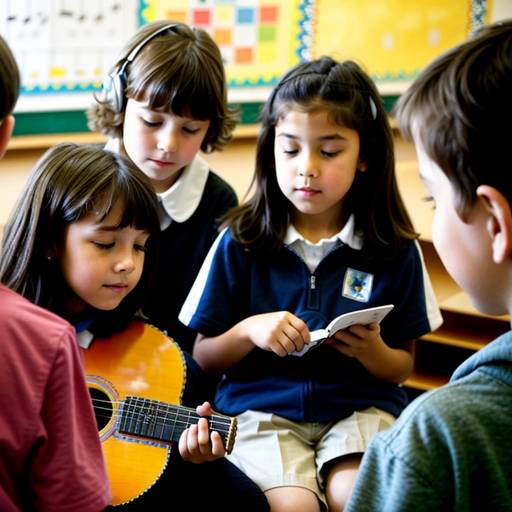
In this 1st Grade music lesson, students will explore various musical styles and their historical contexts through listening and movement activities. The class will start with an introduction to the concept of musical styles, followed by engaging listening stations featuring audio clips from classical, jazz, folk, rock, and hip-hop genres. After listening, students will participate in a movement activity where they will use colorful scarves or ribbons to express themselves in response to each musical style. The lesson will culminate in a wrap-up discussion, allowing students to share their favorite styles and connect them to visual representations. Assessment will be based on participation, understanding of musical characteristics, and their ability to articulate their preferences. Optional extensions include creating rhythms with classroom instruments or inviting a local musician for a live demonstration.
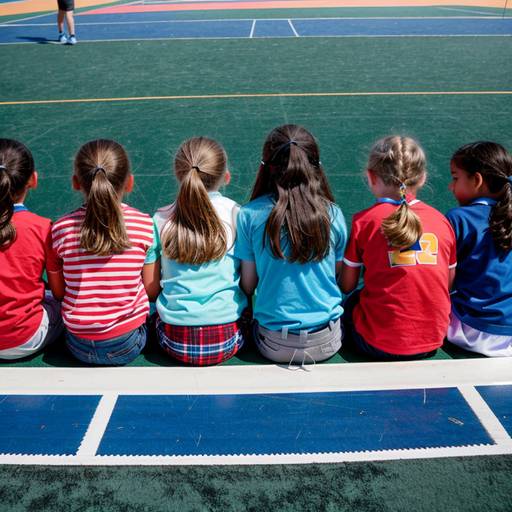
In this 1st-grade physical education lesson, students participate in a variety of engaging activities focused on exploring sports and gymnastics. The class begins with a brief discussion about the importance of exercise, followed by a fun warm-up to prepare their bodies for movement. Students are then divided into small groups to rotate through four stations, each designed to develop different physical skills. Activities include hula hooping, soft ball passing, jump rope challenges, and practicing basic gymnastics movements on mats. After completing the stations, students cool down with gentle stretching and deep breathing exercises. The lesson concludes with a recap, allowing students to share their favorite activities, reinforcing the positive aspects of teamwork and physical fitness. Throughout the lesson, teachers assess participation and skill development to foster a supportive and encouraging environment.

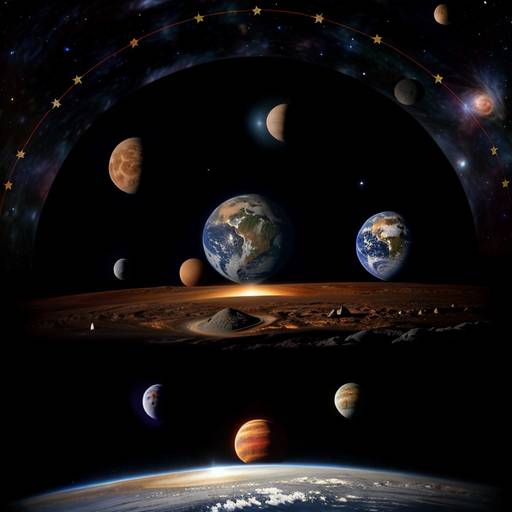
In this 1st-grade science lesson, students will explore the fascinating world of astronomy and the solar system. The lesson begins with engaging questions about the night sky, followed by a visual introduction to the sun, stars, and planets using flashcards and a large poster. Through a read-aloud session featuring a space-themed storybook, students will learn about the planets and their unique characteristics.
The activity portion of the lesson allows students to create their own models of the solar system using black construction paper, glitter, and stickers, encouraging creativity while reinforcing their understanding of the planets' order and differences. The lesson concludes with a sharing session where students reflect on what they learned and share their models with the class.
Assessment will be conducted through observation during the crafting activity and a checklist to ensure students can name planets and distinguish between stars and planets. Extensions are suggested for take-home activities, while adaptations are made to support diverse learning needs, ensuring an inclusive and interactive experience for all students. The overall goal is to ignite curiosity about space and lay a foundation for further exploration in astronomy.

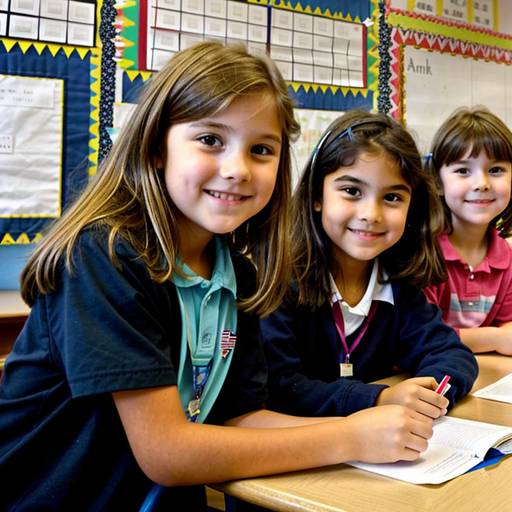
In this 1st Grade Language Arts lesson, students will learn about grammar and capitalization, specifically focusing on the importance of capitalizing the first letter of a sentence. The lesson begins with a class discussion on why capitalization is necessary, followed by a demonstration using incorrect sentences to illustrate the concept. Guided practice involves students working in pairs to identify and correct sentences lacking capital letters. Afterward, students will complete a worksheet individually to reinforce their understanding. The lesson concludes with students sharing their corrected sentences, emphasizing the role of capitalization in writing. Extension activities and differentiation strategies are included to cater to various learning needs, ensuring all students can engage with the material effectively. Assessment occurs through observation during activities and review of completed worksheets. Reflection on the lesson's effectiveness will help inform future instruction.
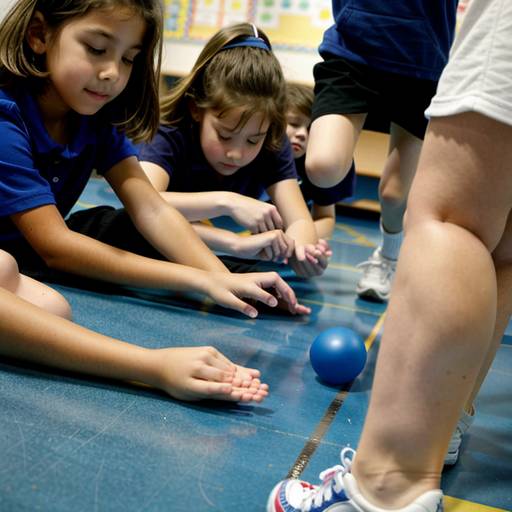
In this 1st Grade Physical Education lesson plan focusing on coordination and balance, students will engage in a series of fun and interactive activities designed to enhance their physical skills. The session begins with a dynamic warm-up featuring animal movements to energize the class. Students will then participate in three main activities: walking along a balance beam to practice their balance, navigating a 'tightrope' created with tape or cones while maintaining control, and hopping across hula hoops representing 'stepping stones' to challenge their balance further.
After the main activities, students will engage in a cool-down session that includes calming stretches, allowing them to reflect on what they have learned and enjoyed. Throughout the lesson, the teacher will assess students' abilities, providing positive reinforcement and encouragement. The session emphasizes the importance of balance and coordination in everyday life while promoting teamwork and cooperation among students.
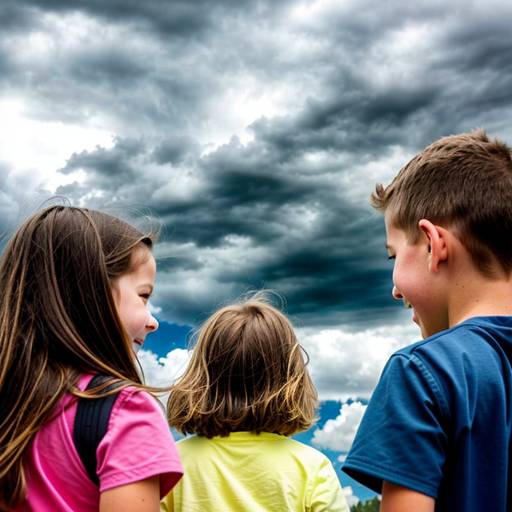
In this 1st-grade Earth Science lesson plan, students will explore various types of weather, including sunny, rainy, cloudy, and stormy conditions. The lesson begins with a discussion about weather, prompting students to share their ideas, followed by a reading of a weather-themed story to enhance understanding.
Students will then engage in a hands-on activity where they create weather charts using cotton balls to represent clouds and small cups of water to simulate rain on blue construction paper. This creative project allows them to visually represent their understanding of different weather types.
The lesson concludes with students sharing their weather charts with partners, reinforcing their learning through verbal communication. Overall, the students will gain insights into how weather impacts daily life, fostering an appreciation for the diverse conditions of our planet. Assessment will be based on participation and the completed weather charts, with potential extensions including a daily weather journal.
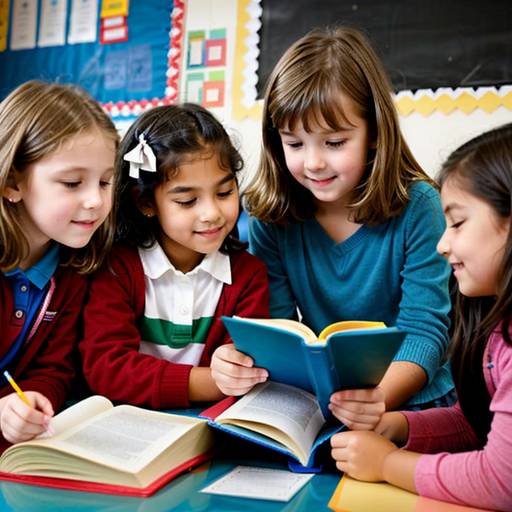
This lesson plan focuses on enhancing first-grade students' reading skills through an engaging exploration of story elements and reading strategies. Students will learn to identify key components of a story, including characters, setting, and plot, while practicing strategies such as predicting, questioning, and summarizing. The session begins with a read-aloud of a picture book, where students participate by making predictions and posing questions. Following the read-aloud, the class engages in a group discussion to fill out a graphic organizer, summarizing the story's elements. In small groups, students will then work with different picture books to identify similar story components and share their insights with the class. The lesson concludes with a recap of the strategies developed, and all students receive recognition for their participation. Assessments will include observations of student engagement and comprehension through group work and the completion of graphic organizers. Differentiation strategies are also included to support varying proficiency levels among students.