
Filters
Level
Grade
Subject
Subject Area
Subject Topic
Standard(s)
Audience
Keyword
DurationMinutes
1st Grade Lesson Plans
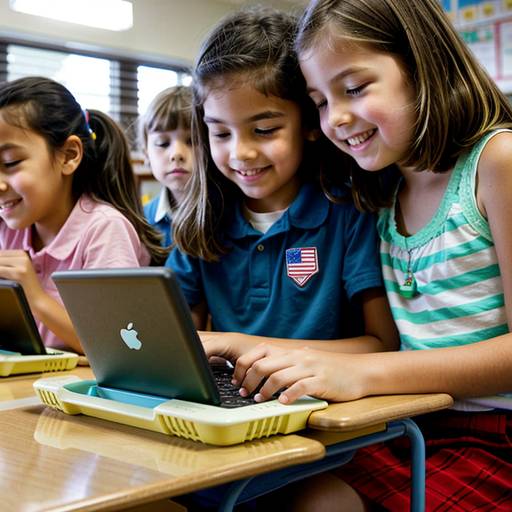
In this 1st-grade technology lesson, students will learn the importance of device maintenance and proper cleaning techniques for their classroom technology. The lesson begins with an engaging discussion about the devices they use and why keeping them clean matters. Students will be introduced to basic steps for cleaning devices, including turning them off, using appropriate materials, and ensuring everything is dry before powering them back up.
Following a demonstration, students will participate in hands-on practice in small groups, where they will take turns cleaning a variety of devices under supervision. The lesson concludes with a class discussion and the creation of a collaborative poster that outlines the steps for taking care of devices. Throughout the lesson, students will be assessed through observation and their contributions to the poster. Extension activities will encourage ongoing practice in device care among students.
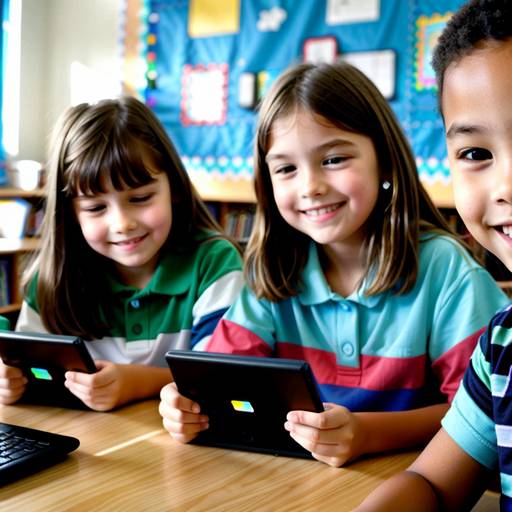
This 1st-grade technology lesson focuses on helping students understand the importance of proper device handling and maintenance. The lesson begins with a discussion about the various technology devices students use, followed by a short, engaging video that explains basic care practices.
Students work in small groups to sort picture cards depicting correct and incorrect device handling scenarios, fostering discussion about good habits. They then participate in a hands-on activity where they learn how to safely clean and care for their devices using microfiber cloths and soft brushes.
The lesson concludes with a group discussion where students share their learnings, and responses are recorded on a "Tech Care Tips" poster. Assessment involves observing student participation and evaluating their understanding through the sorting activity. Additionally, students are encouraged to share their knowledge with their families and may create a “Device Care Calendar” to track their device maintenance tasks at home. This lesson not only instills responsible technology use in young learners but also creates awareness about the importance of caring for their devices.
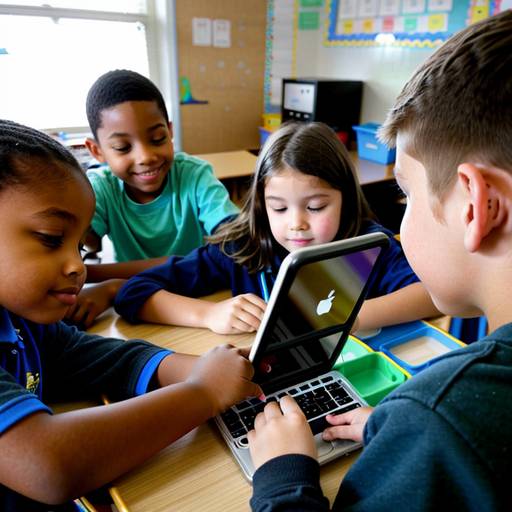
This lesson plan is designed for 1st-grade students to teach them the importance of maintaining and cleaning technology devices. The session begins with an engaging discussion about the consequences of neglecting device care, followed by a demonstration on proper cleaning techniques using safe materials. Students will then participate in a hands-on activity, where they will apply what they learned by cleaning various devices in small groups. The lesson concludes with a group reflection to reinforce their understanding and allow them to share their experiences. Participation rewards will be given to encourage engagement and responsibility among the students. The overall goal is to instill good habits for device care while making the learning experience interactive and enjoyable.
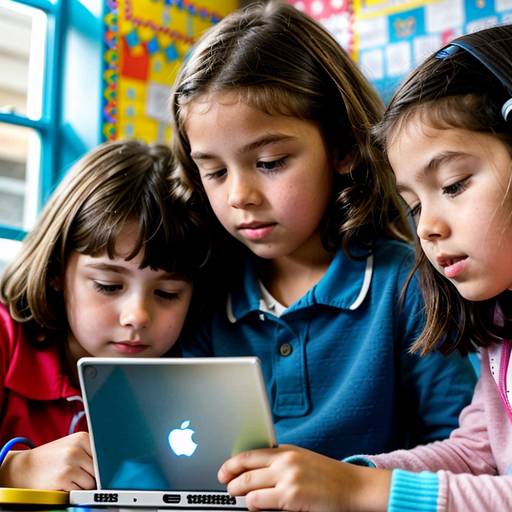
This lesson plan for 1st graders focuses on teaching students about the importance of device maintenance and proper handling techniques for technology. It begins with an engaging introduction where students identify different parts of devices like tablets and laptops. Through direct instruction, they learn about key components, including the screen, keyboard, and charging port, along with simple maintenance tips.
The lesson includes a hands-on activity where students practice safe handling and cleaning techniques in pairs, supported by a checklist to reinforce good habits. To conclude, students discuss the significance of caring for their devices and enjoy a story that highlights these concepts. Assessment is conducted through observation and review of the checklists, ensuring students grasp the material. Extensions encourage ongoing engagement with technology care at home and community involvement. Overall, the lesson aims to foster responsible tech usage and care among young learners.

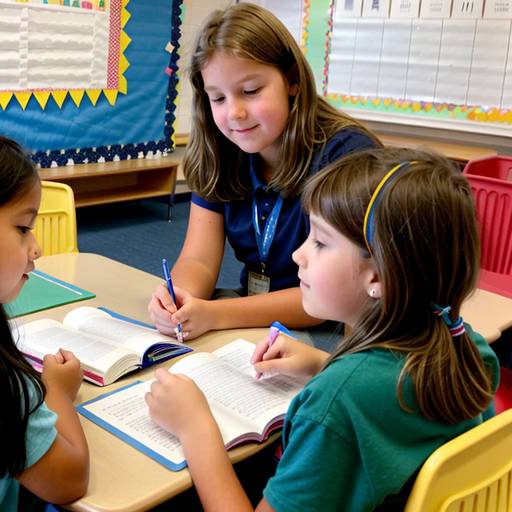
In this 1st grade Language Arts lesson plan, students will explore narrative writing by understanding its structure, which includes a beginning, middle, and end. The lesson begins with a discussion about stories, followed by a read-aloud of a sample story to illustrate key components. Students will collaboratively brainstorm and fill out a Graphic Organizer, learning to identify and organize elements of their own narratives. After receiving writing materials, each student will create their own story using the organizer as a guide, incorporating descriptive language. The lesson concludes with students sharing their narratives with the class or in pairs, followed by the opportunity to illustrate their stories. Assessment will focus on participation and the clarity of the narrative structure, with differentiation strategies in place to support varying levels of ability. An extension activity involves displaying student narratives on a "Story Wall" for further engagement.

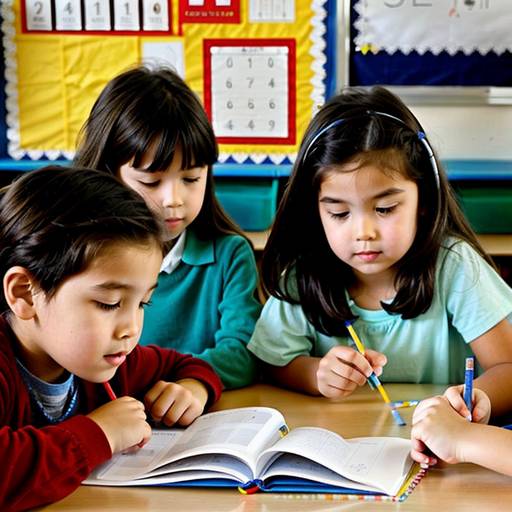
This lesson focuses on teaching first-grade students the concepts of time and measurement. The objectives include helping students learn to read the hour on an analog clock and measure objects using non-standard units, such as paperclips and cubes. The lesson begins with an introduction to the importance of time, followed by direct instruction on reading clocks and measuring objects. Students engage in guided practice activities, where they work in groups to measure various classroom items and practice telling time using worksheets. Independent practice involves drawing their favorite activities and identifying the time they occur, along with measuring objects at their desks. Assessment occurs through worksheet reviews and observation of group work. Differentiation strategies are incorporated to accommodate varying skill levels, and extensions encourage real-life application of the concepts learned. The lesson concludes with a reflection on its effectiveness and areas for improvement.
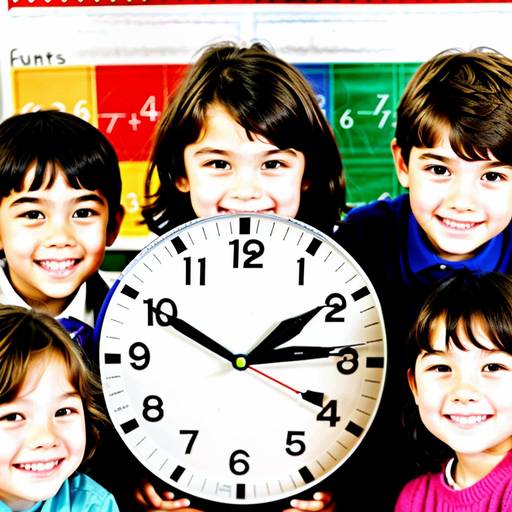
In this 1st-grade math lesson, students will learn how to tell time on an analog clock, focusing on both full hours and half hours. The lesson begins with an engaging introduction to clocks, followed by direct instruction on reading time and recognizing time patterns. Students will participate in guided practice by moving the hands on individual paper clocks to match spoken times and creating time patterns in pairs using pattern cards. They will further solidify their understanding through a worksheet activity, where they record times and devise their own time patterns. The class will end with a review of key concepts, encouraging students to share their creations and rewarding their participation. Assessments will include monitoring student engagement and reviewing their worksheets to ensure comprehension. Adjustments will be made to cater to different learning needs, with a homework assignment that encourages them to observe and record times at home.
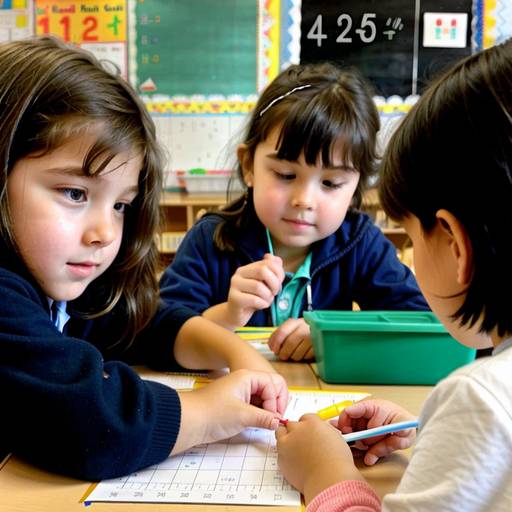
In this 1st-grade math lesson, students will explore the concepts of measurement and temperature through interactive activities. The lesson begins with a discussion on measurement and temperature, introducing non-standard units and the basics of reading a thermometer.
Students will then work in small groups to measure various classroom items using blocks, paper clips, or yarn, recording their findings on worksheets. They will share their results with the class, promoting collaboration and communication.
Next, students will participate in an engaging temperature experiment by interacting with cups of water at different temperatures, allowing them to identify and label how they perceive the warmth or coolness of each sample.
The lesson concludes with a review of the key concepts covered and an exit ticket activity where students reflect on one measurement they made and a temperature they learned about. Overall, the lesson emphasizes hands-on learning and real-life applications, making measurement and temperature concepts accessible and enjoyable for young learners.
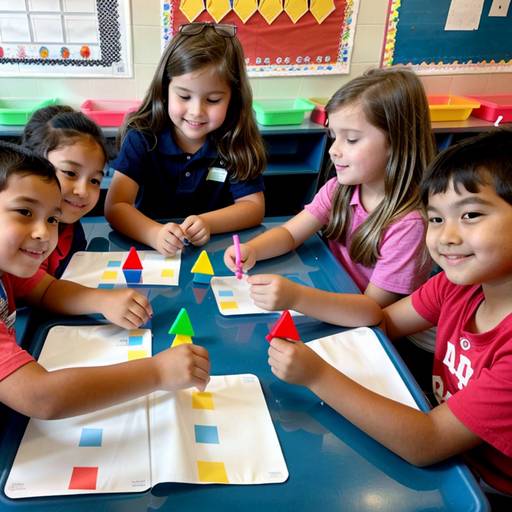
This 1st-grade math lesson focuses on measurement and temperature, aiming to help students understand the concepts of hot and cold while learning to use a thermometer. The lesson begins with an engaging discussion to introduce temperature and its relevance in daily life. Students then receive direct instruction on reading thermometers and categorizing images as hot or cold.
The hands-on activity involves pairs of students measuring the temperature of water in bowls containing ice cubes and warm water using their thermometers, followed by recording their findings and creating their own thermometer drawings.
The lesson concludes with a group discussion to share observations and reinforce learning. Assessment is based on observations during activities and the accuracy of students' temperature recordings. Extensions include a daily weather chart and a temperature diary, while adaptations are provided for students who need additional support. Overall, this lesson fosters a practical understanding of measurement through interactive and collaborative experiences.
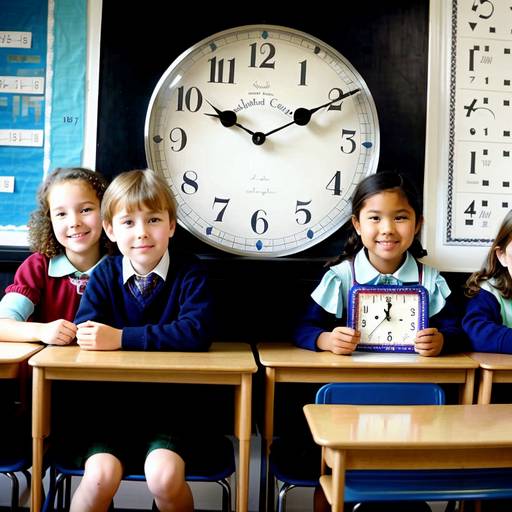
In this 1st-grade math lesson, students will explore the concept of time and recognize time patterns using analog clocks. The lesson begins with an introduction to the parts of a clock and the basics of telling time on the hour and half-hour. Through direct instruction, students will learn to identify and describe time patterns by analyzing sequences of times. They will engage in guided practice by completing worksheets that focus on filling in blanks in hourly patterns. For independent activity, students will create their own time patterns with colored pencils. The lesson concludes with a review of what they learned, allowing students to share their patterns with the class. Extension activities such as making paper clocks may be offered for further learning opportunities. Assessment will be carried out through observation and worksheet completion to evaluate students’ understanding of telling time and recognizing patterns. Differentiation strategies are also included to support diverse learners. This interactive approach aims to make learning about time enjoyable and engaging for young students.