
Filters
Level
Grade
Subject
Subject Area
Subject Topic
Standard(s)
Audience
Keyword
DurationMinutes
1st Grade Lesson Plans

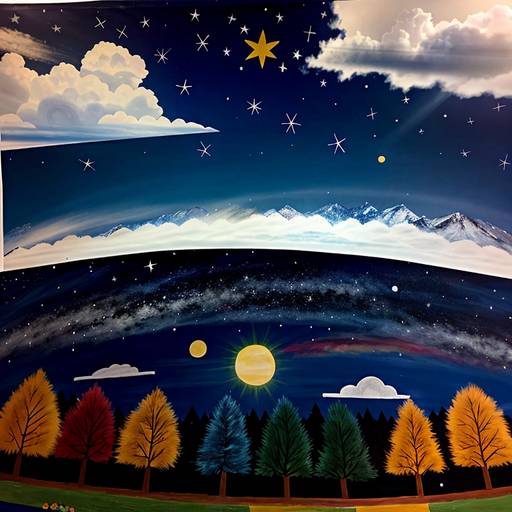
In this 1st-grade Earth Science lesson, students explore basic weather concepts and seasonal changes through engaging activities. The class begins with a read-aloud of a weather-themed book, sparking discussion about students' weather experiences. They learn to identify and describe four types of weather—sunny, rainy, cloudy, and snowy—using visual aids and vocabulary. Following this, the lesson transitions to an exploration of the four seasons, where students share their favorite aspects of each.
Students then participate in a hands-on weather observation activity outside, drawing what they see and recording their descriptions in a journal. Back in the classroom, the class collaborates to create a large "Weather Wheel," representing different weather types through illustrations. The lesson concludes with a group reflection on how weather affects daily life and an assignment for students to observe and document the weather over the following week.
Assessment is based on participation, journal entries, and contributions to the Weather Wheel, fostering students' understanding of weather and its impact on their environment. Optional extensions include creating a weather graph to chart observations over time and introducing a classroom weather station for ongoing exploration.

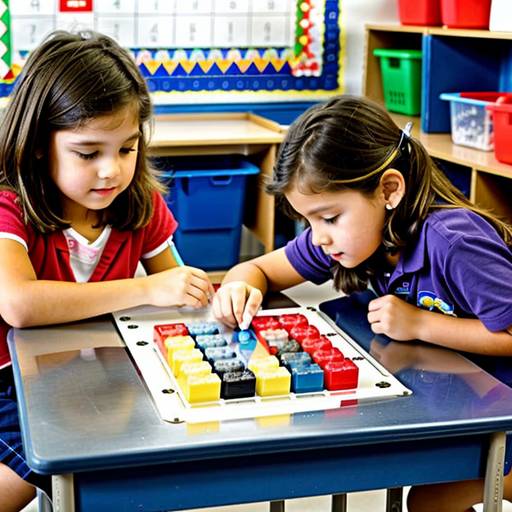
In this 1st-grade math lesson, students will explore the concepts of measurement and weight through hands-on activities using a balance scale and non-standard measurement units, such as counting cubes. The lesson begins with an engaging discussion about weight comparison, guiding students to introduce and understand key vocabulary like heavier, lighter, and balance. During guided practice, students will work in small groups to weigh various classroom objects and record their observations. In the independent practice segment, each student will choose an object to measure and document their findings on a worksheet, including comparisons to other items. The lesson concludes with a sharing session, allowing students to discuss their discoveries and reflections while emphasizing the relevance of measurement in everyday life. Assessment is integrated through observation and worksheet completion, with differentiation strategies in place to support diverse learners. Overall, this lesson promotes active learning and foundational skills in measurement.
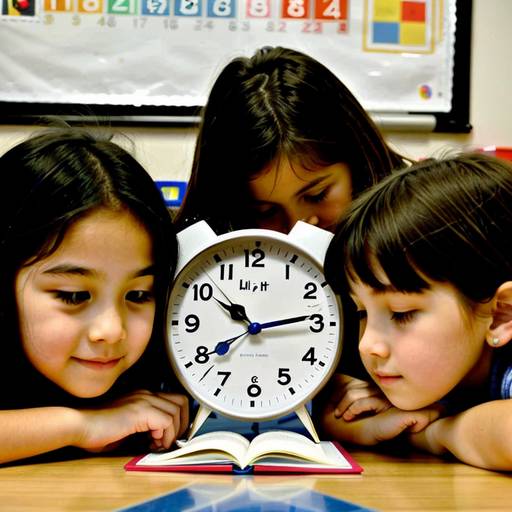
This 1st-grade math lesson focuses on teaching students how to tell time using analog clocks. The session begins with a lively song about time to engage the students, followed by a discussion on the significance of time and its daily applications. The teacher introduces the components of a clock, explaining the hour and minute hands while demonstrating how to read the time to the hour and half-hour. Students then participate in interactive practice by drawing the clock hands on printable clock faces.
Next, they engage in an activity where they connect common daily activities with the appropriate times on a “My Daily Schedule” worksheet. Independent practice allows students to reinforce their learning by completing their clocks or worksheets, while the closure involves sharing key takeaways and reflecting on the lesson. Throughout the session, assessment occurs through observation and the review of student worksheets to gauge understanding. Differentiation strategies are included to accommodate varying levels of proficiency among students, ensuring a comprehensive and enjoyable learning experience.
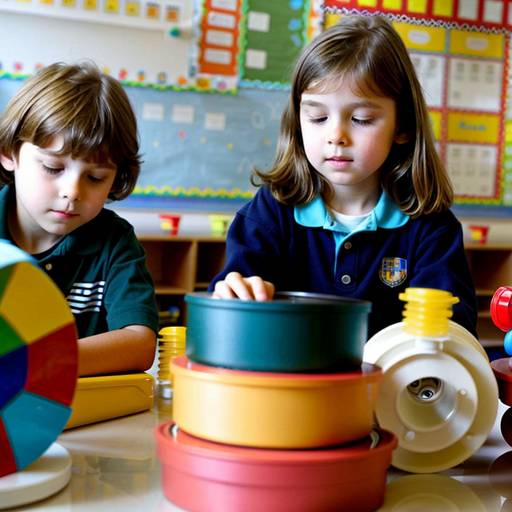
This 1st-grade science lesson focuses on introducing students to the concepts of motion in physical science. The lesson begins with a discussion about what motion is, using simple vocabulary such as push, pull, roll, slide, and stop. Students engage in hands-on activities where they experiment with various objects, including toy cars and balls, to observe how they move when pushed or pulled. Groups are formed to facilitate collaborative exploration, allowing students to work with ramps and different surfaces to see how objects roll, slide, and respond to force. The lesson encourages students to share their findings, reinforcing their understanding and vocabulary. As a wrap-up, students complete a worksheet to illustrate the different motions they explored. The lesson promotes engagement through interactive activities, group collaboration, and encourages critical thinking about everyday motion. Extensions and differentiation strategies are included to accommodate various learning needs.

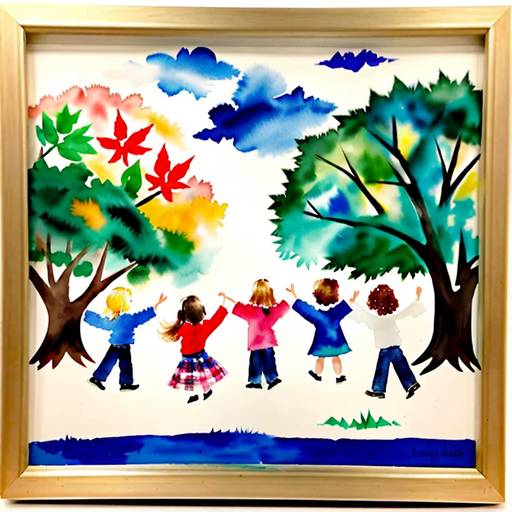
In this 1st Grade art lesson, students will explore watercolor painting techniques while creating nature-themed artwork. The lesson begins with an introduction to various watercolor paintings, encouraging discussion about colors and shapes found in nature. A hands-on demonstration will follow, showcasing essential techniques such as wet-on-wet, wet-on-dry, and color blending. Students will then sketch their chosen nature scenes before independently applying their watercolor skills to bring their ideas to life. The lesson concludes with a sharing session where students present their paintings, reflecting on their artistic choices and experiences. Assessments will focus on creativity, color usage, and technique application, with optional extensions for further exploration of watercolor effects.
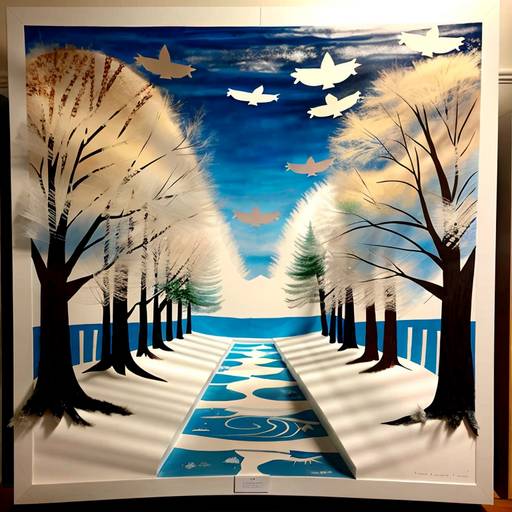
In this 1st-grade art lesson, students will explore the concept of mixed media by creating their own imaginative artworks. The session begins with a brief introduction to mixed media, showcasing various materials like paper, fabric, and magazine cut-outs. After a demonstration on how to layer these elements for depth and texture, students will embark on creating their whimsical worlds, starting with a colorful background and incorporating diverse materials. Throughout the activity, they will be encouraged to think creatively and express their individual ideas. The lesson concludes with students sharing their artworks with the class, discussing their inspiration and the materials they used, fostering reflection on the creative process. Assessment will focus on students' engagement, creativity, and the use of multiple media. Adaptations are also provided to ensure all learners can participate effectively.

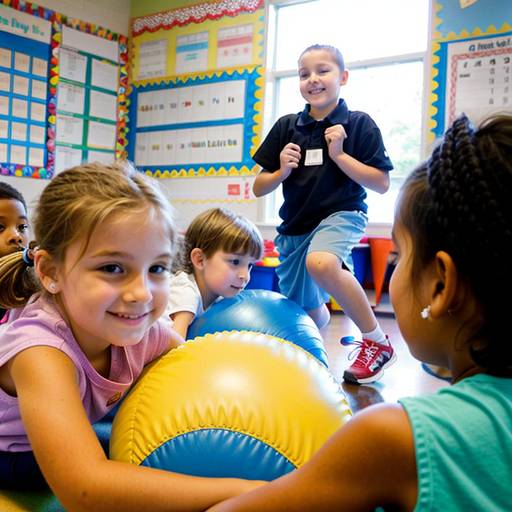
This first-grade physical education lesson focuses on introducing students to the concepts of fitness and flexibility through engaging activities and stretches. The session begins with a warm-up that includes a fun movement song followed by gentle dynamic stretches to prepare the body. Students then participate in stretching stations where they practice various exercises, such as the Cat-Cow Stretch, Butterfly Stretch, and Seated Toe Touches, while rotating through each station in small groups.
To enhance their learning experience, students engage in an interactive game that encourages them to move like different animals while incorporating designated stretches. The lesson concludes with a group discussion where students reflect on their favorite activities and stretches, followed by a calming cool-down session.
Throughout the lesson, students develop their understanding of the importance of fitness and flexibility, while also enjoying movement, teamwork, and healthy habits. An optional take-home activity encourages reinforcement of these concepts with family. Overall, the lesson aims to foster a positive attitude towards physical activity and encourage students to incorporate stretching into their daily routines.
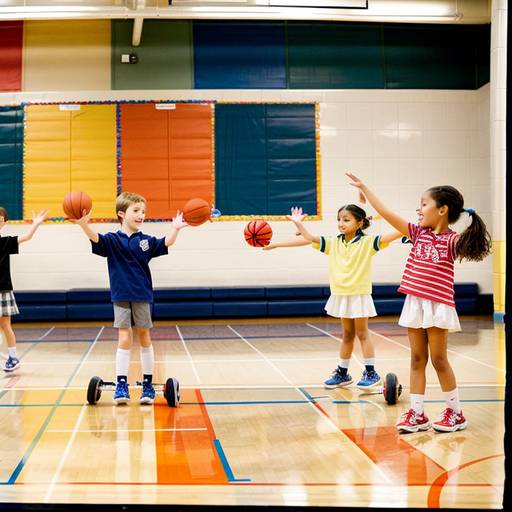
This 1st Grade Physical Education lesson focuses on enhancing students' coordination and balance through engaging activities. The lesson begins with a brief introduction to the concepts of coordination and balance, followed by a warm-up session that includes dynamic movements and stretching.
Students then participate in four activity stations designed to improve their skills: balancing in hula hoops, tossing beanbags to targets, walking on a balance beam, and practicing basic juggling techniques. After the stations, a group cool-down encourages relaxation and reflection on the activities.
To reinforce learning at home, students are given a simple task to practice balancing while engaged in their daily routines. The lesson emphasizes observation and positive feedback to assess students’ development and encourage collaboration among peers, ensuring that all learners, regardless of their abilities, can participate meaningfully. Future lessons will continue to challenge and refine these essential skills through fun and interactive games.
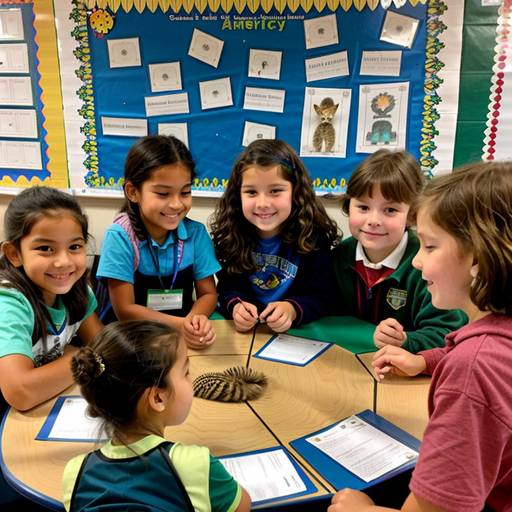
In this engaging 1st-grade science lesson, students will explore the fascinating world of animals, focusing on categorizing them into five main groups: mammals, birds, reptiles, amphibians, and fish. The lesson begins with a group discussion to elicit prior knowledge, followed by a read-aloud of a book that highlights different animals and their habitats. Students will work in small groups to sort animal picture cards into the appropriate categories, fostering teamwork and discussion. After sharing their findings with the class, they will engage in a creative art activity where they draw and label their favorite animal along with one of its basic needs. The lesson concludes with a reflection on what they have learned. Assessment will involve observing group work and reviewing students' drawings for comprehension. Extensions may include inviting a guest speaker or planning a field trip to deepen their understanding of animal care and habitats. Differentiation strategies will be included to support diverse learners. This lesson aims to spark curiosity and a sense of wonder about the animal kingdom while introducing essential life science concepts.
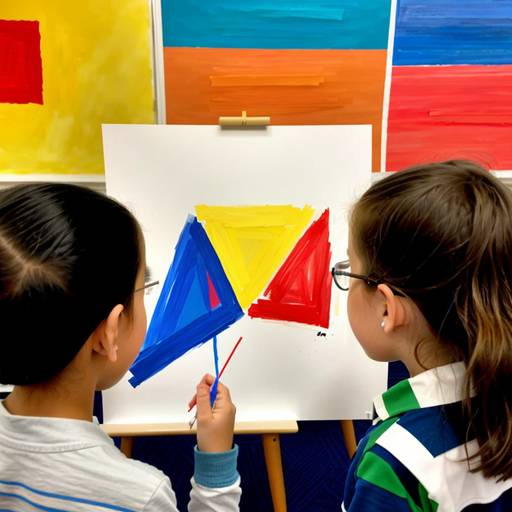
In this 1st-grade art lesson plan, students will explore the elements of art, focusing on color and shapes. They will learn to identify primary colors (red, blue, yellow) and how to mix them to create secondary colors (green, orange, purple). The lesson begins with a discussion about colors and an introduction to the color wheel, allowing students to understand the relationships between primary and secondary colors.
Students will engage in a hands-on activity where they practice mixing colors using crayons and markers. Following this, they will create a colorful collage using various pre-cut shapes made from colored paper, incorporating their understanding of color theory into their artwork. Throughout the lesson, students are encouraged to think creatively about patterns and layering.
As a culmination, students will share their collages with the class, discussing the colors they used and their significance. Assessment will focus on observing their color mixing skills and evaluating their collages for the use of primary and secondary colors. This lesson fosters creativity and critical thinking while providing a foundational understanding of art concepts.