
Filters
Level
Grade
Subject
Subject Area
Subject Topic
Standard(s)
Audience
Keyword
DurationMinutes
1st Grade Lesson Plans
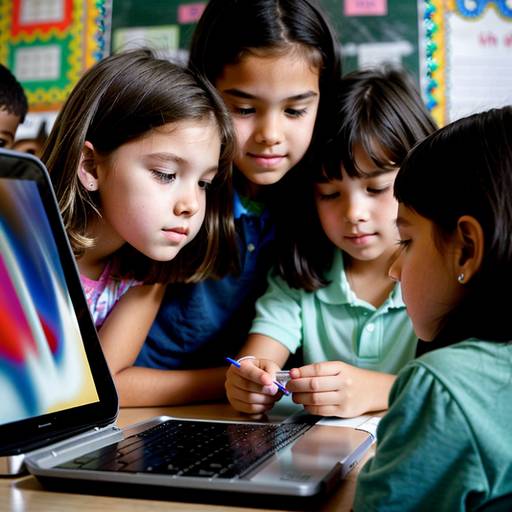
This lesson plan focuses on teaching 1st-grade students essential Internet skills and safety practices. It begins with an engaging discussion about their experiences with the Internet, followed by an introduction to what the Internet is and its uses. The instructor presents key concepts of Internet safety, including the importance of not sharing personal information and seeking help from adults when needed. A read-aloud story reinforces these concepts, making them relatable and easy to understand.
Students participate in a group discussion about safety tips and complete a worksheet activity where they color and draw their favorite Internet safety practices. The lesson concludes with a review of key points and an encouragement for students to ask questions. Assessment is based on student participation and worksheet completion.
Extension activities include creating a class Internet Safety poster and exploring online games that teach safe Internet behaviors. The instructor is encouraged to reflect on the lesson’s effectiveness and student engagement to improve future lessons. Overall, this lesson aims to equip young learners with the knowledge they need to navigate the Internet safely.

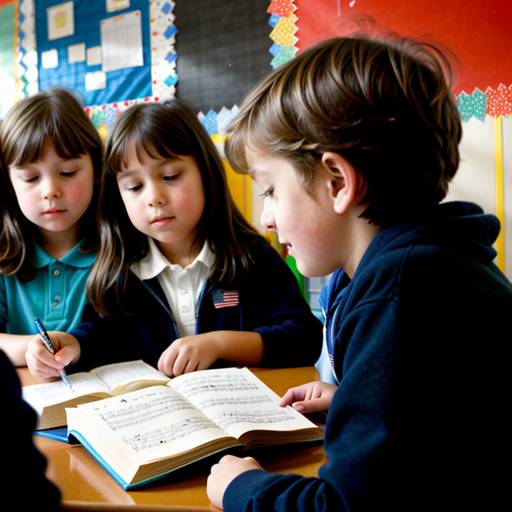
In this engaging 30-minute music theory lesson for 1st graders, students will explore the basic note names (A, B, C, D, E, F, G) through fun activities and games. The lesson begins with an introduction to the musical staff, accompanied by a visual aid that helps students identify note positions.
Following a warm-up activity that includes a call-and-response chant, students will participate in a Flashcard Relay where they race to find the correct note name when called out, promoting both teamwork and recognition skills. Additionally, they will engage in a Musical Task using percussion instruments to create rhythms that correspond with the note names, reinforcing their understanding through hands-on experience.
The lesson concludes with a review and an informal assessment through questions, ensuring comprehension. Each student will receive a certificate of completion, celebrating their participation and accomplishment. Overall, the lesson is designed to create a fun and interactive learning environment that builds foundational music knowledge.
In this lesson plan for 1st graders, students will explore basic music theory by learning to identify and name the musical notes A, B, C, D, E, F, and G, as well as understanding their positions on the staff. The session will begin with a playful introduction through song, encouraging students to share any note names they already know. The teacher will then explain the musical staff and demonstrate where the notes are located using a visual chart.
Following this, students will engage in a relay activity in small groups, matching colored note name cards to their correct positions on a large staff displayed on the whiteboard. This collaborative exercise promotes teamwork and reinforces their understanding of note placement.
To provide a hands-on learning experience, students will have the opportunity to use musical instruments such as tambourines and xylophones to play simple melodies, practicing the note names as they perform. The lesson will conclude with a recap of the notes learned and a discussion, allowing students to share one note they remember. Optional coloring handouts will be distributed for further engagement and reinforcement. Overall, the lesson is designed to create a fun and interactive atmosphere while developing foundational music theory skills.

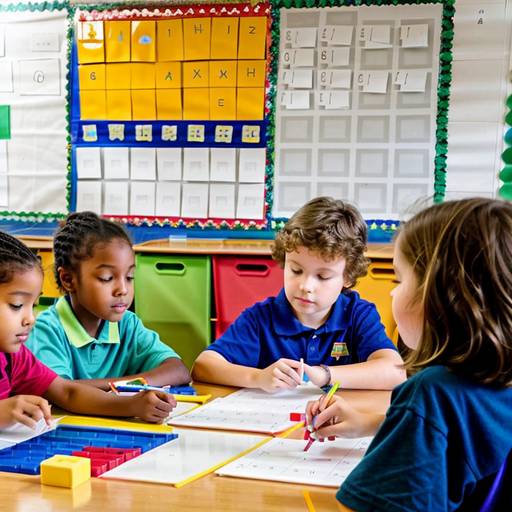
This lesson plan focuses on teaching first-grade students the concept of addition using single-digit numbers. It aims to build a foundational understanding of addition through interactive activities and visual aids. The lesson begins with a discussion on the relevance of addition in daily life, followed by direct instruction where students observe and participate in combining groups using manipulatives. Guided practice allows students to work in pairs, reinforcing their skills through collaborative problem-solving. Independent practice includes using addition story mats and worksheets to solidify their learning. The lesson concludes with a recap of key points and an emphasis on counting and grouping. Assessment is conducted through observation and review of student work. Additional activities provide further opportunities for practice, and differentiation strategies cater to various learning needs. Overall, the lesson promotes engagement and understanding of addition in a fun and relatable manner.
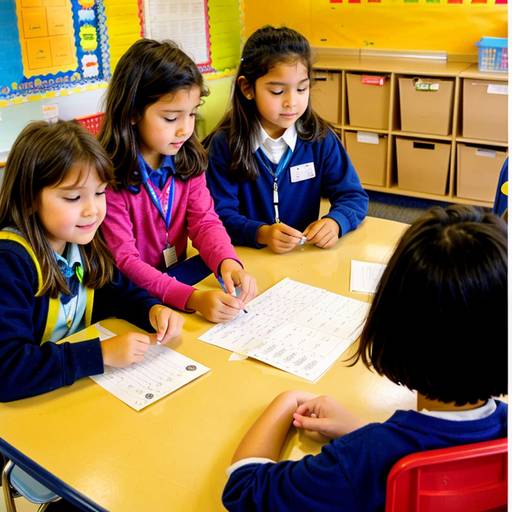
In this 1st-grade math lesson, students will explore addition through engaging word problems. The class will begin with a discussion about addition and its everyday applications, introducing key vocabulary such as total, sum, and together. The teacher will demonstrate the process of solving a word problem using visual aids and manipulatives, guiding students through identifying numbers, recognizing operations, and formulating complete sentence answers.
Students will then work collaboratively in small groups to solve word problems, encouraging teamwork and discussion. Afterward, they will have the opportunity to practice independently with worksheets featuring simple addition word problems, utilizing counters or drawings as needed. The teacher will provide support throughout the activity and assess understanding through observation and review of completed worksheets.
To conclude, the class will reflect on the lesson by sharing solutions, reinforcing the practical importance of addition. The lesson will cater to varying learning levels, with extensions for advanced students and additional support for those needing it, ensuring a comprehensive understanding of addition through word problems.

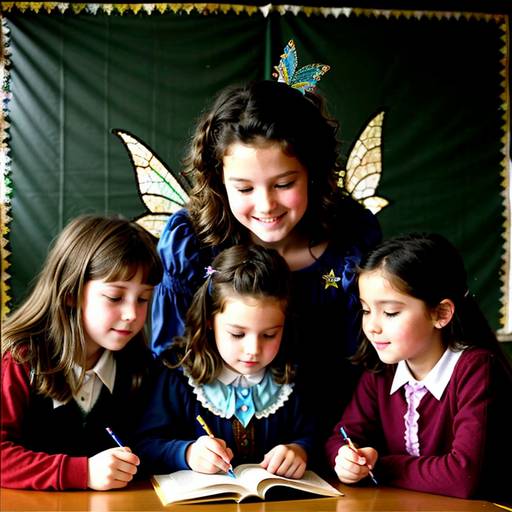
In this 1st Grade Language Arts lesson, students will explore the elements of fairy tales and engage in creative writing by crafting their own short stories. The lesson begins with a read-aloud of a familiar fairy tale, prompting a discussion about its key components: characters, setting, problem, and solution. Following this, the teacher will guide the class in collaboratively creating a new fairy tale, emphasizing the structure. Students will then receive a writing template to help them develop their individual stories, complete with illustrations. As they work independently, the teacher will circulate to offer support. To wrap up the lesson, students will share their stories with partners and have the opportunity to present to the class, fostering a sense of community and celebration of creativity. Assessment will include observations of participation, story elements, and creativity in the completed writing templates. Extension activities may involve compiling stories into a classroom book and using digital tools for story creation.
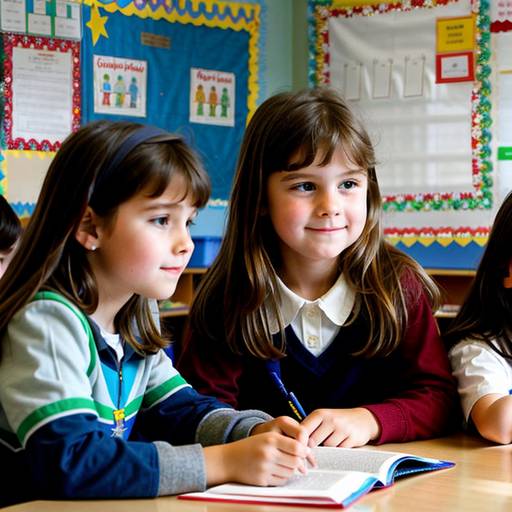
This first-grade language arts lesson focuses on narrative writing, guiding students to create simple stories with a clear beginning, middle, and end. The class begins with a read-aloud of a familiar story to introduce narrative structure, followed by a collaborative activity where students help create a story map together. Each student then independently fills out their own story map and writes a narrative, illustrating their work. The lesson concludes with students sharing their stories with classmates, fostering a supportive environment for feedback. Assessment is based on their understanding of narrative structure and creativity, with opportunities for extension through class book creation and exploration of different story genres in future lessons.

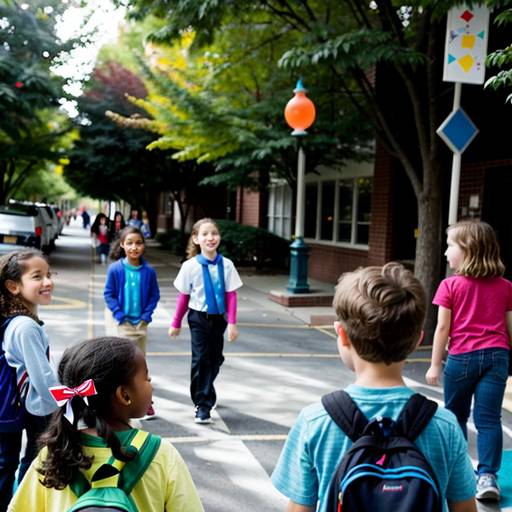
This lesson plan engages 1st-grade students in exploring the concepts of community and diversity. The objectives include helping students understand the makeup of their community and recognize different cultural backgrounds, customs, and contributions.
The lesson begins with a warm-up discussion where students share their thoughts about community, followed by a story that highlights diverse characters. In the main activity, students are divided into small groups to research and create posters about specific cultures found in their community, showcasing elements such as food, clothing, and traditions. A gallery walk allows students to present their work and appreciate each other's findings.
The lesson concludes with a class discussion reflecting on the importance of understanding and respecting diversity, followed by a drawing activity where students illustrate something they learned. Assessment includes monitoring participation, evaluating group posters, and reviewing individual drawings. Extensions include organizing a "Culture Day" and creating a class book that incorporates students' learnings about their diverse community.
This lesson plan for 1st graders focuses on understanding communities and the essential rules that help maintain order and safety. Students will begin by discussing what a community is and identifying various community helpers, such as police officers, firefighters, and teachers. They will participate in group activities to match helpers to their roles and explore the significance of rules within communities. Through a rule sorting activity, students will share examples of important community rules and discuss why they are necessary.
The students will then engage in a creative project where they draw and describe a rule they find important for their community, reinforcing their understanding. The lesson concludes with a recap of the key concepts and encourages students to think of ways to contribute to their community. Assessment will be based on participation and the completed creative project. Extensions include organizing a themed dress-up day and planning a field trip to observe community helpers in action. Overall, the lesson aims to foster a sense of community awareness and responsibility among young students.
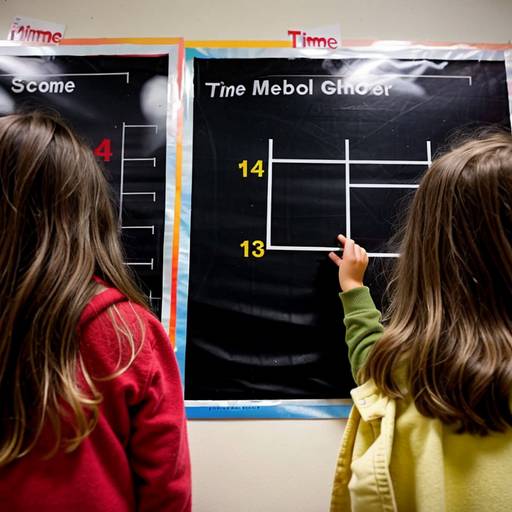
In this 1st-grade social studies lesson, students will explore the concept of timelines and their significance in understanding history. The lesson begins with a discussion about history, followed by a read-aloud of a picture book that illustrates important events and their sequence. Students will participate in a collaborative activity to create a class timeline, placing significant school and community events in chronological order. Following this, they will individually design personal timelines featuring three important events from their own lives. The lesson concludes with students sharing their timelines in pairs or with the class, fostering discussions on the importance of remembering personal and community history. Assessment will focus on students' ability to order events correctly during group activities and clarity in their personal timelines. Extensions include researching historical figures for further exploration of life events and timelines.