
Filters
Level
Grade
Subject
Subject Area
Subject Topic
Standard(s)
Audience
Keyword
DurationMinutes
1st Grade Lesson Plans

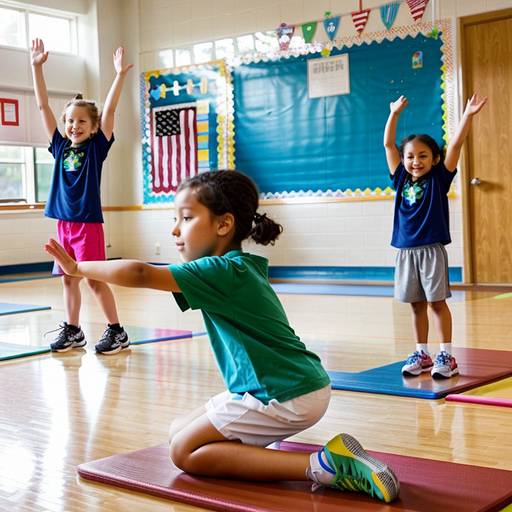
This lesson plan for 1st graders focuses on introducing students to the concepts of fitness and flexibility through engaging and interactive activities. The class begins with a warm-up involving simple movements to get students active and ready to learn. A discussion highlights the importance of flexibility and stretching.
Students participate in various stretching stations, each featuring a different stretch that targets specific parts of the body. This is followed by a fun relay race where they perform designated stretches at each station before moving on to the next. The lesson concludes with a cool-down session that incorporates deep breathing and gentle stretches, promoting relaxation and recovery.
Throughout the class, the teacher assesses student engagement and understanding through observation and questions. The lesson also includes modifications for students with limited mobility, ensuring everyone can participate. To further reinforce learning, students are encouraged to create a "Stretching Chart" at home to share in the next class.

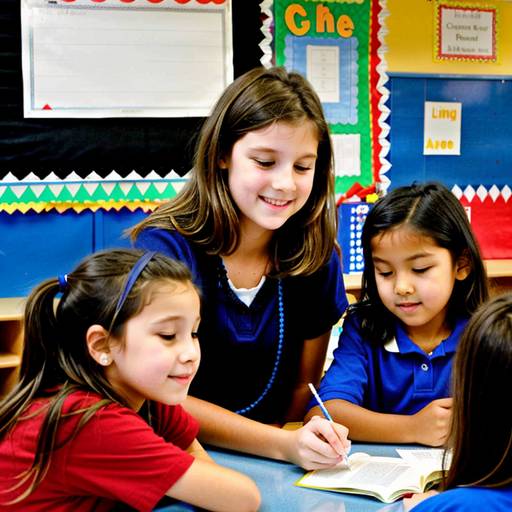
In this 1st-grade language arts lesson, students focus on improving their reading fluency through engaging activities centered around a familiar story. The lesson begins with an introduction to reading fluency, where students listen to a read-aloud of the chosen story, followed by the exploration of key sight words using word cards.
Students then participate in partner reading, taking turns reading the story aloud to each other, which allows them to practice smooth and expressive reading while discussing the story to enhance comprehension. Each student tracks their fluency progress on a chart, and the lesson concludes with a group reflection on their experiences, reinforcing the importance of regular reading practice.
Differentiation strategies are implemented to support varying reading levels, ensuring all students feel confident and engaged. Optional extensions encourage students to express their understanding through drawing and sharing their own stories in future lessons. Overall, the lesson aims to foster a love for reading while developing essential fluency skills.
In this first-grade physical education lesson, students will participate in a fun, interactive session focused on cardiovascular fitness. The lesson begins with a warm-up activity called "Follow the Leader," where students engage in exercises that raise their heart rates. Following a brief discussion on the importance of cardio fitness, students will rotate through four activity stations designed to promote movement and teamwork. These stations include hopping in hula hoops, tossing bean bags at targets, participating in a relay race, and enjoying free dance time to upbeat music. After completing the stations, students will cool down with stretching exercises while reflecting on their experiences and feelings about the importance of physical activity. The lesson emphasizes enjoyment, cooperation, and inclusivity, ensuring that all students are engaged and active throughout the session. Informal assessment will be based on observation of participation and enthusiasm.
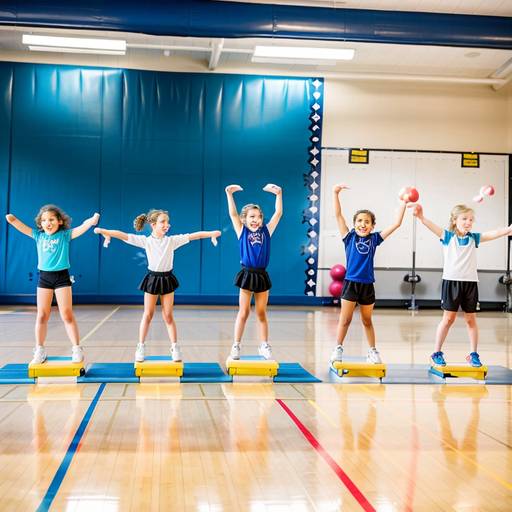
This 1st-grade physical education lesson focuses on introducing students to basic gymnastic skills and sports concepts through fun and engaging activities. The lesson begins with a dynamic warm-up to prepare the students' bodies, followed by a series of activity stations where they practice rolling, balancing, and jumping. Each station encourages skill development and teamwork through cooperative games. After the main activities, students participate in a cool-down that includes gentle stretches and a discussion reflecting on what they learned. The lesson provides opportunities for assessment through observations of student participation and skill execution, while also offering adaptations for different skill levels. To reinforce learning, students are encouraged to practice their newfound abilities at home, and plans for a mini showcase are suggested to further motivate and celebrate their progress.

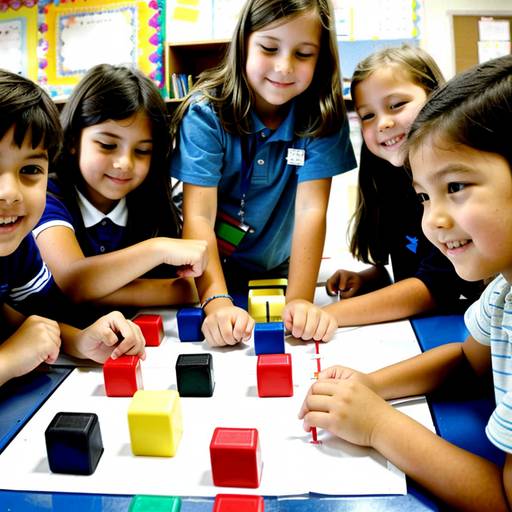
In this engaging 1st-grade math lesson, students will explore the concepts of measurement and time through hands-on activities. They will begin by discussing the importance of measurement and learning to tell time using both analog and digital clocks.
Students will participate in a group activity where they measure various classroom objects using non-standard units, such as paper clips and blocks, recording their findings on chart paper. Following this, they will enhance their time-telling skills through practice with time flashcards, where they will identify different times, and create their own paper plate clocks to demonstrate their understanding of telling time to the hour and half-hour.
Throughout the lesson, students will work collaboratively, share their findings, and engage in discussions that reinforce their learning. The lesson will end with a review of key concepts and an assessment of their understanding through observation, group recordings, and their created clocks. Extension activities will allow for further exploration of measurement and time, ensuring a comprehensive grasp of these fundamental math skills.
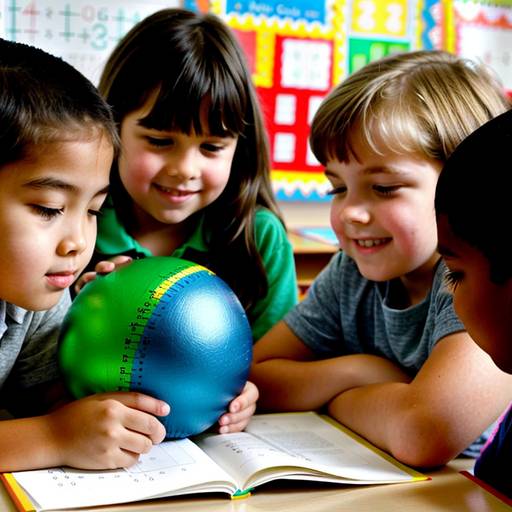
This 1st grade math lesson focuses on the concepts of measurement and weight through engaging, hands-on activities. Students begin by discussing the differences between measurement (size) and weight (heaviness) before working in small groups to measure classroom objects using non-standard units, like unifix cubes. They record their measurements and share findings with the class, creating a collective visual chart.
Next, the students explore weighing various objects using balance scales, predicting which will be heavier or lighter before confirming their predictions through hands-on experimentation. Their observations are noted on a worksheet to reinforce learning.
The lesson concludes with a review of key concepts, emphasizing teamwork and participation. Students are encouraged to reflect on their experiences, and sticker rewards are given for engagement. This lesson not only develops foundational skills in measurement and weight but also promotes collaboration, communication, and a love for learning.
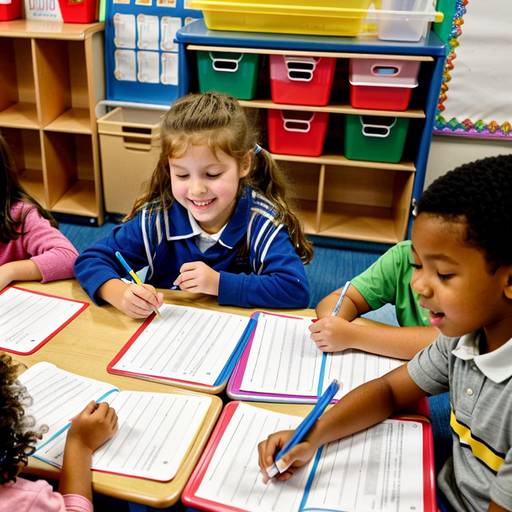
In this 1st Grade Language Arts lesson plan, students will explore the concept of synonyms and expand their vocabulary. The lesson begins with a brief introduction to synonyms, encouraging students to share their understanding and examples. Through an engaging picture card activity, students will identify synonyms for common words as a class, promoting collaboration and discussion.
For independent practice, students will complete a synonym match-up worksheet and create simple sentences using the synonyms they learned, allowing them to apply their knowledge creatively. The lesson concludes with a review of their sentences, reinforcing the importance of synonyms in language.
Assessment will be conducted through observation during activities and by reviewing worksheets, while differentiation strategies will cater to varying skill levels. Extensions include creating a “Synonym Wall” in the classroom and engaging families in discovering new synonyms at home. This lesson aims to enhance students’ language skills in an enjoyable and interactive manner.
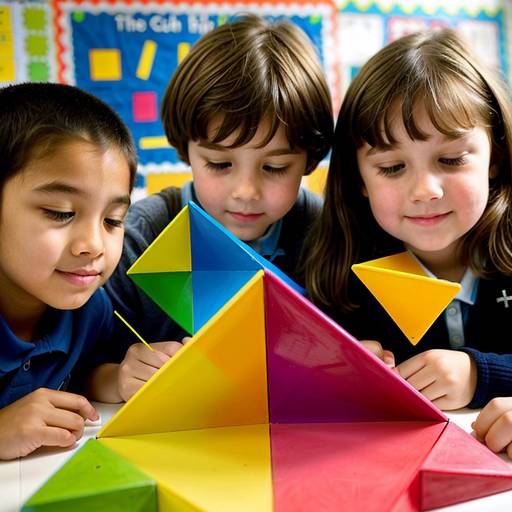
This 1st-grade math lesson focuses on introducing students to basic geometric shapes and patterns. The class begins with a discussion that helps students identify common shapes such as circles, squares, triangles, and rectangles found in their environment. Students then participate in a shape identification activity, sorting colored construction paper shapes in pairs.
Following this, the concept of patterns is introduced, with examples provided to help students understand the sequence and repetition involved. In small groups, students create their own patterns using a variety of small objects or pattern blocks and present their work to the class, fostering collaboration and communication skills.
A shape scavenger hunt is incorporated, allowing students to explore the classroom or outdoor space to find and draw real-world examples of the shapes they have learned about. The lesson concludes with a reflection on their discoveries and an emphasis on the presence of geometry in everyday life. Throughout the lesson, the teacher assesses students' understanding through observation and review of their work while offering differentiated activities to cater to varied learning needs. Additionally, opportunities for extension activities are provided to enhance engagement and learning.
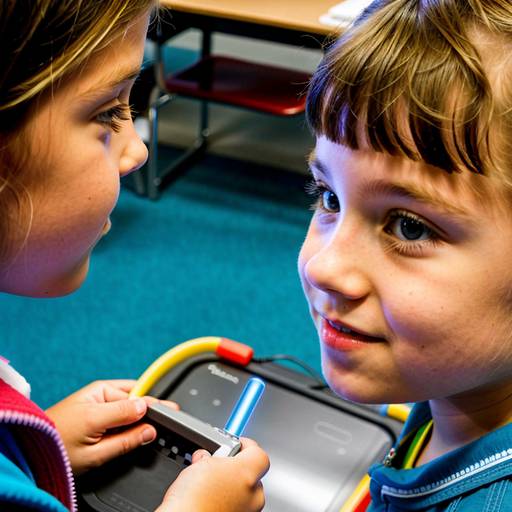
In this engaging lesson for 1st-grade students, participants will explore the importance of maintaining and cleaning their technological devices. The lesson begins with an interactive discussion where students share their favorite gadgets, leading to a conversation about device cleanliness. Using printed illustrations, students will identify the need for cleaning various devices like tablets and laptops. A demonstration will follow, showcasing proper cleaning techniques using appropriate materials.
Students will then participate in a hands-on activity, cleaning assigned devices in small groups while practicing teamwork and communication. To conclude, the class will reflect on their learning experiences and discuss how often they should care for their devices at home. Rewards in the form of stickers will be given for participation and successful cleaning efforts. The lesson emphasizes the responsibility of caring for technology and equips students with practical skills they can apply at home and in the classroom.

In this 1st-grade Language Arts lesson plan, students will explore the fundamentals of grammar and punctuation through engaging activities. The lesson begins with an interactive introduction to sentences, highlighting the essential roles of capital letters and punctuation marks, including periods, question marks, and exclamation points.
Students will participate in discussions to identify types of sentences and practice adding appropriate punctuation. In small groups, they will create their own sentences using provided words, then present their work to the class, allowing for peer feedback on punctuation.
Independent practice will involve completing worksheets where students will punctuate provided sentences. The lesson concludes with a review session where students share their sentences, reinforcing their understanding and celebrating their efforts with stickers. Informal assessment will occur through observation and the review of worksheets, with extensions available for advanced and struggling students. Overall, this lesson promotes cooperative learning and encourages students to express themselves clearly through correct grammar and punctuation.