
Filters
Level
Grade
Subject
Subject Area
Subject Topic
Standard(s)
Audience
Keyword
DurationMinutes
Preschool Science Lesson Plans

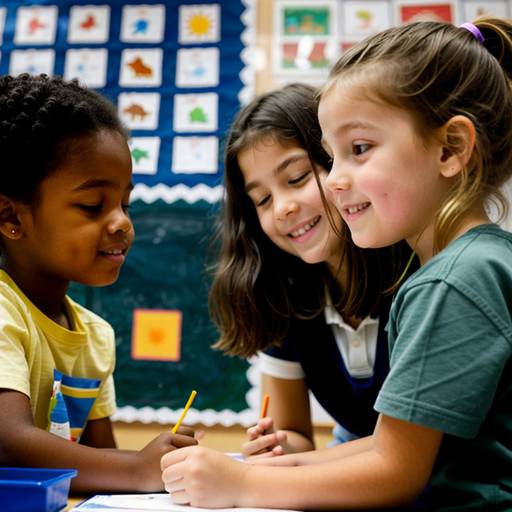
This preschool science lesson is designed to engage children in exploring animals through observation and inquiry. Students will begin by sharing their knowledge of different animals during a circle time discussion, setting the stage for discovery. They will then participate in hands-on observation activities at designated stations, where they will examine toy animals and pictures, using magnifying glasses to enhance their exploration and describe their findings.
Following this, children will gather for an inquiry circle, discussing their observations, asking questions about animals, and providing answers based on their insights. This fosters critical thinking and inquiry skills. To promote creativity, each child will then create an artwork of their favorite animal, sharing their drawings and insights in a show-and-tell format.
The lesson concludes with a recap of what was learned, encouraging students to continue observing animals in their environment. Optional follow-up activities include field trips and ongoing journaling to further explore animal habitats. Assessment will focus on student participation, observation skills, and artistic expression throughout the lesson. Overall, the lesson emphasizes hands-on learning, critical thinking, and creative expression in the context of animal exploration.
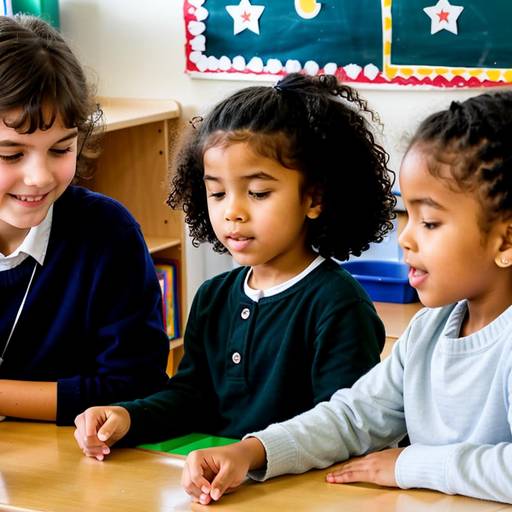
This preschool science lesson focuses on introducing young children to the fundamental concepts of Earth and space. The lesson aims for students to recognize basic features of Earth, such as land and water, and celestial bodies like the sun, moon, and stars.
The session begins with a brief introduction where pictures of Earth and space are displayed to spark discussion. Children then engage in an interactive balloon activity, where they handle balloons representing Earth and celestial bodies, promoting tactile exploration and allowing them to express their observations.
Following the balloon activity, children participate in creating their own art pieces on a large poster board, illustrating their understanding of Earth and space using markers, crayons, and stickers. This creative component encourages self-expression and teamwork as children share their creations with peers.
The lesson wraps up with a group discussion, where children share their artwork and reflect on what they’ve learned. A brief story read-aloud reinforces the themes covered in the lesson.
Assessment is based on student participation and engagement throughout the activities, while potential extensions include deeper explorations of related topics, nurturing curiosity about the world and universe. Overall, the lesson serves to foster a foundational understanding of Earth and space in a fun and interactive manner.
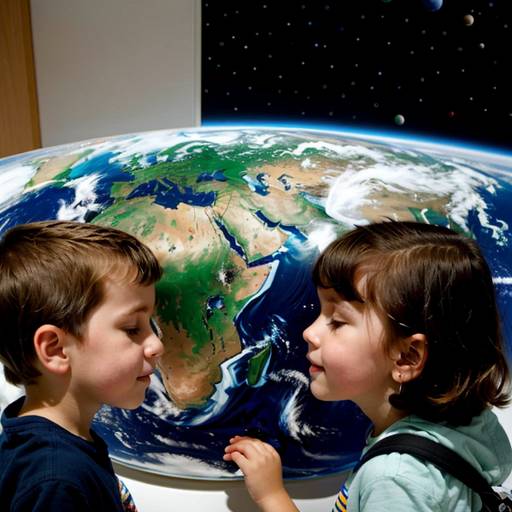
This preschool lesson plan introduces young learners to the five senses through an engaging exploration of Earth's and Space's wonders. Over a 39-minute session, students will participate in various hands-on activities at different sensory stations. They will have the opportunity to feel textures from nature, listen to various sounds associated with Earth and space, identify scents, and taste fruits that represent different planets.
Following the sensory exploration, children will create a mural reflecting their experiences, using their senses as inspiration for artistic expression. The lesson concludes with a group discussion allowing students to share their insights and observations. Throughout the session, the teacher will facilitate engagement and assess understanding by observing student participation and encouraging conversation. This interactive and sensory-based approach aims to foster curiosity and a deeper appreciation for the world around them.
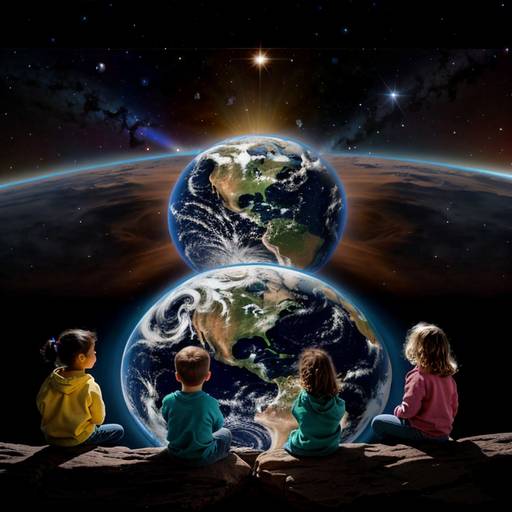
In this engaging preschool science lesson, students will participate in hands-on activities to discover Earth’s elements, such as soil, water, and air, while also exploring basic concepts related to the Earth and space. The lesson begins with an interactive discussion that encourages students to share their prior knowledge about the ground, the stars, and the Moon.
Next, students work in small groups to investigate different Earth materials by filling cups with various elements, discussing their observations, and predicting outcomes when mixing soil and water. Following this, the class participates in a celestial simulation using balloons to represent the Earth and Moon, where children learn about orbits by walking in circles and using flashlights to imitate stars in the night sky.
The lesson concludes with a group discussion where students share what they learned and a storytime session featuring a space-themed book to reinforce the concepts introduced. By the end of the lesson, students will have a foundational understanding of Earth and space elements through experiential learning, fostering curiosity and scientific inquiry.
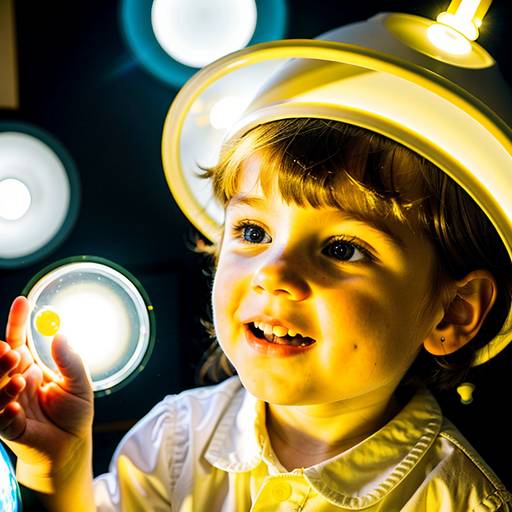
This preschool science lesson focuses on the fundamental concepts of light and sound through interactive and hands-on activities. Designed for children aged 3-5, the lesson begins with a group discussion to introduce these sensory concepts, followed by engaging exploration stations. One set of stations allows children to experiment with light using flashlights, colored cellophane, and mirrors, while the other set focuses on sound with musical instruments and nature sound recordings. After each exploration, students gather to share their discoveries and reflect on their learning experiences. The lesson concludes with a story that reinforces the themes of light and sound. Throughout, teachers observe children's engagement and understanding while encouraging creative expression and reflection. Extension activities, such as creating a class mural or outdoor sound walks, provide additional opportunities for learning and exploration. Overall, this lesson fosters curiosity and a deeper understanding of the world through light and sound.
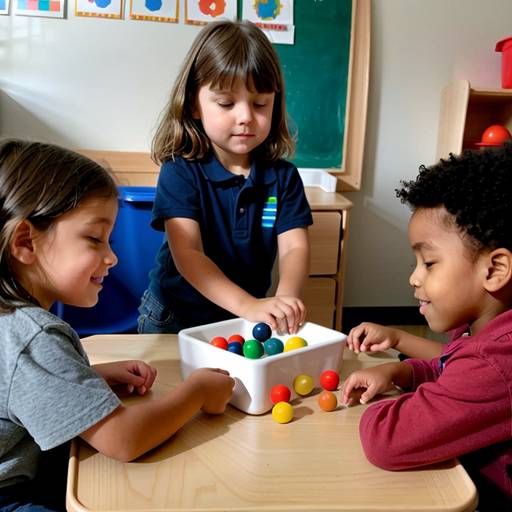
In this preschool science lesson, students will explore the five senses: sight, hearing, taste, touch, and smell through a series of interactive activities. The session begins with an engaging introduction to the senses, followed by five sensory stations where children can independently experience each sense. At the sight station, they will describe colorful objects, while at the hearing station, they will listen to various sounds. The taste station offers opportunities to sample different fruits and vegetables, and at the touch station, children will engage with various textures. Finally, the smell station will challenge them to identify various scents.
After rotations, students will gather for a group discussion to reflect on their experiences, sharing their favorite moments from each station. To conclude, they will create drawings representing their favorite sense, promoting creativity and expression. Optional snack time may be included, allowing further exploration of taste. The lesson aims to foster curiosity and enhance observational skills while accommodating individual needs throughout the activities. Assessment will focus on participation, understanding, and expression during discussions and completed worksheets.
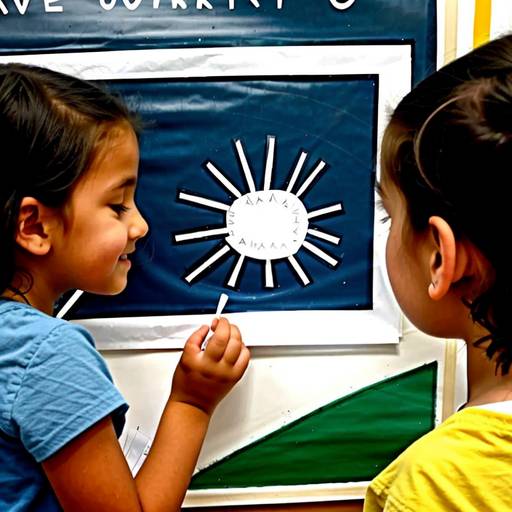
In this engaging preschool science lesson, students will learn to differentiate between living and nonliving things while exploring various animals and their habitats. The session begins with a group discussion where children share their favorite animals. They will participate in a sorting activity that helps them categorize picture cards of animals and nonliving objects, reinforcing the characteristics of each group.
Next, students will be introduced to different animal habitats through images or dioramas, discussing how animals adapt to their environments. A small live plant will also be presented to highlight its living traits.
To foster creativity, children will create their drawings of animals in their chosen habitats, taking into consideration what those animals need to thrive. The lesson wraps up with students sharing their artwork and discussing what they learned about living versus nonliving things. Throughout the session, students are encouraged to observe their surroundings and consider the nature of the entities they encounter.
Assessment will focus on participation in activities and discussions as well as the thoughtfulness displayed in their drawings. Extensions for future lessons could include topics such as animal adaptations and food chains. Overall, this lesson aims to stimulate curiosity about the natural world and enhance understanding of life sciences in young learners.
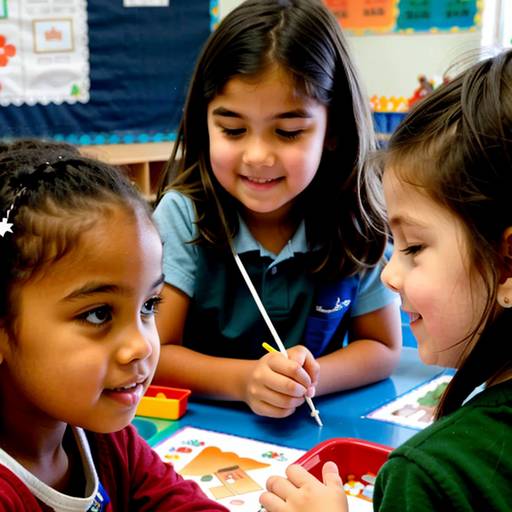
In this preschool science lesson, students will explore the world of animals and their habitats while developing environmental awareness. The session begins with an interactive introduction where children engage in making animal sounds and discussing different animals. They will explore various habitats through a visual poster, identifying which animals reside in each environment.
The lesson continues with a focus on environmental protection, where children learn simple actions they can take to help preserve nature, followed by a storytelling segment that reinforces this theme. In a creative craft activity, students will create their own animals using craft supplies, considering their animal's habitat.
To culminate their learning experience, children will participate in a nature scavenger hunt outdoors, encouraging them to observe their surroundings and connect their lessons to real-life experiences. The lesson wraps up with a group reflection, allowing each child to share their creations and insights. Overall, the activities promote engagement with nature, foster creativity, and emphasize the importance of caring for the environment and its inhabitants.
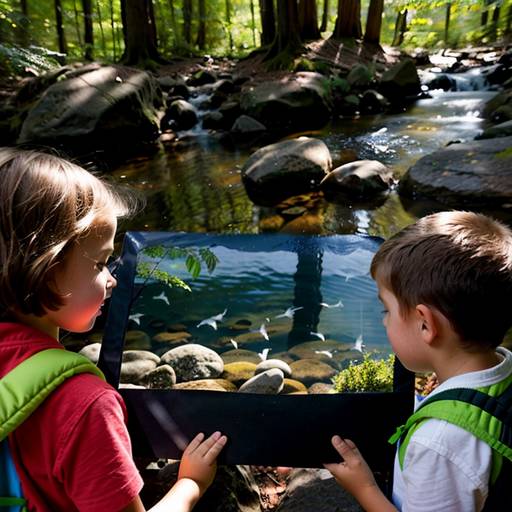
In this preschool science lesson, students will explore the components of ecosystems, focusing on plants, animals, and their habitats. The lesson begins with a circle time discussion that engages children by asking questions about what they see in nature and showcasing pictures of various ecosystems. Following this, students will participate in a nature walk, allowing them to collect small natural items, which helps enhance their observational skills and connection to the environment.
Back in the classroom, students will create collages using the items they've collected, adding drawings and paint to represent their understanding of the ecosystem. The activity encourages creativity and reinforces learning through hands-on experience. Finally, students will share their collages in a show-and-tell format, fostering communication skills and peer interaction.
The lesson wraps up with a discussion about the importance of caring for the environment, aiming to instill a sense of responsibility and appreciation for nature in young learners. Assessment will be based on students’ engagement and creativity during the activities. Opportunities for further exploration include gardening or inviting a guest speaker to discuss environmental conservation.
In this preschool science lesson, children will explore different types of weather and the four seasons. The session begins with a discussion where students share observations about the current weather. Visual cards representing weather conditions are used to engage students and prompt conversation about activities related to each type of weather. The lesson then introduces the four seasons through visuals, highlighting key characteristics and encouraging students to think about their favorite seasonal activities.
An interactive activity involving a dressing doll allows students to choose appropriate clothing for various weather conditions and seasons, fostering understanding through hands-on engagement. Following this, students will participate in a creative art activity, drawing pictures related to their preferred weather or season, and sharing their creations with the group.
The lesson concludes with a review of key concepts and the completion of a daily weather chart, reinforcing the idea of tracking weather patterns. Overall, the lesson aims to engage preschoolers in a fun and interactive way, helping them better understand the relationship between weather and seasons through visual, auditory, and kinesthetic learning experiences.