
Filters
Level
Grade
Subject
Subject Area
Subject Topic
Standard(s)
Audience
Keyword
DurationMinutes
Preschool Science Lesson Plans

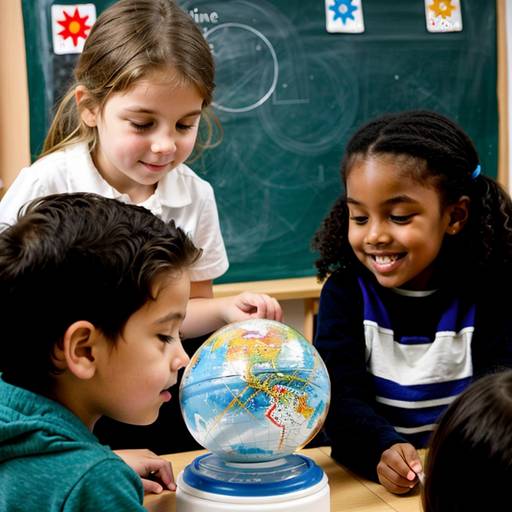
In this preschool science lesson, students explore the concepts of push and pull through engaging hands-on activities. The session begins with a circle time discussion where children learn the basic definitions of push and pull, accompanied by demonstrations using toy cars and balls.
The lesson includes two main activities: a ramp race where students push toy cars down a slope, allowing them to observe how different levels of force affect motion, and a push and pull challenge with boxes and lightweight objects. Following these activities, students reflect on their experiences and share which actions felt easier and why.
To reinforce the concepts, children participate in a creative art activity, drawing something they pushed or pulled during the session. The lesson concludes with a recap and encourages students to identify examples of push and pull in their everyday lives. Throughout the lesson, the emphasis is on observation, discussion, and playful experimentation, allowing children to grasp the fundamental principles of forces and motion in a fun and interactive manner.
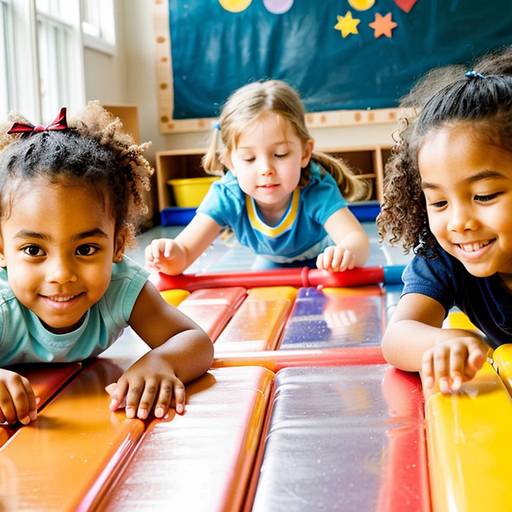
In this preschool science lesson, students will engage in hands-on activities to explore the basic concepts of forces and motion through pushing and pulling. The lesson begins with an interactive discussion where students are encouraged to share their ideas about movement. They will then work in small groups to experiment with toy vehicles and balls on a smooth ramp, observing how different objects move in response to these forces.
After conducting their experiments, students will come together to discuss their observations, learning about the influence of gravity on motion. To reinforce their understanding, they will create drawings of their favorite experiments, labeling the types of forces involved. The lesson concludes with students sharing their artwork and reflecting on what they learned. Throughout the lesson, teachers will assess engagement and comprehension based on observations and discussions. This engaging experience aims to provide preschoolers with a foundational understanding of how forces impact the movement of objects.
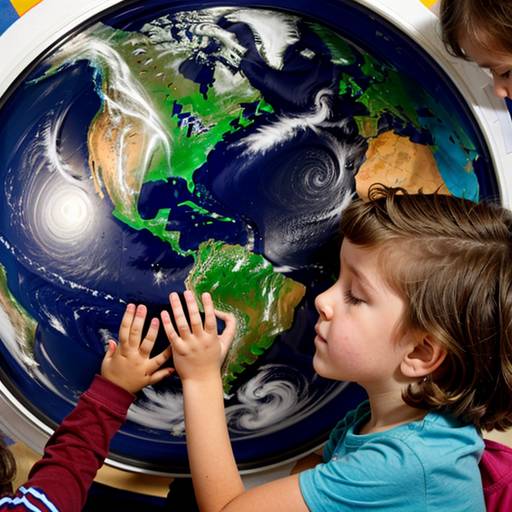
In this preschool lesson plan, students explore the five senses while connecting them to concepts related to Earth and space. The class begins with an introduction to the senses, followed by interactive sensory stations where students engage in hands-on activities. These stations allow them to touch various materials, observe images, listen to nature sounds, smell different scents, and taste edible items related to Earth. After rotating through the stations, students create sensory-inspired artwork using crayons and markers, reflecting their experiences. The lesson concludes with a group discussion where students share their artwork and insights, reinforcing how their senses help them understand the world around them. This engaging approach fosters curiosity and enhances sensory awareness in relation to scientific concepts.
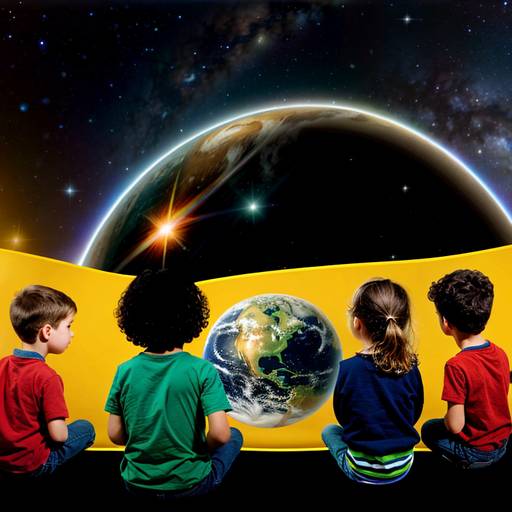
- Touch and Feel - Students will explore various textures representing Earth's surfaces.
- Sound Exploration - They will listen to nature and space-themed sounds, fostering a connection to the auditory elements of the environment.
- Taste of Earth - Students will taste small pieces of fruit, discussing how Earth's plants provide food and how astronauts can adapt their diets in space.
- Visual Wonders - Using flashlights and magnifying glasses, students will investigate light and examine images of celestial bodies, discussing color and visual differences.
- Creative Expression - Finally, they will express their ideas through drawing, illustrating their perceptions of Earth and space.
The lesson culminates in a group reflection where students share their experiences, followed by a story that reinforces the key concepts. This hands-on approach promotes curiosity and a deeper understanding of the natural world, encouraging students to recognize how their senses play a role in their observations. Extensions for the lesson include outdoor sensory activities and at-home exploration tasks for families. Assessment will focus on student participation and understanding demonstrated during discussions and creative expressions.
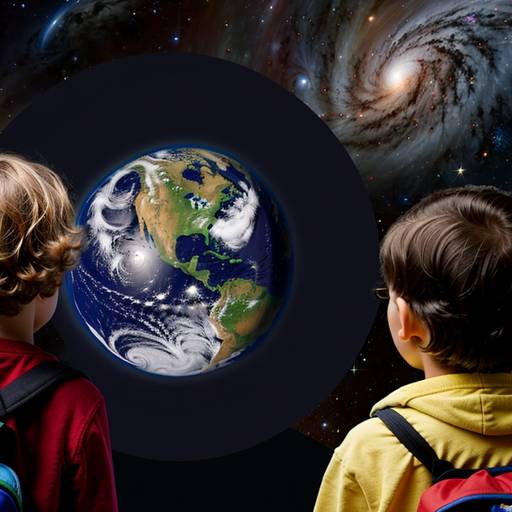
In this preschool science lesson, students will embark on a sensory exploration of Earth and space, utilizing their five senses to engage with and understand their surroundings. The session begins with a brief introduction to the five senses and how they help us explore our world.
Students will participate in various hands-on activities. First, they will work in small groups to explore sensory bins filled with Earth-themed items, examining textures, colors, and smells. Next, they will listen to nature sounds and space-themed audio recordings, encouraging imagination and discussion about the auditory aspects of their environments. Following this, students will experience a blindfolded taste test with familiar foods, describing flavors and textures while discussing their associations with Earth and space.
To conclude the lesson, students will create artwork based on their favorite discoveries from the activities, allowing for individual expression and reflection. The session wraps up with students sharing their artwork and highlighting key learnings, reinforcing the importance of their senses in understanding the world and the universe. Throughout the lesson, educators will assess engagement and understanding through observation and discussion.
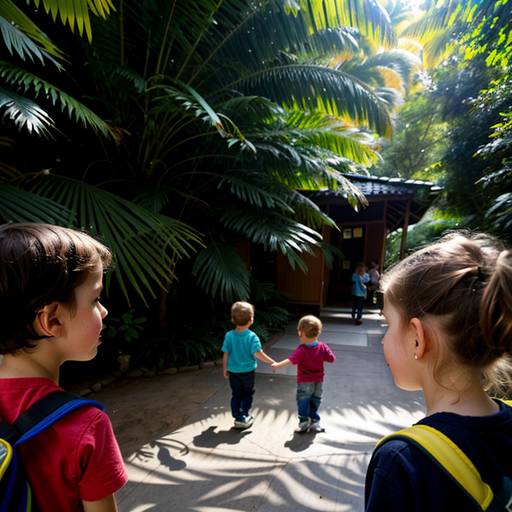
In this preschool lesson, children explore the five senses through interactive and engaging activities. The session begins with an introduction to each sense, using a colorful poster for visual aid. Students then rotate through five sensory stations, each dedicated to a specific sense: sight, hearing, touch, taste, and smell. At each station, they engage in hands-on activities designed to stimulate their sensory awareness, such as identifying sounds, tasting different fruits, and describing various textures.
Following the stations, the children gather for a group discussion to share their experiences and insights, enhancing their understanding of how senses work together. The lesson culminates in an art activity where students create visual representations inspired by their favorite sense, using different colors and textures to express their discoveries. The session wraps up with a song or rhyme related to the senses, reinforcing the concepts learned. Throughout the lesson, children's participation and understanding are assessed through observational notes and their contributions during discussions and creative expression. Extensions could include a sensory walk outdoors or the creation of a sensory garden for further exploration.
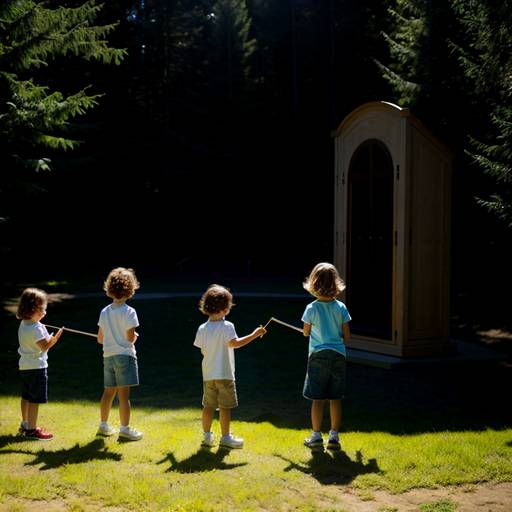
This preschool lesson plan focuses on exploring the concepts of light and sound through engaging, hands-on activities. The session begins with a group discussion about light and sound, using simple instruments and a flashlight to spark curiosity. Children then participate in a shadow play activity, where they use a flashlight to create and observe shadows formed by different objects. Following this, they explore sound by experimenting with various musical instruments, engaging in a "sound parade" to share what they create.
A reflective group discussion allows children to express their observations and experiences, enhancing their critical thinking skills. For those with extra time, an optional art activity encourages children to draw their interpretations of light and sound, fostering creativity. Throughout the lesson, assessment is based on participation, engagement, and understanding of the concepts discussed. This interactive approach helps young learners develop foundational scientific knowledge while enjoying the sensory experiences of light and sound.
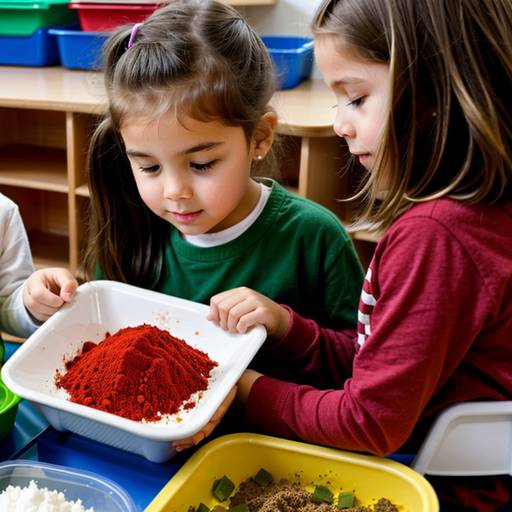
This preschool lesson focuses on introducing young children to health and nutrition through engaging activities that promote understanding of healthy foods. The session begins with a circle time discussion, where children explore different types of healthy foods, learning about their benefits for the body. As part of the lesson, students participate in a food exploration activity using flashcards to categorize fruits, vegetables, grains, proteins, and dairy.
Following the exploration, there is a snack tasting segment where children sample various healthy foods, discussing their colors, flavors, and preferences, which reinforces sensory awareness. To encourage creativity, children then color activity sheets featuring healthy foods, sharing their favorite choices during the process. The lesson concludes with a wrap-up discussion, emphasizing the importance of healthy eating for overall well-being.
Throughout the lesson, teachers assess student engagement and understanding based on participation in discussions and activities. Extension opportunities are suggested to further reinforce healthy eating concepts in the classroom. This approach creates a fun and interactive environment for preschoolers to learn about nutrition and develop positive eating habits.
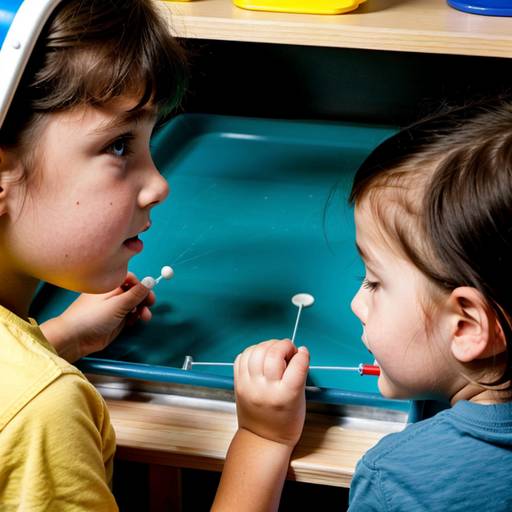
In this preschool lesson, students will explore the concept of technology by investigating simple machines such as levers, pulleys, and wheels. The session begins with a group discussion to introduce technology and its relation to the machines they will learn about.
Students will then rotate through three hands-on exploration stations: one featuring ramps with toy vehicles to demonstrate how inclines aid movement, another utilizing simple pulleys for lifting small objects, and a third allowing them to build their own simple machines using blocks. After engaging in these activities, the class will come together to reflect on their experiences, sharing their favorite machines and what they learned.
Finally, students will create a poster of their favorite simple machine, reinforcing their understanding through art. The lesson will be assessed through observation during activities and participation in discussions. Extensions include a home scavenger hunt for families to find simple machines in their environment and providing educational resources for further exploration of the topic. Adaptations will be made as necessary to support diverse learners in the classroom.
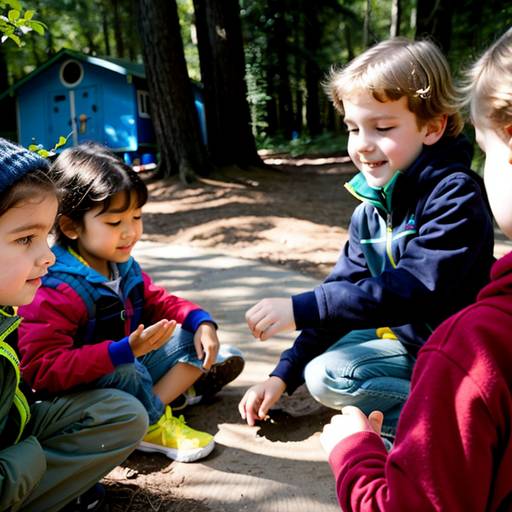
In this preschool science lesson, students will explore the concepts of living and nonliving things, emphasizing their characteristics and differences. The lesson will begin with an interactive discussion to elicit prior knowledge, followed by a visual presentation using pictures to categorize items into living and nonliving groups.
Next, students will participate in a hands-on nature scavenger hunt, using magnifying glasses to investigate their environment for examples of both categories. After sharing their findings with the group, they will engage in a creative collage activity where they will illustrate their understanding by constructing a visual representation of living and nonliving things.
The lesson will conclude with a group discussion to reinforce key concepts, encouraging students to reflect on what they learned. Assessment will be based on participation, understanding during group activities, and the accuracy of the collages created. Optional extensions include reading a related story or playing a game to further solidify the concepts. Adjustments will be made for timing based on student engagement.