
Filters
Level
Grade
Subject
Subject Area
Subject Topic
Standard(s)
Audience
Keyword
DurationMinutes
Preschool Science Lesson Plans

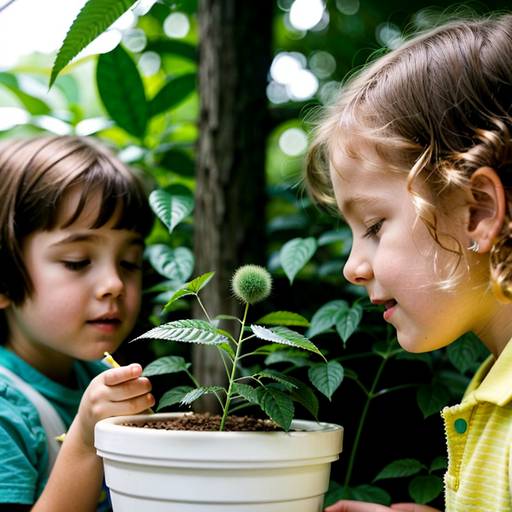
In this preschool science lesson, students will explore the role of plants in the environment by engaging in hands-on activities and discussions. The lesson will begin with a group discussion about plants and their importance, utilizing real potted plants or pictures to facilitate recognition and interaction. A storytime session will follow, featuring a picture book that highlights plant growth and structure, which will help reinforce key concepts about the different parts of plants.
Next, children will participate in a planting activity where they will fill cups with soil, plant seeds, and learn about the essential needs of plants, including soil, water, and sunlight. They will use magnifying glasses to closely observe plant parts, fostering a sense of curiosity and engagement with their surroundings.
The lesson will conclude with a reflection session, encouraging students to share their newfound knowledge and understanding of plants. Observations made during the planting activity and the closing discussion will serve as informal assessments of comprehension. Additionally, extension activities such as a growth chart and a nature walk can enrich the learning experience. Overall, this lesson aims to instill a sense of wonder about the environment while promoting hands-on learning and exploration.
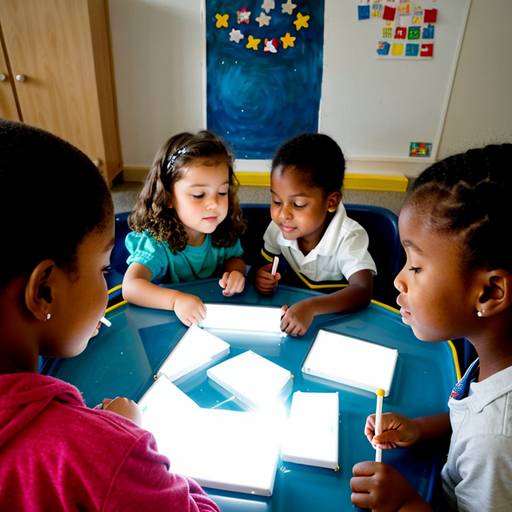
This preschool science lesson focuses on the concept of energy, engaging young learners through interactive and hands-on activities. The lesson begins with a group discussion to introduce the idea of energy and its various forms, such as light, movement, air, sound, and heat. Students are then divided into small groups to rotate through several activity stations, each highlighting a different type of energy. At these stations, children explore practical examples, such as using flashlights to understand light, winding up toys to see stored energy in action, feeling air from a fan, creating sound with instruments, and making bubbles. After the activities, students reconvene to share their experiences and reflect on what they learned. They express their favorite activity through drawings, reinforcing their understanding of energy. The lesson concludes with ideas for further exploration at home and strategies for adapting the activities to meet different learning needs, ensuring an inclusive experience for all participants.

This preschool science lesson focuses on exploring the concepts of light and sound through engaging, hands-on activities. Students will first discuss and share their prior knowledge about light and sound in a group setting. They will then participate in an activity using flashlights and colored translucent objects to observe how colors change and mix when light is shone through them.
Next, children will listen to various sounds, identifying and discussing their characteristics while also experimenting with small musical instruments to create their own rhythms.
The lesson will include a shadow exploration activity in a designated area, where students can use their hands and objects to create shadows, fostering an understanding of light’s properties. Students will then express their learnings through drawing, capturing their interpretations of light and sound.
The lesson concludes with a group discussion, allowing children to reflect on their experiences and articulate their favorite aspects of the activities. Throughout the lesson, informal assessments will be made through observations and discussions to gauge understanding and engagement. Extensions for continued exploration will also be suggested, such as creating a dedicated space for further light and sound activities or organizing a field trip to a science center.
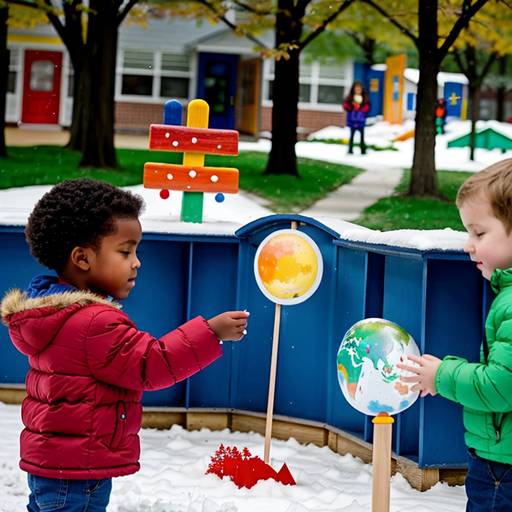
This preschool science lesson is designed to introduce students to the four seasons—spring, summer, autumn, and winter—and explore the associated weather changes. The lesson begins with a discussion where students share their knowledge and experiences related to each season, fostering engagement and observational skills.
Next, participants will sort seasonal picture cards, identifying characteristics and activities linked to each season. Following this, the students will engage in an art activity where they create scenes representing their favorite seasons using various materials, such as crayons and cotton balls. This hands-on approach allows them to express their creativity while reinforcing their understanding of seasonal weather changes.
The lesson concludes with a circle time reflection, providing students an opportunity to share their artwork and thoughts about the seasons. A fun farewell song related to the seasons will wrap up the session. Assessment will focus on participation, creativity in the art project, and understanding demonstrated during discussions. Extensions may include nature walks to observe local weather patterns and maintaining a classroom weather chart.
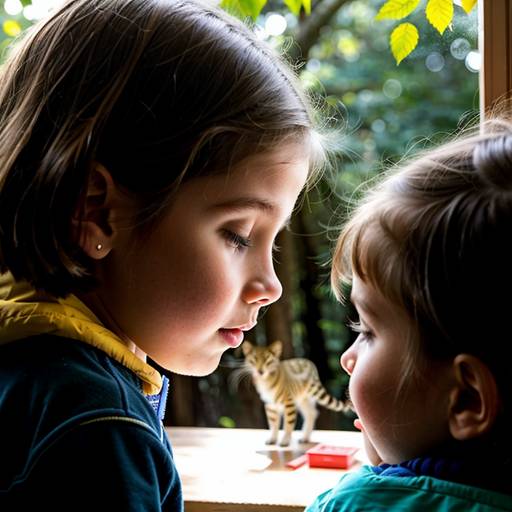
This preschool science lesson aims to introduce young children to various animals and their natural habitats, fostering curiosity and appreciation for wildlife. The lesson begins with a group discussion where students share their favorite animals and explore their characteristics and habitats. Through engaging activities, children will examine animal picture cards, learn about different animal types, and identify corresponding habitats such as forests, oceans, deserts, and wetlands.
Students will then participate in a collaborative drawing activity, creating a mural that integrates animals and elements from various environments. If time allows, an optional outdoor nature walk or scavenger hunt will enhance their observational skills by allowing them to explore local nature. The lesson concludes with a discussion about the importance of protecting wildlife and their habitats.
Assessment will be based on student participation and their ability to describe the animals and habitats discussed. Extensions may include a class journal for further exploration of animals or an invitation to a local wildlife expert. Overall, this lesson is designed to be fun and interactive, encouraging a deeper understanding of the natural world.
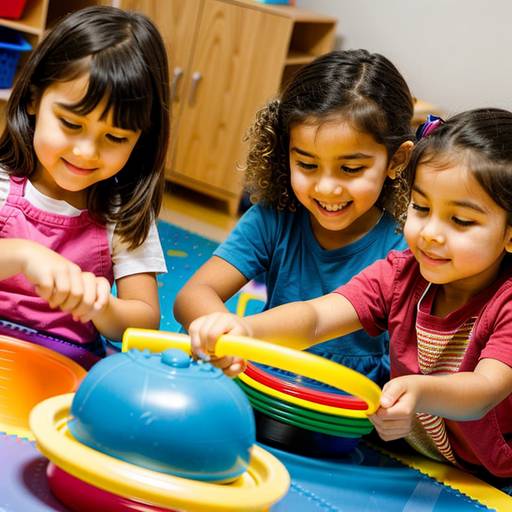
This preschool lesson focuses on introducing young learners to the concepts of forces and motion through interactive and hands-on activities. Students will engage in discussions to identify and describe different forces, such as pushing and pulling. The lesson includes exploration stations where children can experiment with toy cars on ramps, observe the effects of gravity using various balls, and practice moving soft toys with different weights. A fun group game allows students to weave through obstacles, reinforcing their understanding of motion. The session concludes with a reflection circle and a creative drawing activity, enabling children to articulate and visualize their learning experiences. This engaging approach fosters an early curiosity about the principles of movement and encourages cooperative learning among the children.
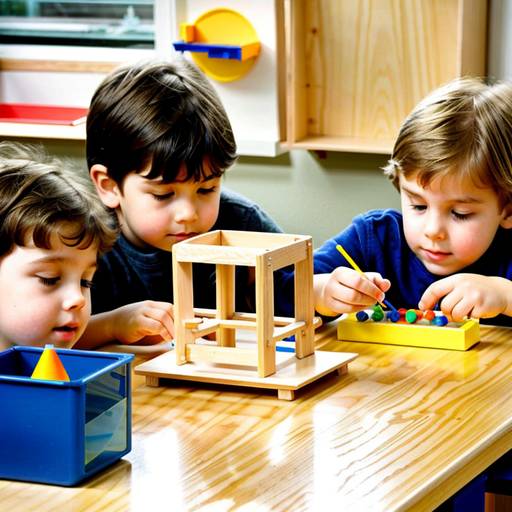
In this preschool science lesson, young learners will explore the concept of simple machines through engaging, hands-on activities. The session begins with a circle discussion where children identify various machines they encounter daily and learn about three types of simple machines: levers, pulleys, and inclined planes.
Students will then rotate through exploration stations to interact with each machine, using materials like wooden blocks and toy cars to conduct experiments that illustrate how these machines function. Following the exploration, the class will reconvene to share discoveries and engage in a group discussion about the relevance of these machines in everyday life.
To conclude the lesson, children will participate in a creative drawing activity where they illustrate their favorite machine from the exploration, reinforcing their understanding while encouraging artistic expression. This session fosters curiosity about technology and its practical applications in the world around them.
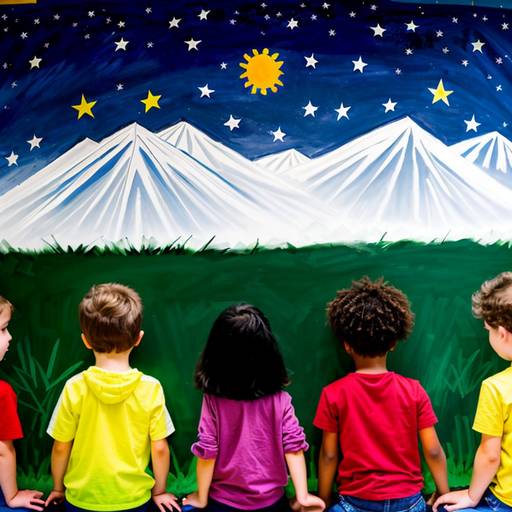
In this preschool lesson, students will engage in hands-on activities to explore concepts related to weather and space. The session begins with a discussion about the current weather, encouraging students to identify different weather conditions. Students will then create mini Earth models using clear cups filled with soil or pebbles and colored water to simulate rain. This activity will help them observe the effects of rain on their models.
Next, the students will participate in a craft activity where they decorate paper plates to represent the sun, moon, and stars, fostering creativity while reinforcing their understanding of celestial bodies. Flashlights may be used to illuminate their creations, providing a visual connection to how stars appear in the night sky.
The lesson concludes with a group reflection where students share their creations and discuss their insights about weather and stars. The overall aim is to enhance their understanding of these concepts through observation, discussion, and creative expression. An optional follow-up activity encourages ongoing observation of weather patterns and exploration of nature-related items.