
Filters
Level
Grade
Subject
Subject Area
Subject Topic
Standard(s)
Audience
Keyword
DurationMinutes
Preschool Science Lesson Plans

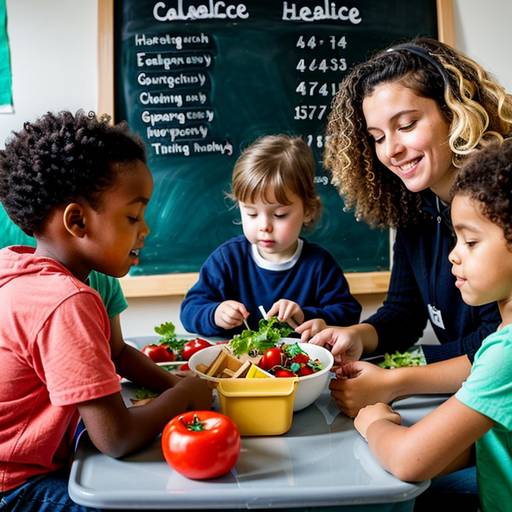
In this preschool lesson, students will engage in an interactive exploration of health and nutrition by learning about the different food groups and the importance of making healthy eating choices. The session will begin with a discussion on healthy foods, allowing children to share their favorites. They will participate in a hands-on activity where they classify various food pictures into appropriate categories, such as fruits, vegetables, grains, proteins, and sweets/junk food.
Following this, students will use craft materials to create their own "Healthy Plate," illustrating a balanced meal with their chosen foods. The lesson will conclude with a review, where children share healthy foods they enjoy or want to try, promoting dialogue about nutrition at home. Through participation, creativity, and collaboration, students will gain a foundational understanding of healthy eating habits and the benefits of nutritious foods. Potential extensions include family activities, visits to local food markets, and special snack days to further encourage healthy eating practices.
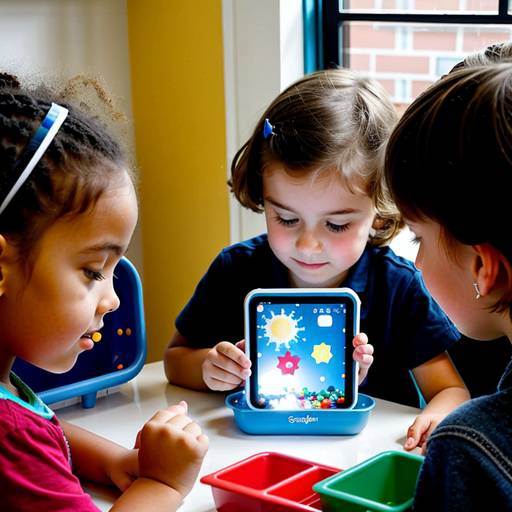
In this preschool science lesson, students will explore everyday technology found in their environment, enhancing their understanding of how various tools function and assist us in daily life. The lesson begins with a circle time discussion where children share technology they use at home and learn how these objects make life easier. Afterward, they will engage in hands-on exploration at designated stations featuring everyday items like remote controls, calculators, and flashlights, examining them closely with magnifying glasses and discussing their purposes.
Following the exploration, students will express their creativity by crafting their own imaginary technologies using various craft materials, which encourages imaginative thinking and problem-solving. They will then showcase their creations during a mini technology fair, explaining how their gadgets work. To conclude, students will reflect on their learning experiences through discussions and possibly a song or story about technology. This lesson aims to foster curiosity about technology among preschoolers while reinforcing their understanding of its role in their lives.
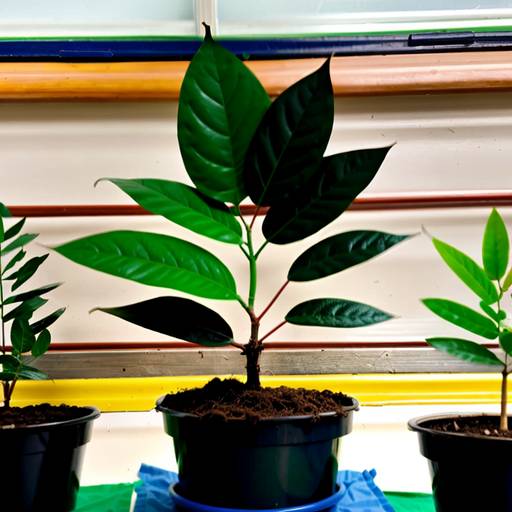
This preschool science lesson focuses on introducing young students to the world of plants. Over the course of approximately 37 minutes, children will engage in hands-on activities and interactive discussions to learn about the basic parts of a plant—including roots, stems, leaves, flowers, and seeds—and their essential needs for growth, such as sunlight, water, air, and soil.
The lesson begins with a circle time where students observe and discuss various plants using picture cards. They will then explore real plants to identify their parts and discuss their functions. Following this, students participate in a hands-on planting activity, where they plant seeds in pots and learn how to care for them. To reinforce their learning creatively, they will draw their favorite plants or imagined plants, labeling their parts.
The lesson encourages active participation, creativity, and environmental awareness, fostering a foundational understanding of botany in a fun and engaging manner. Students will conclude the session by sharing their drawings and thoughts about what they’ve learned. Throughout the lesson, the teacher will assess student understanding through observation and discussions.
This preschool science lesson focuses on health and nutrition, aimed at helping young children understand the importance of healthy eating. The session begins with a discussion about their favorite foods, guiding them to recognize and categorize foods into healthy and unhealthy groups using picture cards.
Students participate in a hands-on sorting game with toy fruits and vegetables, reinforcing their understanding of healthy options while fostering teamwork. They engage in a creative activity where they draw or create collages of their favorite healthy foods, allowing them to express their thoughts visually.
To incorporate movement, a dance break with a fun song about healthy eating follows, encouraging physical activity. The lesson concludes with a reflection circle where children share what they learned and what healthy foods they wish to try at home. Optional healthy snacks can enhance the experience, while family involvement is encouraged through take-home activities. This comprehensive approach fosters an interactive and enjoyable learning environment centered on nutrition.
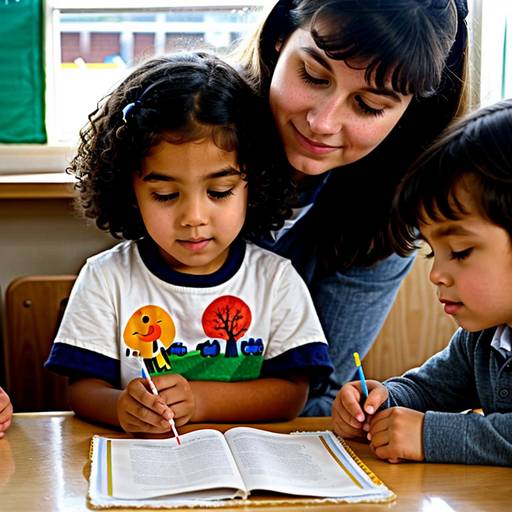
In this preschool science lesson, students will explore the fascinating world of animals through observation and hands-on activities. The session begins with a group discussion where children share their knowledge about various animals, including sounds and habitats. Students then work in small groups to examine pictures of animals using magnifying glasses, focusing on details such as colors and textures.
Following this, the children engage in a creative craft activity where they build dioramas representing different habitats, such as jungles or oceans. Each group selects animal figures or pictures to populate their habitat and prepares a brief presentation to share their work with the class. This promotes collaboration and communication skills as they articulate their choices and learning.
The lesson concludes with a recap of what students learned about animals and their environments, encouraging them to reflect on their favorite parts of the day. Optionally, if time permits, students can engage in a fun movement exercise, mimicking the actions and sounds of their favorite animals. Throughout the lesson, educators assess student participation and understanding, fostering curiosity and a love for inquiry-based learning.
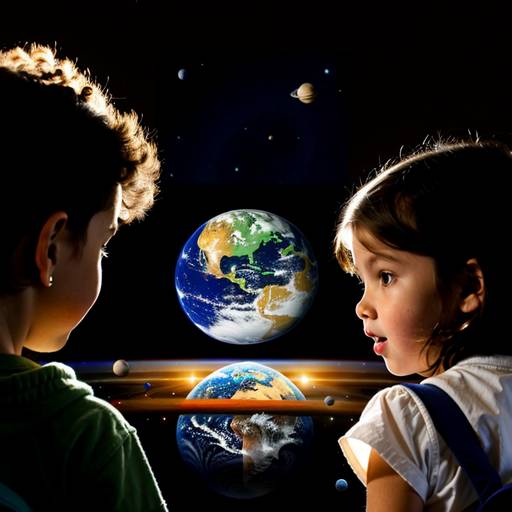
This preschool science lesson introduces young children to the solar system, focusing on Earth as their home planet and providing a general overview of other planets. The lesson begins with an engaging introduction where kids discuss Earth and share their thoughts about it. A story is read to the group to further explore the solar system, followed by a discussion of each planet's unique characteristics.
Children then participate in a craft activity where they create their own imaginative planets using various art supplies, fostering creativity and fine motor skills. Next, they engage in a fun role-playing activity in a makeshift "space shuttle," encouraging active participation and physical movement while enjoying space-themed music.
The lesson concludes with a recap of what they've learned and a brief sharing session. Follow-up activities are suggested to reinforce learning, such as creating a solar system display in the classroom. Overall, the session aims to stimulate curiosity about space, promote creativity, and enhance understanding of basic astronomical concepts.
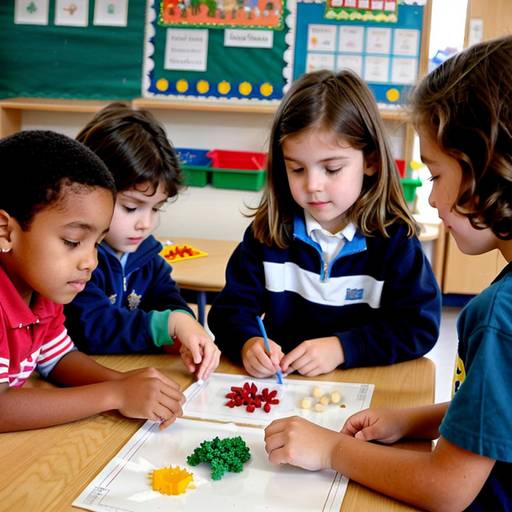
In this preschool lesson, students will explore the concepts of living and nonliving things through engaging discussions, interactive activities, and outdoor exploration. The session begins with a circle time where children share their thoughts on what they believe is alive or not, followed by a direct instruction segment that highlights key characteristics of living and nonliving entities. Through a collaborative sorting activity using picture cards, students will categorize examples and enhance their understanding.
Participants will then have the opportunity to explore their environment, either outdoors or indoors, using magnifying glasses to observe and gather items for further classification. A short interactive story will reinforce the concepts, inviting further discussion among students. The lesson concludes with a reflection circle where students share their discoveries, ensuring they internalize the differences between living and nonliving things. Assessment will occur through observation during activities and discussions, while extensions may include creative collages and songs to further embed the concepts in their learning environment.
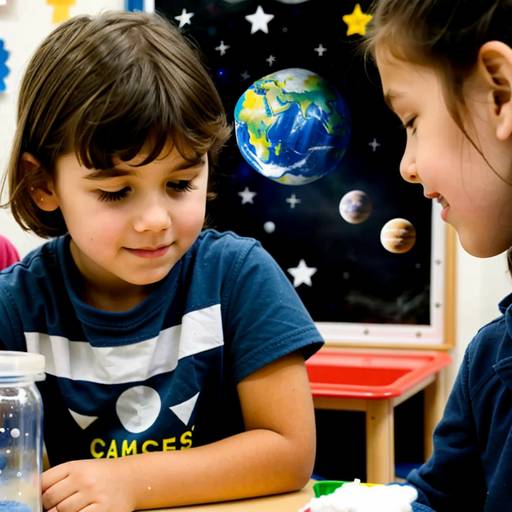
In this preschool science lesson, children will engage in hands-on experiments that introduce them to basic concepts related to Earth and Space. The session begins with a circle discussion to spark curiosity and activate prior knowledge about plants and the night sky. Students will participate in planting seeds in clear cups, learning about what plants need to grow, while also making predictions about their seed growth. Following this, they will create starry night artwork using dark construction paper and glitter, simulating stars while discussing celestial bodies and their twinkling appearance.
Throughout the lesson, children will observe, share experiences, and reflect on their activities, enhancing their scientific curiosity and observation skills. The lesson concludes with a collaborative review of what they learned, reinforcing the concepts introduced, and culminating in a fun song or rhyme related to Earth and Space. This interactive approach aims to foster a sense of wonder and an eagerness to explore the natural world.
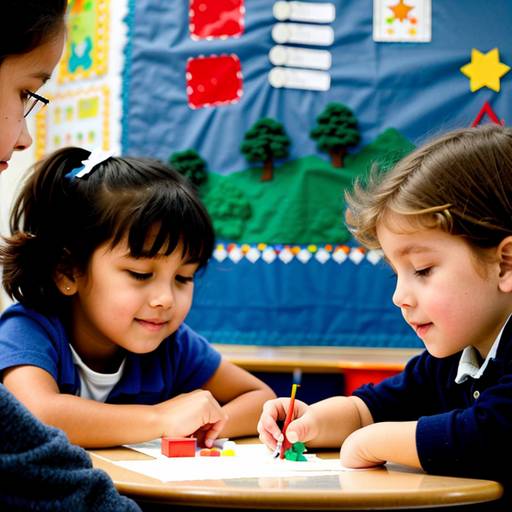
In this preschool science lesson, students will learn to differentiate between living and nonliving things, focusing specifically on various animals and their environments. The lesson begins with an engaging discussion about the definitions of living and nonliving things, where students will share their thoughts.
Next, students participate in a sorting activity using picture cards, categorizing items into "Living Things" and "Nonliving Things." This is followed by a storytime session, where a nature-themed book is read aloud, emphasizing animals and their characteristics.
To further explore the topic, students embark on a scavenger hunt, both indoors and outdoors, to identify and check off items from a checklist that includes both living and nonliving things. Upon returning, students will share their findings and participate in an art project where they create a collage or drawing depicting one living thing and one nonliving thing.
The lesson concludes with a recap of the material learned, encouraging students to reflect on their favorite living things. Throughout the activities, the teacher observes students to assess their understanding and knowledge retention. Adaptations are included for students needing additional support, ensuring inclusivity. The session emphasizes experiential learning and critical thinking through observation and interaction with the environment.
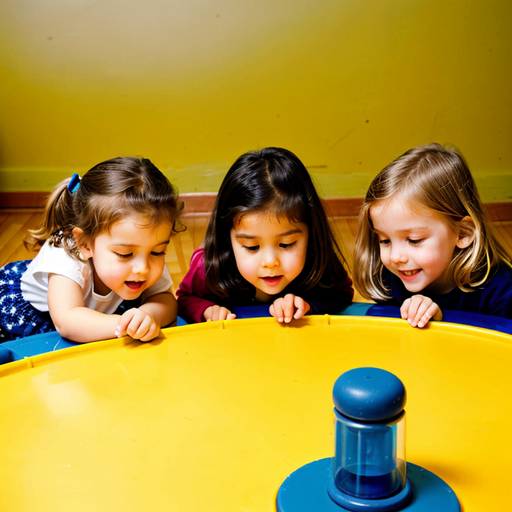
This preschool lesson introduces young children to the fundamental concepts of forces and motion through engaging discussions and hands-on activities. The session begins with a circle time discussion that encourages students to think about what makes objects move and introduces key terms like "force" and "motion." A demonstration using a toy car and a ramp illustrates how gravity affects movement, encouraging predictions about different outcomes based on varying conditions.
Students then participate in small group activities that involve experimenting with various objects, including rolling cars down ramps, dropping different items to observe how they fall, and using balloons to explore the concept of air movement. Following the experimentation, children reconvene to share their findings and create a collaborative diagram that summarizes their observations.
The lesson emphasizes critical thinking and reflection as children discuss what they learned about movement and the forces that influence it. The session concludes with a recap of key concepts and the encouragement of ongoing exploration of forces and motion in their everyday lives. The lesson plan incorporates assessment through observation of student engagement and participation, and suggests extensions for continued learning.