
Filters
Level
Grade
Subject
Subject Area
Subject Topic
Standard(s)
Audience
Keyword
DurationMinutes
Preschool Science Lesson Plans

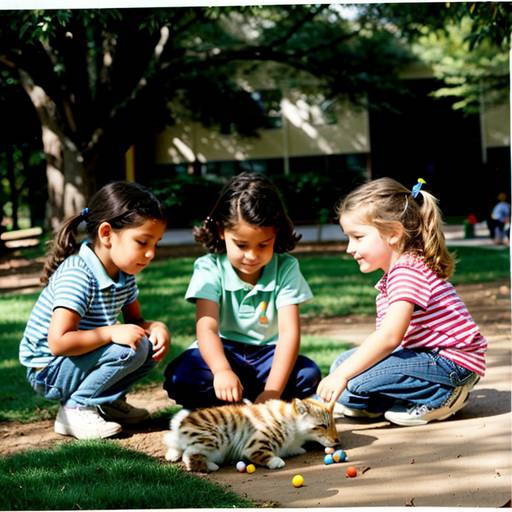
In this preschool science lesson, children will engage in a hands-on exploration of different animal habitats, including forests, deserts, oceans, and grasslands. The session begins with a group discussion to spark curiosity about animals and their environments, encouraging children to share their knowledge.
Next, a matching activity involves using picture cards to identify various habitats and animal flashcards to associate animals with their correct homes. Following this, the children will venture outdoors for a nature exploration, equipped with magnifying glasses and bags to collect interesting items such as leaves and stones, fostering their observational skills.
Upon returning, students will create drawings of their favorite habitat and the animals that inhabit it. To celebrate their discoveries, each child will receive a “Nature Detective” badge. The lesson concludes with a review of what was learned and a fun song about animals or habitats, reinforcing the concepts explored throughout the session. Observations made during activities will assess children's understanding and participation, with potential extensions for further learning at home or on a special habitat-themed day.
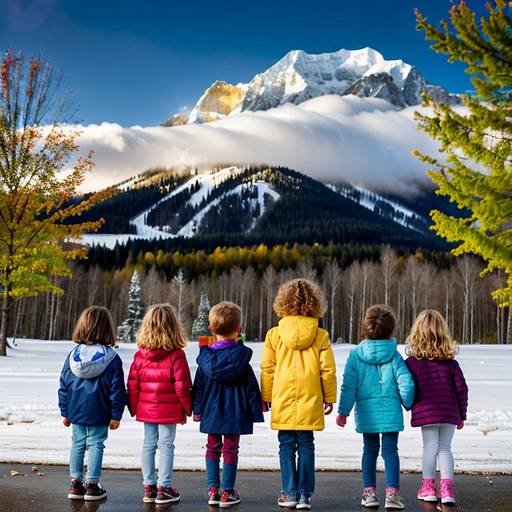
This preschool science lesson focuses on exploring the four seasons and the various types of weather associated with each season. Students engage in a series of interactive activities designed to help them observe and understand seasonal changes. The lesson begins with a circle time discussion, where children analyze seasonal pictures and discuss the visual and sensory aspects of each season. They then participate in a hands-on activity, creating “Weather in a Jar” for each season using items like cotton balls for snow, flower petals for spring, and pinecones for fall.
Next, students engage in a fun movement activity by singing a weather-themed song that incorporates actions representing different weather conditions. The lesson wraps up with a group discussion, allowing students to share their creations and reflect on their favorite season and why.
Assessment is based on participation in discussions and activities, along with their ability to identify different seasons and associated weather. Optional extension activities encourage further exploration of nature and weather concepts at home and in the community. Overall, this lesson aims to instill an appreciation for nature's changes and the impact of weather on daily life in young learners.
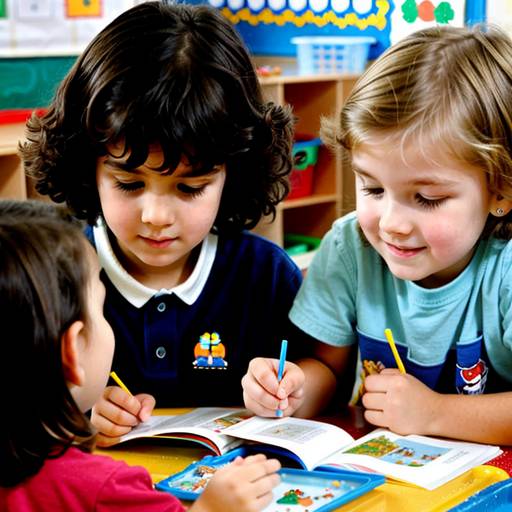
This preschool science lesson focuses on introducing young children to various animals and their natural habitats. The session begins with a group discussion where children share their knowledge of animals and identify their living environments. Following this, an interactive sorting activity allows students to categorize animal picture cards into three habitat boxes labeled "Land," "Water," and "Air," while discussing the characteristics of each habitat.
After a storytime featuring a nature-themed book, children engage in a creative drawing activity where they illustrate their favorite animal and its habitat, encouraging sharing and communication. If possible, an outdoor exploration encourages observation of wildlife and discussions about how animals adapt to their environments.
The lesson concludes with a collaborative activity where students place animal toys or puppets onto a large mat representing different animal habitats, fostering further discussion about each animal. Throughout the session, children are assessed through their participation and engagement in the activities, with opportunities for follow-up activities that reinforce their learning and appreciation of nature. This lesson promotes inquiry-based learning and fosters a connection to the natural world while encouraging creativity and cooperative learning among preschoolers.
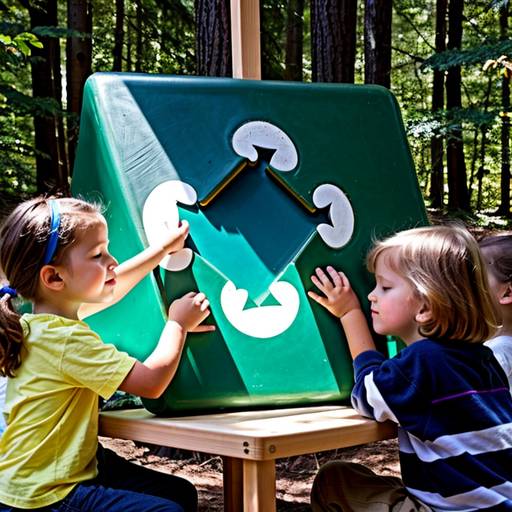
This preschool science lesson plan focuses on introducing young children to the environment and the interdependent relationships between plants and animals. The lesson begins with a group discussion about what the environment means to them, followed by an engaging story that illustrates these concepts. Students participate in a nature scavenger hunt to observe and collect various natural items, nurturing their curiosity and observational skills. After returning to the classroom, they use play-dough to create models of their favorite plants or animals, sharing their thoughts on how these entities contribute to the health of the environment. The session concludes with a review of the importance of eco-friendliness and a creative coloring activity. Assessment is informal, based on participation and discussions, while extension activities encourage further exploration and interaction with nature.
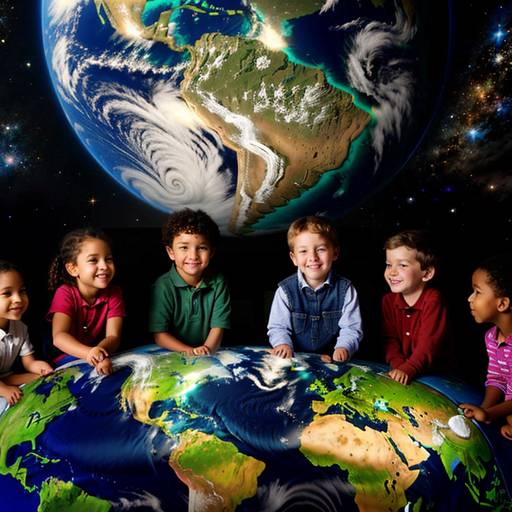
This preschool science lesson focuses on introducing young children to the concept of the environment and its significance. The session begins with a circle time discussion where children explore what the environment means, supported by visuals and a nature-themed story.
Following this, students embark on a nature walk, collecting natural items while observing various elements of their surroundings, such as plants and animals. This hands-on experience fosters curiosity and excitement about nature.
After returning to the classroom, children engage in an art activity where they draw their favorite aspect of the environment based on their observations. This is complemented by a group sharing session that encourages discussion about what they learned and how they can help protect the environment.
Overall, the lesson aims to instill a sense of wonder and responsibility for nature in young learners, promoting environmental stewardship through interactive exploration and creative expression. Extensions of the lesson include maintaining an environmental journal and possibly starting a classroom garden to further enhance their understanding and engagement with nature.

This preschool science lesson engages young children in exploring basic concepts related to the Earth and the sky, focusing on elements such as the sun, moon, stars, and clouds. The session begins with a circle time discussion, allowing students to share their knowledge and observations. A read-aloud of a picture book enhances their understanding, prompting discussions about the characteristics of Earth and sky features.
Following the story, students participate in a hands-on creative activity where they use construction paper, cotton balls, and star stickers to create their own sky scenes, reinforcing their learning through artistic expression. The lesson concludes with a sharing session, allowing children to present their artwork and express their favorite aspects of Earth and the sky. An optional outdoor exploration further enriches their experience by providing a chance to observe the natural world directly.
Overall, the lesson fosters curiosity and appreciation for the planet and the universe, while promoting interactive learning and creativity.
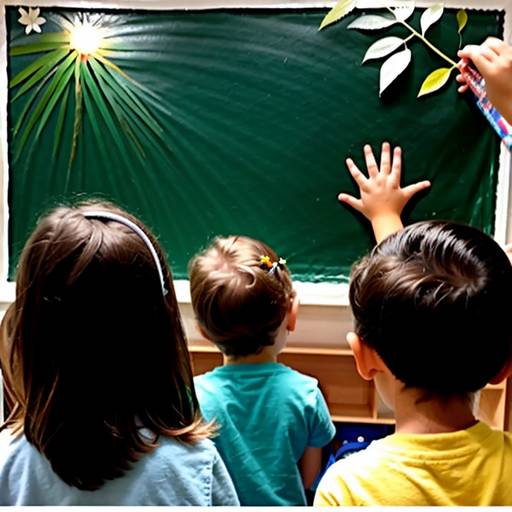
This preschool lesson plan focuses on introducing young students to the fascinating world of plants, covering their basic parts, needs for growth, and their importance in our environment. The session begins with an engaging discussion, encouraging children to share their experiences with plants. Using real plants and diagrams, the teacher explains the different parts of a plant, such as roots, stems, leaves, flowers, and seeds, while fostering student participation through questions and observations using magnifying glasses.
As the lesson progresses, students learn about the essential needs of plants—sunlight, water, air, and soil—through a lively discussion that prompts them to think critically about plant care. The hands-on activity involves planting seeds, where students fill small cups with soil, plant seeds, and water them, reinforcing their understanding of plant growth and care.
The lesson concludes with a reflective session where students discuss their favorite parts of the activity and what they have learned about plants. Overall, the session promotes curiosity about nature, enhances fine motor skills through the planting activity, and encourages teamwork and communication among the children. Extensions such as plant care journals and potential field trips can further enrich their learning experience.
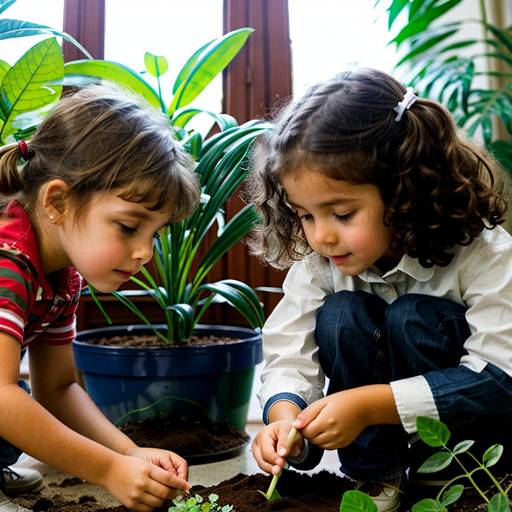
In this preschool science lesson, students will explore the basics of plants, focusing on their parts and growth needs. The lesson begins with a circle time discussion where students share their prior knowledge about plants. Visual aids, including pictures and live specimens, will be used to introduce the concepts of roots, stems, leaves, and flowers.
Students will engage in hands-on exploration by using magnifying glasses to closely observe live plants, encouraging curiosity and discussion about their findings. Following this activity, students will participate in planting seeds in soil, learning about the importance of water and sunlight for plant growth.
The lesson will conclude with a group reflection where students share their observations and thoughts about plant care. They will also create a simple chart together listing what plants need to thrive. Optionally, students can draw their favorite parts of a plant or imagine how their seeds will grow, reinforcing their understanding. Overall, this lesson aims to develop observation skills and a foundational understanding of plant biology while fostering a connection with the natural world.

This preschool science lesson aims to introduce young learners to the concept of energy through hands-on exploration and engaging activities. The lesson begins with a group discussion to spark interest in energy, where students are encouraged to share their thoughts on what makes things happen around them.
Students rotate through three interactive stations, each focusing on a different form of energy: light, motion, and sound. At the first station, they use flashlights to explore light energy and create shadows. The second station features battery-operated toys and the opportunity to launch toy cars using homemade catapults, emphasizing motion energy. The final station allows students to experiment with musical instruments, discovering sound energy.
After the station activities, students regroup to share their findings and reflect on their experiences. They then engage in a creative drawing activity where they illustrate their favorite energy-related experience and contribute their artwork to a collaborative display.
The lesson concludes with a summary of what was learned and encourages students to explore energy in their everyday lives, extending the learning experience to their homes. Assessment is based on participation during activities and the ability to communicate understandings through their drawings. Follow-up activities include sharing discoveries from home and incorporating energy-themed songs or stories in future lessons.
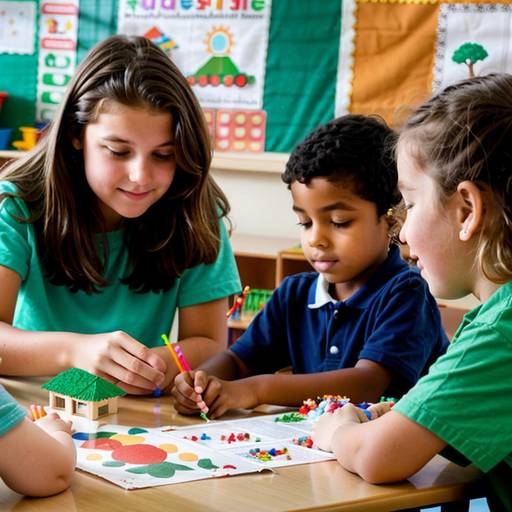
In this preschool lesson plan, students are introduced to the importance of protecting the environment and the significant role that animals play in our ecosystem. The lesson begins with a circle discussion about favorite animals and their habitats. A picture book about animals and environmental awareness is read to facilitate comprehension. Students participate in a brainstorming session where they share ideas on how to care for the Earth and its animal inhabitants.
The lesson continues with an exploration of various animal habitats using cutouts or toys, emphasizing the impact of pollution and habitat destruction. A hands-on recycling activity allows students to learn about the importance of recycling in protecting the environment by sorting items into appropriate bins.
Students then engage in a creative art activity, creating drawings or posters that showcase their favorite animals and highlight ways to save the Earth. The class concludes with a recap of the key points and a simple song related to caring for animals. Throughout the lesson, students are assessed on their understanding of environmental awareness and shown how they can actively contribute to protecting the planet. Follow-up activities include nature walks and collaborative projects to deepen their learning.