
Filters
Level
Grade
Subject
Subject Area
Subject Topic
Standard(s)
Audience
Keyword
DurationMinutes
Preschool Lesson Plans

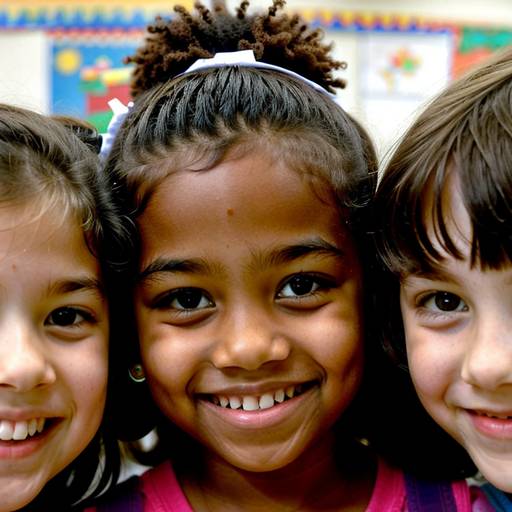
In this preschool social studies lesson, students will explore the concept of diversity, focusing on the unique backgrounds, cultures, and traditions of their classmates and communities. The lesson will begin with a group discussion about what makes each child special, followed by a storytime featuring a book that emphasizes inclusion and appreciation of differences. Afterward, students will participate in a sharing activity where they can express something unique about their family or culture.
The children will then engage in a creative project to craft individual leaves that symbolize their uniqueness, which will collectively form a “Diversity Tree.” This collaborative artwork will highlight the beauty of diversity in the classroom. The lesson will conclude with a reflection on the completed tree, reinforcing the idea that every individual's differences contribute to a stronger and more beautiful community. Students will also have the opportunity to participate in a multicultural dance, celebrating their unique qualities together. Opportunities for extension activities, such as sharing cultural items from home, will be provided to further their understanding and appreciation of diversity.
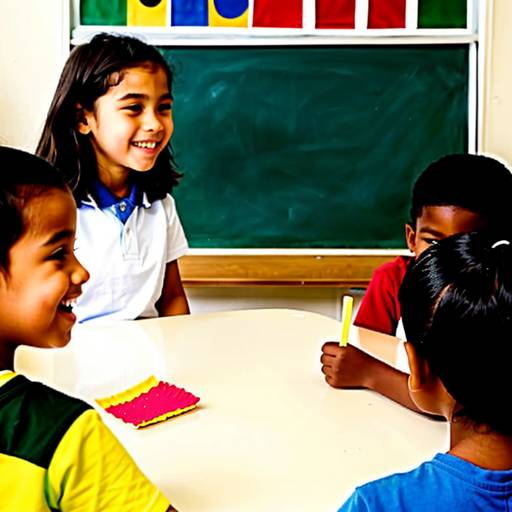
This preschool lesson plan focuses on helping young children understand and appreciate diversity through engaging activities. The lesson begins with a circle discussion about differences among people, allowing students to express their thoughts. A picture book illustrating various cultures is read aloud, encouraging discussions about similarities and differences among the characters.
Next, students participate in a music activity where they listen to a piece from a different culture and are invited to dance and move, highlighting the joy that music brings across cultures. Following this, children engage in an art activity where they create "Cultural Flags" that represent their unique identities or family heritage, fostering creativity and self-expression.
The lesson concludes with a group sharing session where students present their flags, reinforcing the understanding that each individual is special and valued. Throughout the activities, the emphasis is on respect, appreciation, and the importance of celebrating diversity among peers. The plan includes adaptations for children with special needs and encourages ongoing exploration of cultural differences.
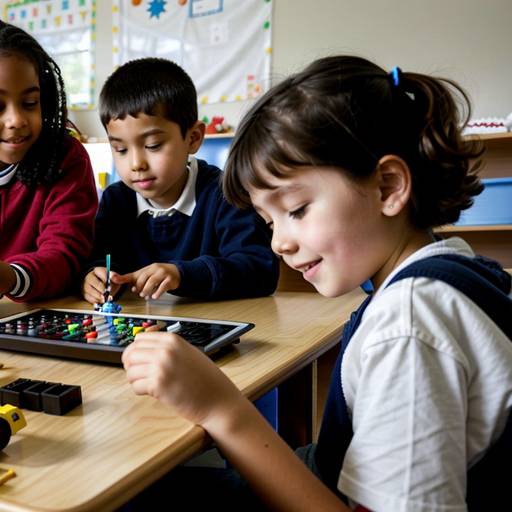
This preschool lesson plan focuses on introducing young learners to basic coding concepts through interactive activities involving a programmable robot. The objectives include teaching students about sequences, patterns, and problem-solving while developing their fine motor skills and encouraging teamwork.
To start, students engage in a discussion about robots and their functions, followed by a story that highlights coding themes. They then explore command cards that control the robot, taking turns to experiment with the commands. In small groups, students work collaboratively to devise sequences of commands that guide the robot to a designated goal on a grid. This activity emphasizes communication and collective problem-solving.
Following the group challenge, students express their creativity by drawing paths for the robot to navigate, labeling them with command sequences. The lesson concludes with a reflection session where students share what they enjoyed and learned about coding and collaboration.
Assessment occurs through observations during the group activity and discussions, as well as reviewing students' drawings to evaluate their understanding of directionality and sequences. The plan also includes suggestions for extending learning at home through simple coding projects and resources appropriate for preschoolers.
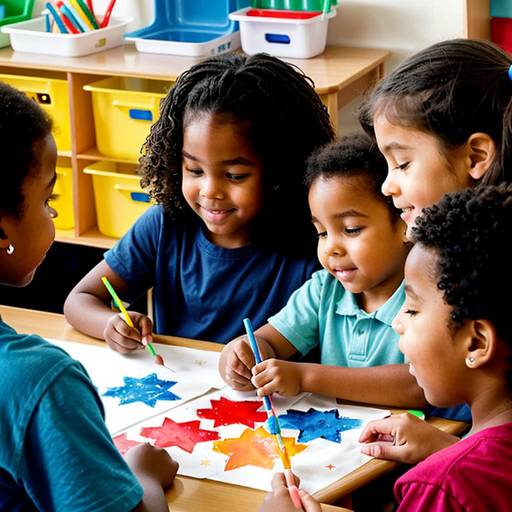
This preschool lesson plan focuses on promoting emotional awareness among young children through interactive activities and creative expression. It begins with a circle time discussion about emotions, using a visual emotion wheel to help children identify and relate to various feelings. A storybook is read to further explore these emotions, encouraging students to share their thoughts and demonstrate emotions through facial expressions.
The lesson includes an engaging activity where children act out different feelings, fostering empathy by allowing peers to guess the emotions being portrayed. Following this, students are invited to create drawings that represent their own feelings, using colors that they associate with those emotions. As they create, they engage in discussions about their artwork, reinforcing their understanding of emotional expression.
The lesson concludes with a sharing circle, where children present their drawings and articulate their chosen colors and feelings. The overall goal is to help children recognize, express, and empathize with emotions, providing them with essential social and emotional skills for their development. Extensions to the lesson involve creating an “Emotion Wall” and introducing mindfulness practices to help manage emotions.

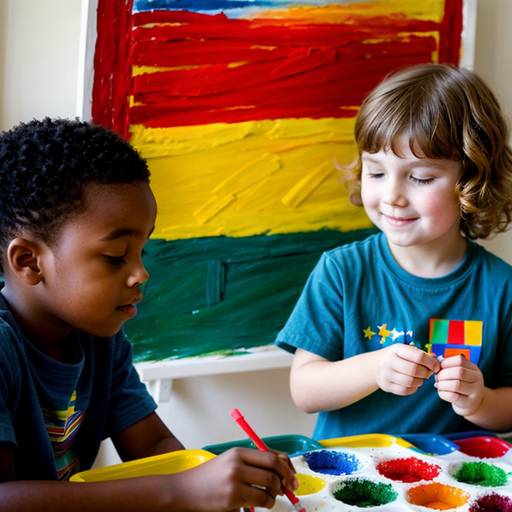
The lesson focuses on teaching preschoolers the concepts of drama and self-expression through the creation of colorful characters. It begins with a group discussion about character traits and appearances to spark imagination. Students then draw their unique characters using various art supplies, reflecting different personalities through color. Next, they transform their drawings into puppets using craft materials, enhancing their creations with decorative elements. Each child is encouraged to perform a short scene or story with their puppet, fostering collaboration and communication skills. The lesson concludes with a sharing circle, where students describe their characters and reflect on their experiences. This creative activity not only nurtures artistic abilities but also promotes teamwork and builds confidence in public speaking.

In this preschool math lesson, students will explore the concepts of sorting and classifying objects based on various attributes such as color, shape, size, and type. The lesson begins with a group discussion where children observe a mixed collection of items and identify ways to group them. Following this, the teacher demonstrates sorting objects by color and engages students in guided practice in small groups, allowing them to sort a variety of items themselves.
Students will then work individually or with partners to sort their own bags of objects and present their sorting methods to peers. The lesson concludes with a reflection where students share their learning experiences and sorting strategies. Extensions include outdoor sorting activities and art integration to reinforce the concepts. Assessment will focus on observations during activities and students' ability to articulate their thought processes in sorting. Overall, the lesson fosters hands-on learning, collaboration, and critical thinking in a fun and engaging way.
In this preschool lesson, students will engage in digital creativity through the use of tablets and art applications. The session begins with a discussion about colors and shapes, where children express their preferences and explore examples of digital art displayed on a screen. Following this introduction, students will work in small groups, taking turns to create their own digital artworks while developing fine motor skills. The teacher will circulate to provide guidance and ask thought-provoking questions about their creations.
After the hands-on activity, the class will gather to share their digital art with their peers, promoting discussion about their artistic choices and the stories behind their work. This reflection allows for collaborative learning as students appreciate each other's creativity.
To conclude, an optional closing activity will have students create physical drawings inspired by their digital art, fostering a connection between digital and traditional forms of artistic expression. This lesson not only encourages artistic exploration but also enhances technology skills and supports collaborative sharing in a fun and engaging way. Assessment will be based on participation, engagement, and the ability to articulate their creative choices.

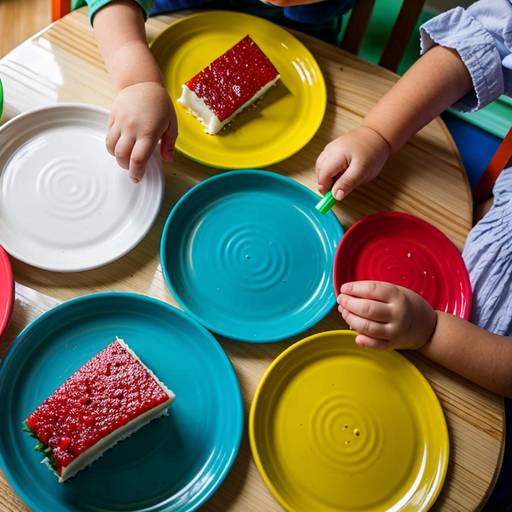
In this preschool science lesson, students will explore the concepts of health and nutrition by identifying and naming various fruits and vegetables. The lesson begins with an engaging introduction where students recognize colorful foods through pictures and real samples. They will participate in a color sorting activity, categorizing these foods based on their colors, which introduces the idea of a balanced diet.
Next, educators will lead a discussion about the importance of eating a variety of colorful foods for optimal health, reinforcing the idea with a rainbow poster. Students will then engage in a creative collage activity using food images from magazines to create a visual representation of healthy eating.
Afterward, children will enjoy a healthy snack made up of a variety of fruits and vegetables, encouraging them to taste different colors and textures. The lesson concludes with a reflection where students share their experiences and favorites from the activity. A follow-up activity is suggested, encouraging families to include colorful fruits and vegetables in their meals at home. This lesson fosters understanding of nutrition while promoting an interactive and fun learning environment.
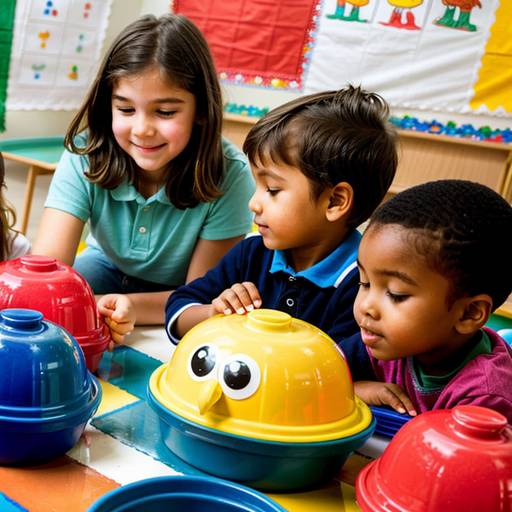
In this preschool art lesson, students will engage in a creative exploration of colors and shapes through a series of interactive activities designed to enhance their understanding and expression. The session begins with a group circle where children will identify various colors and shapes using visual aids. Following this, they will embark on a brief exploratory walk around the classroom or outdoor setting to notice real-world examples of shapes and colors, stimulating their observational skills.
Upon returning, students will participate in an art activity where they will create their own representations of animals or objects using construction paper, stencils, scissors, and drawing materials. The focus will be on using at least two different shapes and three colors, allowing them to express their creativity and understanding of the concepts.
The lesson culminates in a collaborative mural where each child will contribute their artwork, promoting teamwork and communication by explaining their creations to their peers. To conclude, the group will reflect on their learning experience and engage in a fun song about colors and shapes, reinforcing their knowledge through music and movement. Throughout the lesson, assessment will focus on engagement, creativity, and verbal reflection, with opportunities for future extensions such as story time or display of their collaborative work.
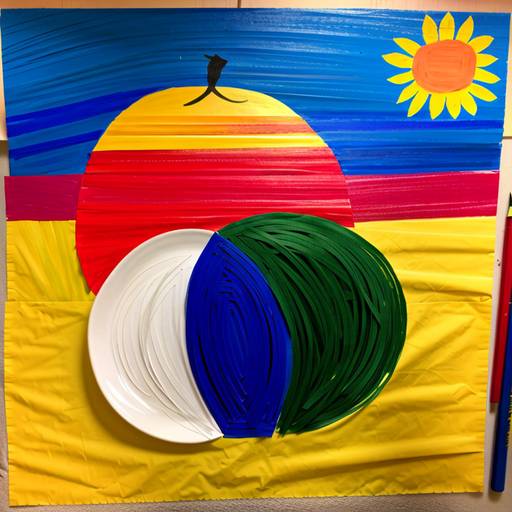
In this 60-minute preschool art lesson, students will engage in drawing activities focused on exploring elements from nature. They will begin by discussing colors and shapes found in natural items through picture books and guided observations. After a group nature walk to collect inspiration, children will learn to draw simple representations of what they observed, such as trees or flowers, using crayons and colored pencils. During the creative drawing time, students will have the opportunity to express their interpretations while receiving encouragement and support from the teacher. They will then share their artwork with peers, promoting confidence and a sense of community. The lesson concludes with a clean-up activity and a brief reflection on their experiences. Assessments will focus on engagement, creativity, and ability to communicate their ideas. The plan includes options for extending the lesson through art displays or follow-up activities that deepen their connection with art and nature.