
Filters
Level
Grade
Subject
Subject Area
Subject Topic
Standard(s)
Audience
Keyword
DurationMinutes
Preschool Lesson Plans


In this preschool art lesson, children will explore the connection between dance and visual art by expressing their movements through painting. The session begins with an introduction to how dance can convey feelings, followed by a warm-up dance where students freely move to music. After discussing their experiences, they will transition to creating their artwork using large sheets of paper and various paint materials. While painting, children are encouraged to mimic their dance movements, using colors to represent their emotions and experiences. The lesson culminates in a sharing and reflection period, where each child presents their artwork and explains how it connects to their dance movements. This activity fosters creativity, self-expression, and the ability to connect physical movement with artistic expression.

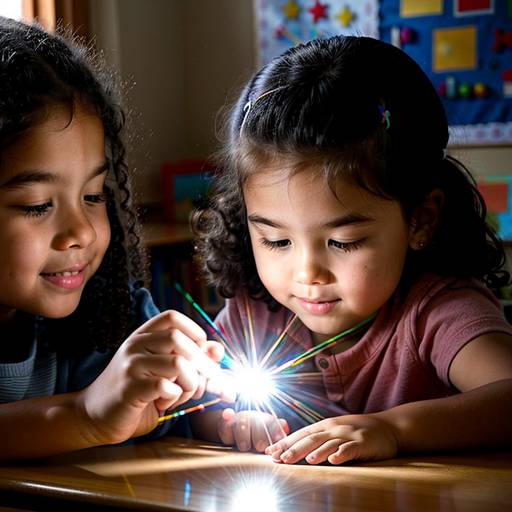
In this preschool science lesson, students will engage in hands-on exploration of the concepts of light and sound. The session begins with an introduction where students discuss their observations and experiences related to light and sound.
During the first activity, students work in small groups to discover shadow play using flashlights and cutout shapes, observing how shadows change with distance and angles. Following this, they experiment with colored cellophane overlays on flashlights to create colorful shadows, deepening their understanding of light properties.
The second part of the lesson focuses on sound exploration. Children experiment with various musical instruments and everyday objects to create sounds. They participate in a sound mystery box activity, allowing them to guess sounds based on their experiences.
The lesson concludes with a group discussion, where students reflect on their favorite activities and share what they learned about light and sound. Through creative exploration, observation, and interaction, students gain foundational knowledge of these sensory concepts while developing vocabulary and fostering curiosity.
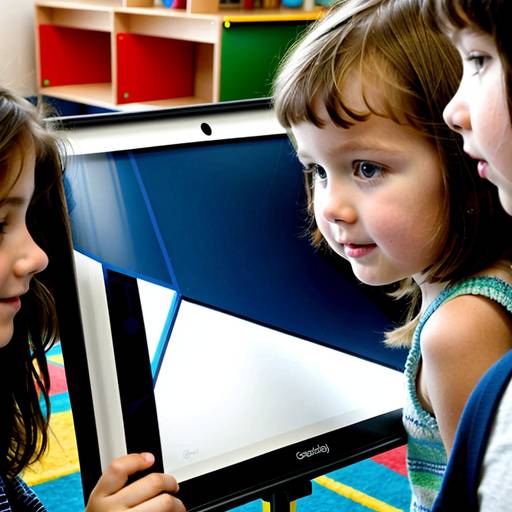
In this preschool lesson plan, students will engage in a creative exploration of art using technology. The session begins with a discussion about the nature of art and the various ways it can be created, both traditionally and digitally. Children will then be introduced to drawing apps on tablets, where they will learn to navigate basic functions such as choosing colors and brushes.
After a brief demonstration, students will have time to create their own digital artwork based on a given theme, incorporating music to enhance their creative process. Teachers will circulate to support and engage with the students, encouraging them to articulate their artistic choices.
Following the creative session, students will gather to share their artwork with the class, with their digital creations displayed on a projector. The lesson concludes with a reflection on the different methods of artistic expression and the value of both technology and traditional art forms.
Assessment will focus on student engagement and creativity, with extension activities available to further integrate art and technology into future lessons. This comprehensive approach fosters creativity, communication, and fine motor skills among the preschoolers.
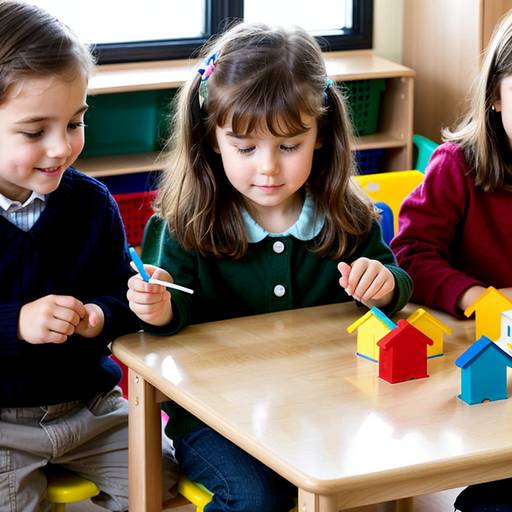
In this preschool lesson plan, children aged 4-5 will explore the basics of digital literacy through engaging and interactive activities. The session begins with a story related to technology, prompting discussions about various digital devices and their purposes. Students will participate in exploration stations that focus on identifying digital tools, understanding safety and respectful usage through a "Technology Rules" poster, and navigating age-appropriate educational games on tablets.
After hands-on exploration, the children will gather to share what they learned, reinforcing their understanding of technology and its safe use. An optional extension activity allows for creative expression as students create a simple book to illustrate their favorite digital devices and highlight key takeaways from the lesson. Throughout the session, educators will assess children's engagement and comprehension, promoting a foundational understanding of digital literacy in a fun and supportive environment.

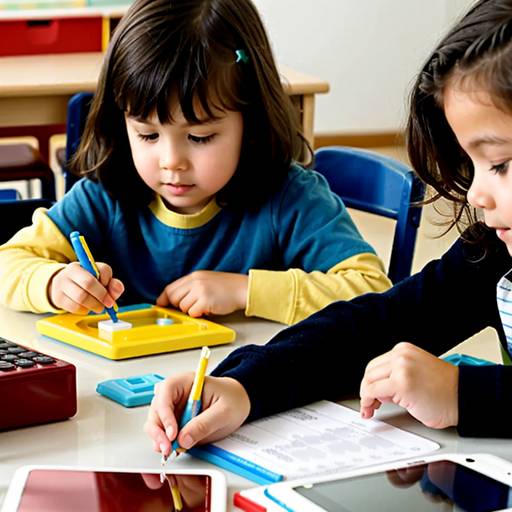
This preschool math lesson focuses on integrating technology to introduce basic math concepts such as counting and number recognition. The session begins with a group discussion about numbers, where students share their favorites and practice counting with flashcards. Following this, students are divided into small groups and given tablets loaded with interactive educational math apps. They explore these apps collaboratively, enhancing their learning through technology.
After the hands-on exploration, the class reconvenes for a reflection session, allowing each group to discuss their experiences and what they learned. Students then engage in a creative activity where they illustrate their favorite numbers and count out corresponding manipulatives. The lesson concludes with a recap of the day’s learning, emphasizing the relevance of numbers in everyday life and encouraging students to identify numbers in their surroundings.
Assessment is based on teacher observation during activities and discussions, along with a review of the drawings and manipulatives created by the students. The lesson also suggests extensions for continued learning at home and the introduction of additional math concepts in future sessions. Overall, this lesson fosters a fun and interactive environment for preschoolers to develop foundational math skills through both digital and hands-on experiences.
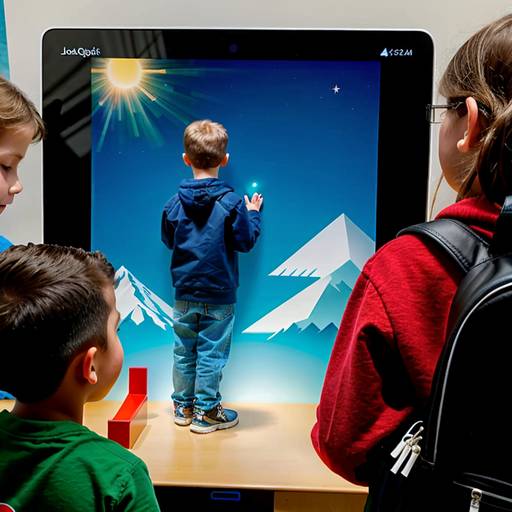
In this preschool lesson, students will explore the relationship between technology and nature through engaging, hands-on activities. The lesson begins with a group discussion about nature, allowing children to share their favorites and understand how technology can aid in learning about the natural world. Following the discussion, students will participate in a nature scavenger hunt using tablets to identify and capture images of local plants, animals, and other items with the help of magnifying glasses. Afterward, they will regroup to share their findings and experiences, discussing how technology enhanced their exploration. To conclude the lesson, students will express their creativity by drawing their favorite discovery and reflecting on the connection between technology and nature. The lesson will be assessed by observing student engagement during activities and evaluating their contributions to group discussions and creative projects. Extension opportunities may include creating a digital nature journal or planning a visit to a local nature preserve to further connect technology with the study of the natural environment.
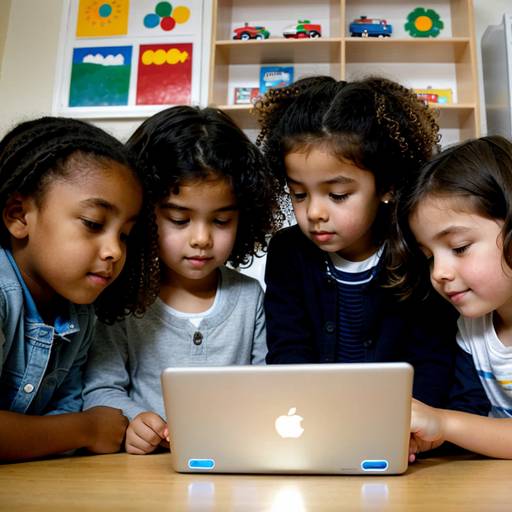
In this preschool lesson plan, children will be introduced to basic technology concepts through interactive exploration and engagement. The lesson begins with a discussion where students share their thoughts on technology, followed by hands-on exploration of various devices such as tablets, smartphones, and calculators. In small groups, children will identify and discuss the functions of these items.
The activity progresses as they create a collage featuring drawings or depictions of their favorite technology items. A storytime session will reinforce their understanding, followed by a brief period for interactive play using an educational app, emphasizing cooperative learning.
Throughout the lesson, the educator will observe and assess students’ engagement and understanding of technology through discussions and collaborative projects, fostering curiosity and enthusiasm for the digital world around them.
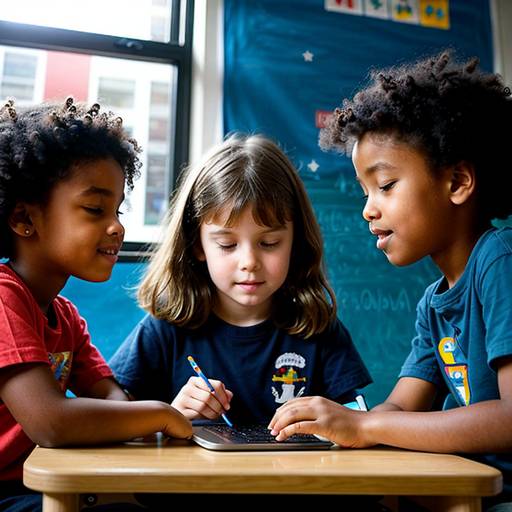
This preschool lesson plan focuses on introducing young students to basic coding concepts through creative storytelling. The session begins with a discussion about favorite stories, helping to connect storytelling with coding. Students explore coding apps in small groups, learning to create simple sequences that drive their digital narratives. Using story cubes for inspiration, they brainstorm and illustrate a collaborative story, highlighting the beginning, middle, and end structure. Each group presents their illustrated story to the class, sharing both the narrative and the coding process they employed. The lesson concludes with a recap of the key concepts—sequencing, coding, and storytelling—while encouraging students to think about their applications in everyday life. Assessment includes observing group interactions and evaluating the creativity in their illustrated stories and presentations. Additional resources are suggested for further exploration of coding concepts during free play.
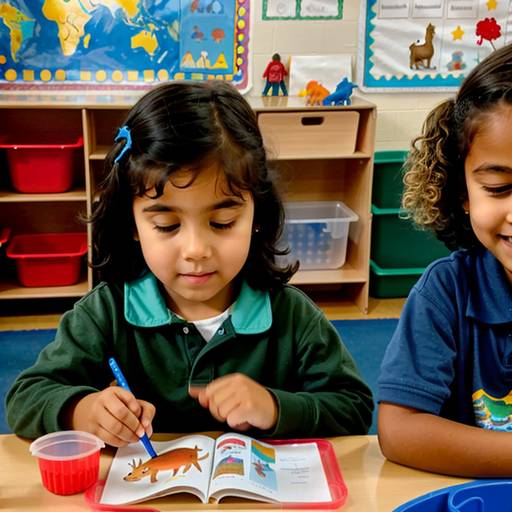
This lesson plan aims to introduce preschool students to the concept of animal adaptations and their importance in helping animals survive in their environments. It begins with a circle discussion to engage students' curiosity about what makes animals unique. Following this introduction, students participate in a series of interactive exploration stations where they observe various animals and their adaptations through hands-on activities.
After visiting the stations, students create drawings of their favorite animal, focusing on specific features that aid in survival. They then share their observations and drawings with the group, fostering communication skills and peer learning. The lesson concludes with a summary of key points about adaptations, encouraging students to reflect on their favorite animals and the adaptations that help them thrive. Assessment occurs through observation of participation and review of their drawings. Extensions include offering related literature or conducting a nature walk for further exploration of local wildlife.
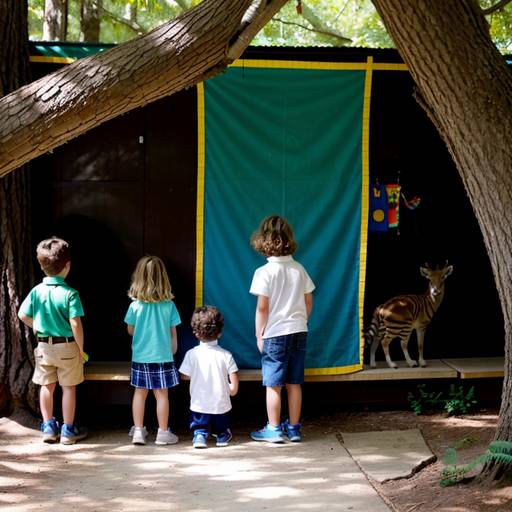
In this engaging preschool science lesson, children will explore various animals and their natural environments. The session begins with an interactive introduction where students discuss animals and their habitats. A story featuring different animals will capture their attention and help them identify where these animals live.
Students will then participate in a group activity where they match animals with the correct habitats using posters and figurines. Following this, they will express their creativity by drawing or creating representations of their assigned habitats, complete with corresponding animals.
Each child or group will have the opportunity to share their habitat creations with the class, promoting language development and collaboration. The lesson concludes with a review of key concepts about habitats and the importance of protecting them.
Assessment will occur through observation during group activities and presentations, ensuring children grasp the relationships between animals and their environments. Extension activities may include a field trip to a local zoo and discussions on animal conservation. Overall, the lesson fosters exploration, creativity, and teamwork while enhancing students' understanding of the natural world.