
Filters
Level
Grade
Subject
Subject Area
Subject Topic
Standard(s)
Audience
Keyword
DurationMinutes
Preschool Lesson Plans

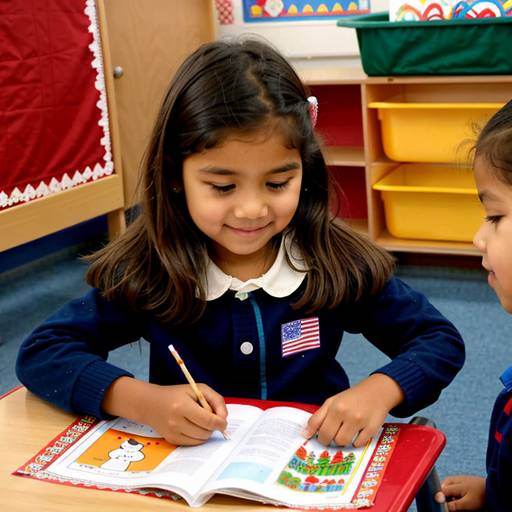
This preschool lesson plan focuses on teaching students about diversity and celebrating the unique cultures present in their classroom and community. The session begins with a group discussion to introduce the concept of diversity, supported by a world map to illustrate different countries and cultures. Students participate in a read-aloud activity featuring picture books that highlight diverse experiences and traditions, followed by a discussion to connect the stories to their own lives.
Next, the lesson incorporates music from various cultures, encouraging students to engage by dancing or playing simple instruments, emphasizing the unifying power of music. An art activity allows each child to create a piece representing their own culture or family tradition, which will be combined into a collaborative “Culture Quilt” for display.
The lesson concludes with a sharing session where students present their artwork, reflecting on its significance. To close, the class sings a song about friendship or diversity, reinforcing the lesson's themes. Ongoing assessment is based on student participation, engagement, and willingness to share. The plan includes adaptations for varying abilities and suggestions for future activities to deepen students' understanding of cultural diversity.
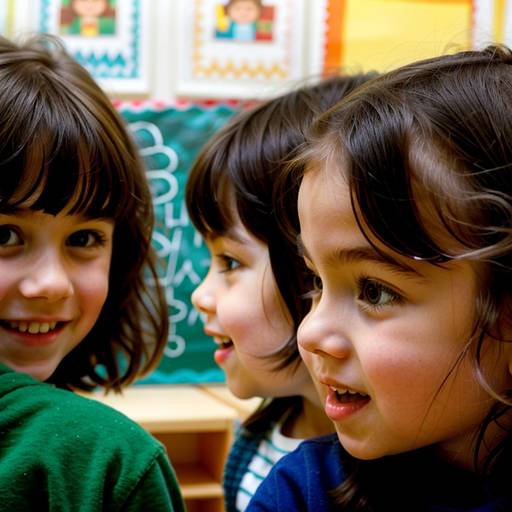
In this preschool lesson plan focused on emotional awareness, students will engage in activities designed to help them identify and express various feelings. The session begins with a circle time where children explore different emotions through facial expressions and discussion. A storybook centered on emotions will be read aloud, prompting students to relate the characters' feelings to their own experiences.
Following the story, students will contribute to a feelings chart by matching emotion cards with their current feelings and explaining their choices. An art activity will allow children to draw scenes that represent emotions they have experienced. The lesson concludes with reflections where students share their artwork and receive "Emotion Explorer" sticker badges for their participation.
Overall, this plan aims to foster emotional literacy by encouraging students to recognize, articulate, and appropriately express their feelings in a supportive group setting.
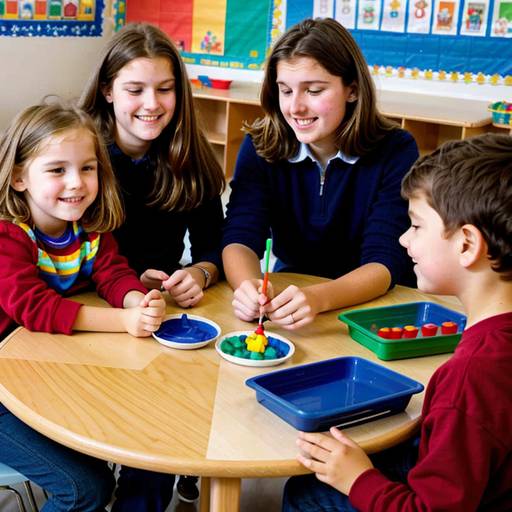
This lesson plan focuses on helping preschool children understand and express their emotions in the context of family. The session begins with a group discussion about family structures and the emotions associated with family experiences. Children engage in identifying different feelings through facial expression cards, sharing personal stories related to those emotions. This is followed by a storytime segment featuring a book about family dynamics, where children reflect on characters' emotions and make connections to their own lives.
Afterward, children participate in a creative activity where they create their own family trees, adding drawings and names of family members while expressing their feelings about each one. The lesson concludes with a reflective circle where children share what they learned and appreciate about their families. The overall goal is to foster emotional awareness and strengthen the connections children have with their family members. An extension activity encourages parents to continue the conversation at home, promoting ongoing emotional development.

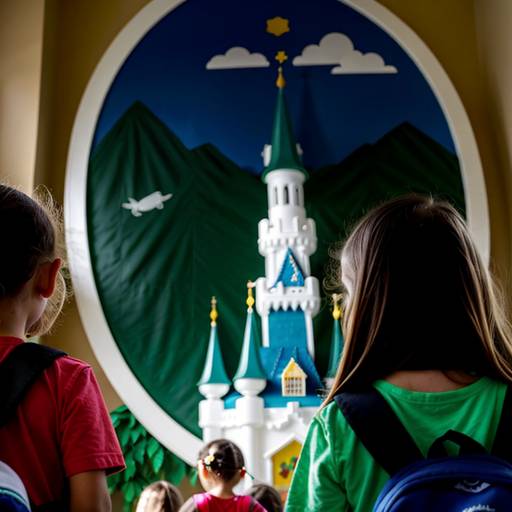
This lesson plan focuses on enhancing preschool children's social skills, imagination, and creativity through dramatic play in a fantasy-themed environment. The session begins with a circle time discussion where children share their favorite stories about magical characters, setting the stage for collaborative play. After choosing costumes and props, children engage in dramatic play for twenty minutes, enacting scenes from their own imagined kingdom, which encourages interaction and storytelling.
Following the play, children gather to reflect on their experiences and share their character roles and favorite moments. They then have an opportunity to express their creativity by illustrating their kingdom or a memorable scene from the play, fostering further artistic expression. The lesson emphasizes collaboration, communication, and imaginative exploration, concluding with a focus on cleaning up the play area to reinforce responsibility. Assessment is conducted through observation during play and reviewing the children's illustrations, with options for extension activities to keep the theme alive in the classroom.

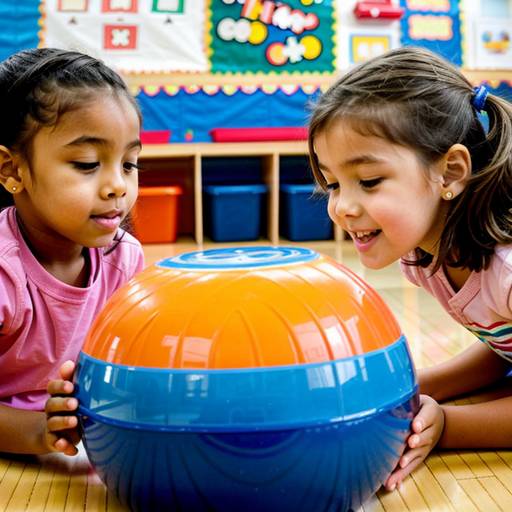
This preschool physical education lesson plan is designed to teach young children about healthy habits through interactive and engaging activities. The session lasts 53 minutes and aims to promote physical activity while educating students about nutrition and personal hygiene.
The lesson begins with a brief introduction that encourages students to express their thoughts on health. Following this, students participate in a fun warm-up activity filled with movement and stretching to prepare their bodies for physical exercise.
The main segment consists of three activity stations featuring a food relay race that teaches about healthy foods, a hula hoop station that enhances core strength and coordination, and a ball tossing activity that incorporates discussions on hygiene and cleanliness. After rotating through the stations, the class gathers to create a healthy habits chart, summarizing what they've learned and reflecting on their experiences.
The lesson concludes with a calming cool-down session that includes stretching and deep breathing, allowing students to share their favorite parts of the lesson. Each child receives a sticker as a reward for participation, reinforcing positive engagement. Overall, this lesson aims to instill foundational knowledge and practices related to healthy living in a fun and supportive environment.

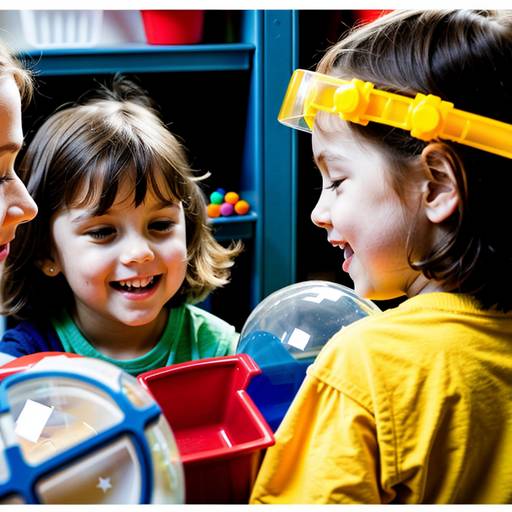
This preschool science lesson introduces young children to the concept of energy through engaging, hands-on activities and exploration. Designed for a group of 4-5-year-olds, the lesson lasts 30 to 45 minutes and includes various activity stations focused on different aspects of energy. Children will experiment with toy cars on ramps to observe how energy affects motion, release air from balloons to see air pressure in action, shake musical instruments to explore sound energy, and go outside to identify forms of energy in nature like sunlight and wind.
The lesson begins with a circle discussion to familiarize children with the idea of energy, prompting them to think about what makes things move or produce sound. After station activities, children gather to reflect on their experiences, sharing their observations and preferences. They then engage in a creative drawing activity, illustrating their favorite energy-related experience from the day. The lesson concludes with a recap of the different forms of energy explored and the distribution of a small energy “passport” for them to take home.
Assessment focuses on children's engagement and understanding during activities and discussions, providing an opportunity for reinforcement of concepts. Extensions encourage families to explore energy at home, fostering ongoing curiosity and learning. Overall, this lesson aims to lay a foundation for scientific inquiry and literacy by making the concept of energy accessible and fun for young learners.
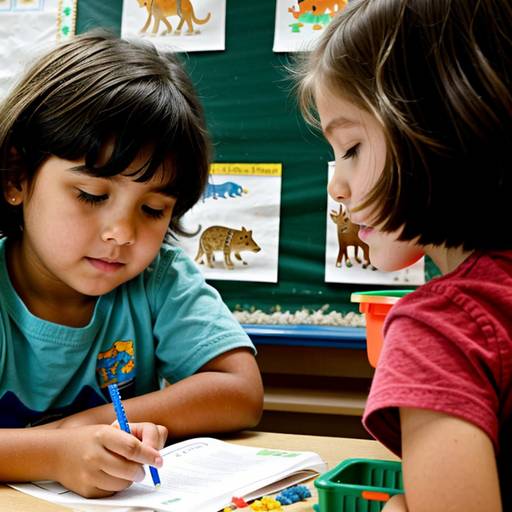
In this preschool science lesson, students will explore the concept of animal habitats through observation and inquiry. The session begins with a group discussion about animals and their homes, followed by a story that highlights various animal habitats. Using a variety of materials, children will work in small groups to create mini-habitats for chosen animals, encouraging hands-on learning and teamwork. Each group will present their habitats, discussing how their animals survive and adapt in different environments. The lesson concludes with a recap of key concepts and encourages students to share their favorite animals. This interactive approach fosters curiosity about nature and promotes critical thinking and discussion among young learners.

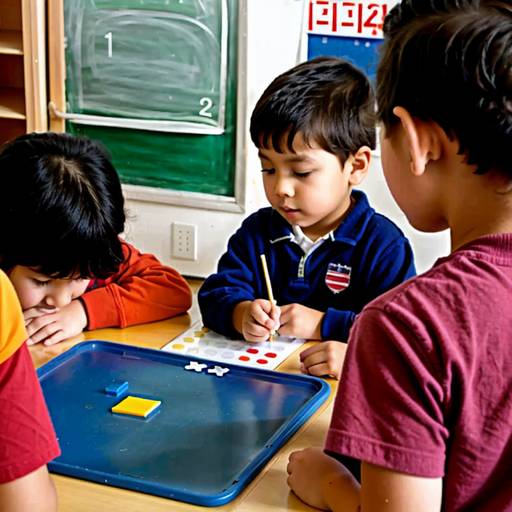
This preschool math lesson is designed to introduce young learners to the concepts of addition and subtraction through engaging story problems. The session begins with a brief introduction to the ideas of adding and taking away, using questions to stimulate discussion and prior knowledge. Students participate in group activities involving picture cards and manipulatives to explore both addition and subtraction.
Using simple stories as a springboard, children work with visual props to understand how numbers change with the addition of new items and the removal of others. The lesson includes opportunities for hands-on counting and problem-solving, fostering critical thinking skills.
As the session wraps up, students share their insights and favorite parts of the activity, reinforcing their learning through communication. The educator observes student responses to assess understanding and encourages reflection on their surroundings for real-life applications of the concepts discussed. Adaptations are suggested to accommodate different learning styles and maintain engagement among all students.
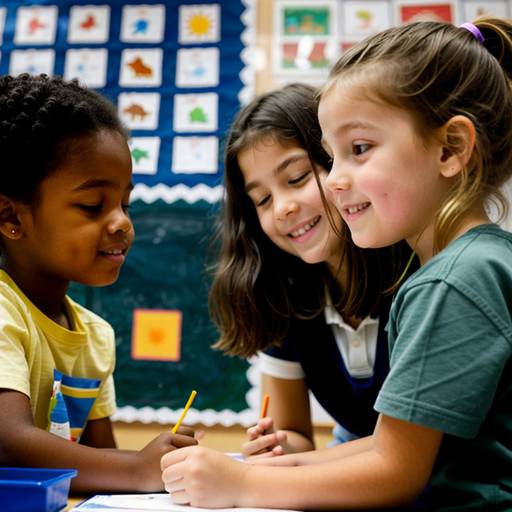
This preschool science lesson is designed to engage children in exploring animals through observation and inquiry. Students will begin by sharing their knowledge of different animals during a circle time discussion, setting the stage for discovery. They will then participate in hands-on observation activities at designated stations, where they will examine toy animals and pictures, using magnifying glasses to enhance their exploration and describe their findings.
Following this, children will gather for an inquiry circle, discussing their observations, asking questions about animals, and providing answers based on their insights. This fosters critical thinking and inquiry skills. To promote creativity, each child will then create an artwork of their favorite animal, sharing their drawings and insights in a show-and-tell format.
The lesson concludes with a recap of what was learned, encouraging students to continue observing animals in their environment. Optional follow-up activities include field trips and ongoing journaling to further explore animal habitats. Assessment will focus on student participation, observation skills, and artistic expression throughout the lesson. Overall, the lesson emphasizes hands-on learning, critical thinking, and creative expression in the context of animal exploration.
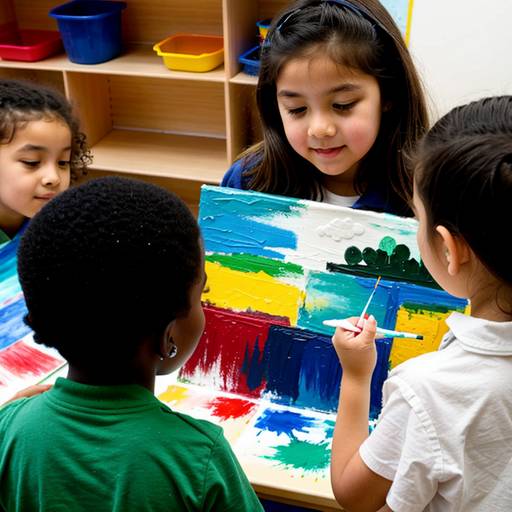
In this preschool art lesson, children will engage in a creative painting activity that emphasizes the exploration of color and texture through nature-inspired themes. The lesson begins with a discussion about the colors and textures found in nature to ignite students' curiosity. After a demonstration showcasing various painting techniques with brushes and natural materials, students will have the opportunity to create their own artwork using a variety of paints and tools.
Throughout the activity, children will experiment freely, mixing colors and applying different strokes while drawing inspiration from their observations of the natural world. As they work, the teacher will circulate to offer guidance and encouragement. The class will conclude with a clean-up session followed by a mini art gallery where students can share their creations and the stories behind them, fostering a sense of community appreciation for everyone's artistic efforts.
This lesson promotes fine motor skills, creativity, and self-expression while allowing children to connect with their environment through art.