
Filters
Level
Grade
Subject
Subject Area
Subject Topic
Standard(s)
Audience
Keyword
DurationMinutes
Preschool Lesson Plans

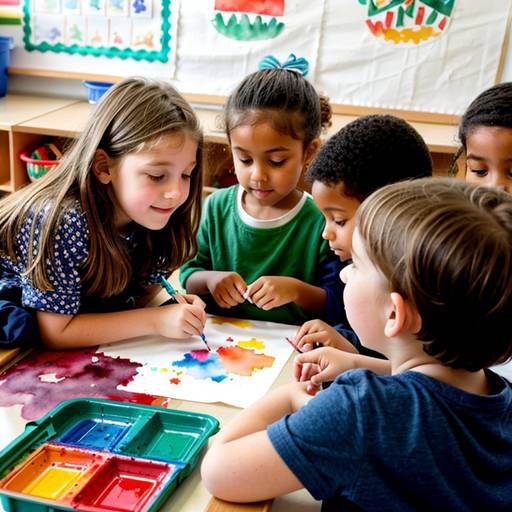
In this preschool art lesson, students will explore watercolor painting by learning about color mixing, brush techniques, and self-expression through creative art-making. The session begins with an introduction to watercolor materials, followed by a demonstration on how to properly use brushes and mix colors. After practicing on scrap paper, students will create their own watercolor masterpieces, using their imagination to express their unique ideas. The lesson concludes with a clean-up session and a reflection period, where students share their artwork with the group. The lesson emphasizes creativity, experimentation, and positive reinforcement, providing adaptations for varying skill levels and offering extension activities to showcase their work.

This preschool lesson plan focuses on enhancing language arts skills through an engaging storytime experience. The session begins with a warm welcome and a brief introduction to the story, stimulating children's curiosity. As the chosen picture book is read aloud with enthusiasm, interactive elements like props and visual aids are integrated to keep students engaged and help them visualize the narrative.
Following the reading, a comprehension check is conducted using open-ended questions that encourage critical thinking about the story. The lesson then transitions into a pre-reading activity, featuring a sound game that reinforces vocabulary and encourages phonemic awareness through familiar items. Students also participate in a rhyme exercise to further develop language skills.
In a collaborative group activity, children create their own ending to the story, with their ideas documented on a whiteboard and illustrated on paper. The session concludes with a sharing time for students to present their drawings and a farewell song, reinforcing the day's learning and encouraging a love for reading at home. Overall, this lesson promotes listening comprehension, vocabulary development, and creative thinking while fostering an enjoyable and dynamic learning environment.
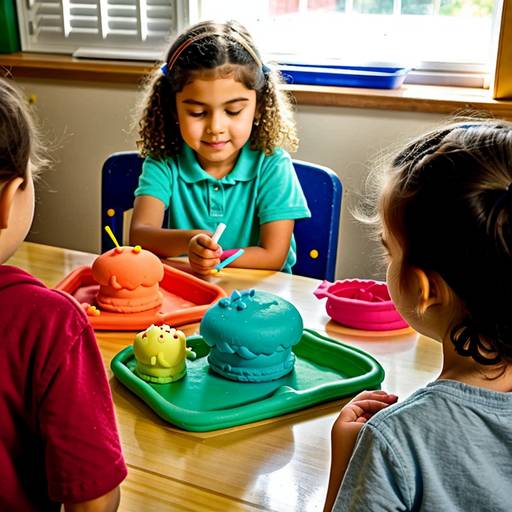
In this preschool art lesson plan, children aged 3 to 5 will engage in creating three-dimensional animal sculptures using playdough. The session begins with an interactive discussion about sculptures and their unique characteristics, followed by drawing their favorite animals to inspire their creations. A demonstration highlights fundamental techniques for manipulating playdough, such as rolling and molding.
During the main activity, children will use their imagination and fine motor skills to craft their own unique animal figures, with guidance and support provided as needed. Once their sculptures are complete, students will present their creations to the group, sharing inspiration and details about their designs. The lesson concludes with a group reflection and cleanup, promoting responsibility among the children. The plan also includes suggestions for extending the activity, such as creating a display gallery for parents and incorporating storytime to further enrich the learning experience. Throughout the lesson, emphasis is placed on creativity, engagement, and the development of artistic skills.
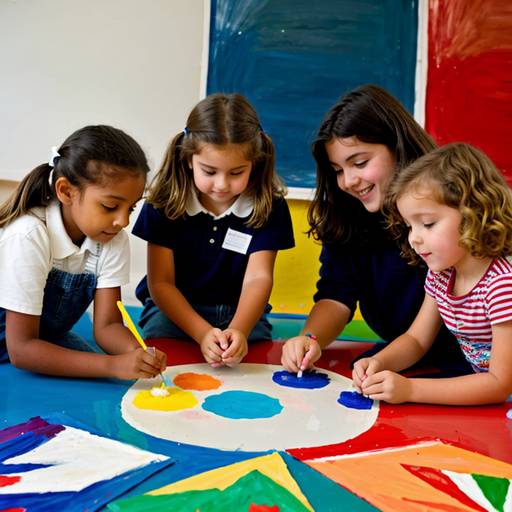
In this preschool art exploration lesson, students will engage in hands-on activities that promote creativity and understanding of colors and shapes. The lesson begins with an introduction to various colors and shapes, encouraging children to identify and discuss them. They will then participate in a color mixing activity using watercolor paints, where they will experiment with blending colors and creating new hues on paper. Following this, students will use crayons and colored construction paper to trace, cut out, and decorate geometric shapes, assembling these into a collaborative collage.
Throughout the activities, children will be encouraged to express themselves, share their creations, and reflect on their artistic choices, fostering both verbal communication and fine motor skills. The lesson concludes with a group discussion about their experiences, reinforcing their learning and appreciation for art. Cleanup procedures will also be included to instill responsibility and organization. Overall, this lesson aims to cultivate an environment of creativity and self-expression while providing practical experience with art techniques.

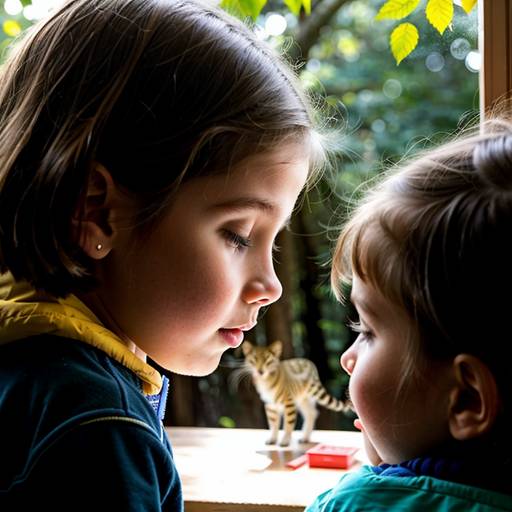
This preschool science lesson aims to introduce young children to various animals and their natural habitats, fostering curiosity and appreciation for wildlife. The lesson begins with a group discussion where students share their favorite animals and explore their characteristics and habitats. Through engaging activities, children will examine animal picture cards, learn about different animal types, and identify corresponding habitats such as forests, oceans, deserts, and wetlands.
Students will then participate in a collaborative drawing activity, creating a mural that integrates animals and elements from various environments. If time allows, an optional outdoor nature walk or scavenger hunt will enhance their observational skills by allowing them to explore local nature. The lesson concludes with a discussion about the importance of protecting wildlife and their habitats.
Assessment will be based on student participation and their ability to describe the animals and habitats discussed. Extensions may include a class journal for further exploration of animals or an invitation to a local wildlife expert. Overall, this lesson is designed to be fun and interactive, encouraging a deeper understanding of the natural world.
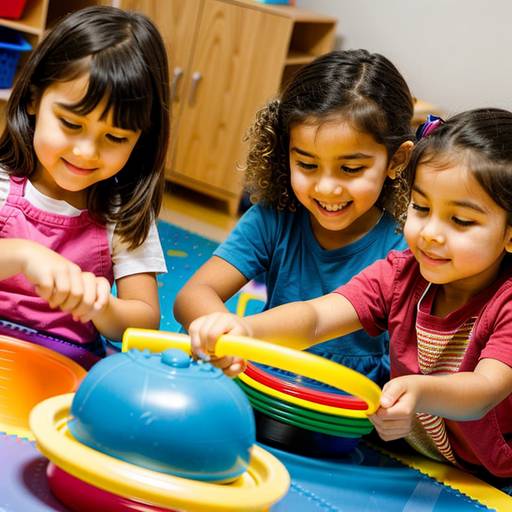
This preschool lesson focuses on introducing young learners to the concepts of forces and motion through interactive and hands-on activities. Students will engage in discussions to identify and describe different forces, such as pushing and pulling. The lesson includes exploration stations where children can experiment with toy cars on ramps, observe the effects of gravity using various balls, and practice moving soft toys with different weights. A fun group game allows students to weave through obstacles, reinforcing their understanding of motion. The session concludes with a reflection circle and a creative drawing activity, enabling children to articulate and visualize their learning experiences. This engaging approach fosters an early curiosity about the principles of movement and encourages cooperative learning among the children.
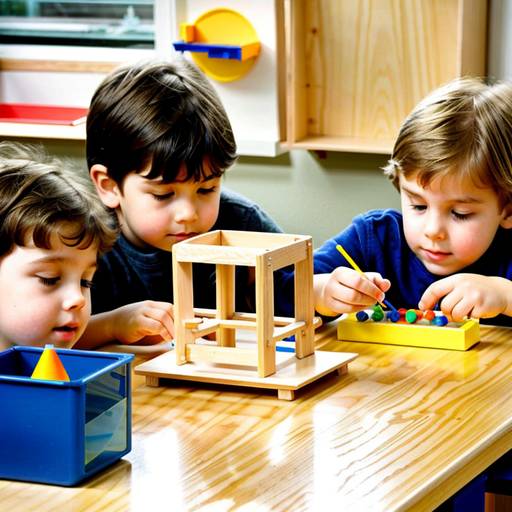
In this preschool science lesson, young learners will explore the concept of simple machines through engaging, hands-on activities. The session begins with a circle discussion where children identify various machines they encounter daily and learn about three types of simple machines: levers, pulleys, and inclined planes.
Students will then rotate through exploration stations to interact with each machine, using materials like wooden blocks and toy cars to conduct experiments that illustrate how these machines function. Following the exploration, the class will reconvene to share discoveries and engage in a group discussion about the relevance of these machines in everyday life.
To conclude the lesson, children will participate in a creative drawing activity where they illustrate their favorite machine from the exploration, reinforcing their understanding while encouraging artistic expression. This session fosters curiosity about technology and its practical applications in the world around them.
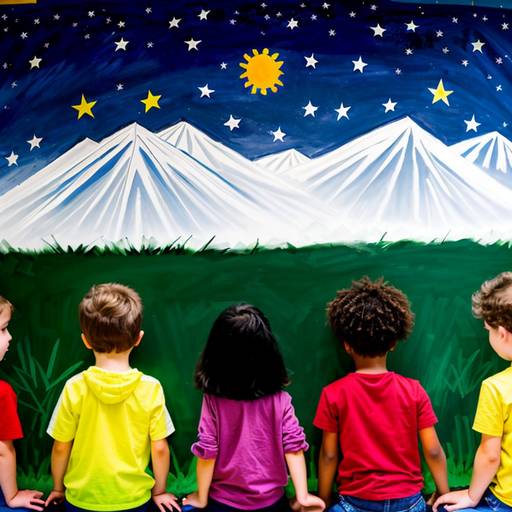
In this preschool lesson, students will engage in hands-on activities to explore concepts related to weather and space. The session begins with a discussion about the current weather, encouraging students to identify different weather conditions. Students will then create mini Earth models using clear cups filled with soil or pebbles and colored water to simulate rain. This activity will help them observe the effects of rain on their models.
Next, the students will participate in a craft activity where they decorate paper plates to represent the sun, moon, and stars, fostering creativity while reinforcing their understanding of celestial bodies. Flashlights may be used to illuminate their creations, providing a visual connection to how stars appear in the night sky.
The lesson concludes with a group reflection where students share their creations and discuss their insights about weather and stars. The overall aim is to enhance their understanding of these concepts through observation, discussion, and creative expression. An optional follow-up activity encourages ongoing observation of weather patterns and exploration of nature-related items.
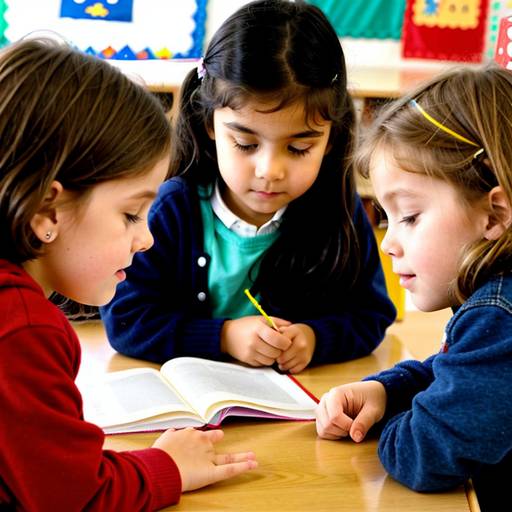
This preschool language arts lesson focuses on enhancing comprehension skills and pre-reading abilities through an interactive storytelling experience. Students will listen to a selected picture book, participate actively by predicting outcomes, and engage in discussions about story elements such as characters, setting, and plot.
The lesson begins with a group prediction activity based on the book's cover, followed by reading the story aloud with expressive intonation and prompting questions to stimulate interaction. After the reading, students will collaboratively create a story map on chart paper, visually representing key elements, and reinforcing vocabulary through picture cards.
To conclude the session, children will illustrate their favorite part of the story, sharing their drawings with the group to deepen their understanding and connection to the text. The lesson wraps up with a discussion to reflect on the story and preview the next learning adventure, fostering excitement for future literacy exploration. Assessment will focus on student participation and the connection of their illustrations to the story's elements. Adaptations are included to support all learners, ensuring an inclusive and engaging experience for every child.
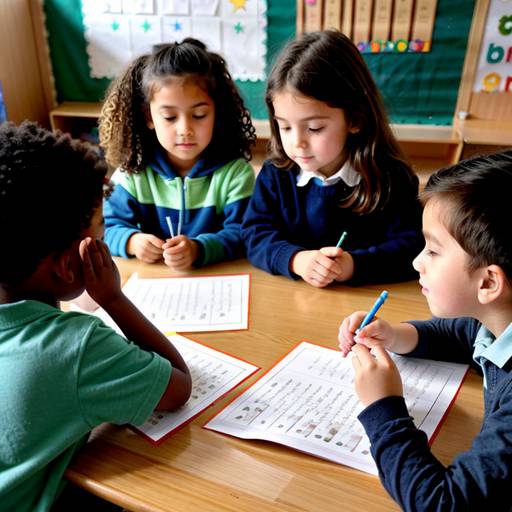
In this preschool language arts lesson, students will enhance their writing skills by creating and illustrating their own imaginary creatures. The lesson begins with a discussion about various fantastical beings, allowing children to share their thoughts on what makes these creatures interesting. Following this, students are guided through a brainstorming session to develop unique ideas for their creations.
Afterward, they engage in a drawing activity where they illustrate their creatures based on their brainstormed concepts. Students are then encouraged to add a few sentences about their creations using provided sentence starters, promoting both creative expression and emerging writing skills.
The lesson concludes with a sharing session where students present their drawings and descriptions to the class, fostering communication and confidence. The activity emphasizes creativity in writing and encourages students to express their individuality through their imaginative work. As an extension, there are opportunities to compile the students' creations into a class book or showcase their work in a "Creatures Parade" for the school community.