
Filters
Level
Grade
Subject
Subject Area
Subject Topic
Standard(s)
Audience
Keyword
DurationMinutes
Preschool Lesson Plans

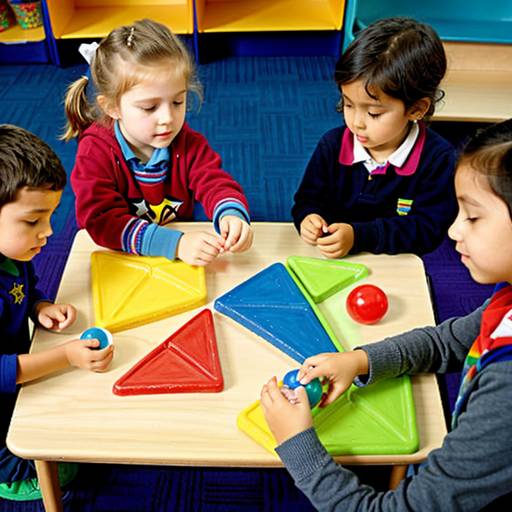
In this preschool math lesson, students will explore the concepts of sorting and classifying through interactive activities centered around shapes and colors. The session begins with an engaging introduction where students are encouraged to observe and identify different shapes and colors. Direct instruction follows, demonstrating how to sort objects by these characteristics using visual examples.
Students will then participate in a guided group activity, where they will work collaboratively to sort a collection of mixed objects into designated trays based on color and shape. This hands-on experience enhances their observational and critical thinking skills. Afterward, they will present their findings to the class, fostering communication skills and reinforcing their understanding of the sorting process.
The lesson concludes with a reflection on what was learned and provides each student with a sticker reward for their participation. An optional extension activity encourages further exploration of shapes and colors through a collage project, enriching the overall learning experience. This lesson effectively promotes essential early math skills in a fun and engaging manner.
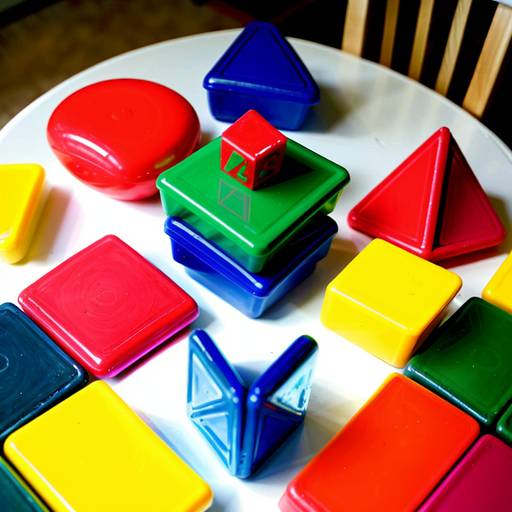
In this preschool lesson plan, students will engage in hands-on activities focusing on the concepts of sorting and classifying. The session begins with an introduction to these mathematical concepts, using visual aids that display various shapes and colors. Following a demonstration where the teacher models sorting strategies, children will split into small groups to practice sorting a mixed collection of colorful plastic shapes. They will categorize the items by attributes such as color and shape, all while enjoying a fun sorting song that keeps them engaged.
After the activity, students will gather to share their sorting experiences and discuss their favorite shapes or colors, fostering communication and reinforcing their learning. The lesson concludes with a recap of the key concepts learned, along with rewards for participation. To extend learning, opportunities for technology integration or outdoor exploration can be incorporated. Assessment is primarily based on observation and group sharing, ensuring that each child's understanding and reasoning skills are evaluated in a supportive environment.

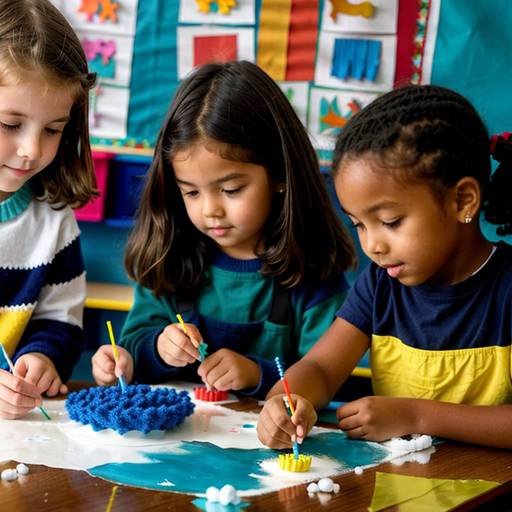
This preschool art lesson focuses on creating crafts inspired by ocean life, allowing children to explore their creativity while learning about sea creatures and the environment. The lesson begins with a circle discussion about the ocean and its inhabitants, followed by hands-on crafting where children make various sea-themed projects using construction paper, paper plates, and decorative materials. The activities emphasize fine motor skills through cutting, gluing, and decorating. After completing their crafts, children share their creations with the group, fostering communication and self-expression. The lesson concludes with a reflection on what they learned, reinforcing the importance of ocean environments. Adaptations and extensions are provided to support diverse learning needs and further exploration of the theme.

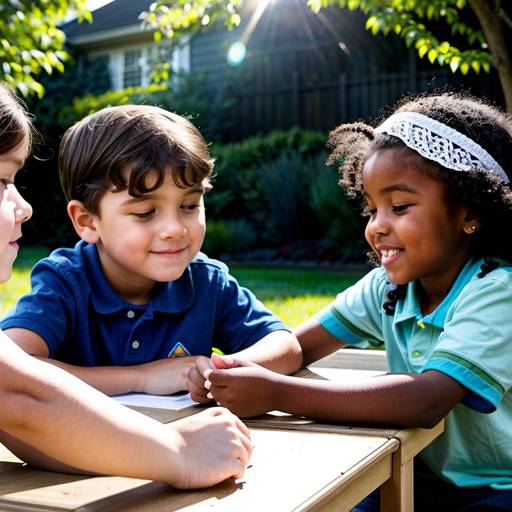
This preschool social studies lesson focuses on emotional awareness, enabling young learners to identify and express various feelings. The session begins with a circle gathering where students share and list emotions, followed by a read-aloud of a children's story that illustrates different feelings. To reinforce understanding, students engage with emotion cards, making facial expressions in front of a mirror while discussing personal experiences related to those feelings.
Next, children participate in a creative activity where they draw flowers that represent a specific emotion, explaining their choice with assistance. Their artwork is then displayed around the classroom as part of an "Emotion Garden." The lesson concludes with a reflection and a calming breathing exercise to emphasize the importance of discussing emotions. Through observation and participation, the teacher assesses the children's emotional vocabulary and understanding, while future activities may include daily emotion check-ins and access to books about feelings, further promoting emotional literacy and empathy.
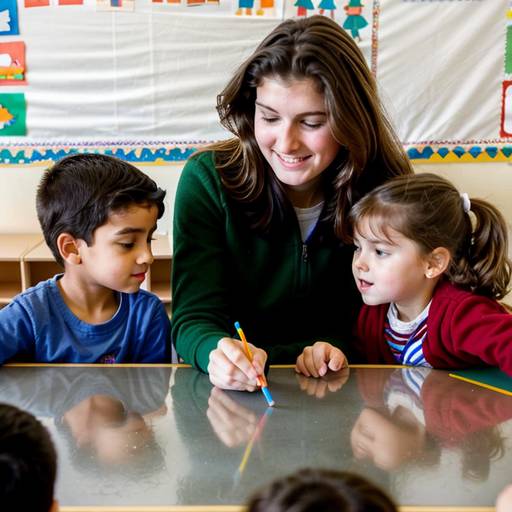
This preschool lesson plan focuses on enhancing emotional awareness among young children by exploring their feelings and the role of their families in managing those emotions. The session begins with a group discussion about different emotions using visual emotion cards, allowing children to identify and express personal experiences. A read-aloud story about emotions and family follows, prompting further reflection on how characters handle feelings, which helps connect literature to their own lives.
Children then engage in a creative art activity where they draw family scenes that represent specific emotions, promoting self-expression and storytelling. The lesson concludes with a reflection circle, encouraging children to share how their families support them in feeling safe and happy. Additionally, a closing role-playing activity using plush toys reinforces the concepts learned, fostering empathy and connection among peers. The overall goal is to help children articulate their emotions while recognizing the importance of family support, contributing to their social and emotional development.
Extensions encourage ongoing exploration of feelings both in the classroom and at home, further strengthening the connection between emotional awareness and family relationships.
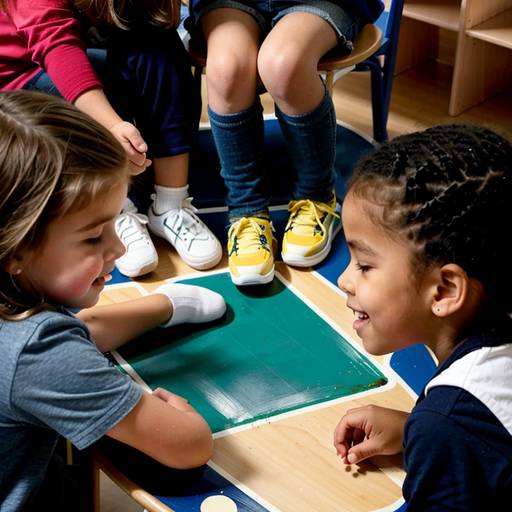
In this lesson plan designed for preschool-aged children, the focus is on fostering cooperation and sharing as essential elements of community building. The session begins with a welcoming introduction that encourages children to think about the importance of working together. A storybook is then read aloud, illustrating key concepts of sharing and collaboration, followed by a discussion to elicit the children's thoughts and feelings regarding the narrative.
Next, children are divided into small groups to engage in a cooperative building activity using blocks or manipulatives, where they must work together to create a structure. This hands-on experience promotes teamwork and communication among peers. Following the building activity, the children collectively create a community mural on a large paper, allowing them to express their ideas about what makes their community special, while practicing taking turns and sharing materials.
The session concludes with a reflection circle where children share their learnings about cooperation and sharing, reinforcing the values discussed throughout the lesson. An optional movement activity is also available to extend engagement and enhance the fun of collaboration. Throughout the lesson, educators are encouraged to observe interactions for signs of social development and understanding of community dynamics.

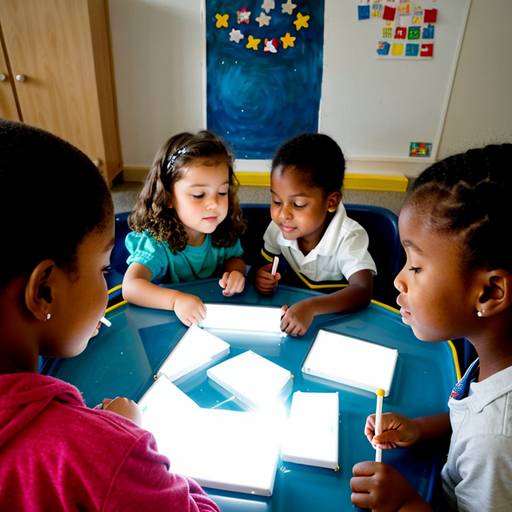
This preschool science lesson focuses on the concept of energy, engaging young learners through interactive and hands-on activities. The lesson begins with a group discussion to introduce the idea of energy and its various forms, such as light, movement, air, sound, and heat. Students are then divided into small groups to rotate through several activity stations, each highlighting a different type of energy. At these stations, children explore practical examples, such as using flashlights to understand light, winding up toys to see stored energy in action, feeling air from a fan, creating sound with instruments, and making bubbles. After the activities, students reconvene to share their experiences and reflect on what they learned. They express their favorite activity through drawings, reinforcing their understanding of energy. The lesson concludes with ideas for further exploration at home and strategies for adapting the activities to meet different learning needs, ensuring an inclusive experience for all participants.

This preschool science lesson focuses on exploring the concepts of light and sound through engaging, hands-on activities. Students will first discuss and share their prior knowledge about light and sound in a group setting. They will then participate in an activity using flashlights and colored translucent objects to observe how colors change and mix when light is shone through them.
Next, children will listen to various sounds, identifying and discussing their characteristics while also experimenting with small musical instruments to create their own rhythms.
The lesson will include a shadow exploration activity in a designated area, where students can use their hands and objects to create shadows, fostering an understanding of light’s properties. Students will then express their learnings through drawing, capturing their interpretations of light and sound.
The lesson concludes with a group discussion, allowing children to reflect on their experiences and articulate their favorite aspects of the activities. Throughout the lesson, informal assessments will be made through observations and discussions to gauge understanding and engagement. Extensions for continued exploration will also be suggested, such as creating a dedicated space for further light and sound activities or organizing a field trip to a science center.
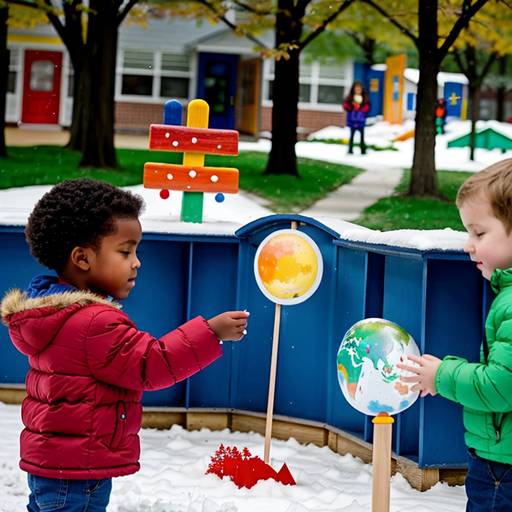
This preschool science lesson is designed to introduce students to the four seasons—spring, summer, autumn, and winter—and explore the associated weather changes. The lesson begins with a discussion where students share their knowledge and experiences related to each season, fostering engagement and observational skills.
Next, participants will sort seasonal picture cards, identifying characteristics and activities linked to each season. Following this, the students will engage in an art activity where they create scenes representing their favorite seasons using various materials, such as crayons and cotton balls. This hands-on approach allows them to express their creativity while reinforcing their understanding of seasonal weather changes.
The lesson concludes with a circle time reflection, providing students an opportunity to share their artwork and thoughts about the seasons. A fun farewell song related to the seasons will wrap up the session. Assessment will focus on participation, creativity in the art project, and understanding demonstrated during discussions. Extensions may include nature walks to observe local weather patterns and maintaining a classroom weather chart.
The lesson focuses on developing preschool students' spatial awareness skills through interactive activities that encourage the use of spatial vocabulary. Students will begin by discussing and demonstrating terms such as "above," "below," "next to," "in front of," and "behind." They will engage in a fun obstacle course designed to help them navigate their environment using these concepts.
Following the physical activity, students will create their own drawings of familiar spaces, labeling their artwork with the spatial vocabulary they learned. The lesson concludes with a group discussion to reinforce their understanding and encourage sharing. Throughout the activities, teachers will assess students' grasp of spatial relationships and their ability to communicate effectively. Adaptations are included to support varying skill levels and enhance engagement.