
Filters
Level
Grade
Subject
Subject Area
Subject Topic
Standard(s)
Audience
Keyword
DurationMinutes
Preschool Lesson Plans

This preschool lesson plan focuses on enhancing language arts skills through storytelling and discussion. The session begins with an engaging introduction that prompts children to predict the story’s content based on the cover. The teacher reads a picture book aloud with expressive narration, encouraging participation and fostering comprehension by asking open-ended questions throughout the reading.
Following the story, a discussion reinforces comprehension, prompting students to express their favorite parts and personal connections to the narrative. New vocabulary from the story is introduced and written on a whiteboard for visual reference.
Students then participate in a creative activity by creating story maps, where they draw and label the main characters, settings, and events from the story. The lesson wraps up with a recap of key points from the narrative and an opportunity for children to share what they learned, reinforcing the idea that every story contributes to their development as readers and thinkers. The lesson includes observations for assessment and suggests extensions for independent exploration of related books.
This lesson plan focuses on enhancing preschoolers' literacy development through a multisensory experience centered around story exploration and phonological awareness. In the 30-minute session, children will engage in a circle discussion to predict a story's content and learn new vocabulary words relevant to the story theme. The facilitator will read a selected picture book with enthusiasm, pausing to promote interaction and comprehension.
Following the reading, students will participate in an interactive rhyming activity using picture cards, where they will explore and generate rhyming words in a fun, engaging manner. The lesson will then transition to a sensory exploration activity, where children will discover items related to the story's theme within a sensory bin, fostering their connection to the narrative through tactile experiences.
To conclude, the group will reflect on their learning and share their thoughts about the story and vocabulary. This approach not only builds foundational literacy skills but also encourages participation and creativity among young learners. Observational assessment will focus on children’s engagement and understanding throughout the activities. Extensions include independent reading opportunities and creating a word wall to reinforce vocabulary.

This lesson plan is designed for preschoolers, aiming to integrate art and literacy by exploring storytelling through engaging activities. It begins with a group reading of a selected storybook, stimulating imagination and encouraging discussion about characters and events. Following the reading, children are introduced to an art project where they illustrate their favorite scenes or create their own story continuations using various materials, such as crayons, watercolors, and fabric scraps.
Throughout the art creation process, the teacher circulates to provide guidance and foster conversation about the children’s choices and artistic expressions. After completing their illustrations, students gather in a circle to share their artwork and thoughts, promoting social interaction and communication skills. The lesson wraps up with a group song or a brief discussion about the importance of storytelling and art.
Assessment focuses on participation, creativity, and the ability to express ideas, while extensions encourage ongoing literacy and artistic exploration. This approach effectively integrates multiple curriculum areas—literacy, art, and social skills—while allowing children to develop fine motor abilities and boost their imagination.
This preschool language lesson is designed to enhance children's storytelling abilities and develop early writing skills through engaging activities. It begins with a warm-up game that encourages sound recognition related to stories, followed by reading a captivating picture book to stimulate interest and discussion. Children are prompted to share their thoughts about the story, fostering comprehension and verbal expression.
Next, they participate in a collaborative storytelling activity, where each child contributes a sentence to create a unique group story, allowing for creativity and teamwork. After completing the story, children illustrate their favorite parts, reinforcing their understanding of narrative elements. They then engage in a writing readiness activity by selecting prompts to draw and write simple sentences, developing their writing skills with support as needed.
The lesson concludes with a sharing session, where children present their artwork and reflect on their experiences. The activities aim to instill a love for storytelling while promoting language development and writing readiness. Follow-up activities encourage ongoing exploration of storytelling both in the classroom and at home, helping to solidify the concepts learned. Assessment focuses on observation of participation and engagement in discussions and activities.
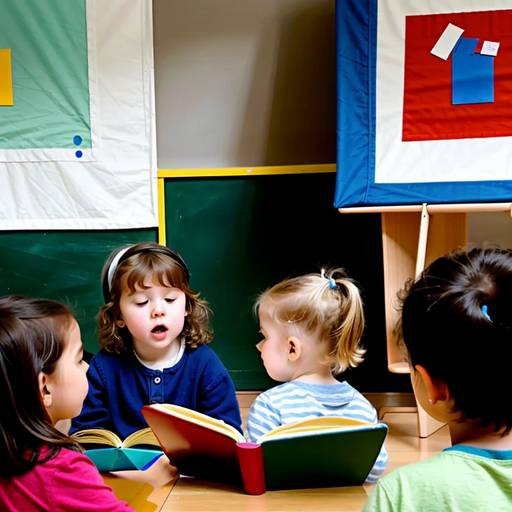
In this preschool language development lesson, children will embark on an interactive storytelling experience designed to enhance their listening and speaking skills. The session begins with a warm-up song to engage students, followed by a vote on which storybook to read. During the storytelling, the teacher will employ expressive narration and encourage student participation through questions and predictions.
Afterward, the children will collaborate to create sound effects for key moments in the story using small instruments, further enhancing their engagement. A vocabulary chart will introduce new words, fostering language comprehension as students contribute examples and meanings. The lesson culminates in a creative activity where children illustrate their favorite parts of the story or create their own characters, providing an opportunity to practice their speaking skills while sharing their artwork. The lesson concludes with a closing circle, where students share their thoughts, reinforcing their communication abilities in a supportive environment. This comprehensive approach emphasizes active participation, creative expression, and vocabulary building in a fun and engaging manner.

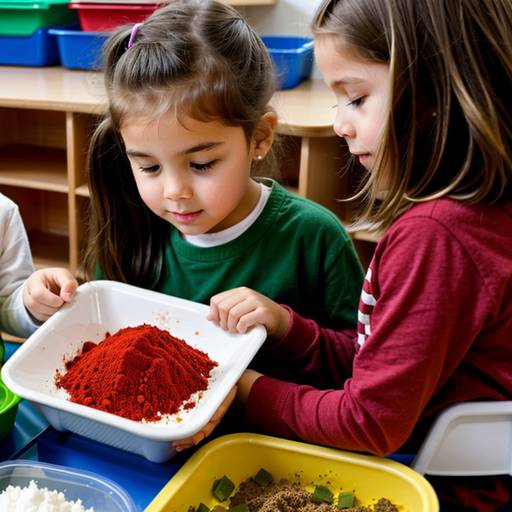
This preschool lesson focuses on introducing young children to health and nutrition through engaging activities that promote understanding of healthy foods. The session begins with a circle time discussion, where children explore different types of healthy foods, learning about their benefits for the body. As part of the lesson, students participate in a food exploration activity using flashcards to categorize fruits, vegetables, grains, proteins, and dairy.
Following the exploration, there is a snack tasting segment where children sample various healthy foods, discussing their colors, flavors, and preferences, which reinforces sensory awareness. To encourage creativity, children then color activity sheets featuring healthy foods, sharing their favorite choices during the process. The lesson concludes with a wrap-up discussion, emphasizing the importance of healthy eating for overall well-being.
Throughout the lesson, teachers assess student engagement and understanding based on participation in discussions and activities. Extension opportunities are suggested to further reinforce healthy eating concepts in the classroom. This approach creates a fun and interactive environment for preschoolers to learn about nutrition and develop positive eating habits.

In this preschool lesson plan, students will be introduced to essential concepts of internet safety through engaging storytelling, interactive discussions, and hands-on activities. The session begins with a brief introduction to the internet, framing it as a space for exploration and learning. A storybook that focuses on online safety will be read aloud, highlighting key points such as the importance of not sharing personal information and recognizing safe online interactions.
Following the story, educators will facilitate a discussion that encourages students to think critically about safe and unsafe scenarios they might encounter online, using smiley and frowning face printouts to visually represent their understanding. To reinforce the concepts, students will learn a fun song about internet safety, incorporating movement to enhance engagement.
The lesson concludes with a creative craft activity where children will design posters or collages depicting safe and unsafe online behaviors, which will be displayed in the classroom. Throughout the session, educators will assess students' understanding through participation and observation, while also encouraging parental involvement to extend learning at home. The overall goal is to promote awareness and safe practices for young children in an increasingly digital world.
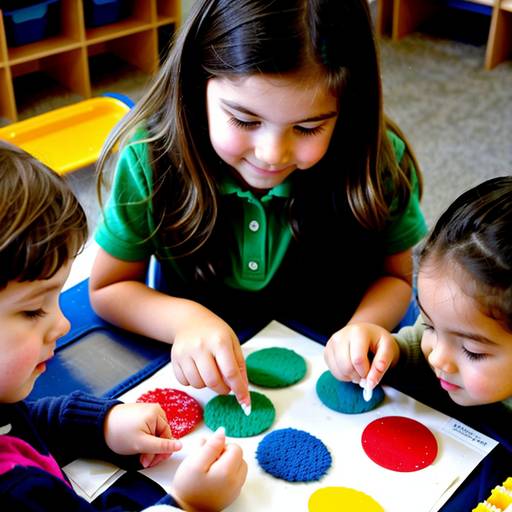
In this preschool art lesson, students will explore and create with various textured materials to enhance their understanding of texture and pattern. The session begins with an introduction to different textures, allowing children to touch and describe the materials provided. Following this exploration, the concept of patterns is discussed, highlighting how they can incorporate different textures.
Students will then engage in a hands-on art activity where they select their favorite materials to create a textured art piece, learning to layer and arrange the items thoughtfully. Once their artworks are complete, a show-and-tell session will allow each child to present their pieces, fostering communication and appreciation among peers. The lesson will conclude with a clean-up activity, encouraging responsibility and teamwork. Through observation and active participation, educators can assess students' grasp of texture and pattern concepts, promoting creativity and tactile engagement in a supportive environment. Extensions may include storytime focused on textures or collaborative group projects.

In this lesson plan, preschool students explore the concepts of cooperation and sharing while emphasizing the importance of community. The session begins with a welcoming circle where children discuss what it means to share and cooperate. A story is read aloud to illustrate these themes, prompting students to reflect on the characters' actions and their feelings related to sharing.
Following the story, students participate in a hands-on group activity where they work together to build a structure using blocks or soft toys. This experience reinforces teamwork as they learn to share resources and ideas. Afterward, the class engages in creating a "Community Quilt," where each child decorates a paper square reflecting an act of sharing or cooperation. The completed quilt serves as a visual representation of their contributions.
The lesson concludes with a reflection session where students share their artwork, reinforcing their understanding of cooperation and sharing. The facilitator emphasizes the importance of these values in both the classroom and their broader community. This interactive lesson not only builds social-emotional skills but also fosters a sense of belonging and teamwork among the children.
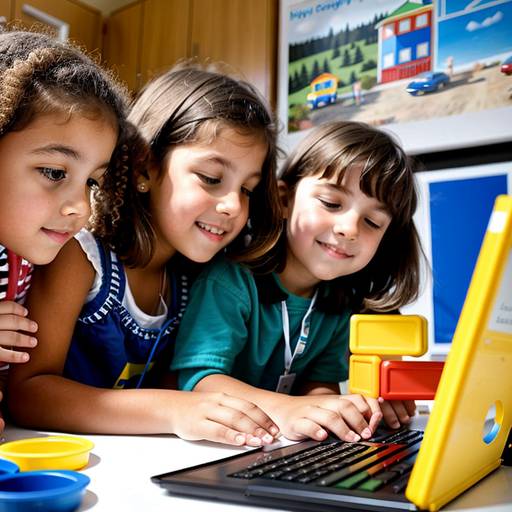
This preschool lesson plan aims to introduce young learners to basic digital literacy concepts in an engaging and interactive manner. The session begins with a group discussion to elicit students' prior knowledge and experiences with technology. A themed storybook is read aloud to illustrate technology's role in communication and learning, followed by hands-on exploration of educational apps on tablets. Students then participate in a creative activity, coloring digital literacy-themed worksheets to reinforce their understanding. The lesson concludes with a group reflection, allowing students to share their experiences and insights about the technology they discovered. The plan emphasizes participation, collaboration, and positive attitudes towards technology, while providing extension activities for ongoing engagement. Educators are encouraged to observe and support students throughout the activities, ensuring a safe and enriching environment for learning.