
Filters
Level
Grade
Subject
Subject Area
Subject Topic
Standard(s)
Audience
Keyword
DurationMinutes
Preschool Lesson Plans
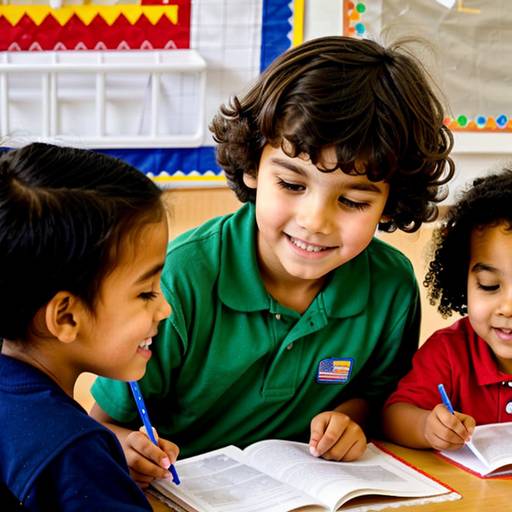
This preschool lesson plan focuses on helping young students recognize and use basic sight words to enhance their pre-reading skills. The session begins with an introduction to sight words, highlighting their importance in reading. Following this, an engaging game called "Sight Word Simon Says" allows students to practice these words through movement.
Next, the teacher reads an illustrated storybook that incorporates the sight words, encouraging students to join in when they hear familiar words, thus reinforcing recognition and understanding. An interactive "Safari Animal Match" activity provides a hands-on approach, where students find associated sight word flashcards after selecting a toy animal.
As a creative expression element, students illustrate a chosen sight word on poster paper, allowing them to connect art with language learning. The lesson concludes with a reflection segment where students share their thoughts on the sight words and the activities.
Overall, the lesson emphasizes participation, collaboration, and creativity, making the learning of sight words a fun and enriching experience for preschoolers. Optional worksheets are provided for practice at home, and extensions are suggested to further reinforce sight word recognition in different contexts.
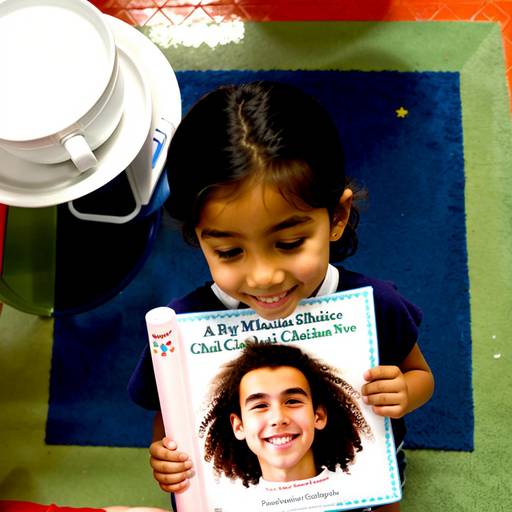
In this preschool language arts lesson, students will enhance their pre-reading skills by focusing on key sight words. The session begins with a warm welcome and an introduction to sight words, where children will engage with flashcards through pronunciation and fun actions. Following this interactive review, a short illustrated story will be read aloud, allowing students to identify sight words as they appear in context.
The lesson will then transition into a creative craft activity where each child selects and illustrates their favorite sight words, promoting both recognition and artistic expression. To reinforce learning, students will participate in a bingo game featuring sight words, providing a fun and competitive way to demonstrate their knowledge. The lesson concludes with a circle discussion that reflects on what they learned and encourages them to look for sight words outside the classroom.
Assessment is conducted through observation and review of their crafts, and extensions include sending home materials for continued engagement with sight words. Overall, the lesson aims to build vocabulary and confidence in young learners as they embark on their reading journey.
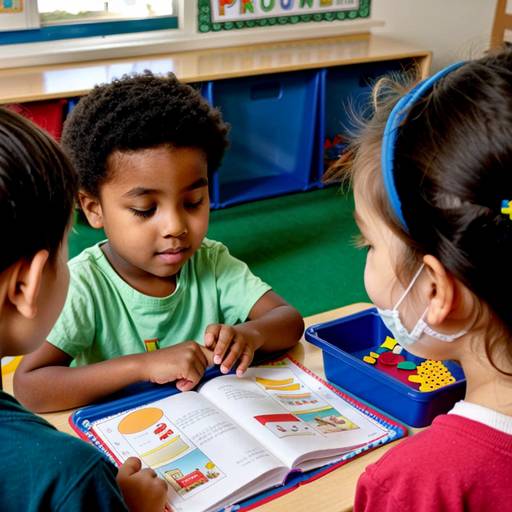
This preschool language arts lesson focuses on teaching students to recognize and read common sight words, enhancing their pre-reading skills and vocabulary development. The lesson begins with an introduction to sight words through interactive flashcards, where students repeat and identify these words. This is followed by a group reading of a large book that highlights sight words, encouraging students to participate and point out the words as they appear in the text.
Students then engage in a creative activity where they work in small groups to illustrate assigned sight words on chart paper, promoting discussion and collaboration. The lesson includes an engaging bingo game that allows students to practice their sight word recognition in a fun and competitive format, with prizes for bingo winners to encourage participation.
The session concludes with a group discussion to reinforce what students learned about sight words, inviting them to continue searching for these words in their reading at home. Assessment is primarily observational through participation and recognition during the activities, with differentiation strategies in place to support diverse learning needs. Overall, the lesson creates an interactive and enjoyable atmosphere that lays the groundwork for literacy development.
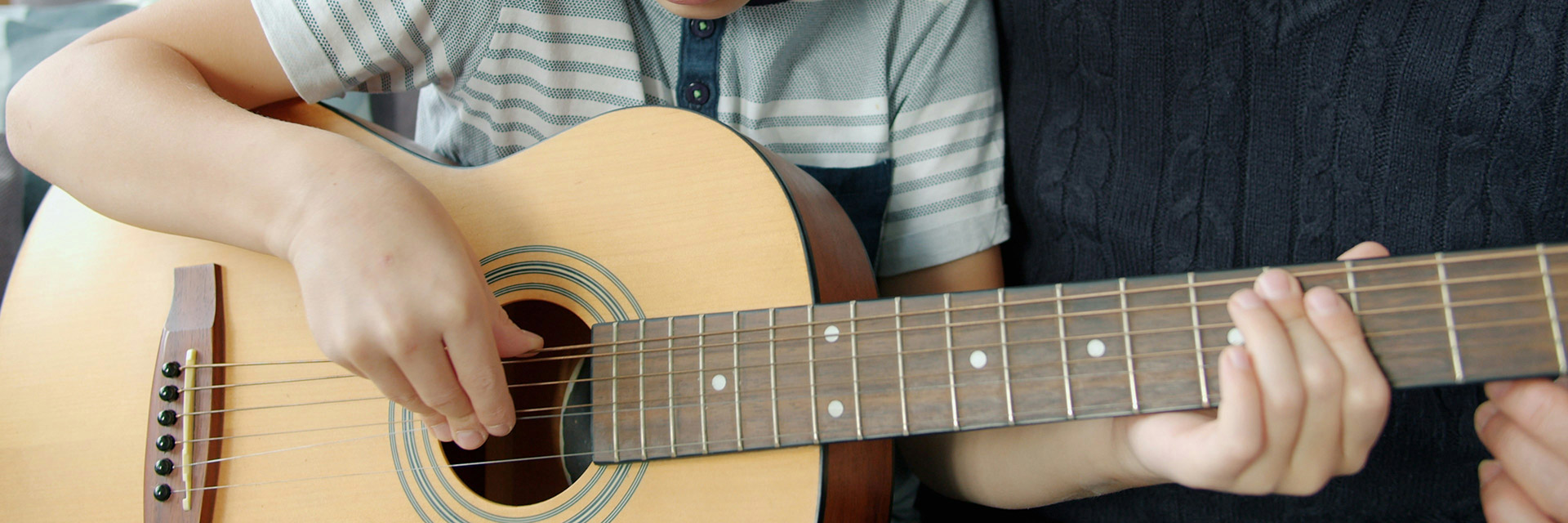
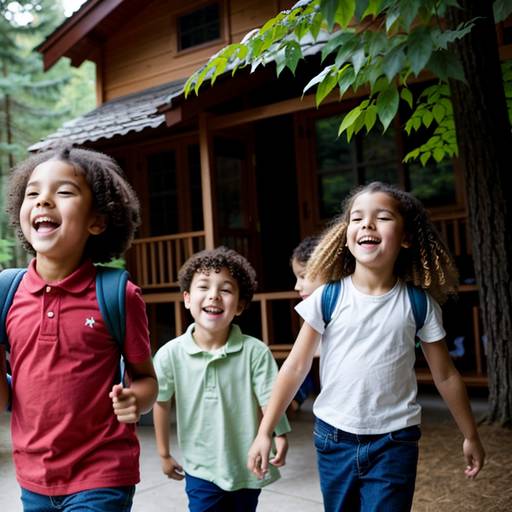
This preschool music lesson is designed to engage children aged 3 to 5 in exploring the theme of nature through singing and movement. The session begins with a warm welcome and a vocal warm-up, followed by interactive singing of songs related to animals and the natural world. Children will use props and picture cards to enhance their understanding and participation.
Throughout the lesson, participants will engage in movement activities using scarves or ribbons while listening to nature-themed music, encouraging creative expression. Additionally, they will have the opportunity to explore various musical instruments, experimenting with rhythms and sounds in relation to the theme.
The lesson concludes with a closing circle where children can share their experiences and favorite moments, followed by a calming goodbye song. This approach fosters language development, creativity, and an appreciation for nature in a fun and engaging environment. Extension activities are suggested to deepen the learning experience and involve families.

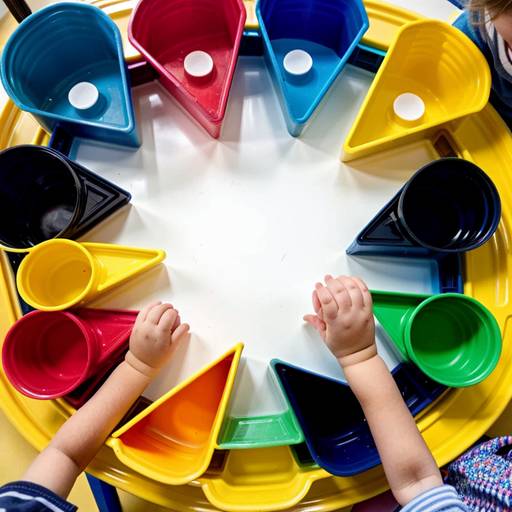
This preschool math lesson focuses on the concepts of sorting and classifying using engaging, hands-on activities that promote critical thinking and collaboration among students aged 4-5 years. The lesson begins with a group discussion and a story that introduces the idea of grouping items by attributes such as color, shape, and size.
Following this, the teacher demonstrates sorting techniques using a variety of colorful shape cutouts. Students then participate in a series of interactive sorting stations, where they practice sorting objects based on different criteria—color, shape, size, and mixed attributes. After engaging in the activities, students reflect on their experiences and share their insights as a class.
To conclude the lesson, children express their understanding creatively by drawing their favorite shape and color combinations. Assessment is based on observations during sorting activities, class discussions, and the evaluation of their drawings. Extension activities encourage further practice at home, reinforcing the concepts learned in class. Overall, the lesson successfully combines learning and fun, helping children grasp fundamental math skills through exploration and creativity.
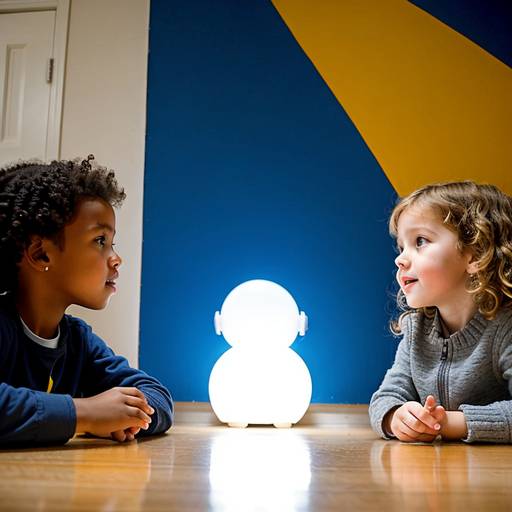
This preschool language lesson focuses on enhancing listening and speaking skills through interactive and engaging activities. The session begins with a discussion about sounds in the environment, allowing students to share their favorites. Following this, a warm-up activity prompts them to mimic various environmental sounds while describing them using descriptive language.
The next segment features a reading of a rhythmic story, encouraging participation through repeated phrases and sound effects, followed by open-ended questions to promote discussion. Students then engage in a sound match game where they identify and replicate sounds associated with picture cards, fostering vocabulary development.
The lesson continues with a hands-on instrument exploration, where students create and describe their own sounds, boosting their confidence in expression. A calming cool-down activity allows students to listen to soothing sounds, encouraging reflection on their feelings associated with the sounds.
The lesson concludes with a group reflection, where students share their favorite sounds, reinforcing the importance of effective communication. Assessment is based on participation, the ability to describe sounds and stories, and peer interaction, with adaptations available to meet diverse learning needs. Overall, the lesson provides a dynamic and supportive environment for developing critical language skills.
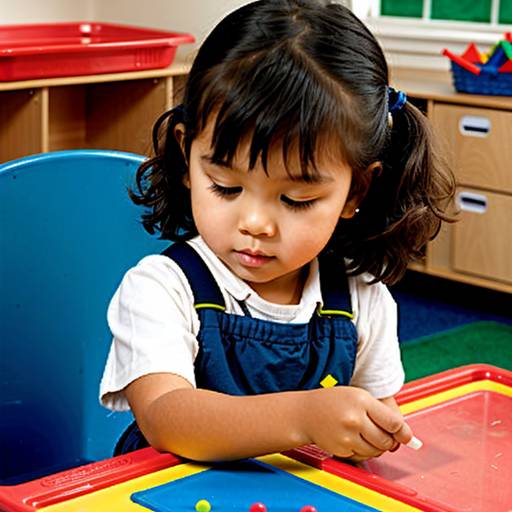
In this preschool lesson plan, children will engage in activities designed to enhance their understanding of spatial awareness through movement, play, and vocabulary development. The session begins with an introduction to basic spatial concepts such as above, below, in front of, behind, next to, and between, using visual aids like picture cards to facilitate comprehension.
Following the introduction, students participate in a dynamic movement activity where they follow verbal instructions related to spatial terms, enhancing their listening and physical coordination skills. Next, children work in small groups to build arrangements using blocks or toys, encouraging collaboration as well as an understanding of spatial relationships. Each group then presents their creations and describes their spatial configurations to their peers.
The lesson concludes with a closing circle discussion where children reflect on their favorite activities and learnings, reinforcing their grasp of spatial language. Throughout the session, various assessments will be made based on student participation, ability to follow instructions, and engagement with spatial concepts. Adaptations are provided for diverse learning needs, along with extensions to incorporate literature and scavenger hunts, ensuring a comprehensive and enjoyable learning experience that fosters both cognitive and social skills.

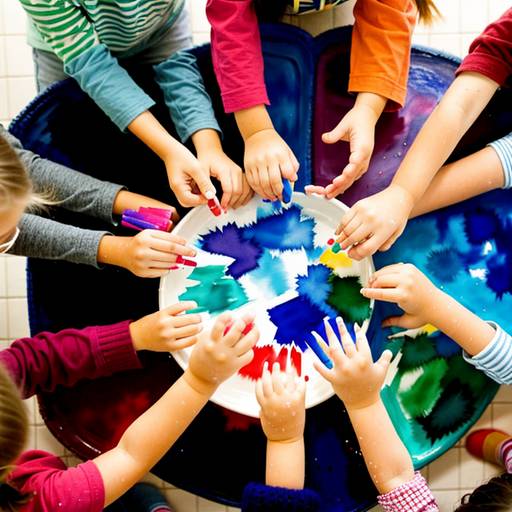
In this preschool art lesson, students will engage in an exploration of watercolors to create their own abstract paintings. The lesson aims to encourage creativity and self-expression through painting techniques such as wet-on-wet and wet-on-dry application, as well as using the salt technique for added texture. The session begins with a demonstration to familiarize students with the materials and methods, followed by a hands-on painting experience where they can experiment with color blending and layering. Afterward, students will have the opportunity to share their artwork with peers, discussing their color choices and experiences. The lesson concludes with a group cleanup and the possibility of displaying their creations. This activity not only fosters artistic skills but also promotes fine motor development and collaborative sharing among young learners.
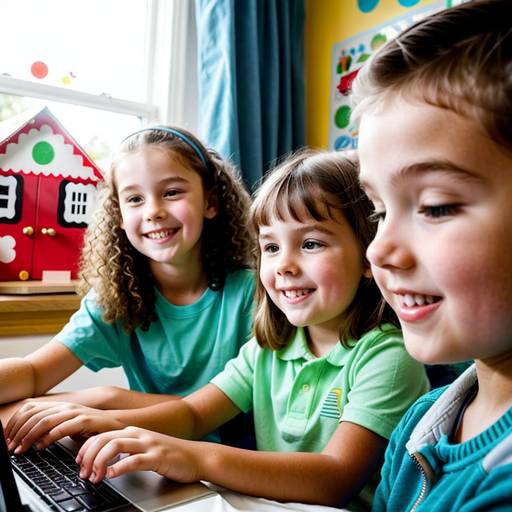
In this preschool lesson plan, young learners will explore the concept of internet safety through a dynamic and interactive approach. The session begins with a circle time discussion, where students are introduced to the internet as a digital playground full of exciting opportunities. A read-aloud story serves as the central activity, illustrating safe and unsafe online scenarios while engaging students with questions to foster critical thinking.
Following the story, students will have a brief discussion on key safety concepts, including the importance of asking for help from an adult when they encounter something confusing online. To reinforce learning, children will participate in role-playing activities where they can enact different situations related to internet safety, allowing them to practice appropriate responses.
The lesson concludes with a creative coloring activity, where students will express their understanding through art while discussing their favorite parts of the lesson. Throughout the session, educators will assess student engagement and comprehension informally, wrapping up with rewards for participation. Overall, the plan emphasizes foundational internet safety skills tailored to a preschool audience, ensuring an enjoyable and educational experience.

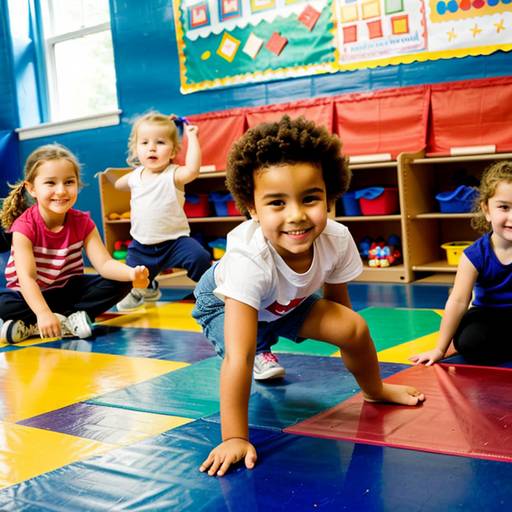
This preschool physical education lesson plan focuses on enhancing balance and coordination skills through a variety of engaging activities designed for children ages 3-5. The lesson spans 98 minutes and begins with a warm-up session that includes simple stretching exercises.
Students then rotate through several balance stations, including walking on balance beams, balancing inside hula hoops, and navigating a zigzag course of cones, while also practicing jumping rope. Group coordination games follow, with activities like "Freeze Dance" and "Toss and Balance," where children work on throwing and catching a ball while maintaining balance.
Next, participants engage in an active relay challenge that reinforces their skills through a fun, competitive format. The session concludes with a cool-down period consisting of gentle stretches and a reflection circle where students can share their experiences and favorite activities. Throughout the lesson, instructors emphasize safety, adaptability, and positive reinforcement to create a supportive environment for all children.