
Filters
Level
Grade
Subject
Subject Area
Subject Topic
Standard(s)
Audience
Keyword
DurationMinutes
Preschool Lesson Plans

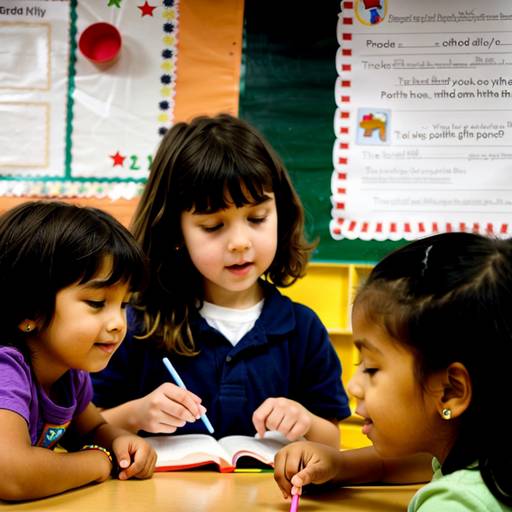
In this preschool language arts lesson, students will explore basic sentence structure by identifying subjects, verbs, and objects through interactive group activities. The lesson begins with a welcoming circle time where students share their names and favorite things to foster engagement. They will then collaborate in small groups using sentence-building cards to create simple sentences, which they will share with the class. After modeling sentence components on the whiteboard, students will illustrate their sentences and write them underneath their drawings. The session concludes with a sharing and celebration of their creative efforts, encouraging participation and reinforcing their understanding of sentence formation. Assessments will include observational checks during activities and reviews of the students’ written work. Modifications and extensions are included to cater to varying skill levels. Overall, this lesson promotes collaboration, creativity, and fundamental grammar skills in a fun and engaging manner.
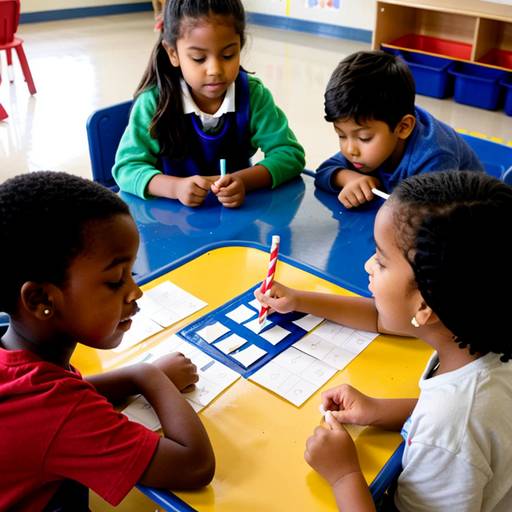
This preschool language arts lesson focuses on teaching students the basics of sentence structure, specifically identifying nouns and verbs. The session begins with an interactive discussion where students learn what a sentence is and explores its components through engaging flashcards and collaborative examples. During guided practice, children observe and participate in creating sentences based on picture prompts, reinforcing their understanding through verbal expression. As an independent activity, each student draws from a given picture prompt and writes a sentence about it, allowing them to apply what they've learned creatively. The lesson concludes with a sharing session, where students present their work, enhancing their confidence and reinforcing their learning. This approach promotes active participation and foundational writing skills in a fun, collaborative environment. Assessment is conducted through observations and the evaluation of student-created sentences. Extension activities provide opportunities for further exploration of sentence construction.
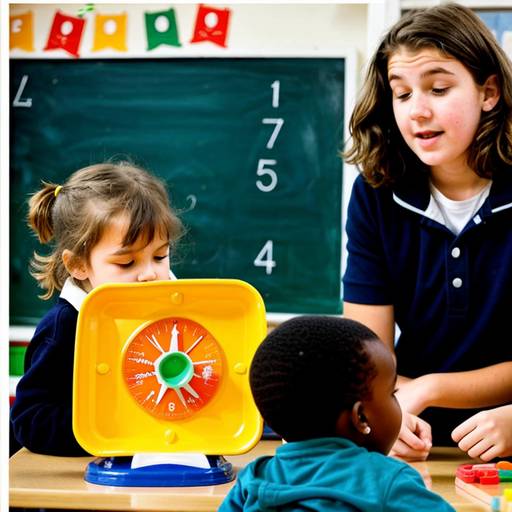
In this preschool language arts lesson, students will explore basic sentence structure through engaging activities that emphasize grammar and writing. The lesson begins with an introduction to sentence components, including subjects, verbs, and objects, using visual aids and interactive discussions.
Next, students participate in a hands-on vocabulary activity with picture cards, discussing and acting out various subjects and actions to create example sentences as a group. Following this, they will draw scenes that illustrate their understanding of sentence structure, incorporating at least one subject, one action, and one object into their artwork.
As each student shares their drawing, they will articulate sentences about their creations, fostering peer interaction and collaborative learning. The lesson concludes with a reflection on what they learned and offers the opportunity for an optional extension activity focused on sentence mixing. Assessment will be based on participation, sentence formulation, and the drawings created, ensuring that students grasp the fundamental elements of sentence structure in a fun and imaginative way.

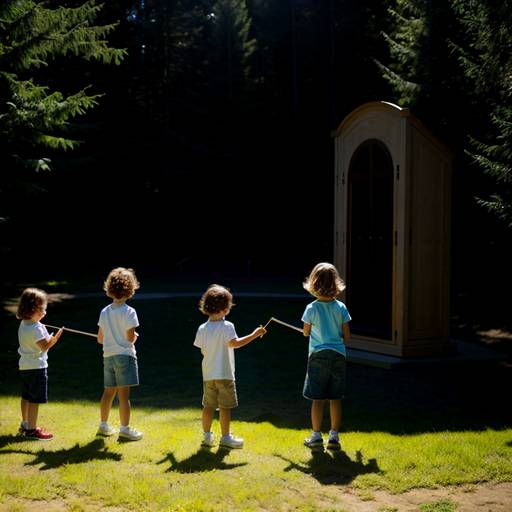
This preschool lesson plan focuses on exploring the concepts of light and sound through engaging, hands-on activities. The session begins with a group discussion about light and sound, using simple instruments and a flashlight to spark curiosity. Children then participate in a shadow play activity, where they use a flashlight to create and observe shadows formed by different objects. Following this, they explore sound by experimenting with various musical instruments, engaging in a "sound parade" to share what they create.
A reflective group discussion allows children to express their observations and experiences, enhancing their critical thinking skills. For those with extra time, an optional art activity encourages children to draw their interpretations of light and sound, fostering creativity. Throughout the lesson, assessment is based on participation, engagement, and understanding of the concepts discussed. This interactive approach helps young learners develop foundational scientific knowledge while enjoying the sensory experiences of light and sound.

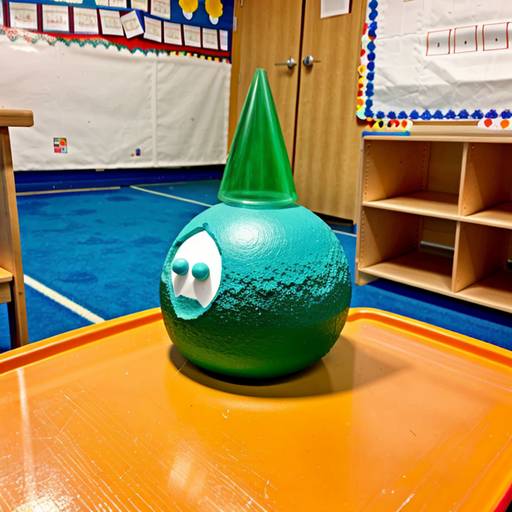
In this engaging preschool lesson plan, students will explore the world of shapes through various interactive activities designed to enhance their understanding of both 2D and 3D shapes. The session begins with a circle time where teachers introduce basic shapes using flashcards and engage students with a story that highlights shapes in illustrations. Following this, students participate in a shape sorting activity where they work in pairs to categorize various objects, fostering teamwork and shape recognition.
Next, students unleash their creativity by creating a shape collage with colorful paper shapes, allowing them to express their understanding while practicing fine motor skills. The lesson also includes an outdoor shape scavenger hunt, where students search for real-life examples of shapes in their environment, further reinforcing their learning through active exploration.
Throughout the lesson, teachers facilitate discussions to encourage students to articulate their thoughts and observations. The session concludes with a wrap-up discussion and a fun song about shapes, reinforcing the day's learning objectives while promoting movement and engagement. Overall, this lesson plan aims to build foundational math skills in a playful, collaborative environment filled with exploration and creativity.
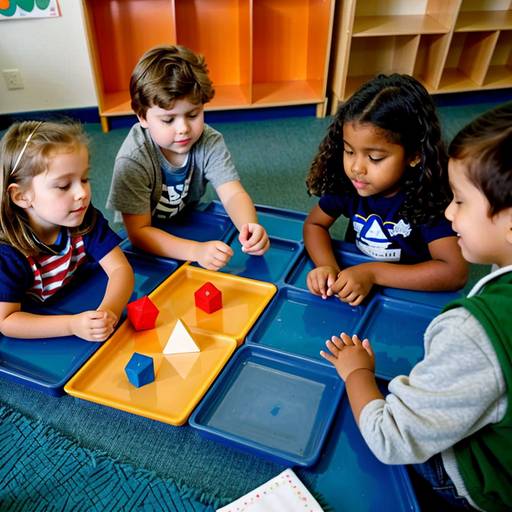
In this preschool lesson plan, students explore the world of shapes through engaging activities designed to develop their ability to identify, describe, and categorize basic shapes, including circles, squares, triangles, and rectangles. The session begins with a group discussion where children share the shapes they see in their classroom. This is followed by an interactive shape scavenger hunt, during which small groups search for various objects that match the shapes on their checklist. After the hunt, students participate in a shape sorting activity to categorize the objects they've found.
Following the exploration, children engage in a creative art project where they create their own artwork using pre-cut shapes, allowing for individual expression and creativity. The lesson concludes with a fun shape song that encourages movement and reinforces the shapes learned. Throughout the activities, teachers assess students' understanding and encourage participation, illuminating the prevalence of shapes in everyday life while making learning enjoyable and interactive. Additionally, parents are provided with resources for continued shape exploration at home.
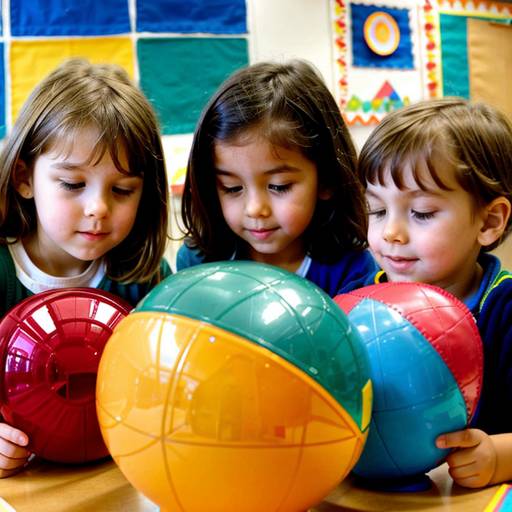
In this preschool lesson plan, students will engage in an interactive exploration of basic shapes, such as circles, squares, triangles, and rectangles. The lesson begins with a group discussion, where children identify and name different shapes using large foam models and flashcards. Following this, students participate in a shape scavenger hunt, searching for objects that align with the shapes discussed.
The next activity involves a creative art session, where students draw, trace, or cut out shapes, allowing them to express their understanding visually. To reinforce learning through movement, a fun game is included, where children freeze in shape formations when called upon. The lesson concludes with group reflection, allowing students to share their favorite shapes and where they see them in their lives. Assessments are made through observation and participation in various activities, with opportunities for future exploration of 3D shapes and home-based activities shared with parents. Overall, the plan promotes shape recognition, creativity, fine motor skills, and group interaction in a playful learning environment.
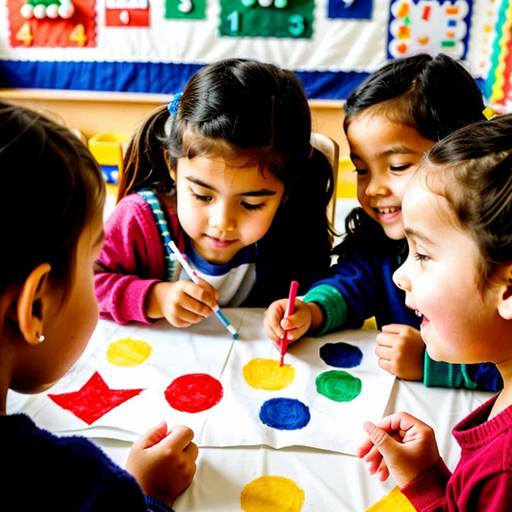
In this preschool language lesson, students will engage in activities designed to develop their fine motor skills and early writing abilities through shape tracing. The session begins with an introduction to various shapes, where students will participate in a discussion to identify and name shapes present in their environment. Following this, a demonstration of tracing techniques is provided to the class, allowing them to practice independently on tracing worksheets. Each student will have the opportunity to trace and then color the shapes, promoting creative expression. Towards the end of the lesson, students will share their completed work with peers, reinforcing their understanding of the shapes and colors used. The lesson aims to foster excitement about shapes while enhancing vocabulary and fine motor skills, with extensions available for students seeking additional engagement. Overall, the lesson not only cultivates writing readiness but also encourages sharing and collaboration among students.

In this preschool math lesson, students will explore basic shapes (circle, square, triangle, rectangle) through a variety of interactive activities designed to engage their curiosity and creativity. The lesson begins with an introduction where students identify and describe shapes found in their environment. Following this, they participate in a movement activity that encourages them to physically embody different shapes.
Next, students work in small groups to sort shape manipulatives using sorting mats, promoting collaboration and dialogue about the characteristics of each shape. The lesson transitions into a creative art activity where children create collages using cut-out shapes, allowing for self-expression and individual interpretation.
A shape-themed storybook is read to reinforce the concepts introduced earlier, followed by a discussion that encourages students to articulate their understanding of shapes. The session concludes with a recap and a possible shape hunt around the classroom to reinforce learning through real-world examples. Throughout the lesson, students are assessed on their ability to identify, name, and describe shapes, ensuring a solid foundation in shape recognition while promoting active participation and engagement.

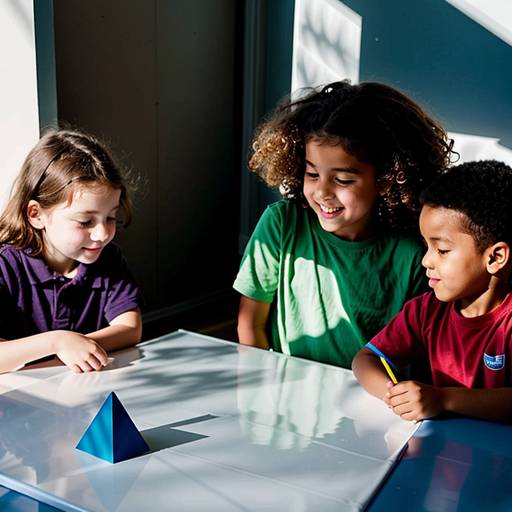
In this preschool art lesson, students will explore the concepts of shapes and shadows through hands-on activities that encourage creativity and critical thinking. The session begins with a discussion on shapes and shadows, allowing children to share their observations and experiences. They will then engage in an activity where they create unique shape cutouts using colored materials, promoting fine motor skills and artistic expression.
Following the creation of their shapes, students will experiment with light sources to observe how their shapes cast different shadows, fostering an understanding of light, dark contrasts, and spatial relationships. The group will reconvene to share their creations and reflections, discussing the changes they observed in their shadow art. An optional storytelling activity using shadow puppets will further enhance their imaginative skills and encourage collaboration.
Throughout the session, teachers will assess student engagement and understanding through observations and discussions. Extensions and adaptations are provided to cater to different learning needs and to further enhance the students’ exploration of shadows in future activities.