
Filters
Level
Grade
Subject
Subject Area
Subject Topic
Standard(s)
Audience
Keyword
DurationMinutes
Preschool Lesson Plans
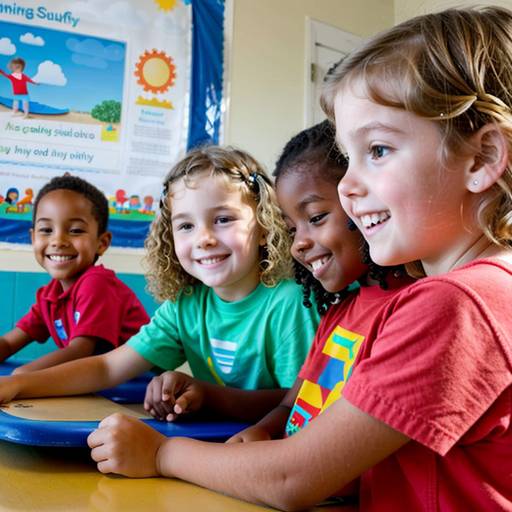
This preschool lesson focuses on introducing young children to internet safety in an engaging and age-appropriate manner. Over the course of 30-45 minutes, students will learn the basics of the internet while discussing three essential safety rules: always asking an adult before using the internet, staying in a safe and busy area while online, and talking to a grown-up if something feels strange.
The lesson includes interactive storytelling featuring a friendly character navigating the internet, helping to illustrate safe practices. Students will participate in a game to distinguish between "safe" and "unsafe" online situations, reinforcing their understanding through visual aids and group discussion.
The session concludes with a recap of the main points and rewards for participation, encouraging students to share their knowledge with their families and promote a continued dialogue about online safety at home. By emphasizing fun and interactivity, this lesson aims to equip preschoolers with foundational concepts of internet safety.
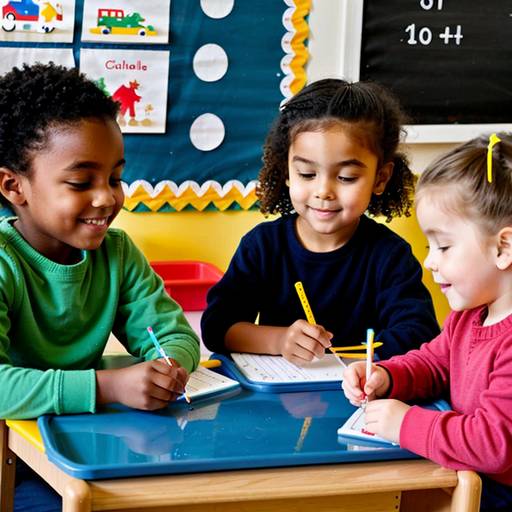
In this Preschool Language Arts lesson, students will engage in activities that promote writing skills through expression and creativity. The session begins with a discussion on the importance of writing, followed by an interactive read-aloud of a visually engaging picture book that encourages imagination. After the story, students will create their own "scribble stories" by drawing pictures that convey a narrative, utilizing lines, shapes, and recognized letters. They will also incorporate relevant word cards into their drawings.
Following the creation of their scribble stories, students will present their artwork to the class, fostering public speaking skills and peer interaction. The lesson concludes with a reflection on the activity and a possible optional journal writing component if time permits. Throughout the lesson, the teacher will observe participation, creativity, and the students' ability to articulate their thoughts, ensuring a supportive and engaging environment for developing writing skills. Finally, follow-up activities will reinforce letter recognition and provide further opportunities for writing practice.

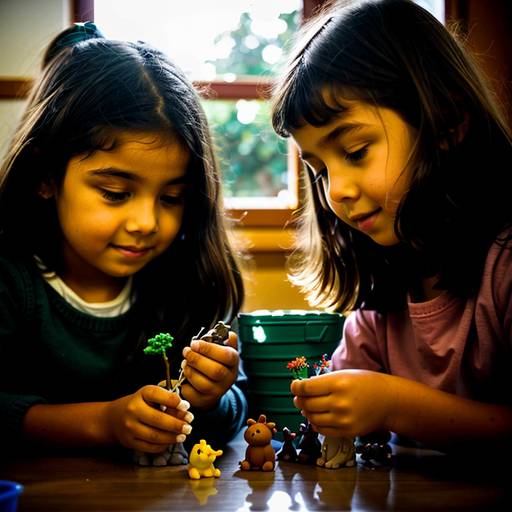
This preschool art lesson encourages young children to explore the concept of sculpture through hands-on clay modeling. The session begins with an introduction to what sculpture is, followed by a demonstration on how to create simple animal shapes using air-dry or self-hardening clay and various natural materials. Children are provided with clay and tools to mold their own animal sculptures, promoting creativity and fine motor skills. Throughout the activity, they are encouraged to incorporate natural items like leaves and twigs to enhance their creations. After sculpting, a cleanup period allows for discussion and sharing, where each child presents their animal and the materials used. The lesson can be extended with a follow-up session for painting the dried sculptures. Overall, this lesson fosters artistic expression, cooperation, and an appreciation for three-dimensional art.
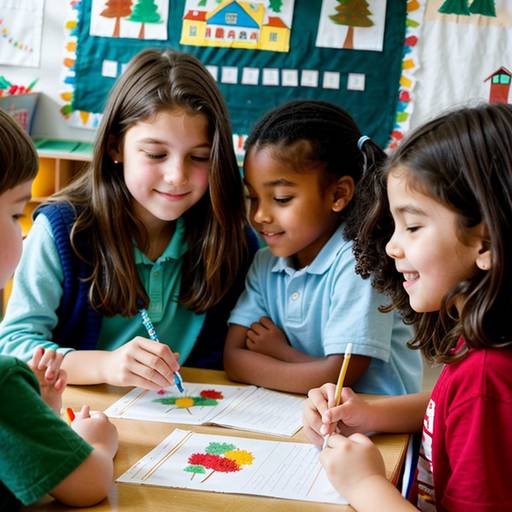
In this preschool art lesson, children will explore the concept of seasons and their changes in nature through a hands-on art project. The session begins with a discussion about the four seasons, focusing on the distinctive colors and textures associated with each. Following the introduction, students will engage in a nature walk to collect natural materials, such as leaves and twigs, which they will later incorporate into their artwork.
Back in the classroom, each child will create a collage representing their chosen season using the collected items and various art supplies. They will have the opportunity to paint and express their creativity while discussing the seasonal elements in their compositions.
As the session concludes, students will share their collages with the class, explaining their artistic choices and how these relate to the seasons. The lesson wraps up with a fun, interactive song that highlights the seasons, fostering participation and reinforcing what they learned. Throughout the activity, the children will develop their understanding of nature, colors, and textures while enhancing their creative skills.
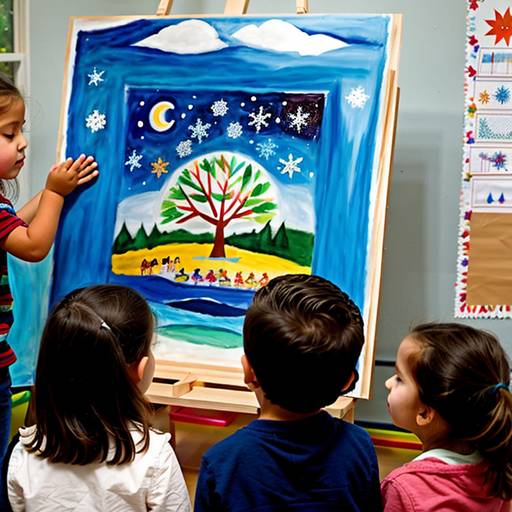
In this preschool art lesson, children will engage in a creative exploration of nature and the changing seasons. The lesson begins with an introduction to the four seasons, supported by visual aids and a seasonal storybook to pique their interest. After a brief discussion, students venture outside for a nature walk, where they collect safe and natural materials that represent their experiences of the current season.
Back in the classroom, each child creates a seasonal collage using the items they've gathered, enhancing their artwork with crayons and watercolor paints. The activity fosters fine motor skills and encourages imaginative expression. Once the artwork is complete, students share their creations with the group, discussing the materials used and the season they represent. The lesson concludes with a clean-up activity, promoting teamwork and responsibility. Overall, this lesson helps children connect with nature, express their creativity, and develop social skills through sharing and reflecting on their work. Extension activities, such as creating an art display, reinforce the themes introduced during the lesson.

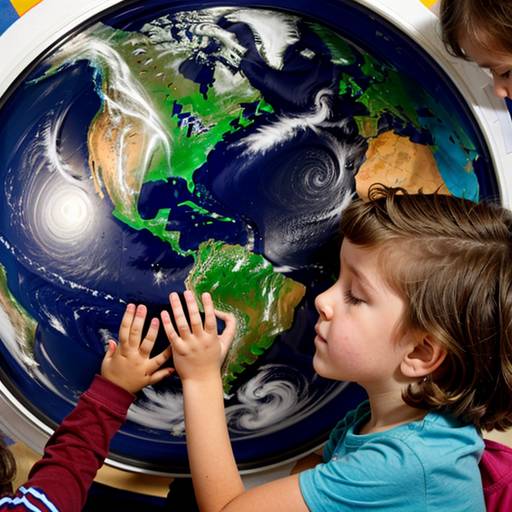
In this preschool lesson plan, students explore the five senses while connecting them to concepts related to Earth and space. The class begins with an introduction to the senses, followed by interactive sensory stations where students engage in hands-on activities. These stations allow them to touch various materials, observe images, listen to nature sounds, smell different scents, and taste edible items related to Earth. After rotating through the stations, students create sensory-inspired artwork using crayons and markers, reflecting their experiences. The lesson concludes with a group discussion where students share their artwork and insights, reinforcing how their senses help them understand the world around them. This engaging approach fosters curiosity and enhances sensory awareness in relation to scientific concepts.
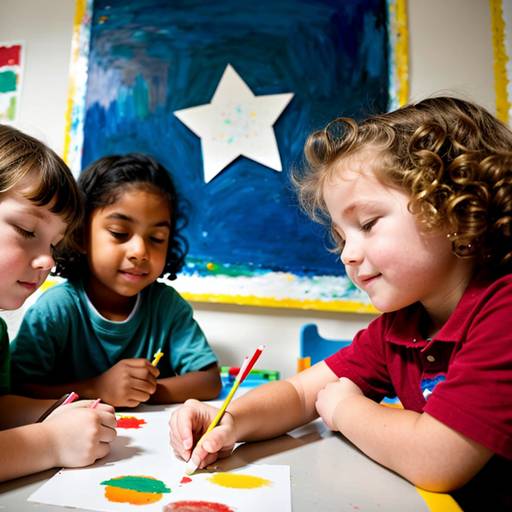
In this preschool art lesson, children will explore the concepts of texture and patterns through hands-on activities. The session begins with a brief introduction to texture, prompting students to describe various materials by touch. Following this, they engage in a texture scavenger hunt around the classroom, where they collect and identify different textured items. After regrouping to discuss their findings, the children create individual art pieces by gluing selected textured materials onto construction paper, incorporating patterns as they work. They will then decorate their artworks with stamps and drawings. The lesson concludes with a sharing session, where each child presents their creation and reflects on the textures and patterns they used. This interactive experience not only fosters creativity but also develops sensory awareness and appreciation for visual arts.
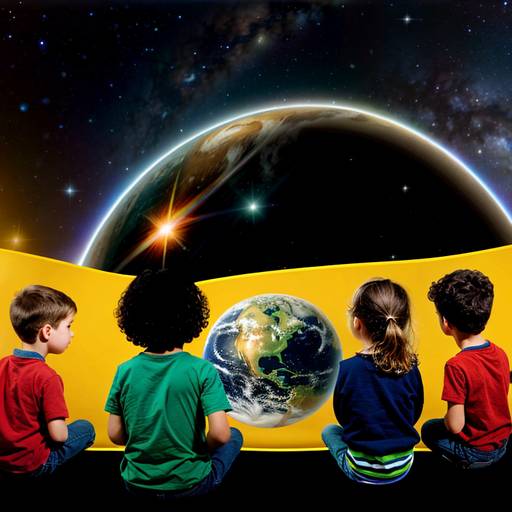
- Touch and Feel - Students will explore various textures representing Earth's surfaces.
- Sound Exploration - They will listen to nature and space-themed sounds, fostering a connection to the auditory elements of the environment.
- Taste of Earth - Students will taste small pieces of fruit, discussing how Earth's plants provide food and how astronauts can adapt their diets in space.
- Visual Wonders - Using flashlights and magnifying glasses, students will investigate light and examine images of celestial bodies, discussing color and visual differences.
- Creative Expression - Finally, they will express their ideas through drawing, illustrating their perceptions of Earth and space.
The lesson culminates in a group reflection where students share their experiences, followed by a story that reinforces the key concepts. This hands-on approach promotes curiosity and a deeper understanding of the natural world, encouraging students to recognize how their senses play a role in their observations. Extensions for the lesson include outdoor sensory activities and at-home exploration tasks for families. Assessment will focus on student participation and understanding demonstrated during discussions and creative expressions.
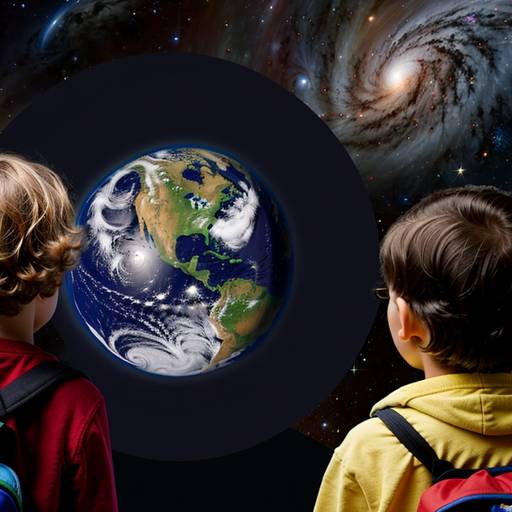
In this preschool science lesson, students will embark on a sensory exploration of Earth and space, utilizing their five senses to engage with and understand their surroundings. The session begins with a brief introduction to the five senses and how they help us explore our world.
Students will participate in various hands-on activities. First, they will work in small groups to explore sensory bins filled with Earth-themed items, examining textures, colors, and smells. Next, they will listen to nature sounds and space-themed audio recordings, encouraging imagination and discussion about the auditory aspects of their environments. Following this, students will experience a blindfolded taste test with familiar foods, describing flavors and textures while discussing their associations with Earth and space.
To conclude the lesson, students will create artwork based on their favorite discoveries from the activities, allowing for individual expression and reflection. The session wraps up with students sharing their artwork and highlighting key learnings, reinforcing the importance of their senses in understanding the world and the universe. Throughout the lesson, educators will assess engagement and understanding through observation and discussion.
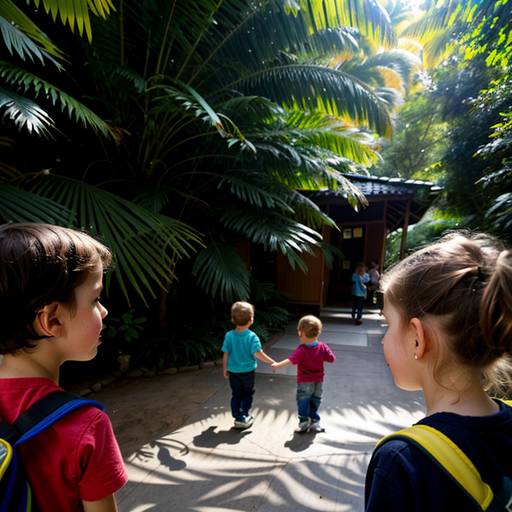
In this preschool lesson, children explore the five senses through interactive and engaging activities. The session begins with an introduction to each sense, using a colorful poster for visual aid. Students then rotate through five sensory stations, each dedicated to a specific sense: sight, hearing, touch, taste, and smell. At each station, they engage in hands-on activities designed to stimulate their sensory awareness, such as identifying sounds, tasting different fruits, and describing various textures.
Following the stations, the children gather for a group discussion to share their experiences and insights, enhancing their understanding of how senses work together. The lesson culminates in an art activity where students create visual representations inspired by their favorite sense, using different colors and textures to express their discoveries. The session wraps up with a song or rhyme related to the senses, reinforcing the concepts learned. Throughout the lesson, children's participation and understanding are assessed through observational notes and their contributions during discussions and creative expression. Extensions could include a sensory walk outdoors or the creation of a sensory garden for further exploration.