
Filters
Level
Grade
Subject
Subject Area
Subject Topic
Standard(s)
Audience
Keyword
DurationMinutes
Preschool Lesson Plans
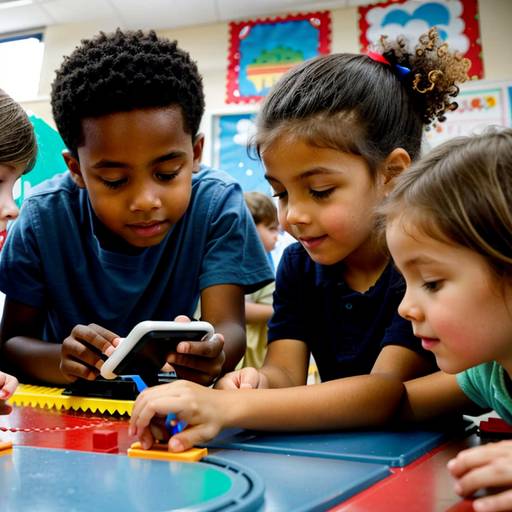
This preschool lesson focuses on introducing young learners to the basics of technology through interactive and hands-on experiences. Students will identify various technology tools such as tablets, smartphones, and toy laptops, while exploring their simple functions. The lesson includes a show-and-tell segment where children can share their personal experiences with technology, fostering communication and comprehension.
Throughout the session, students will rotate between stations designed for hands-on interaction, including playing educational games on tablets, creating pictures on toy laptops, and using toy cameras to capture images of classroom objects. This exploration encourages engagement and curiosity about technology in their daily lives.
The lesson also incorporates a creative craft activity, where students can express their understanding by making representations of their favorite technology tools. The session culminates in a group discussion to reflect on their learning, followed by the distribution of certificates to celebrate their exploration of technology. Overall, the lesson aims to build foundational knowledge of technology in a fun and engaging manner.

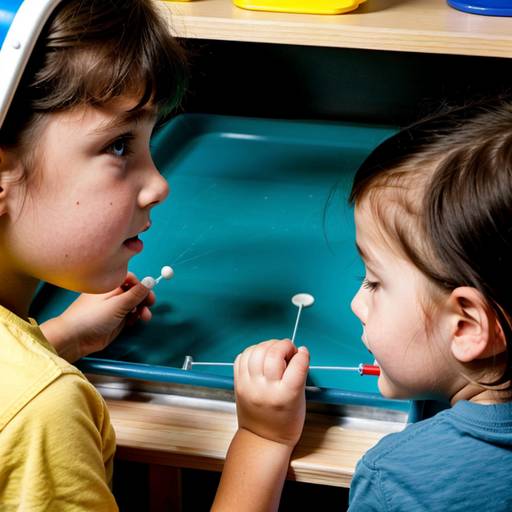
In this preschool lesson, students will explore the concept of technology by investigating simple machines such as levers, pulleys, and wheels. The session begins with a group discussion to introduce technology and its relation to the machines they will learn about.
Students will then rotate through three hands-on exploration stations: one featuring ramps with toy vehicles to demonstrate how inclines aid movement, another utilizing simple pulleys for lifting small objects, and a third allowing them to build their own simple machines using blocks. After engaging in these activities, the class will come together to reflect on their experiences, sharing their favorite machines and what they learned.
Finally, students will create a poster of their favorite simple machine, reinforcing their understanding through art. The lesson will be assessed through observation during activities and participation in discussions. Extensions include a home scavenger hunt for families to find simple machines in their environment and providing educational resources for further exploration of the topic. Adaptations will be made as necessary to support diverse learners in the classroom.
This preschool lesson plan aims to introduce young children to the relationship between technology and nature through an engaging, hands-on exploration. Over the course of one hour, students will discuss their observations of the natural world and learn how technology, such as tablets and cameras, can enhance their understanding of it.
The lesson begins with a group discussion about nature, encouraging kids to share their thoughts and experiences. Following this, they will be guided in using tablets or kid-friendly cameras to interact with apps designed for nature exploration. The students will then participate in a nature scavenger hunt, where they will be divided into small groups to search for various items in the outdoor environment, documenting their findings with pictures.
After the scavenger hunt, children will reconvene to share their experiences and reflect on what they learned about nature. The session concludes with a creative art activity, where they will draw their favorite discoveries. Throughout the lesson, educators will assess participation and engagement to gauge understanding. Additionally, there are suggestions for extending the learning experience, such as creating a class nature journal and planning a field trip to a local nature preserve, promoting ongoing curiosity and appreciation for the environment.

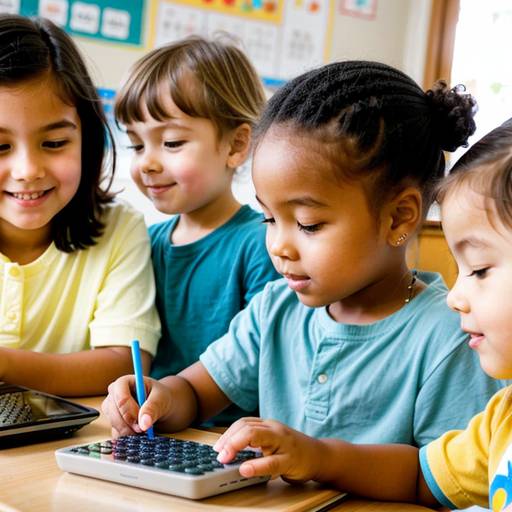
In this preschool math lesson, students will explore basic math concepts through the integration of technology. The lesson starts with a discussion on technology and its role in learning, followed by engaging activities that utilize tablets with educational math apps and an interactive whiteboard for group counting games. Students will then participate in hands-on counting activities using various manipulatives, allowing them to create groups of objects that represent different numbers. This is complemented by a craft activity where they color printable worksheets featuring technology-themed illustrations based on assigned numbers. The lesson concludes with a group reflection, where students share their experiences and insights about how technology can make learning about math enjoyable. Assessment will be informal, based on participation and the completion of worksheets, with extensions provided for families to explore math concepts together at home. Overall, this lesson fosters a fun and interactive learning environment, enhancing both numerical understanding and digital skills for preschoolers.

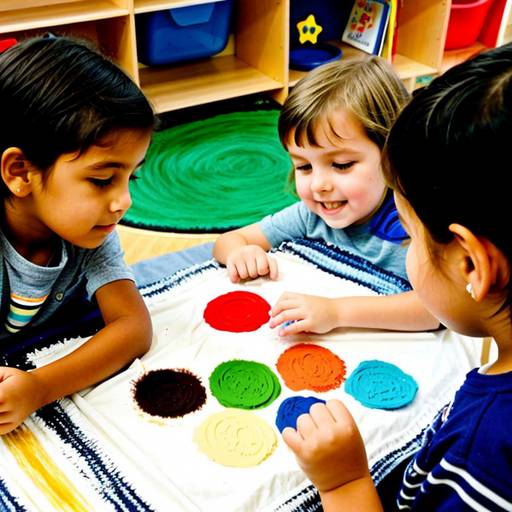
In this preschool art lesson, students will explore a variety of textured materials to develop their fine motor skills and creativity. The session begins with a group discussion about textures, encouraging students to describe and identify different sensations. Following this, they will engage in hands-on exploration of the materials, promoting sensory awareness and conversation.
Students will then create their own textured collages using cardstock and the various materials they have gathered. As they work on their collages, they will practice cutting and gluing while expressing their artistic ideas. Once the collages are completed, each child will share their artwork with the class, highlighting the textures used and the inspiration behind their creations. The lesson concludes with a clean-up activity, fostering teamwork, and responsible behavior. Extensions and assessments focus on further exploration of textures and observation of student engagement and expression throughout the lesson.
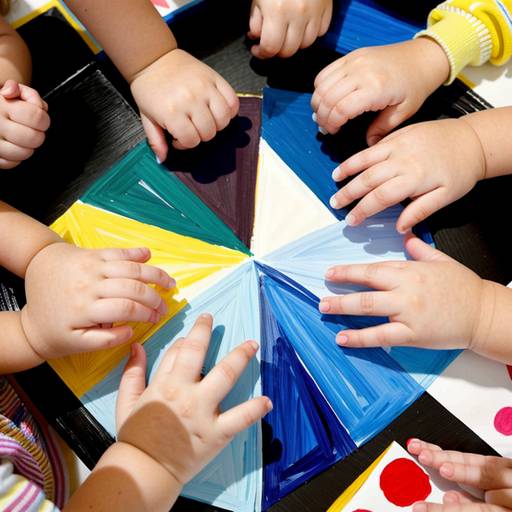
In this preschool art lesson, students will engage in a hands-on exploration of textures and patterns through interactive activities. The lesson begins with a sensory introduction where children will feel and describe various textured materials, enhancing their awareness of tactile experiences. Following this, students will participate in texture exploration stations, working in small groups to rotate through different materials, fostering collaboration and discussion.
In the next phase, children will create their own art pieces by gluing selected textured materials onto construction paper, allowing them to experiment with layering and design. As they work, they will have the opportunity to express their creativity and apply their observations from the texture exploration.
The lesson concludes with a sharing session where students present their artwork, fostering communication skills and reflections on their experiences with textures and patterns. Throughout the lesson, children will develop fine motor skills, enhance sensory awareness, and gain confidence in artistic expression.
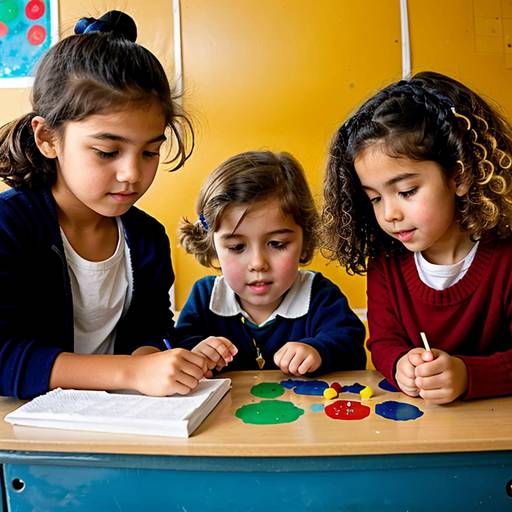
In this preschool art lesson, students will explore mixed media by creating unique collages using a variety of materials. The session begins with a brief introduction to textures and colors, followed by a demonstration on arranging materials and using glue. Children will then have the opportunity to express their creativity by selecting different types of paper, fabric, and natural materials to construct their collages. As they work, they will receive support and encouragement, fostering their fine motor skills and artistic expression. After completing their artwork, students will participate in a sharing session where they can showcase their creations and discuss their choices. The lesson emphasizes individual creativity and the joy of artistic expression while allowing for a hands-on exploration of diverse materials. Finally, children will assist in cleaning up, promoting responsibility for their workspace. The lesson can be extended by incorporating storytelling or seasonal themes in future art projects.
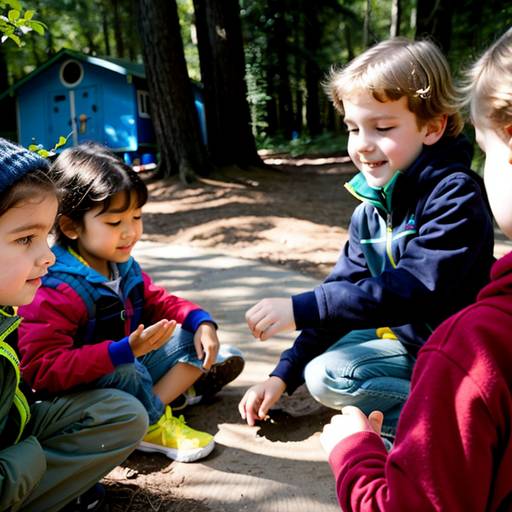
In this preschool science lesson, students will explore the concepts of living and nonliving things, emphasizing their characteristics and differences. The lesson will begin with an interactive discussion to elicit prior knowledge, followed by a visual presentation using pictures to categorize items into living and nonliving groups.
Next, students will participate in a hands-on nature scavenger hunt, using magnifying glasses to investigate their environment for examples of both categories. After sharing their findings with the group, they will engage in a creative collage activity where they will illustrate their understanding by constructing a visual representation of living and nonliving things.
The lesson will conclude with a group discussion to reinforce key concepts, encouraging students to reflect on what they learned. Assessment will be based on participation, understanding during group activities, and the accuracy of the collages created. Optional extensions include reading a related story or playing a game to further solidify the concepts. Adjustments will be made for timing based on student engagement.
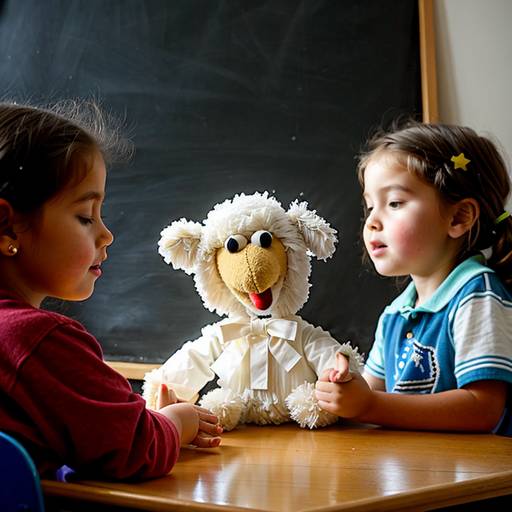
In this preschool art lesson, students will explore storytelling and drama concepts through the medium of puppetry. The session begins with a read-aloud of a children's book to inspire discussions about characters and emotions. Following this, students will create their own puppets using various art materials, allowing for creativity and self-expression. Working in small groups, they will craft simple stories featuring their puppets, focusing on interaction and emotional expression. Finally, each group will perform their puppet shows using a designated puppet stage, fostering collaboration and confidence. The lesson will conclude with a reflection on the activities, highlighting what the students enjoyed most and encouraging them to continue exploring puppetry at home. Throughout the lesson, the emphasis will be on creativity, teamwork, and the joy of storytelling.
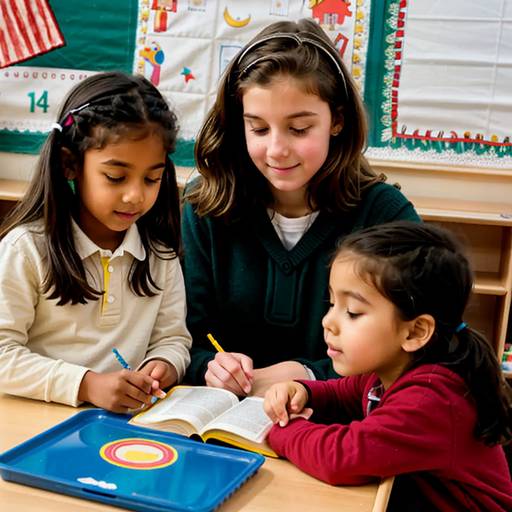
This preschool language arts lesson focuses on enhancing pre-reading skills through an engaging storytelling experience. The session begins with a welcoming introduction where students share their favorite stories. An interactive read-aloud of a selected picture book captivates the children's attention, prompting questions about the story's plot and character emotions. After reading, a discussion allows students to explore the main characters further, using plush toys or puppets to bring the characters to life.
Next, students collaboratively create a mind map on a large piece of paper, identifying key elements of the story, such as characters, setting, and main events. This is followed by a comprehension segment where open-ended questions encourage children to share their thoughts about the story and relate it to their own experiences. To reinforce understanding, a role-playing activity allows selected children to act out scenes while others provide sound effects.
The lesson concludes with a recap of the main ideas discussed and a short transition activity that reflects the actions of the story’s characters. Assessment is conducted through observation of student participation and engagement throughout the lesson. Differentiation strategies are included to cater to varying levels of literacy development among the students. This approach not only fosters early literacy skills but also cultivates a love for reading and storytelling.