
Filters
Level
Grade
Subject
Subject Area
Subject Topic
Standard(s)
Audience
Keyword
DurationMinutes
Preschool Lesson Plans

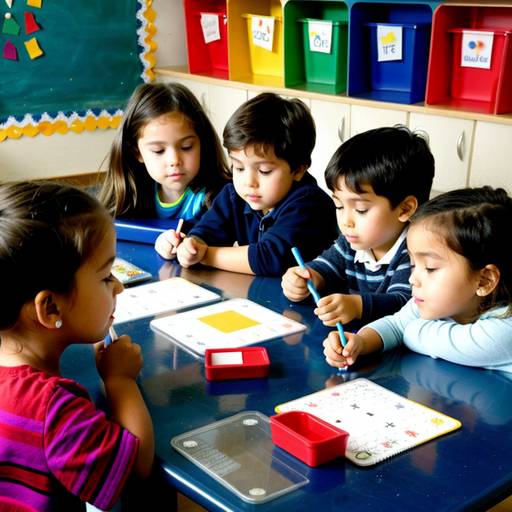
This preschool math lesson focuses on introducing young children to the concepts of time and measurement through engaging activities. The lesson starts with a demonstration of a clock, teaching students about the hour and minute hands while discussing daily routines related to specific times. Following this introduction, the class participates in an interactive game that reinforces their understanding of time in a fun and active way.
Next, students are introduced to measurement concepts using rulers and measuring tapes. They engage in hands-on activities where they measure various items, such as blocks and stuffed animals, while comparing lengths and discussing their findings in small groups. This encourages collaboration and verbal communication among the students.
The lesson concludes with a group discussion where students share their surprising discoveries about measuring, solidifying their understanding of the material. By the end of the lesson, they have not only explored the importance of time and measurement in their daily lives but have also participated in playful and interactive learning experiences that enhance their understanding of these foundational concepts.
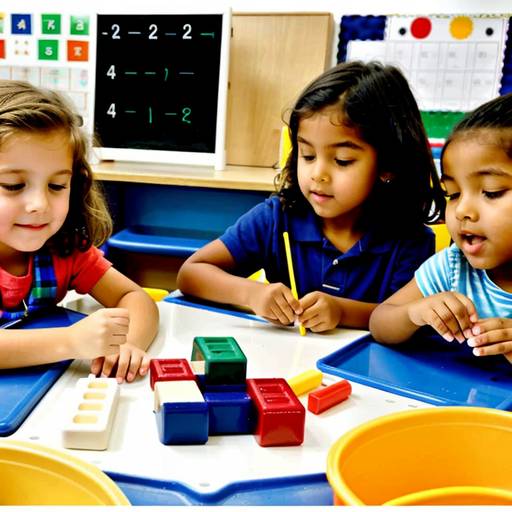
This preschool lesson focuses on introducing young children to the concepts of time and measurement, aiming to enhance their understanding of how we measure time and the length of various objects. The lesson begins with an engaging discussion about time, incorporating a visual aid of a large clock to teach children about hour and minute hands. Children practice identifying times through interactive worksheets.
Next, the lesson transitions to a hands-on activity where students measure classroom objects using rulers or measuring tapes. They work in small groups to compare lengths, using language such as "longer," "shorter," and "equal." The lesson concludes with a group discussion, allowing children to share their measuring experiences and reflect on the importance of these concepts.
Assessment of understanding is done through observation during activities, as well as reviewing worksheets. The lesson also includes extensions, such as incorporating songs related to time and measuring, further reinforcing the concepts in a fun, interactive way. Ultimately, this lesson aims to make foundational mathematical concepts accessible and enjoyable for preschoolers through engaging activities.

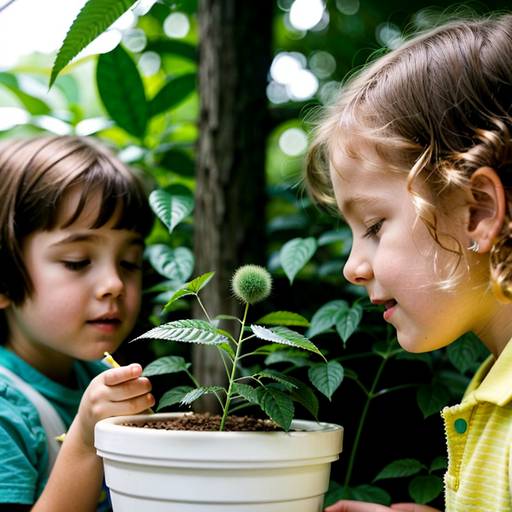
In this preschool science lesson, students will explore the role of plants in the environment by engaging in hands-on activities and discussions. The lesson will begin with a group discussion about plants and their importance, utilizing real potted plants or pictures to facilitate recognition and interaction. A storytime session will follow, featuring a picture book that highlights plant growth and structure, which will help reinforce key concepts about the different parts of plants.
Next, children will participate in a planting activity where they will fill cups with soil, plant seeds, and learn about the essential needs of plants, including soil, water, and sunlight. They will use magnifying glasses to closely observe plant parts, fostering a sense of curiosity and engagement with their surroundings.
The lesson will conclude with a reflection session, encouraging students to share their newfound knowledge and understanding of plants. Observations made during the planting activity and the closing discussion will serve as informal assessments of comprehension. Additionally, extension activities such as a growth chart and a nature walk can enrich the learning experience. Overall, this lesson aims to instill a sense of wonder about the environment while promoting hands-on learning and exploration.

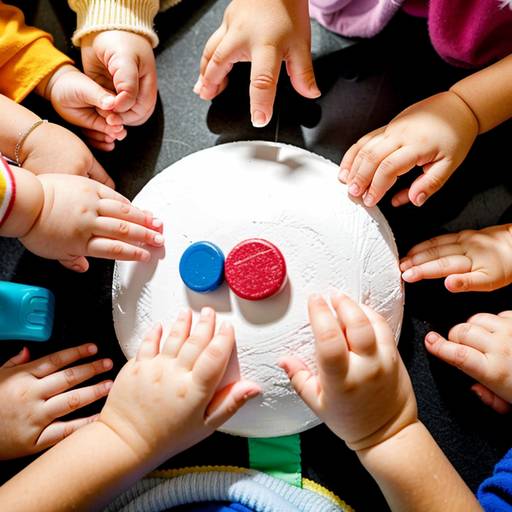
This preschool physical education lesson plan focuses on developing fine motor skills through engaging and interactive activities designed for children aged 3 to 5. The session lasts 75 minutes and begins with an introduction emphasizing the importance of fine motor skills in everyday tasks. A warm-up activity encourages students to activate their hands and fingers through fun movements.
The core of the lesson includes five activity stations, each lasting 15 minutes, where children can explore various tasks. These activities include creating shapes with playdough, threading beads, solving puzzles, transferring materials in a sensory bin, and practicing with clothespins. Each station promotes hand-eye coordination, dexterity, and problem-solving skills.
After an energizing break for snack time, students gather to reflect on their experiences, sharing what they enjoyed and learned. The session concludes with a fun song that celebrates their movement, reinforcing the connection between physical activity and creativity. Throughout the lesson, informal assessments through observations allow the teacher to gauge children's engagement, skill levels, and understanding of fine motor development. This lesson plan fosters both individual skill growth and social interaction among peers while providing a fun learning environment.
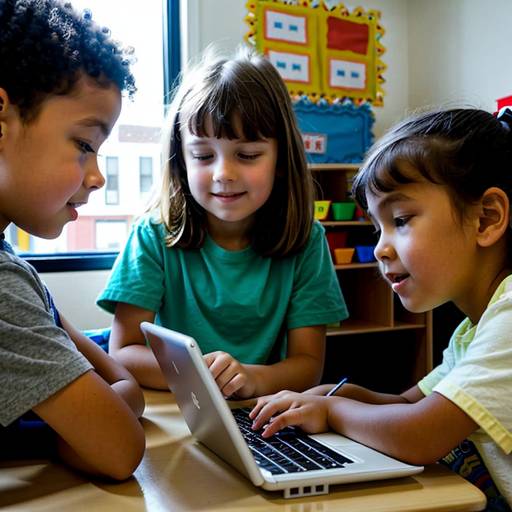
In this preschool lesson, students embark on a journey to discover the basics of technology through engaging discussions, interactive activities, and creative expression. The session begins with an open conversation where children share their understanding of technology and identify various tech items through pictures. Following this, they participate in a technology treasure hunt around the classroom, finding real objects that match the images, fostering teamwork and critical thinking.
Next, the children engage with toy robots or coding devices, learning fundamental coding concepts by navigating them through a mini obstacle course. This hands-on experience promotes problem-solving skills while providing an enjoyable and playful introduction to tech.
The lesson culminates with a creative art activity where students design their own representations of technology, allowing them to express their newfound knowledge. Finally, a wrap-up discussion reinforces what they learned, encouraging reflection on their favorite technologies and thoughts on future advancements. Throughout the session, inclusivity and engagement are prioritized, ensuring that all children can participate and learn in a supportive environment.
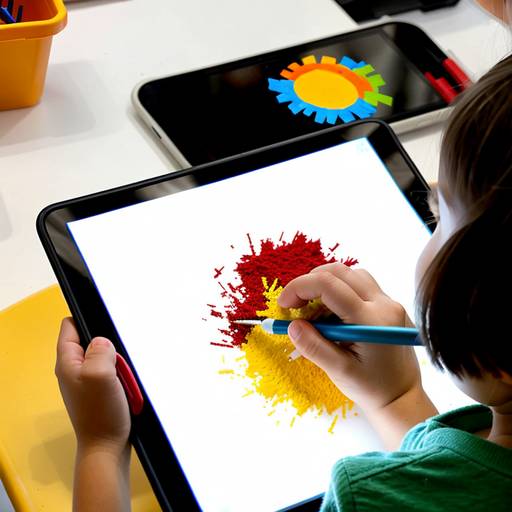
In this preschool lesson plan, students will explore digital creativity by using tablets to create their own digital artwork. The objective is to help young children express their artistic ideas while gaining familiarity with basic digital tools. The lesson begins with a discussion on the concept of art, followed by a pre-activity where children use crayons to draw and share their ideas. After demonstrating the drawing app on a tablet, students will have the opportunity to work in small groups and create their own digital masterpieces, using various colors, shapes, and brushes.
As they create, educators will circulate to provide support and engage with the children about their artistic choices. The lesson concludes with a sharing session, where students present their digital artwork and discuss their creative process. Assessment will focus on student engagement, creativity, and their ability to articulate their experiences. Extensions and adaptations are included to enhance learning and accommodate varying skill levels, ensuring an inclusive and enriching experience for all students.
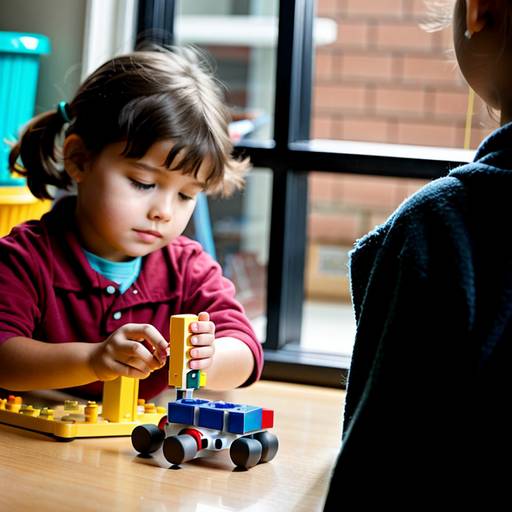
This preschool lesson plan introduces young students to the exciting world of robotics through interactive, hands-on activities. The session begins with a storytime reading about robots, sparking discussion around what robots do and their applications in everyday life. Students then participate in exploration stations, where they engage in coding simple programmable robots, design their own robot creations on large paper, navigate a DIY obstacle course, and color worksheets featuring robots.
The activities are designed to promote teamwork, creativity, and problem-solving skills while fostering communication among peers. After the hands-on exploration, students share their creations and reflect on their experiences, discussing challenges and enjoyable aspects of the activities. The lesson wraps up with a summary of key insights gained during the session and a sneak peek into future robotics projects, sustaining interest and excitement for further learning in technology. Informal assessments through observation and discussion help gauge student engagement and understanding throughout the lesson. Accommodations are provided to support all students in their learning journey.
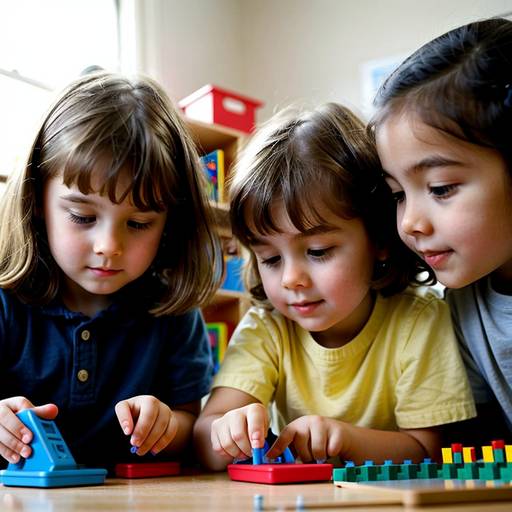
In this preschool lesson plan, students will engage in hands-on activities focused on developing basic digital literacy skills through technology exploration. The session begins with a circle time discussion where children identify different types of technology and share their experiences. They are then divided into small groups to interact with tablets, using age-appropriate educational apps that encourage creativity and problem-solving. After a guided exploration, students regroup to share their experiences and favorite activities from the technological interaction, fostering communication and reflection. Finally, they express their understanding by creating drawings related to their technology experiences. The lesson aims to create a supportive and engaging environment where children can explore technology safely while building foundational skills related to digital literacy.

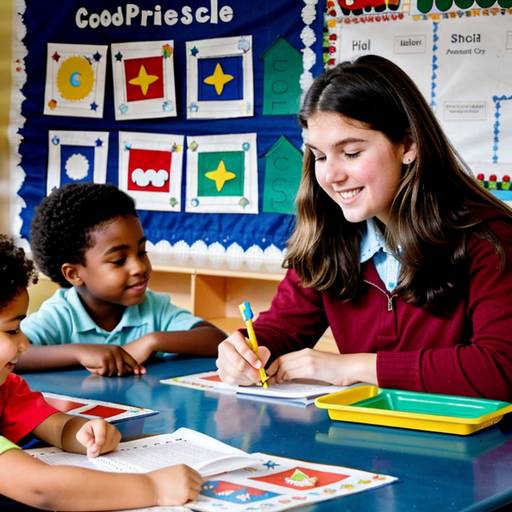
This lesson plan focuses on teaching preschool students the concepts of cooperation and sharing within a community context. It begins with an engaging group discussion to introduce the ideas of teamwork and community. Following this, a picture book is read to illustrate these concepts in action, prompting children to reflect on how characters work together and the feelings associated with sharing.
Students are then divided into small groups for a hands-on activity where they collaborate to build towers using blocks, emphasizing communication and the importance of sharing materials. This is followed by a collaborative art project where children create a mural that represents their ideas about cooperation and community.
Finally, the lesson concludes with a reflection circle, allowing children to express their thoughts on the activities and what they learned about collaboration and sharing. Throughout the lesson, students enhance their social and emotional development by practicing empathy, respect, and positive interactions with their peers. The plan includes adaptations for varying needs, ensuring an inclusive environment for all participants.
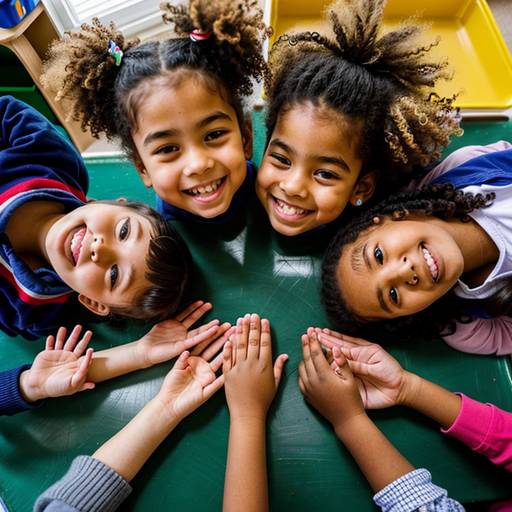
This preschool lesson plan focuses on fostering friendships and teamwork among young children. It begins with a group discussion that encourages children to share their thoughts on what it means to be a friend and how to show kindness. This is followed by a storytime session, where children listen to a narrative about friendship and discuss the helpful behaviors demonstrated by its characters.
Next, an "Appreciation Circle" allows children to express appreciation for their peers by sharing kind phrases, promoting a supportive environment. The lesson continues with an engaging collaborative game, “Pass the Squeeze,” which emphasizes the joy of sharing kindness and friendship in a playful manner. Finally, the lesson concludes with a reflective discussion about the activities and a group sing-along, reinforcing the message of unity and cooperation. Throughout the lesson, children are encouraged to participate actively, fostering a sense of community and emotional connections with their peers.