
Filters
Level
Grade
Subject
Subject Area
Subject Topic
Standard(s)
Audience
Keyword
DurationMinutes
Preschool Lesson Plans

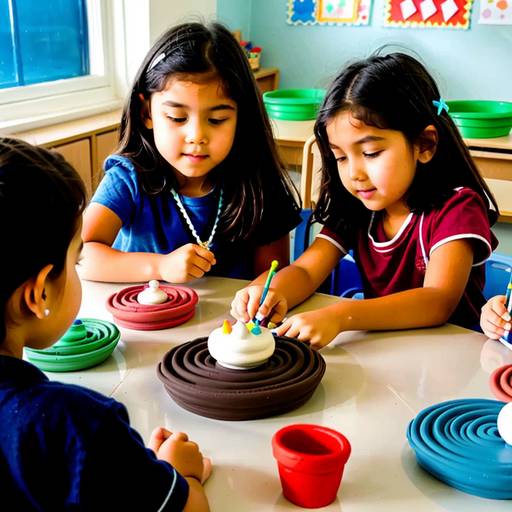
In this preschool art lesson focused on sculpture, students will engage in hands-on exploration using air-dry clay to create three-dimensional artworks. The session begins with an introduction to sculptures, including a discussion on the differences between 3D and 2D art forms, followed by students sharing their creative ideas. A demonstration will teach them various clay techniques such as rolling, pinching, and forming shapes. As students work on their individual creations, they will develop fine motor skills and express their creativity. The lesson culminates in a sharing session where students present their sculptures and reflect on their artistic process. Clean-up will follow, ensuring a tidy workspace. To foster ongoing creativity, a display area will showcase the finished pieces, possibly leading to a recurring activity centered around sculpture creation. The lesson will be assessed through observation of student engagement and participation in discussions.
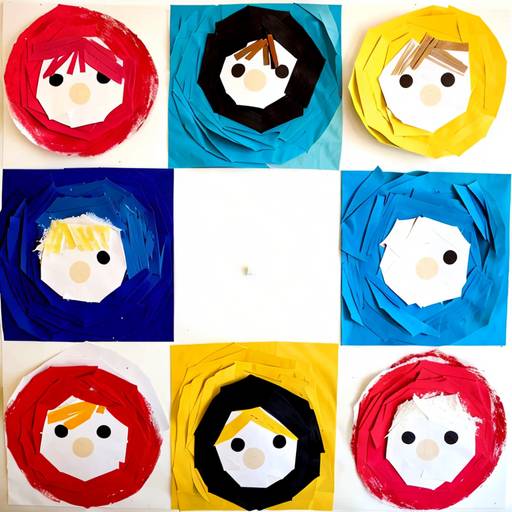
In this 45-minute preschool art lesson, children will engage in a creative collage project that emphasizes the exploration of textures and shapes. The session begins with an introduction where students are shown an example collage, prompting discussion about the materials and visual elements involved. After explaining the activity, children will have the opportunity to work independently, selecting various textured materials and colored construction paper to create their own unique collages.
Throughout the hands-on creation phase, educators will circulate to offer guidance and encouragement, fostering a creative atmosphere. Following the artistic process, students will gather to share their masterpieces with the group, articulating their choices and experiences during the activity. The lesson concludes with a clean-up session, teaching responsibility and respect for materials.
Assessment will focus on children's engagement, their ability to manipulate materials, and their verbal expression during the sharing. Extensions could include displaying the collages or introducing a new related activity, solidifying the foundational skills of artistic exploration and expression.
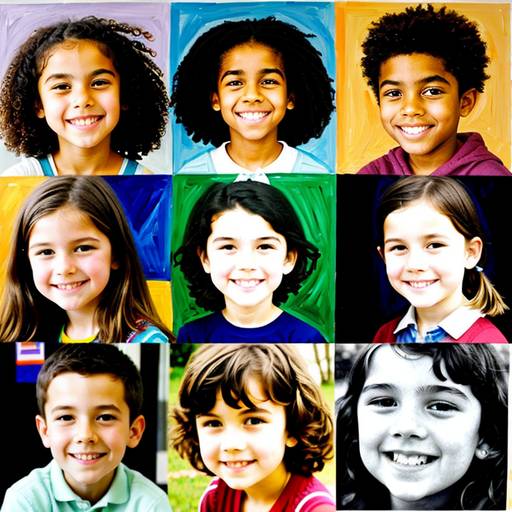
In this preschool art lesson, students will delve into the world of mixed media by creating their own colorful collages using a variety of materials. The session begins with an engaging discussion about what a collage is, accompanied by examples to inspire the children. A brief demonstration will follow, highlighting cutting techniques and glue application to ensure safe and effective use of materials.
During the main activity, children will have the opportunity to explore and select from an assortment of items, such as fabric scraps, magazines, and natural materials, encouraging their creativity and self-expression. As they work on their collages, teachers will circulate the room, providing support and encouragement.
The lesson concludes with a mini art gallery where students can showcase their creations and share their inspirations with the group. This collaborative experience not only promotes fine motor skills but also fosters a sense of pride and community within the classroom. Overall, the activity celebrates artistic exploration through a dynamic and hands-on approach.
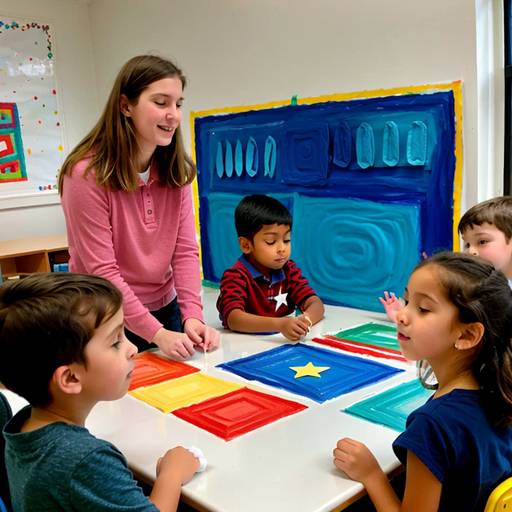
In this preschool art lesson, students will explore the concept of mixed media by combining various materials to create expressive artwork. The session begins with an introduction to mixed media, showcasing examples to spark interest and discussion about textures and colors. After a brief demonstration of techniques, children will have the opportunity to freely experiment with materials, including paints, pre-cut shapes, natural items, and various textured materials. They will use their creativity to paint backgrounds and add different components to their pieces, fostering collaboration and sharing among peers. As the lesson concludes, students will gather to share their artwork with the group, reflecting on their creative process and the materials they enjoyed. This engaging activity encourages artistic expression, fine motor skill development, and social interaction. The completed artworks will be displayed for everyone to appreciate. Options for extending the lesson include collaborative projects and introducing new materials in future sessions. Safety considerations will be taken into account throughout the activity.
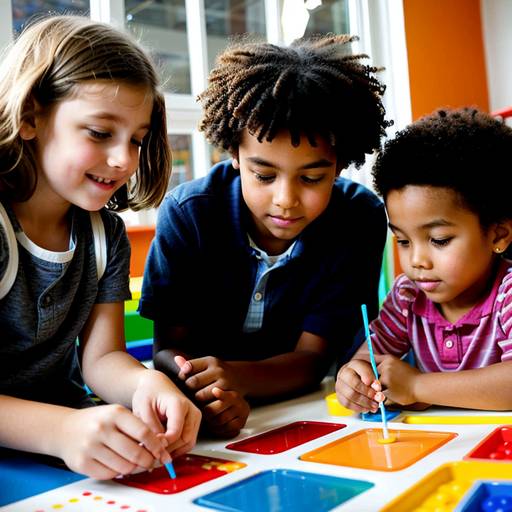
In this preschool lesson, students will explore the integration of technology and art by using tablets to create digital artwork. The session will begin with an introduction to digital art, showcasing examples on a screen and prompting discussions about colors and creativity. A demonstration on how to navigate an art application will follow, highlighting the essential features and tools for creating artwork.
Students will then work in small groups to explore the app and produce their own digital creations, emphasizing fine motor skills and imaginative expression. Afterward, each group will present their artwork to the class, reflecting on their experiences and what they enjoyed about using technology for artistic purposes. The lesson will conclude with a cleanup and a discussion of key takeaways. Assessment will be based on student engagement, creativity, and their ability to articulate their ideas during the sharing session. Extensions could include creating a digital art gallery for families and introducing more technological tools in future activities. Overall, this lesson fosters creativity while illustrating how technology can enhance artistic expression.
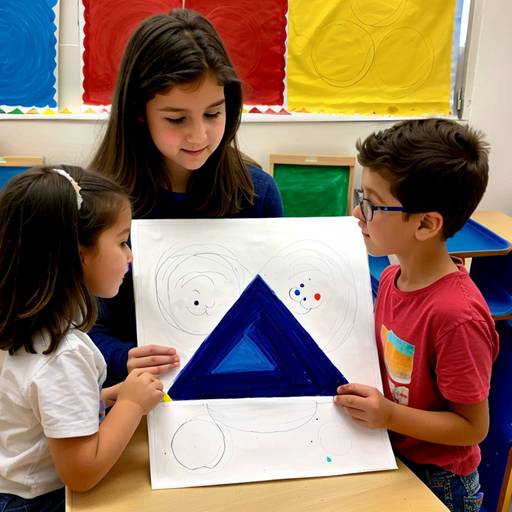
This preschool art lesson focuses on exploring shapes and colors through drawing. It begins with a discussion where children identify various shapes and share their favorite colors. A demonstration follows, showcasing how to draw simple shapes and combine them into creative compositions. Students then engage in a guided practice, using large sheets of paper and art materials to draw their own scenes using shapes. This is followed by an independent drawing activity, allowing them to express their creativity while listening to soft background music. After cleanup, children gather to share their artwork, describing the shapes they used and the stories behind their creations. The lesson promotes self-expression, enhances understanding of shapes and colors, and encourages verbal communication skills. Optional extensions include exploring 3D shapes through clay or collaborative mural projects.
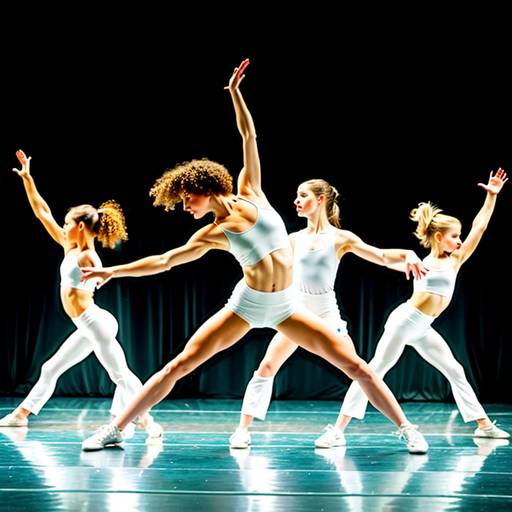
This preschool lesson plan aims to introduce young children to the concept of movement as a form of self-expression through dance and art. The session begins with a discussion about dance, encouraging children to imitate simple movements demonstrated by the instructor. Following a warm-up with rhythmic music and scarves, students transition to an art activity where they create large-scale paintings inspired by their dance movements. With various tools, they use their bodies to paint on large sheets of paper, responding to different musical styles throughout the process. The lesson concludes with a reflection session where children share their artwork and demonstrate dance moves inspired by their creations, culminating in a joyful, free-form dance party. The plan focuses on enhancing creativity, physical coordination, and self-expression in a collaborative and engaging manner.
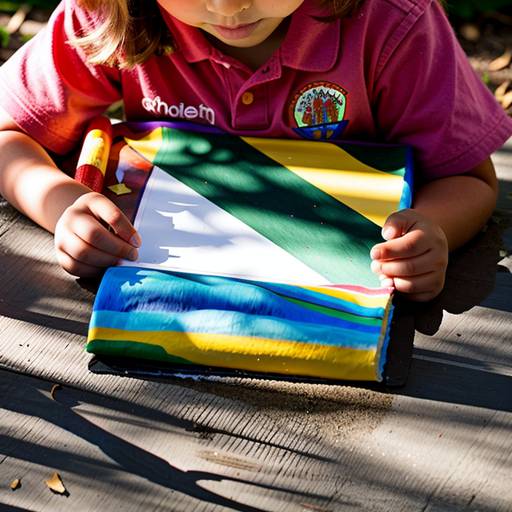
This preschool art lesson focuses on drawing, encouraging young children to express their creativity through representations of nature. The session begins with a discussion centered on various natural elements observed in picture books and, if available, real-life samples like leaves and flowers. Children are then introduced to basic drawing techniques and color exploration through a demonstration that highlights how to depict simple shapes found in nature.
During the guided drawing activity, each child creates their own artwork based on their favorite aspect of nature, with support and encouragement provided throughout. Following the drawing time, students participate in a sharing session where they present their creations, fostering a sense of community and appreciation for one another's work.
The lesson concludes with clean-up and the opportunity for students to display their artwork in the classroom, promoting pride in their creative achievements. The overall objectives include enhancing fine motor skills, encouraging self-expression, and developing observational abilities through art.

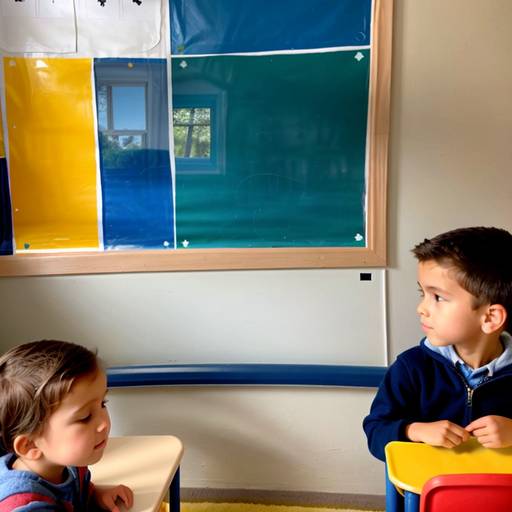
In this preschool lesson, students will explore various animal habitats and learn about the animals that live in them. The session begins with a discussion to help children understand what a habitat is and its significance to animals. Using flashcards and images, they will engage in an interactive exploration of different animals and their homes.
Following this, a storytime segment will introduce them to the wonders of habitats through a picture book, prompting responses and discussions that reinforce their learning. Students will then work in small groups to create artistic representations of animal habitats, choosing specific animals and the elements that make their homes unique.
A sensory exploration activity will allow children to interact with the crafted habitats and role-play as various animals, deepening their understanding through imaginative play.
In the conclusion, the group will review what they’ve learned, focusing on the importance of habitats for animals and how to protect these ecosystems. This lesson encourages creativity, collaboration, and critical thinking while fostering an appreciation for the natural world. Extensions may include inviting a wildlife expert or creating a habitat collage for further exploration of the topic. Adaptations will be made for differing individual needs to ensure all children can participate actively.
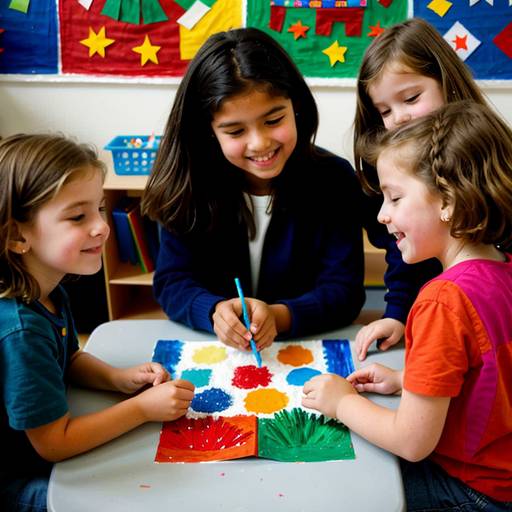
In this preschool art lesson, students explore a variety of cultural art forms from around the world. The session begins with an engaging discussion about different cultural artworks, showcasing images and examples that highlight unique techniques. Students are then organized into small groups, each assigned a distinct cultural art style to investigate and replicate using various materials, such as paints, stamps, and tissue paper. During the collaborative creation, children express their creativity and work together to contribute to a large mosaic artwork.
Following the art-making process, students participate in a gallery walk to appreciate their collective masterpiece, fostering dialogue about their experiences and the significance of cultural diversity in art. The lesson concludes with a group discussion that emphasizes the value of artistic expression as a universal language that connects people across cultures. Throughout the lesson, students develop their artistic skills while gaining insights into the importance of respecting and celebrating global cultures.