
Filters
Level
Grade
Subject
Subject Area
Subject Topic
Standard(s)
Audience
Keyword
DurationMinutes
Preschool Lesson Plans
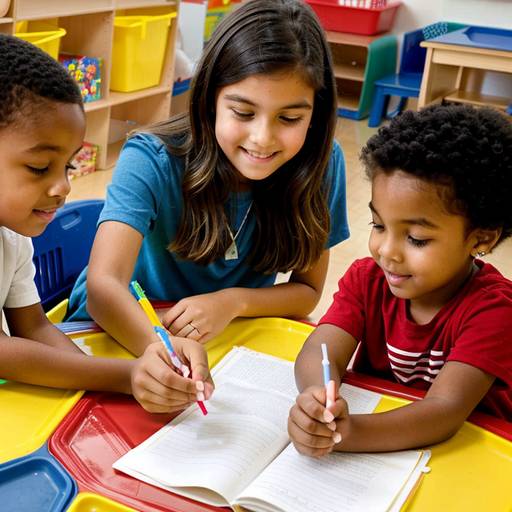
In this preschool lesson, students will explore the concept of environmental print and its importance in everyday life. The session begins with an engaging song to set the mood, followed by a discussion about the various signs, labels, and logos students encounter daily. Real-life examples will be shown to help children recognize and read environmental print, fostering their understanding of how it aids in navigation and communication.
Students will then work in small groups to examine a selection of environmental print materials, discussing their meanings and contexts as they engage in guided exploration. The activity will shift to a scavenger hunt, where children will search for specific environmental prints within the classroom or schoolyard. This hands-on experience will be followed by a group sharing session, encouraging students to present their findings and reflect on the importance of print in their surroundings.
The lesson will conclude with a recap of the day’s learning, reinforcing the connection between literacy and the world around them. Throughout the lesson, educators will assess students’ engagement and understanding through observation and their scavenger hunt worksheets. Options for extending the lesson include creating a display of collected environmental prints and integrating more related stories into the reading area for further exploration.
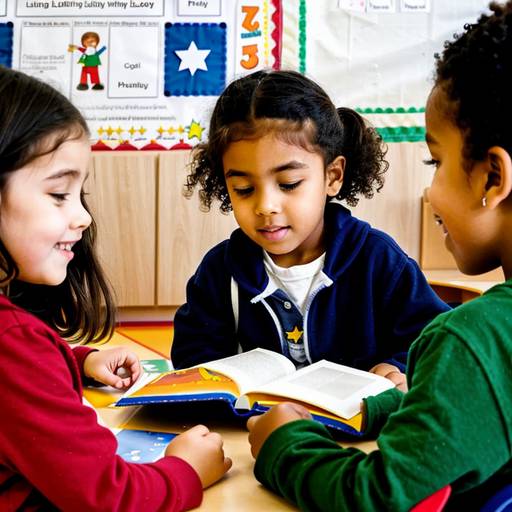
In this preschool language lesson, children will develop essential pre-reading skills through an interactive storytelling experience. The session begins with an engaging introduction where children examine the book's cover and make predictions about the story. Following this, an enthusiastic read-aloud captures their attention, with questions posed throughout to enhance comprehension and encourage participation.
After the story, children will engage in a discussion that prompts them to express their thoughts and connections to the narrative. An interactive activity using puppets will reinforce comprehension while vocabulary flashcards will support language development. Creativity is further encouraged as children draw their favorite character or scene, sharing their artwork with peers to enhance verbal skills.
The lesson concludes with a review of key vocabulary and a fun, related song to reinforce language concepts. Overall, the activities are designed to foster engagement, creativity, and a love for reading as children interact with stories and build foundational literacy skills. Extensions include introducing a "story of the week" for sharing, further promoting independent reading and communication among students.
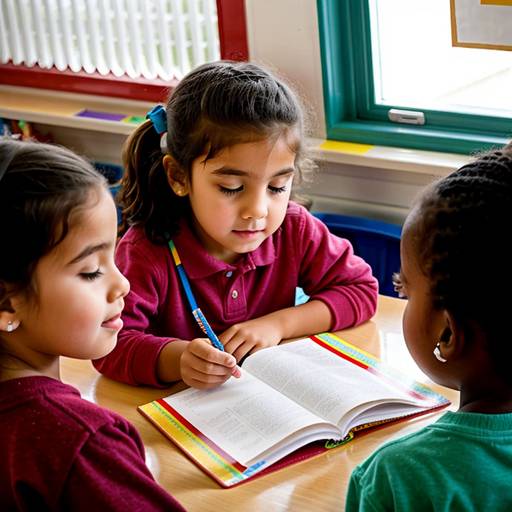
This preschool language lesson focuses on enhancing pre-reading skills through engaging storytelling activities. The lesson begins with a circle time introduction where children discuss their favorite stories. A carefully selected picture book is read aloud, encouraging children to interact by answering questions related to the story, thereby enhancing comprehension and vocabulary development.
After the reading, students engage in a vocabulary activity where they learn and match key words from the story using visual aids. The lesson incorporates an interactive retelling segment, allowing children to use props to act out parts of the story, fostering participation and creativity.
Additionally, students are given an opportunity to express their understanding through a drawing activity, where they illustrate their favorite moments from the story or create their own narratives. The lesson culminates in a sharing session where children present their drawings and discuss what they learned.
Throughout the lesson, the teacher assesses participation and comprehension, while encouraging connections between the story and the children’s own experiences. Families are invited to continue the learning at home with suggested activities. This comprehensive approach cultivates vocabulary, comprehension, and storytelling skills in an enjoyable and interactive way.

This preschool social studies lesson focuses on the concepts of kindness and building positive relationships within the community. It begins with a discussion to gauge students' understanding of kindness, followed by a read-aloud of a story that highlights how kind actions can positively impact others. Students then participate in a brainstorming session to identify various kind acts and create personalized “Kindness Cards” to express their own acts of kindness.
The lesson also includes a role-playing activity where students dress up as community helpers and act out scenarios demonstrating kindness in their roles. This interactive approach encourages collaboration and reinforces the importance of being good friends and helping others in their community. The lesson concludes with students sharing their Kindness Cards and reaffirming their commitment to choosing kindness. Opportunities for extensions, such as creating a “Kindness Wall” and initiating a "Kindness Challenge," are suggested to further encourage ongoing kindness and empathy in the classroom. Through engaging activities, students learn valuable social skills that will benefit them throughout their lives.
In this preschool language arts lesson, students will explore the basic elements of sentence structure by engaging in interactive activities designed to foster their understanding of subjects, verbs, and objects. The lesson begins with a group discussion about sentences, setting the stage for learning.
Students will participate in sentence-building activities using picture cards depicting nouns and verbs, allowing them to collaboratively create simple sentences. Each child will then form a new sentence using sentence strips, and they will draw corresponding illustrations to reinforce the connection between writing and visual expression.
The lesson concludes with a sharing session, where students present their sentences and artwork to the class, enhancing their confidence in communication and reinforcing their grasp of sentence structure. Assessment will be based on participation and the ability to create meaningful sentences, with opportunities for follow-up activities to continue building their language skills.
This lesson plan focuses on developing preschool students' recognition and understanding of sight words and vocabulary. The session begins with an engaging introduction where children are welcomed and prepared for a “sight word adventure.” Flashcards featuring key sight words, accompanied by visual aids, help children learn the words and their meanings. An interactive activity called “Word Hunt” allows students to find sight words around the classroom, encouraging them to identify and use these words in sentences.
The instructor will then read a large picture book that contains the sight words, prompting children to participate by chiming in when they encounter the words. This read-aloud fosters comprehension and engagement. Following the story, students will create their own sight word posters, illustrating chosen words, which allows for creativity and reinforces their understanding.
The lesson concludes with a review of the sight words learned, encouraging students to look for these words at home, and rewarding participation with stickers. Informal assessment occurs throughout the lesson, observing students as they identify and use sight words, along with evaluating their craft activity. Extensions for learning at home are provided, ensuring that literacy skills continue to develop beyond the classroom setting.
In this preschool lesson, children will explore the concepts of caring and positive relationships within their community. The session begins with a circle discussion where students share their thoughts on friendship. A storybook reading, featuring themes of community and caring, follows, encouraging engagement through questions about characters' feelings. The children will then participate in an emotions activity, matching expressions to emotional flashcards and discussing experiences related to those feelings.
Next, the lesson shifts to role-playing, where children use puppets or stuffed animals to demonstrate caring behaviors, followed by creating a group mural that represents their ideas of how to care for friends and community members. The lesson concludes with a reflection circle, where each child shares their commitment to showing care in their relationships.
Throughout the activities, the objectives focus on enhancing understanding of empathy, cooperation, and friendship, allowing for observation of children's participation and engagement. The lesson also provides opportunities for future extension activities to further reinforce community connections.
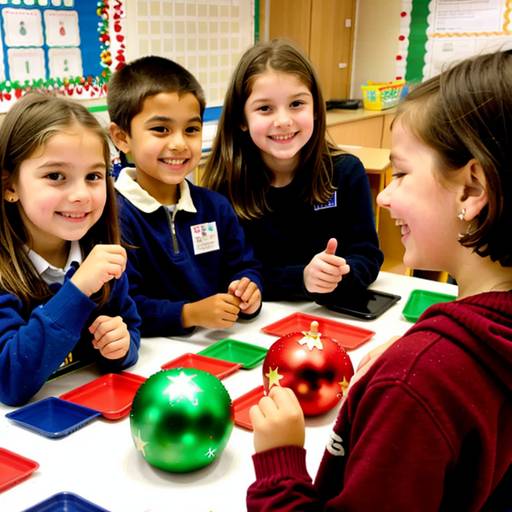
This preschool lesson aims to teach young children about the diverse holidays celebrated around the world and the significance of these celebrations. The lesson begins with an interactive discussion where children share their favorite holidays, followed by a read-aloud session using a picture book that highlights various cultural celebrations. Through this storytelling, children are encouraged to connect personally with the holidays discussed.
Following the reading, students engage in an art activity where they create collages representing a specific holiday of their choice, fostering creativity and self-expression. The lesson concludes with a sharing session, allowing each child to present their collage and explain its significance, reinforcing the importance of holidays in creating community and cultural identity. The class wraps up with a fun holiday song, enhancing the festive atmosphere. Overall, the lesson promotes cultural awareness, storytelling, and active participation in learning about traditions from around the globe.
This preschool lesson plan focuses on introducing young children to the concept of holidays and cultural celebrations around the world. The session begins with a discussion about holidays, encouraging students to share their thoughts and experiences. Through engaging storytelling, children learn about specific holidays, their significance, and associated customs. The lesson includes an interactive discussion using visual aids to help students identify and connect with various cultural traditions.
To foster creativity and personal expression, students participate in an arts and crafts activity where they create holiday cards or decorations representing a holiday of their choice. The lesson concludes with a sharing session, allowing children to present their creations and discuss the holidays they relate to. The plan emphasizes the importance of diversity and respect for different cultural traditions while promoting community spirit among the students.
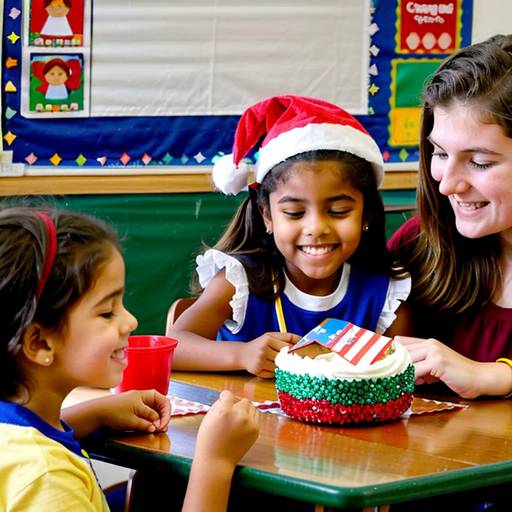
This preschool lesson plan focuses on introducing young learners to the concept of holidays and how they are celebrated across different cultures. The session begins with a discussion to engage students and gather their thoughts about what holidays mean to them. This is followed by a storytime segment where picture books about various holidays are read aloud, allowing students to visualize and understand the significance of each celebration.
After the reading, children participate in a "show and tell" activity to share personal experiences related to holidays they celebrate at home. The lesson continues with an arts and crafts activity where students create holiday-themed cards or decorations, encouraging creativity and expression.
To conclude the session, students gather for a dance to a holiday song, celebrating the joy of the topic discussed. The lesson includes elements of reflection, reinforcing the importance of understanding and respecting different cultures. Assessment focuses on student engagement and participation throughout the activities. The plan accommodates diverse learners through visual aids and supportive practices. Ultimately, this lesson aims to foster appreciation for cultural diversity and the shared joy of celebrations.