
Filters
Level
Grade
Subject
Subject Area
Subject Topic
Standard(s)
Audience
Keyword
DurationMinutes
Preschool Lesson Plans

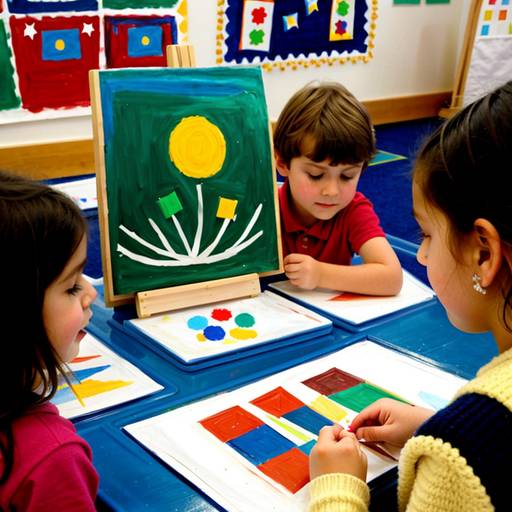
This preschool art lesson focuses on introducing young learners to global cultures through creative expression. The session begins with an engaging discussion about different countries, using a globe or map as a reference. A picture book featuring traditional art from a specific culture is read aloud, sparking curiosity and encouraging children to observe and think critically about the artwork.
The lesson features three interactive art stations, each highlighting a culture: one for creating African masks using paper plates and fabric scraps, another for folding simple origami shapes inspired by Asian art, and a third for designing patterns with stamps and crayons inspired by Indigenous art. After completing individual projects, children contribute to a collaborative "World Art Quilt," bringing together their creations to reflect a patchwork of global artistic expression.
At the end of the session, children gather in a circle to share their artworks, discussing the cultural inspirations behind their pieces. This activity fosters communication skills and a sense of community while celebrating diversity in art. Throughout the lesson, educators assess children's engagement and understanding, providing support and adaptations as needed to ensure an inclusive learning environment.
In this preschool visual arts lesson, children will engage in creative expression by designing their own colorful paper mosaics. The session begins with a group discussion about colors and patterns, followed by a demonstration on how to cut construction paper into shapes and glue them onto a poster board to form their unique artworks. Children will have 15 minutes to explore their creativity, focusing on individual choices of colors and arrangements.
Afterward, participants will reconvene to share their creations, fostering communication and reflection on their artistic process. The lesson concludes with a clean-up activity, reinforcing responsibility and teamwork. To further extend the learning experience, children may create a mosaic project at home representing their families and share their stories in future sessions. Throughout the lesson, emphasis is placed on developing fine motor skills, imaginative thinking, and appreciation for individual creativity.
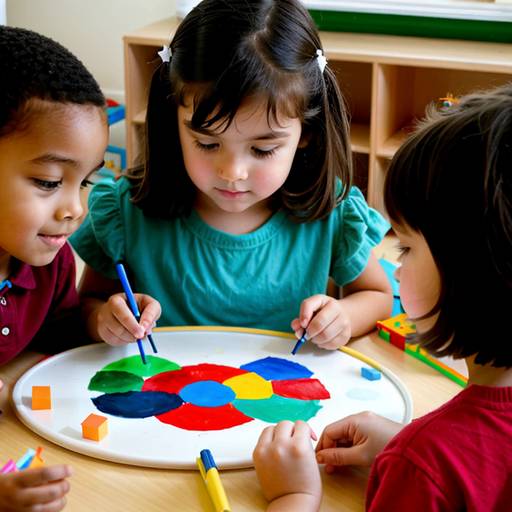
This preschool lesson plan focuses on integrating technology with art to foster creativity and self-expression among young learners. The session begins with a storytelling segment that introduces the concept of using technology in artistic creation. Children then participate in a hands-on activity where they explore digital drawing apps on tablets, encouraging familiarity with technology while developing their fine motor skills. Following this, they transition to creating physical artwork using traditional art supplies, allowing them to reimagine their digital creations. The children showcase their work in a gallery walk and engage in group discussions to reflect on their experiences. The lesson concludes with a brief story reinforcing the themes of creativity and imagination. Extension activities and adaptations are included to cater to various skill levels, ensuring an inclusive experience for all students.

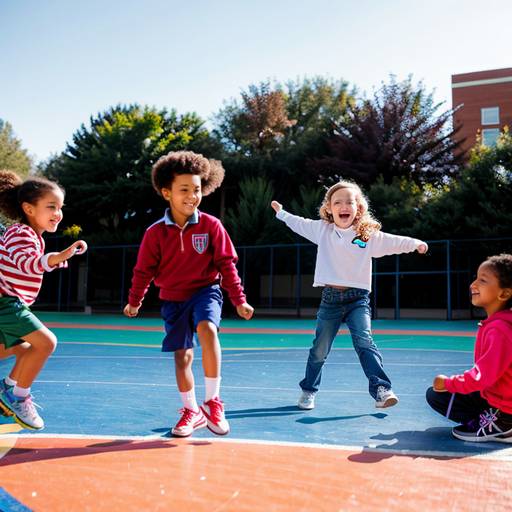
This preschool physical education lesson plan focuses on developing balance and coordination skills through a variety of engaging activities tailored for young children. The session lasts 98 minutes and begins with a dynamic warm-up where students mimic animal movements to increase their heart rates and promote physical engagement. After an introduction emphasizing the importance of balance and coordination, the children participate in five different activity stations, each designed to challenge their skills through fun tasks such as walking within hula hoops, balancing beanbags, traversing balance beams, jumping rope, and weaving through cones.
Following the station rotations, students engage in a team-based relay race that incorporates various balance challenges, encouraging teamwork and camaraderie. The lesson concludes with a cool-down period featuring light stretches and a reflective discussion where students share their experiences and favorite activities. To reinforce the skills learned during the session, students are encouraged to practice balance exercises at home. Overall, the lesson aims to foster physical development in a playful and supportive environment.
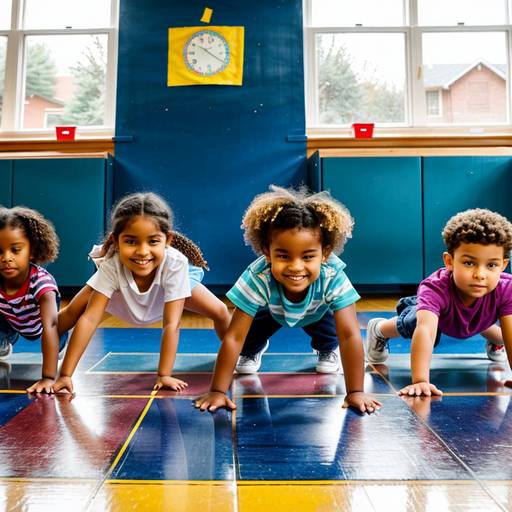
This preschool physical education lesson is designed to enhance children's balance and coordination through a series of fun and engaging activities lasting 98 minutes. The session begins with an introduction and warm-up to prepare the children for movement.
Activities include navigating balance beams, participating in hoop jumping for coordination, and engaging in a bean bag tossing exercise aimed at improving hand-eye coordination. Children then experience an obstacle course that combines various skills, promoting teamwork and camaraderie as they work together to complete challenges.
The lesson concludes with a cool-down session that incorporates gentle stretching and a group discussion about their favorite activities. The overall focus is on developing essential physical skills while fostering social interaction and encouraging a love for movement and exercise.
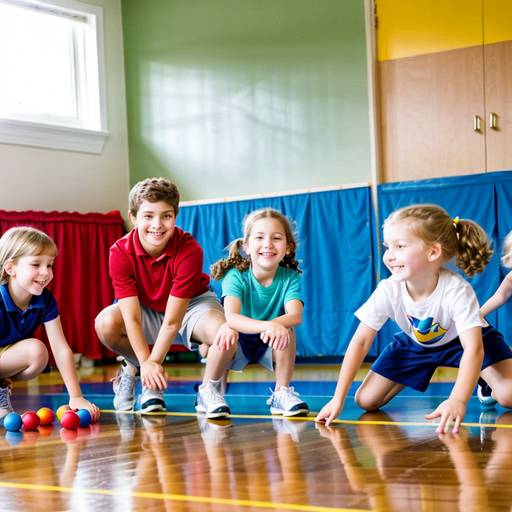
In this preschool physical education lesson, students engage in a variety of activities designed to enhance their balance and coordination skills over a duration of 98 minutes. The session begins with an introduction and warm-up, where children learn about the importance of balance through simple discussions and dynamic movements.
Next, they participate in a balance beam challenge, practicing walking across beams and trying different movements while maintaining their balance. After a brief animal-themed movement transition, students navigate an obstacle course that includes crawling, hopping, and balancing, promoting coordination in a fun and encouraging environment.
Following a healthy snack break, the group engages in cooperative games such as "Musical Spots" and "Balance Relay," further developing their skills while fostering teamwork. The lesson concludes with gentle stretching to cool down and a closing circle where students reflect on their favorite activities and their experiences. Throughout the session, emphasis is placed on movement, social interaction, and the joy of physical activity.
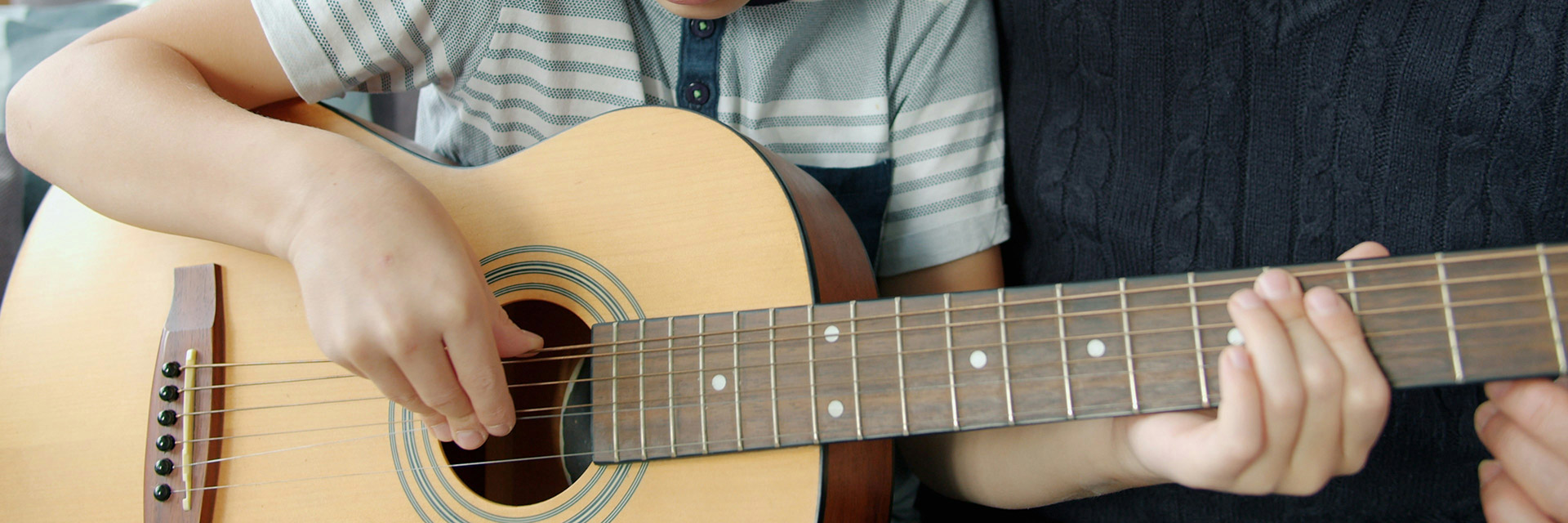
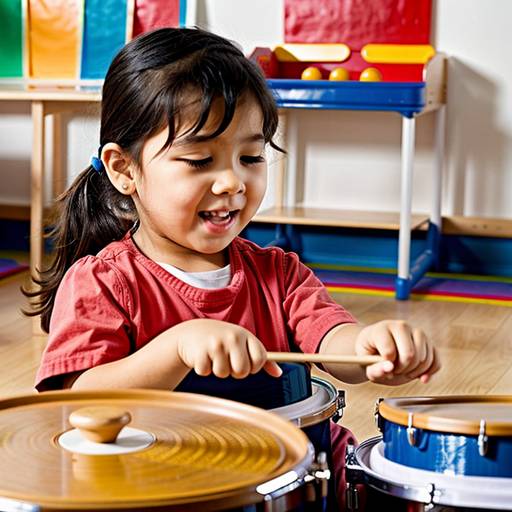
This 45-minute preschool music lesson focuses on engaging young children in rhythmic activities to enhance their understanding of beats, patterns, and coordination through movement and music. The session begins with a fun clapping pattern to introduce the concept of rhythm as the "heartbeat" of music.
Children participate in warm-up exercises using body percussion, which includes clapping, stomping, and patting their legs, followed by an exploration of various percussion instruments. This hands-on experience allows them to experiment with sounds and engages them in a group jam session.
The lesson includes interactive rhythm games, such as "Follow the Leader" and "Rhythm Freeze Dance," encouraging children to replicate rhythms and move to music. A creative movement activity involves colorful scarves or ribbons, allowing children to express themselves rhythmically in time with different tempos.
To conclude, the children gather in a circle to create a layered rhythm together, reinforcing the importance of listening and collaboration. The lesson ends with a reflective discussion on their experiences and a group rhythm clap as they finish. Throughout the session, educators assess children's participation, rhythm imitation, and their ability to listen and engage with others in a joyful learning environment.

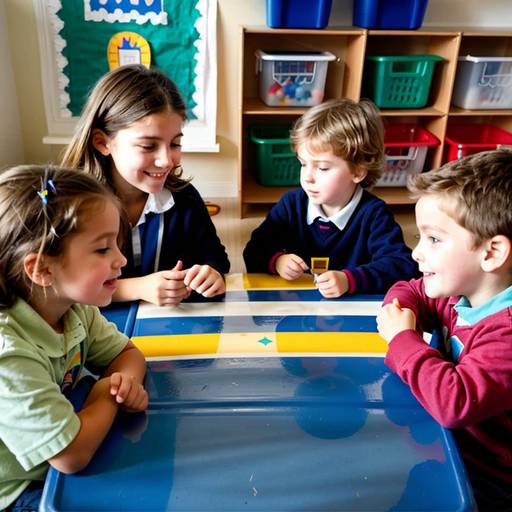
This lesson plan focuses on helping preschool children understand the importance of family, emotions, and the establishment of rules and routines that foster a safe and supportive environment. The lesson begins with a discussion to encourage children to share about their families and the feelings they experience when together. A story related to families and feelings is read, prompting further exploration of emotions through visual aids.
Children then work collaboratively to create a list of classroom rules inspired by the supportive dynamics of their own families. A group activity includes singing a family-themed song, incorporating movement to express emotions. The lesson concludes with a wrap-up discussion, allowing children to reflect on what they’ve learned regarding family connections and classroom expectations. Through engagement in these activities, children develop social and emotional skills that enhance their understanding of relationships within their families and community. Extension activities are suggested to reinforce these concepts at home.

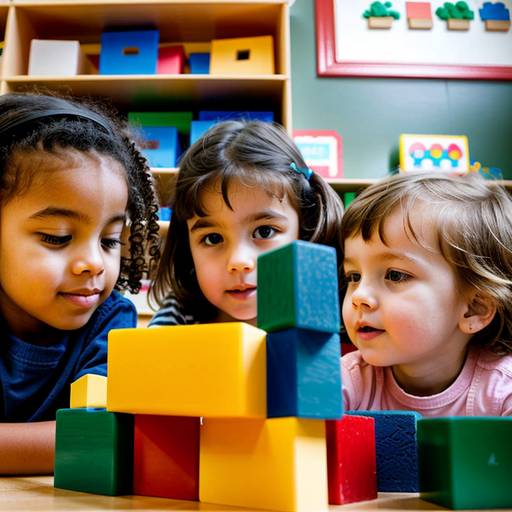
In this preschool science lesson, students engage in hands-on exploration of basic technology and construction concepts. The class begins with a circle discussion about various tools and buildings, using a poster for visual aids. Students are then divided into small groups, where they use a variety of building materials—like foam blocks, wooden blocks, and magnetic tiles—to create unique structures.
Following the building activities, the children are introduced to toy tools and practice using them safely on their projects, fostering teamwork and problem-solving skills. The session concludes with a group sharing, where students present their creations and reflect on their learning experiences. To further reinforce their creativity, an optional arts and crafts extension allows them to draw their favorite tools or buildings. Overall, the lesson aims to enhance critical thinking and cooperation while instilling an understanding of how technology plays a role in building and innovation.
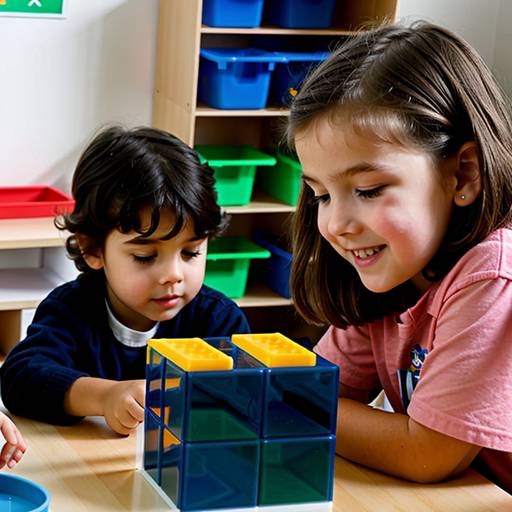
This lesson plan provides a structured approach for preschool students to explore foundational coding concepts through engaging, hands-on activities. Over the course of 45 minutes, children will learn about sequences, patterns, and problem-solving in a fun and interactive manner.
The lesson begins with a brief introduction to key terminology, using relatable examples to foster understanding. Students will then participate in group activities, where they will build structures using colorful blocks while following specific sequences. This collaborative effort encourages teamwork and enhances communication skills.
Subsequently, the class will engage in a movement coding activity, where students take turns being the "coder" and the "robot," following action cards to navigate a designated path. This physical representation of coding concepts reinforces their learning through active participation.
If technology is available, students will have the opportunity to explore a simple coding app, fostering independent problem-solving skills. The lesson concludes with a group reflection, encouraging students to share their experiences and insights gained throughout the activities. The overall aim is to provide a fun and accessible introduction to coding concepts, promoting critical thinking and creativity in young learners.