
Filters
Level
Grade
Subject
Subject Area
Subject Topic
Standard(s)
Audience
Keyword
DurationMinutes
Preschool Lesson Plans

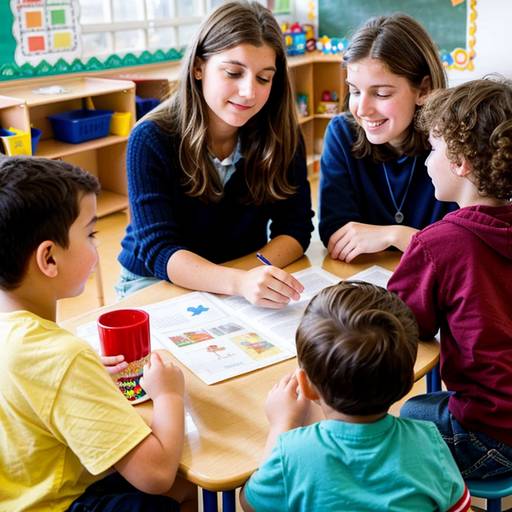
In this preschool lesson plan, students will explore the concept of family by identifying and describing different family members and understanding the diversity of family structures. The session begins with a group discussion about families, guided by a read-aloud of a storybook that illustrates various family dynamics. Following the story, children will engage in a creative activity where they design their own family trees using art supplies, encouraging self-expression and peer interaction. Each child will have the opportunity to share their family tree with the class, fostering communication skills. The lesson concludes with a reflective discussion on what they learned about families, followed by a sing-along to reinforce community and connection. The overall goals are to cultivate an appreciation for family diversity and enhance social skills among students. Accommodations and extensions are provided to ensure inclusivity and further engage families in the learning process.
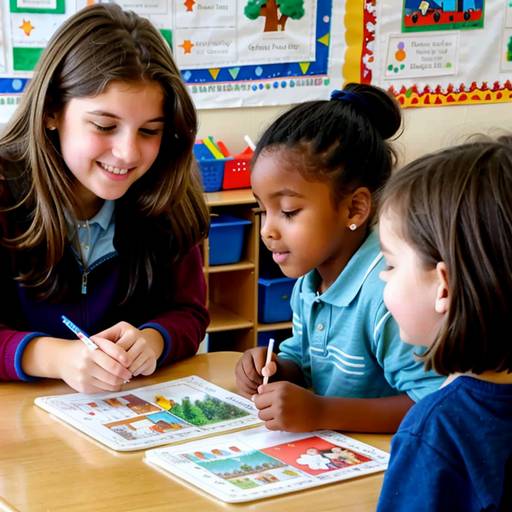
The lesson focuses on helping preschool students explore and appreciate the concept of family. It begins with an interactive circle time where children identify and share who is in their families. This is followed by a read-aloud of a story that highlights various family structures, encouraging students to think about their own experiences. Students then have the opportunity to share family photos, reinforcing vocabulary related to family members and relationships.
Next, a fun Family Bingo game engages children in recognizing different family roles and items. The lesson culminates in a creative craft activity where students create family trees or collages representing their family members, allowing for individual expression. The session wraps up with a reflective discussion, inviting students to share their learning outcomes. Throughout the lesson, diverse learning needs are accommodated, and assessments are incorporated through observation and interactive participation, ensuring a comprehensive understanding of family dynamics among the children.
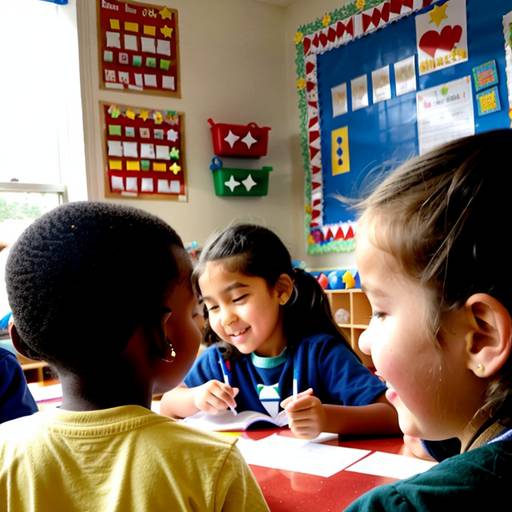
In this preschool social studies lesson, students will explore the concept of community and learn about the various roles of community helpers. The lesson begins with a group discussion on the meaning of community, followed by a story that illustrates the importance of these roles. Students engage with community helper picture cards to identify and discuss figures such as police officers, firefighters, and doctors, contributing their own knowledge to a collaborative chart.
An interactive activity encourages students to brainstorm ways they can positively impact their community, culminating in the assignment of roles for a simple community project. The lesson wraps up with a review of what they learned and recognition of their participation with stickers. Through this engaging approach, students will develop a sense of belonging and responsibility within their community, fostering an early understanding of citizenship and community engagement. Optional extensions, such as creating a mural or planning a field trip, can further enrich this learning experience.
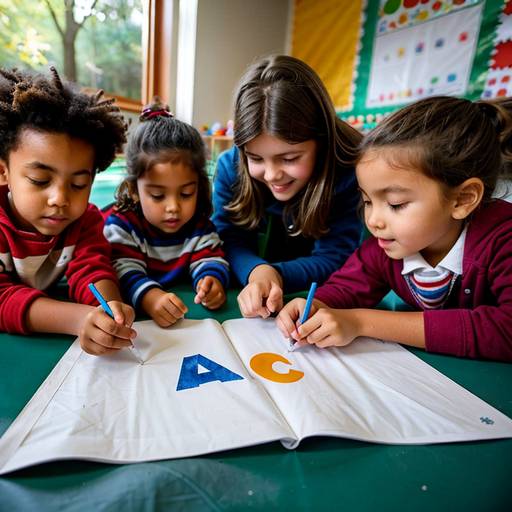
This lesson plan focuses on helping preschoolers identify and articulate letters of the alphabet through interactive activities that encourage exploration and creativity. The session begins with a group discussion about familiar letters and their sounds, fostering engagement.
Students then participate in a letter hunt, locating hidden alphabet cards and sharing their findings with the class. Following this, they connect letters to animals, drawing their favorite letter-animal pairs and discussing the sounds associated with those letters. The lesson continues with a nature-themed activity, where students select natural items and relate them to letters, reinforcing their understanding by creating drawings.
The session wraps up with a group recap and discussion about what was learned, promoting sharing and comprehension. The plan includes assessments through observation and student participation and allows adaptations for varying skill levels, making it an inclusive and enriching experience that supports early literacy development.
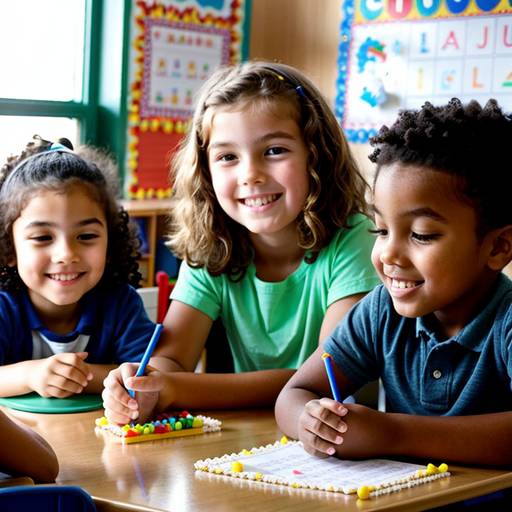
In this engaging preschool lesson, students embark on an adventure to explore the alphabet through interactive activities centered around animals. The session begins with a circle gathering where children discuss their experiences with animals and safaris. Following this, students participate in a hunt to find alphabet flashcards and animal toys scattered around the classroom, practicing letter recognition and sharing their discoveries with the group.
Next, the children are divided into small groups for a sorting game, where they organize the animals under the correct letter flashcards, reinforcing their understanding of letter-sound associations. To keep the energy high, a fun movement activity allows kids to imitate different animals while emphasizing letter sounds. The lesson concludes with a group reflection, encouraging children to share their favorite animals and letters, along with extension activities that include drawing and storytime to further integrate their learning. Overall, the lesson promotes literacy skills in a playful and interactive environment.

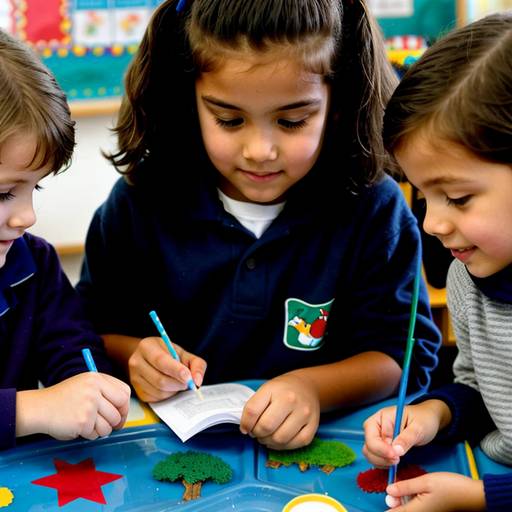
In this preschool science lesson, students will explore various animal habitats and their importance in the environment. The session begins with an engaging discussion about animals and their homes, followed by a storytime featuring a picture book that highlights different species and their habitats. Participants will then engage in hands-on exploration at interactive habitat stations, where they can observe and manipulate materials representing forests, oceans, deserts, and grasslands while learning about the animals that live in each environment.
Following the exploration, children will participate in a creative art activity, designing their own habitat scenes featuring their favorite animals. The lesson concludes with a reflection period where students share their artwork and discuss ways to protect animals and their habitats, fostering a sense of environmental responsibility. The session emphasizes interactive learning, creativity, and the significance of caring for the planet. Additionally, extensions such as a home scavenger hunt and a potential field trip to a zoo or nature reserve provide further opportunities for exploration.
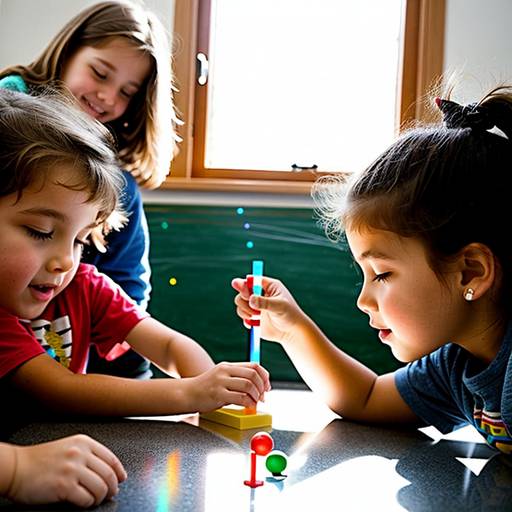
In this preschool science lesson, students will engage in an exploration of energy through hands-on activities that focus on motion and light. The lesson begins with a circle discussion to introduce the concept of energy and its role in movement and illumination. The children will rotate through two stations: one where they experiment with flashlights and mirrors to observe the behavior of light, and another where they interact with battery-operated or wind-up toys to see how energy creates motion. Following these explorations, the class will gather together to reflect on their discoveries, documenting their observations on a poster board. Finally, students will express their favorite findings through drawings and share them with peers. This engaging and interactive approach allows children to develop their curiosity, collaborative skills, and foundational understanding of energy in a fun, safe environment.
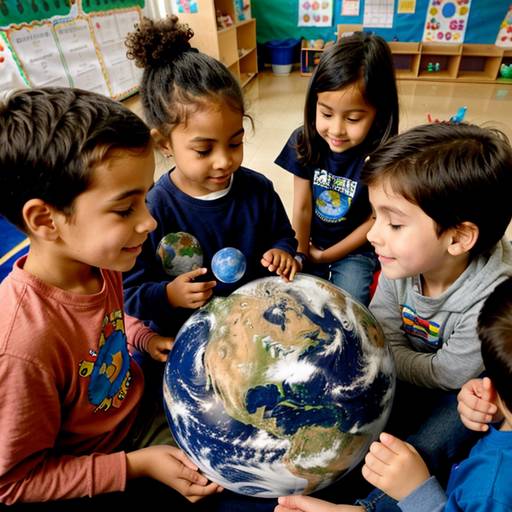
In this preschool science lesson, students will explore the relationship between various animals and their natural habitats, along with the importance of environmental conservation. The session begins with a group discussion where students share what they know about animals and their living environments. A selected picture book is read aloud to introduce different species and their homes, fostering engagement and critical thinking through guided questions.
Following the story, an interactive exploration of a large map illustrates diverse habitats, showcasing how specific animals adapt to their surroundings. Students then participate in a creative craft activity, where they design their own animals and their respective homes, considering the needs of each species.
To conclude the lesson, students share their creations and discuss the importance of protecting animal habitats. The lesson wraps up with a discussion on simple environmental actions that can help safeguard the planet for all living creatures. Through this engaging, hands-on approach, young learners will gain a foundational understanding of biodiversity and the significance of caring for the environment.
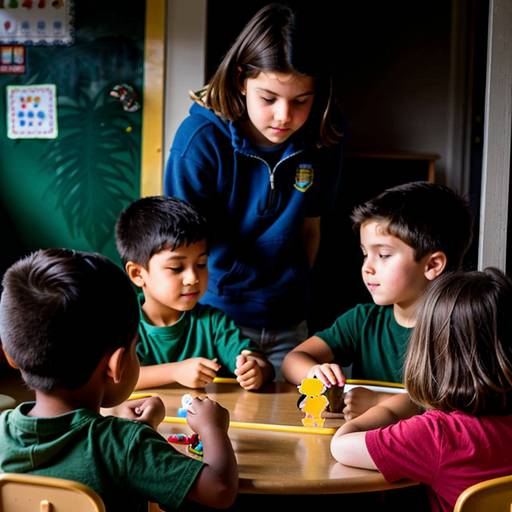
In this preschool lesson, students will embark on an engaging exploration of animal habitats and behaviors. The session begins with a circle discussion where children share their favorite animals and where they believe these animals live. Following this, students participate in a habitat sorting game where they categorically sort animal picture cards into labeled bins representing different habitats such as forests, oceans, deserts, and savannahs.
Next, students have the opportunity to interact with sensory bins filled with materials that mimic different habitats, allowing them to play imaginatively with plastic animal figures and discuss animal behaviors in these environments.
The lesson continues with a creative art project where children create dioramas of their chosen habitat, incorporating animals and plants relevant to that ecosystem. As they share their dioramas, students reflect on their learning about animals and environmental care. The lesson concludes with an optional extension where children can read a book or watch a video about habitats, reinforcing their newfound knowledge while promoting curiosity and appreciation for wildlife. Overall, this lesson aims to inspire a sense of wonder and responsibility for the natural world among young learners.
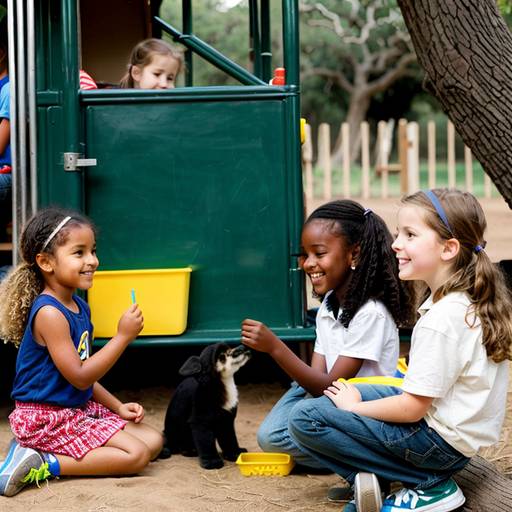
This preschool science lesson is designed to introduce young children to various animals and their habitats through an engaging and interactive experience. The lesson begins with a circle time discussion about what a safari is and includes a read-aloud story that features different animals, fostering language development and participation.
Students will explore animal identification through the use of plush toys or cut-outs and engage their listening skills with animal sound recordings. A movement activity encourages them to mimic animal behaviors, enhancing gross motor skills. Creativity is further fostered with a craft time where children create drawings of their favorite animals or their habitats, allowing for personal expression and art sharing.
The lesson concludes with a reflection period where children discuss their artwork and share what they've learned. Through these activities, children develop observational skills, improve language abilities, and learn about the importance of animals and their environments, all while having fun in a structured and supportive setting.