
Filters
Level
Grade
Subject
Subject Area
Subject Topic
Standard(s)
Audience
Keyword
DurationMinutes
Preschool Lesson Plans

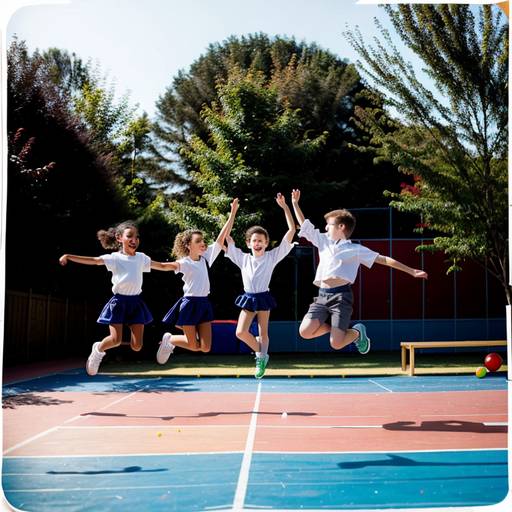
This 90-minute preschool physical education lesson focuses on encouraging active play through a variety of engaging activities that promote gross motor skills, coordination, and social interaction among young children. The lesson begins with a welcoming introduction and a warm-up routine that includes stretching and light movements set to music.
Throughout the main part of the lesson, students rotate through five activity stations that include a jumping challenge, hula hoop fun, ball tossing, parachute play, and imaginative dance. Each station is designed to enhance physical skills while keeping the children actively engaged. Following the stations, the lesson transitions into group games, including an obstacle course and freeze dance, to further encourage movement and creativity.
To conclude the session, children participate in calming breathing exercises and engage in a group discussion about their favorite activities, fostering reflection and social interaction. The lesson is designed to be inclusive and adaptable, ensuring that all children, regardless of ability, can participate safely and enjoyably. Positive reinforcement and observation are used to assess participation and enthusiasm, promoting a love for active play in preschoolers.
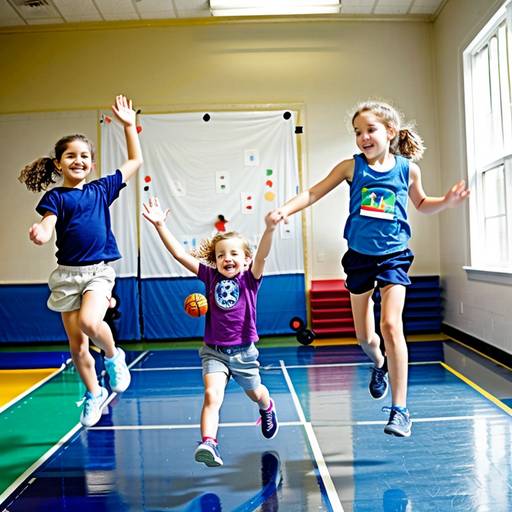
This preschool physical education lesson is designed to enhance gross motor skills through a series of engaging activities lasting 105 minutes. The session begins with an introduction that discusses gross motor skills and demonstrates basic movements. After a warm-up featuring fun animal-inspired movements and stretching exercises, children participate in five activity stations focusing on different aspects of gross motor skills. Activities include jumping over cones, navigating hula hoops, throwing bean bags at targets, engaging with a parachute, and completing an obstacle course, allowing for various levels of movement and skill development.
Following the station rotations, students participate in a group game that emphasizes cooperation and physical engagement. The session concludes with a cool-down period featuring deep breathing and gentle stretches, followed by a reflection segment where children share their favorite activities. The lesson promotes not only physical development but also social interaction and enjoyment of movement, ensuring students understand the importance of staying active. Extensions for the lesson may include inviting parents to participate or creating a movement challenge for practice at home. Overall, the lesson fosters a love for physical activity while improving coordination and motor skills among preschoolers.
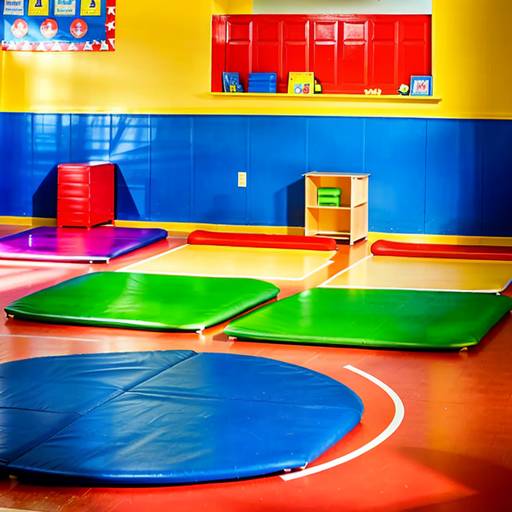
This preschool physical education lesson focuses on introducing young children to healthy habits through an engaging and active curriculum. The lesson begins with a brief discussion about the importance of healthy habits, such as exercise, nutrition, and personal hygiene.
Students will warm up with an "Animal Movements" game to get them moving and energized. They will then participate in a fitness circuit featuring four stations: hula hooping for coordination, ball toss for hand-eye coordination, jump rope for timing, and an obstacle course emphasizing agility and healthy habit recognition.
After the circuit, there is a healthy snack break where students will discuss their favorite healthy foods and practice proper hand hygiene. Following the snack, a creative movement activity allows children to express themselves through dance while incorporating the healthy habits learned.
The lesson concludes with a reflection where students share what they enjoyed and learned, followed by a clean-up session that reinforces the importance of responsibility. Assessment will occur through observation and informal discussions about the concepts introduced. Extensions to the lesson can include a weekly habit challenge and collaboration with parents to reinforce learning at home. Overall, the objective is to instill a foundation of healthy habits in a fun and interactive environment.
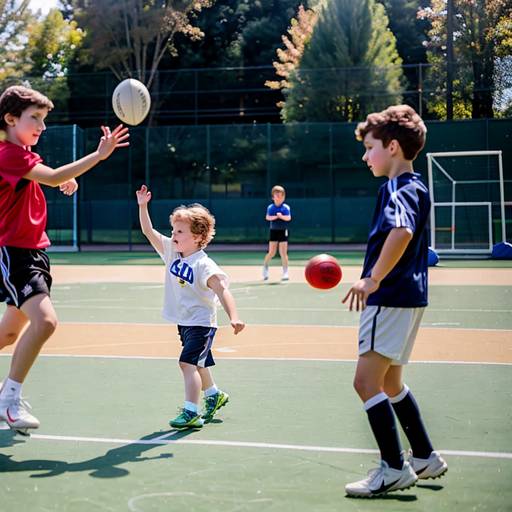
In this 30-minute physical education lesson designed for preschoolers, children will be introduced to fundamental sports skills, specifically kicking, throwing, and catching, while promoting physical coordination, teamwork, and enjoyment of active play. The session begins with a warm-up involving stretching and animal movements to prepare their bodies for activity.
The first activity focuses on kicking, where students participate in a relay that helps them practice aiming their kicks towards a designated target while running to retrieve the ball. Next, the lesson transitions to throwing, with children targeting hula hoops or buckets, emphasizing proper throwing technique and encouraging supportive interactions among peers.
The lesson concludes with a catching activity, where children toss a ball to each other while working on eye contact and hand positioning. Finally, students gather for a cool-down period, involving gentle stretches and reflections on what they learned and enjoyed during the lesson. Throughout the activities, instructors will observe participation and individual progress, making adjustments as needed to accommodate different skill levels and ensuring a fun experience for all.

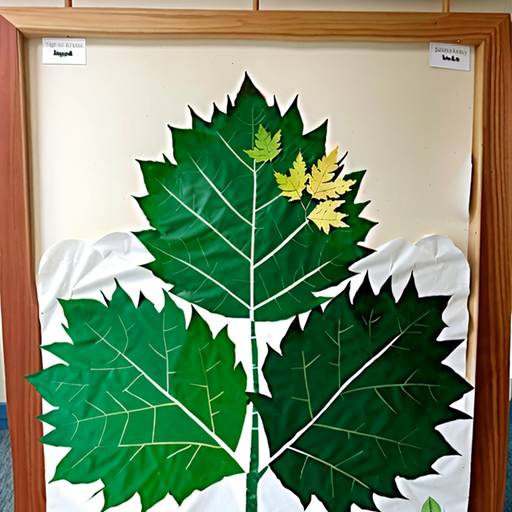
In this preschool art lesson, children will explore the textures and colors of nature by creating leaf prints using paint and paper. The activity begins with a discussion about different types of leaves, during which students will learn about their shapes, sizes, and colors. After a demonstration of the printing process, each child will select leaves, paint them, and press them onto paper to make unique prints. The lesson emphasizes creativity and self-expression, allowing children to experiment with colors and different leaf patterns.
As they work, students will engage in conversations about their creations, enhancing their communication skills. Following the hands-on activity, children will clean up their workspaces and share their thoughts on the experience, reinforcing reflection and social interaction. The lesson concludes with a display of the artworks, promoting a sense of pride and accomplishment. Extensions to the lesson can include discussions about types of trees and plants, reading related literature, and incorporating movement activities related to leaves. Overall, this lesson fosters a connection to nature while encouraging artistic expression and fine motor development.

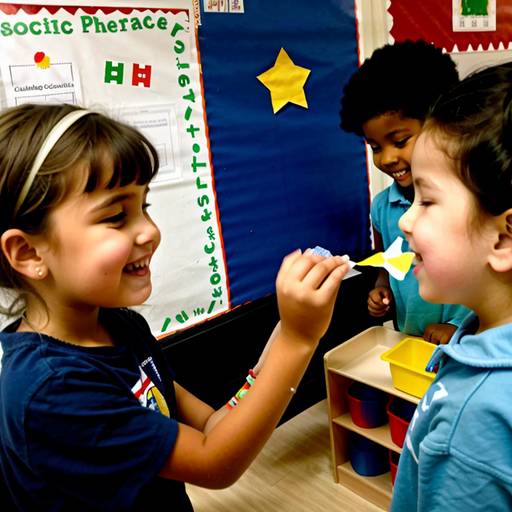
This lesson plan aims to promote preschoolers' understanding of cooperation and sharing, emphasizing the importance of these concepts in building a strong community. The session begins with a group discussion where children articulate their thoughts on sharing and cooperation. A story highlighting these themes follows, encouraging further reflection and dialogue.
Next, children participate in a collaborative activity, creating a community poster where they draw and place toys, working together to build a cohesive visual representation while practicing communication and teamwork. They are then invited to express their learning by writing or drawing on paper hearts or stars, which they share with the group to foster a sense of belonging.
Finally, the lesson concludes with a closing circle where students recap their learnings, reinforcing the key messages about the joys and benefits of working together. The plan includes follow-up activities to extend these concepts into daily routines at home and offers an observational assessment tool for educators to gauge children's grasp of the skills taught. Overall, the lesson seeks to instill a sense of community and positive interaction among preschoolers.
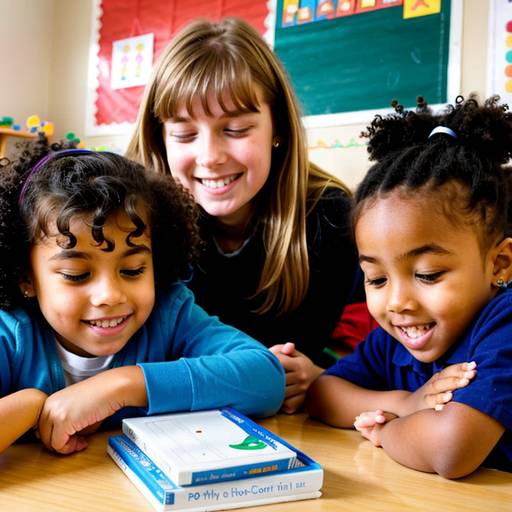
This preschool language lesson focuses on introducing young learners to basic phonics concepts through an engaging, ocean-themed experience. The session begins with a welcoming environment and a phonics song that encourages children to participate actively.
Students embark on a letter hunt, finding letter cutouts around the room and practicing their sounds. Following this, they interact with sea creature puppets to combine phonics with imaginative play. A sensory bin filled with water beads and hidden letter beads provides hands-on exploration and reinforces letter recognition.
Creative time is dedicated to coloring phonics-themed sheets and crafting a sea scene, encouraging children to connect letters with words and sounds. The lesson concludes with a group discussion, allowing students to share their learning experiences while revisiting the phonics song.
Throughout the activities, children receive support and adaptations based on their individual needs, ensuring an inclusive learning environment. Caregivers are encouraged to reinforce these phonics concepts at home, promoting continued learning beyond the classroom.
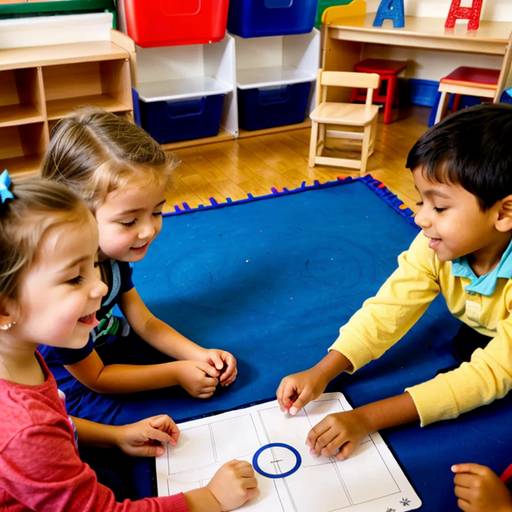
This preschool language lesson focuses on introducing young learners to the basic formation of uppercase letters A, B, and C. The session begins with an engaging introduction, where children are prompted to sing the alphabet song together, fostering excitement about letters.
In the direct instruction phase, the teacher demonstrates the proper techniques for writing each letter, accompanied by the corresponding sounds and example words. Students then have the opportunity to practice letter formation through tracing worksheets, and they engage in a hands-on sensory activity using materials like sand or rice. This tactile experience helps reinforce their writing skills and enhances fine motor development.
For independent practice, children use Playdough to sculpt the letters, allowing for creative expression while reinforcing their understanding of letter shapes. The lesson culminates with a review of the key concepts and an interactive letter-sorting game, allowing students to categorize items based on initial sounds. The lesson concludes with a fun goodbye song, further reinforcing the letters covered during the session. Throughout the lesson, the teacher assesses student understanding through observations and participation, ensuring a supportive and engaging learning atmosphere.
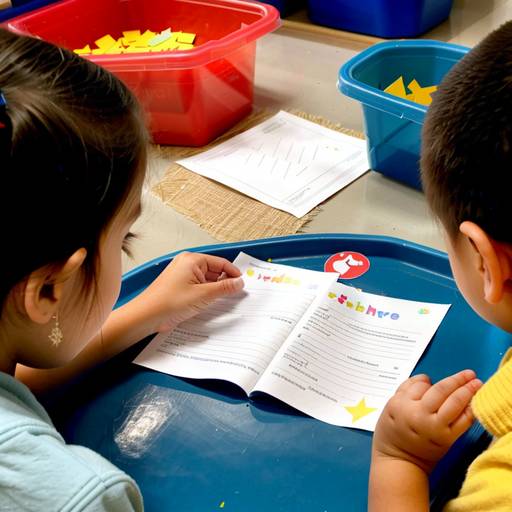
This preschool lesson focuses on developing pre-reading skills through an engaging and interactive activity centered around letter recognition. Children will participate in a fun letter hunt, where they work in small groups to find hidden cut-out letters, reinforcing their ability to identify and name each letter. After the hunt, the groups will gather to share their findings, and a matching game will further enhance their understanding of letters and sound associations.
The lesson includes a read-aloud session with a story that highlights the letters discovered during the hunt, encouraging discussion and interaction. To wrap up the lesson, children will draw their favorite letter or an object that begins with that letter, allowing for creative expression and consolidation of learning. Throughout the session, children are assessed on their participation and understanding, while opportunities for extension activities adapt to varying levels of familiarity with the content.
The overall approach emphasizes teamwork, communication, and a fun-filled exploration of letters, laying a strong foundation for pre-reading skills.
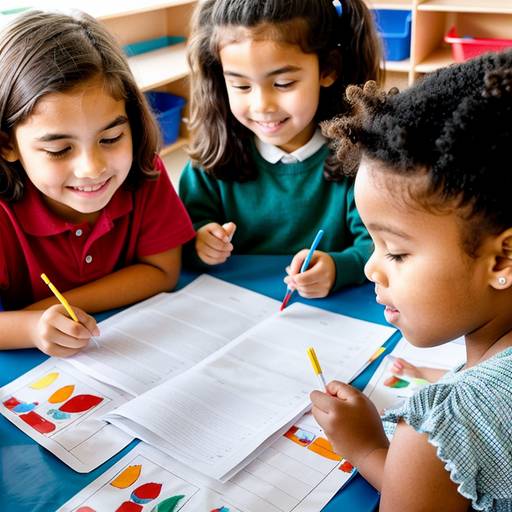
This lesson plan focuses on helping preschool students recognize and identify letters of the alphabet, both uppercase and lowercase. The session begins with a welcoming circle time where children are introduced to the concept of letters and their role in forming words. The children engage with flashcards to name letters and share words associated with them. An interactive letter hunt activity allows them to find and identify letters around the classroom, reinforcing their learning through play.
The lesson continues with a creative art activity, where children select their favorite letter and create drawings related to it. The session concludes with a reflective circle, where students share their work and sing an alphabet song together to reinforce their knowledge. Throughout the lesson, the educator evaluates participation and understanding through observation and engagement. Extension activities encourage further practice at home, fostering continuous learning beyond the classroom. The overall aim is to create an engaging, interactive environment that promotes early literacy skills and a love for letters.