
Filters
Level
Grade
Subject
Subject Area
Subject Topic
Standard(s)
Audience
Keyword
DurationMinutes
Preschool Lesson Plans
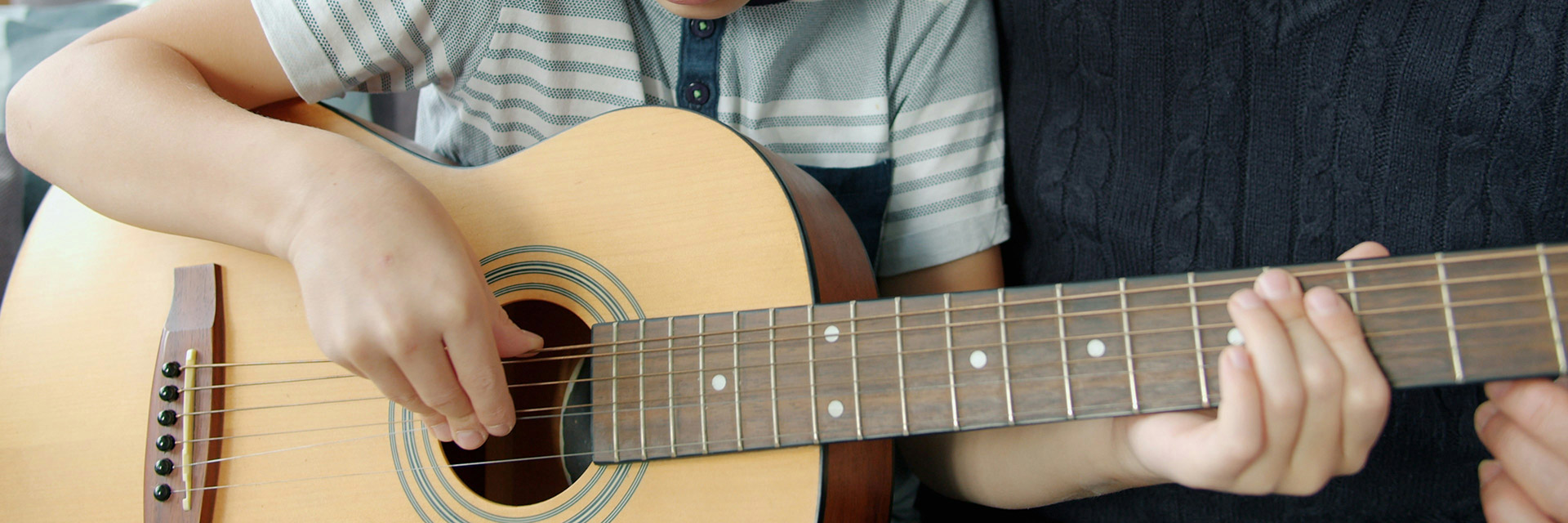
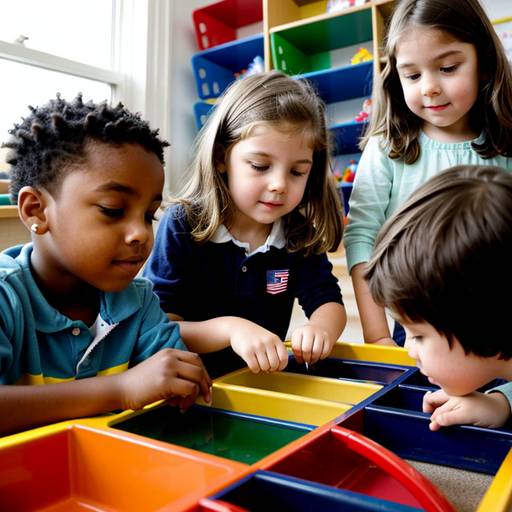
In this 45-minute preschool lesson, students will engage in a hands-on exploration of various musical instruments, learning to identify and categorize them into families such as strings, percussion, woodwinds, and brass. The lesson begins with a warm-up song to encourage participation, followed by an interactive exploration where children can freely play different instruments in small groups. After the exploration, the class comes together to discuss and categorize instruments using picture flashcards.
The highlight of the lesson is a lively "Instrument Parade," where children march around, playing their instruments to the beat of festive music while incorporating colorful scarves to enhance their movement. The lesson concludes with a circle time reflection, allowing children to share their favorite instruments and the sounds they enjoyed most. Throughout the session, teachers will observe student engagement and understanding, with opportunities for extensions that encourage ongoing interest and interaction with music at home and in the classroom.
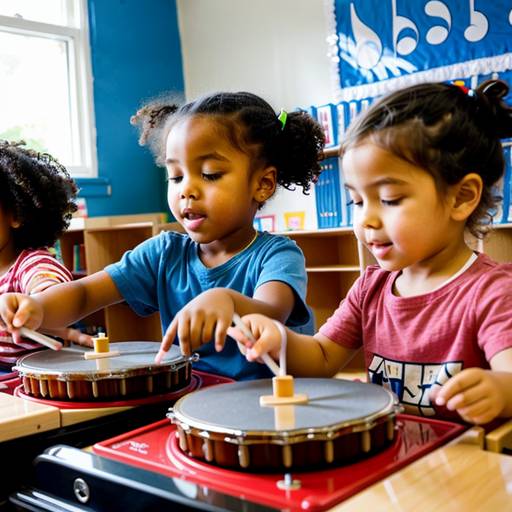
This preschool music lesson is designed to engage young children in exploring rhythms and melodies through singing, movement, and instrument play. The session begins with a warm-up activity featuring a familiar song, encouraging children to participate through lyric repetition and physical actions.
Following the warm-up, children delve into the thematic exploration of songs, starting with "Twinkle, Twinkle Little Star," which incorporates visual aids and movement activities using scarves to simulate twinkling stars. Next, participants enjoy playing instruments in coordination with "The Wheels on the Bus," where specific sounds are assigned to different instruments, promoting both creativity and rhythm recognition.
The lesson concludes with a brief cool-down period, allowing children to reflect on their favorite activities while listening to calming music. Lastly, the class wraps up with a goodbye song, reinforcing the enjoyment and learning experienced throughout the session. The lesson encourages active participation, enhances listening skills, and promotes a love for music in a playful and supportive environment.
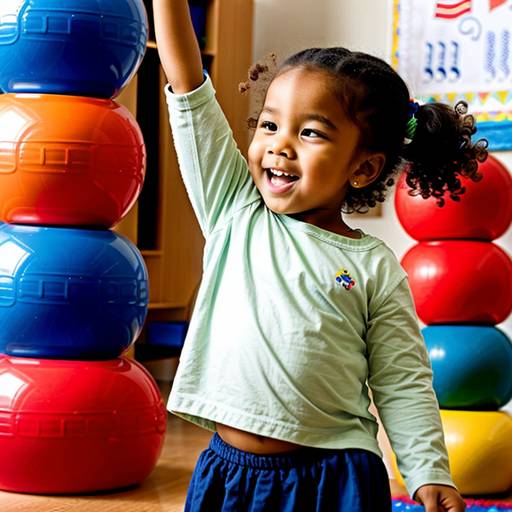
This preschool music lesson focuses on teaching young children the concept of rhythm through engaging and interactive activities. Over the course of 45 minutes, students will participate in various activities designed to develop their listening skills, coordination, and creativity.
The lesson begins with a group welcome where children are introduced to rhythm through clapping patterns. Following this, they will engage in a body percussion warm-up, using their bodies to create different rhythms. Children will then explore a variety of percussion instruments, experimenting with sound while playing along to a song.
Next, the lesson shifts to movement activities where students will use scarves or ribbons while following a 'Rhythm Walk' along a taped path, responding to different rhythmic cues. An echo game is included, where children mimic the rhythms played by the instructor using claps and other sounds.
As the lesson winds down, the children will listen to calming music, reflecting on the rhythms they’ve heard. To conclude, a review of what they’ve learned allows for creativity as children suggest their own rhythmic patterns to share. The lesson offers opportunities for assessment through observation, ensuring all children can participate and enjoy exploring rhythm in various forms. Extensions such as creating a “Rhythm Book” or planning a performance day can further enhance the learning experience.

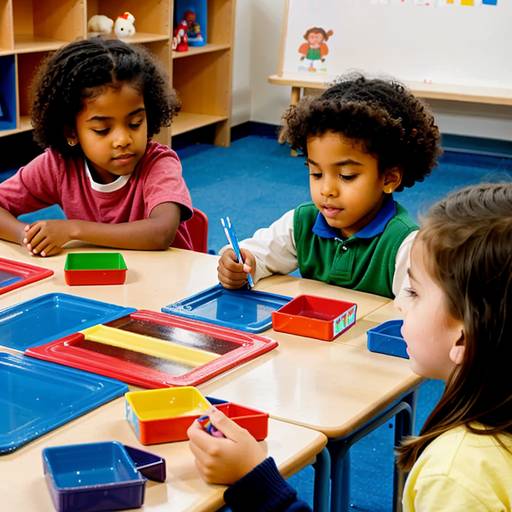
In this Preschool Art lesson, children will engage in a creative crafting activity focused on exploring various textures and shapes. Starting with a circle time discussion, students will learn about textures, such as soft and rough, and the different shapes they can use in their artwork. Following a demonstration on cutting and gluing techniques, children will have the opportunity to create their own collages using colorful construction paper and an assortment of textured materials, such as fabric scraps and magazine cutouts.
As they work on their collages, they will develop fine motor skills and learn to layer materials for visual and tactile contrast. The lesson will conclude with a sharing session where each child presents their artwork, encouraging self-expression and teamwork. Cleanup will be a collaborative effort, reinforcing responsibility and respect for shared spaces. Overall, this activity will promote creativity, dexterity, and an appreciation for diversity through artistic exploration.

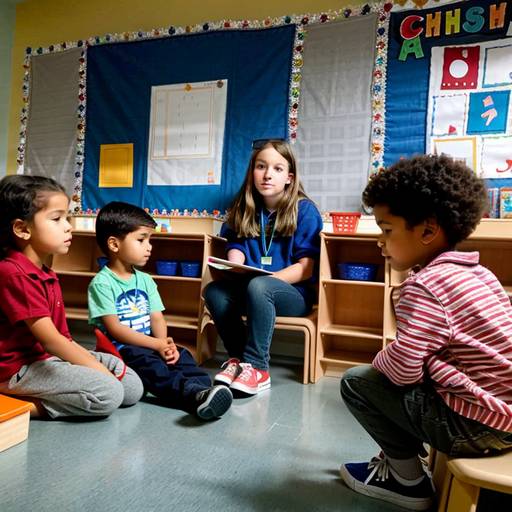
In this preschool social studies lesson, students will explore the concept of community by identifying various roles within it and recognizing the diverse individuals who contribute to its function. The lesson starts with a group discussion to define what a community is, followed by a read-aloud of a picture book that illustrates different community members. Students will then engage in a creative activity where they draw or color pictures of their favorite community helpers on a large poster.
After completing their artwork, they will participate in a group discussion to share their thoughts on the importance of each role. To conclude, students will form a circle to share one thing they learned about community helpers or what they enjoy about their community, promoting active listening and collaboration. The lesson reinforces the idea that everyone has a special role in creating a supportive environment. Optional snacks may be provided during this reflection time. The lesson's assessment involves observing participation and understanding during discussions and activities. Adaptations are included to support diverse learners, and an extension activity seeks to deepen their understanding by exploring community places in future lessons.
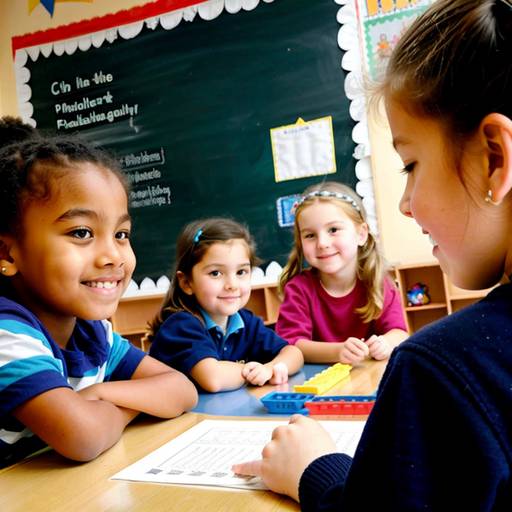
In this preschool lesson plan, students will explore the concept of community and the vital roles of various community helpers. The session begins with an engaging introduction where children identify and discuss different helpers, such as firefighters, police officers, teachers, and doctors, emphasizing their importance in the community.
Following this, students participate in a hands-on activity where they contribute to a community helper chart, illustrating their chosen helper and sharing why they believe this role is essential. This collaborative effort promotes discussion about the interconnectedness of these roles and their impact on daily life.
The lesson also includes a read-aloud of a relevant book, encouraging students to reflect on their personal experiences with community helpers. To conclude, the class sings a simple song celebrating these helpers, and students are encouraged to think of a way to express gratitude to a community helper. The lesson fosters appreciation for the community and teamwork while providing an engaging and interactive learning environment. Assessment is conducted through observation and participation in discussions and activities.
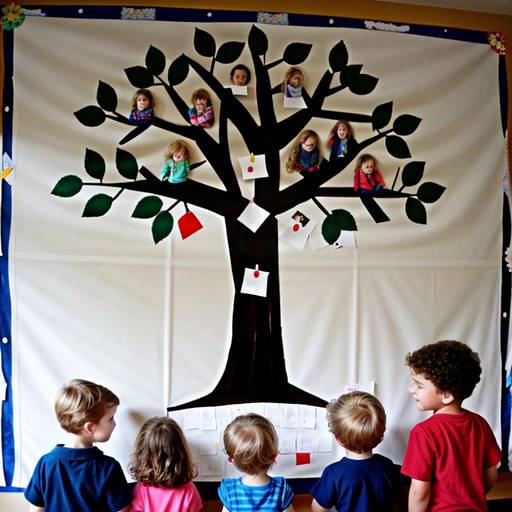
In this preschool lesson plan focused on social and emotional development, students will explore the concept of family, emotions, and the importance of rules and routines. The lesson begins with a group discussion about what family means to each child, followed by a read-aloud of a storybook that highlights different family structures and emotions. As part of a creative activity, each child will create a family tree, illustrating their family members and expressing their feelings towards them.
The discussion will then shift to the significance of family rules and routines, emphasizing how they contribute to feelings of safety and love. Children will share their family rules and reflect on how these rules impact their emotional well-being. To reinforce emotional expression, students will engage with a soft toy, sharing feelings related to their family experiences. Finally, the lesson concludes with a group reflection, allowing children to share their favorite parts of the activity and what they’ve learned about their families, feelings, and the role of rules in family life. Families will be encouraged to continue these discussions at home to further support emotional understanding.
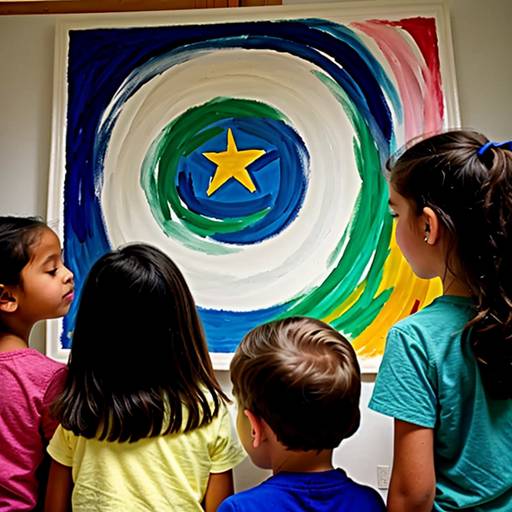
In this preschool art lesson, children will explore the exciting world of colors and color blending. The session begins with an engaging discussion about primary colors—red, blue, and yellow—and how they combine to create secondary colors. After a demonstration on mixing colors, students will participate in a guided painting activity, where they will use paintbrushes to create their own artwork on watercolor paper. They will be encouraged to experiment with mixing colors to discover new shades and express their creativity.
Following individual exploration time, the class will regroup for a reflection session, allowing each child to share their artwork and the colors they used. This will foster discussion about their creative processes and feelings related to their art. The lesson will conclude with a clean-up session and a closing circle where children are thanked for their participation and encouraged to observe colors in their everyday surroundings. Overall, the lesson promotes creativity, fine motor skills, and an appreciation for color in a fun, collaborative environment.

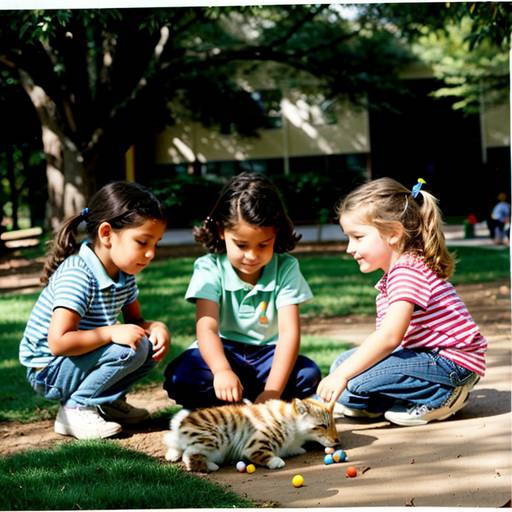
In this preschool science lesson, children will engage in a hands-on exploration of different animal habitats, including forests, deserts, oceans, and grasslands. The session begins with a group discussion to spark curiosity about animals and their environments, encouraging children to share their knowledge.
Next, a matching activity involves using picture cards to identify various habitats and animal flashcards to associate animals with their correct homes. Following this, the children will venture outdoors for a nature exploration, equipped with magnifying glasses and bags to collect interesting items such as leaves and stones, fostering their observational skills.
Upon returning, students will create drawings of their favorite habitat and the animals that inhabit it. To celebrate their discoveries, each child will receive a “Nature Detective” badge. The lesson concludes with a review of what was learned and a fun song about animals or habitats, reinforcing the concepts explored throughout the session. Observations made during activities will assess children's understanding and participation, with potential extensions for further learning at home or on a special habitat-themed day.
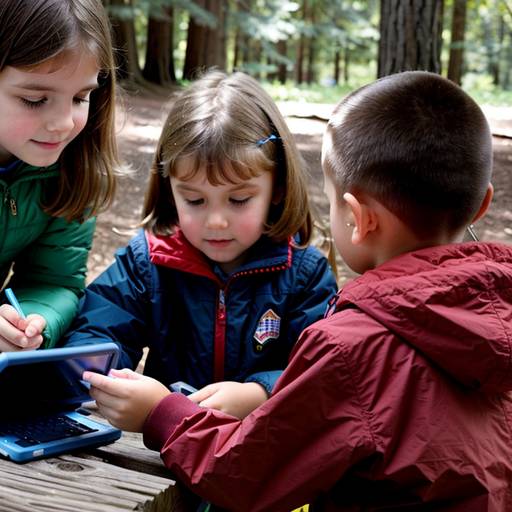
This preschool lesson plan focuses on exploring the relationship between technology and nature. Over the course of an hour, children will engage in activities that promote curiosity about the natural world using simple tech tools. The lesson begins with an introduction to how technology helps us learn about nature, followed by a tech adventure walk where students use tablets or smartphones to identify plants and insects in their environment. They will also collect a natural item of interest to observe and draw, encouraging deeper appreciation and understanding of nature. The class will culminate with students sharing their findings, discussing their experiences, and reflecting on how technology enhances their exploration of the outdoors. Assessment will be based on participation, observations, and the ability to articulate learning outcomes. Follow-up activities will further encourage children to document their discoveries and explore specific technological tools related to nature.