
Filters
Level
Grade
Subject
Subject Area
Subject Topic
Standard(s)
Audience
Keyword
DurationMinutes
Preschool Lesson Plans
This preschool lesson plan focuses on enhancing listening and speaking skills through engaging activities centered around sound identification and storytelling. The session begins with a warm-up song, encouraging children to express themselves by mimicking animal sounds. Following this, students participate in a sound identification activity where they listen to various sound clips and describe what they hear.
A story is then read, incorporating sound elements that allow children to join in by making sounds and discussing their favorite parts. Next, a playful listening game is introduced, where children express themselves through movement using colorful scarves in time with music or nature sounds.
The lesson concludes with a group discussion about their favorite sounds and characters, followed by a drawing activity where children illustrate their favorite sound or story element and share their creations with the class. The session promotes active participation, creativity, and verbal expression while fostering a deeper understanding of auditory experiences. Assessment is based on children’s engagement and ability to identify and replicate sounds during the activities. Adjustments are made throughout to accommodate varying levels of skill and attention within the group.

In this preschool lesson, children will engage in dramatic play centered around a marketplace theme, encouraging creativity and social interaction. The activity begins with a discussion about marketplaces, allowing children to share their experiences and ideas. They will then help set up various stations for different products, such as groceries, clothing, and toys, while exploring the roles of shopkeepers and customers.
During the main role-playing activity, children will don costumes and use play money to simulate buying and selling items, promoting communication and polite interactions. Following the role play, the group will reflect on their experiences, sharing their favorite aspects and what they learned about commerce.
To further enhance their creative expression, children will create their own store signs or shopping lists, reinforcing their understanding of the activity. Overall, the lesson emphasizes imaginative play, social skills, and the basics of buying and selling goods in a fun, engaging environment.

In this preschool math lesson, students will explore foundational math skills like counting, number recognition, and simple addition through the integration of technology. The lesson begins with a brief introduction to math and the role of technology in daily activities.
Following the introduction, students will engage in interactive math games using tablets or computers, allowing them to navigate educational apps that promote learning through play. A group demonstration on a Smartboard will help familiarize students with the app's features, encouraging participation and collaboration.
After the digital exploration, students will participate in a hands-on counting activity using manipulatives, reinforcing the concepts they learned through technology. The lesson concludes with a discussion where students reflect on their experiences, celebrating achievements with rewards. Throughout the lesson, teachers will assess understanding through observation and guided questions, ensuring a rich, engaging math experience that blends digital tools with tactile learning.
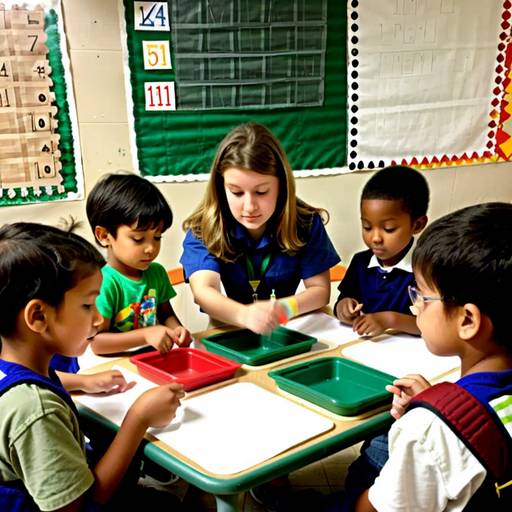
In this engaging preschool lesson, students will explore basic addition and subtraction concepts through a jungle-themed experience. The session begins with a circle time where children are introduced to the theme, followed by a read-aloud of a counting story featuring jungle animals to pique their interest.
The main activities involve hands-on group work, where students use toy animal counters to solve simple addition and subtraction problems collaboratively. This interactive approach allows them to visualize mathematical concepts and encourages peer discussion. An interactive game further reinforces these concepts, as children find and mark numbers on a jungle scene poster based on the problems presented.
To wrap up the lesson, students gather to reflect on what they learned, share insights, and complete a simple worksheet featuring jungle-themed math problems. If time permits, extension activities such as a dance and count session or a creative art project allow for movement and artistic expression while reinforcing the lesson's objectives.
Throughout the lesson, the teacher assesses understanding by observing participation and reviewing completed worksheets. The overall goal is to create a fun and dynamic environment where children can readily connect math concepts to their surroundings.
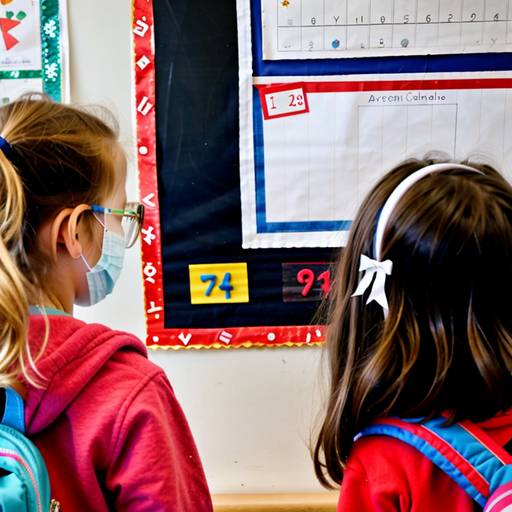
This preschool math lesson focuses on introducing young children to the concept of measurement through an engaging and interactive approach. Students will begin with a discussion about measurement, exploring vocabulary related to size and length. They will then participate in a hands-on activity where they form small groups to measure various objects within the classroom using measuring tapes or rulers. Each group will record their findings, compare measurements, and share their discoveries with the class. To reinforce their learning, students will create drawings of their favorite measured objects and label them with the respective measurements. The lesson concludes with a group discussion to reflect on what they learned and encourage measuring at home. Overall, this lesson aims to foster understanding of measurement concepts while promoting collaborative learning and creativity.

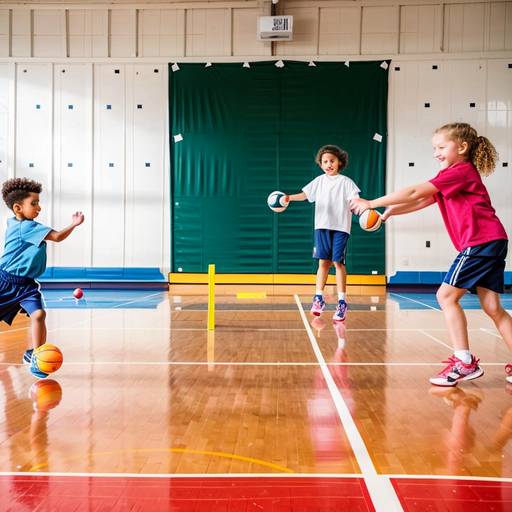
This preschool physical education lesson focuses on introducing young children to the fundamental skills used in various sports, such as throwing, catching, kicking, and balancing. The session lasts for 30 minutes and begins with a fun introduction to the theme of being mini athletes, followed by a warm-up involving movement songs and stretching exercises.
During the main activity, children participate in three rotating stations designed to develop their motor skills: practicing throwing and catching with soft balls, kicking soccer balls towards goals marked by cones, and navigating a balance course using beanbags and hula hoops. Following the stations, students engage in a group relay game that encourages teamwork and application of the skills they practiced.
The lesson concludes with a cool-down period that includes stretches and a discussion about their favorite parts of the activities, allowing for reflection on their experiences. Throughout the session, instructors monitor students' participation and skill development while promoting positive interactions and teamwork. Modifications are provided to support various skill levels, ensuring a fun and inclusive learning environment for all participants.
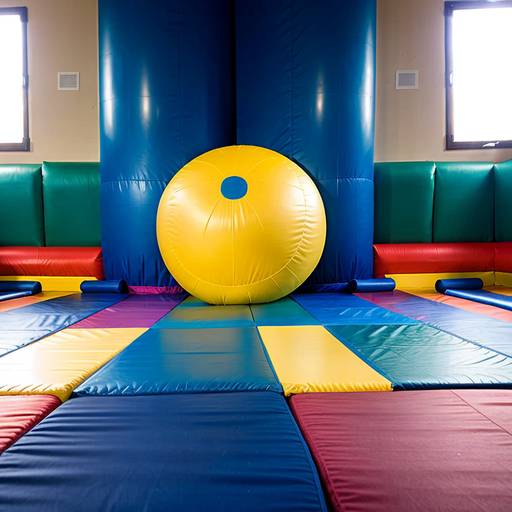
This preschool physical education lesson focuses on enhancing gross motor skills through a variety of engaging and interactive activities designed for young children aged 3 to 5 years. The session lasts approximately 105 minutes and includes warm-up exercises, gross motor skill stations, an obstacle course, and group games.
The lesson begins with a brief introduction followed by an animal movement warm-up to encourage stretching and coordination. Students participate in four different activity stations, each focusing on specific skills, such as jumping, balancing, and throwing. After a healthy snack and hydration break, children take part in a fun and challenging obstacle course that incorporates various movements.
The group then engages in parachute play, promoting teamwork and coordination through different games. The lesson concludes with a cool-down session focused on relaxation and stretching, followed by a closing circle where students share their favorite activities. Throughout the lesson, observation and participation are monitored to assess children's development of gross motor skills and their enjoyment of physical activity. Safety measures are emphasized, and activities are adapted as needed to accommodate all students.
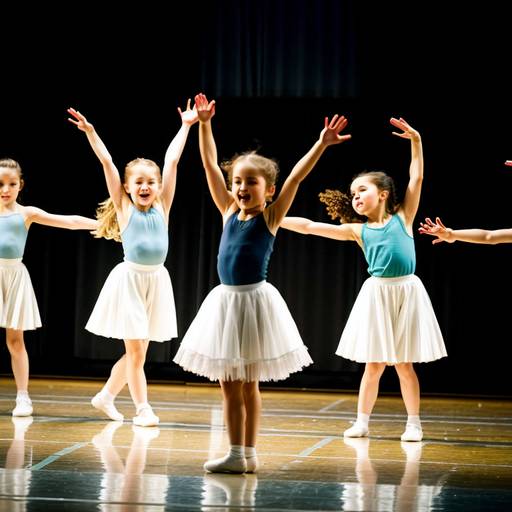
In this engaging preschool lesson, students will explore the connection between dance and emotional expression through movement and collaborative art creation. The session begins with a discussion on emotions, followed by a warm-up dance where children use scarves or ribbons to freely express themselves. As they transition to a slower, emotive piece of music, students will improvise their movements, reflecting on how different feelings manifest in their bodies. After experiencing their dance, the children will create a large collective artwork inspired by their movements, using paints and various tools to express their emotions visually. The lesson concludes with a sharing session where each child discusses their artwork and its connection to their dance experience, fostering a sense of teamwork and self-expression. Cleanup involves washing hands and tidying the painting area, and the collaborative piece will be displayed in the classroom. Extension activities can include themed dance sessions and a showcase for parents, combining creativity, physical activity, and emotional awareness in a comprehensive learning experience.

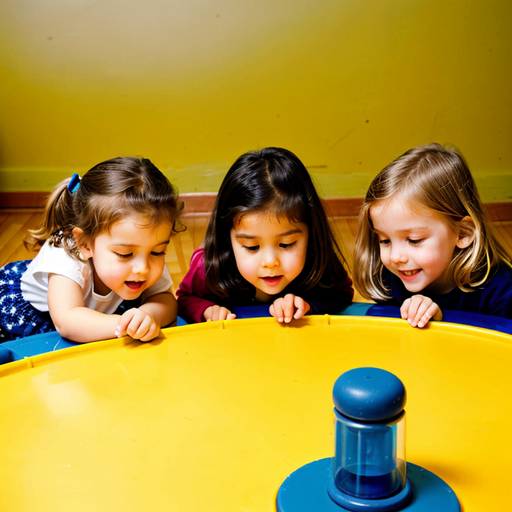
This preschool lesson introduces young children to the fundamental concepts of forces and motion through engaging discussions and hands-on activities. The session begins with a circle time discussion that encourages students to think about what makes objects move and introduces key terms like "force" and "motion." A demonstration using a toy car and a ramp illustrates how gravity affects movement, encouraging predictions about different outcomes based on varying conditions.
Students then participate in small group activities that involve experimenting with various objects, including rolling cars down ramps, dropping different items to observe how they fall, and using balloons to explore the concept of air movement. Following the experimentation, children reconvene to share their findings and create a collaborative diagram that summarizes their observations.
The lesson emphasizes critical thinking and reflection as children discuss what they learned about movement and the forces that influence it. The session concludes with a recap of key concepts and the encouragement of ongoing exploration of forces and motion in their everyday lives. The lesson plan incorporates assessment through observation of student engagement and participation, and suggests extensions for continued learning.
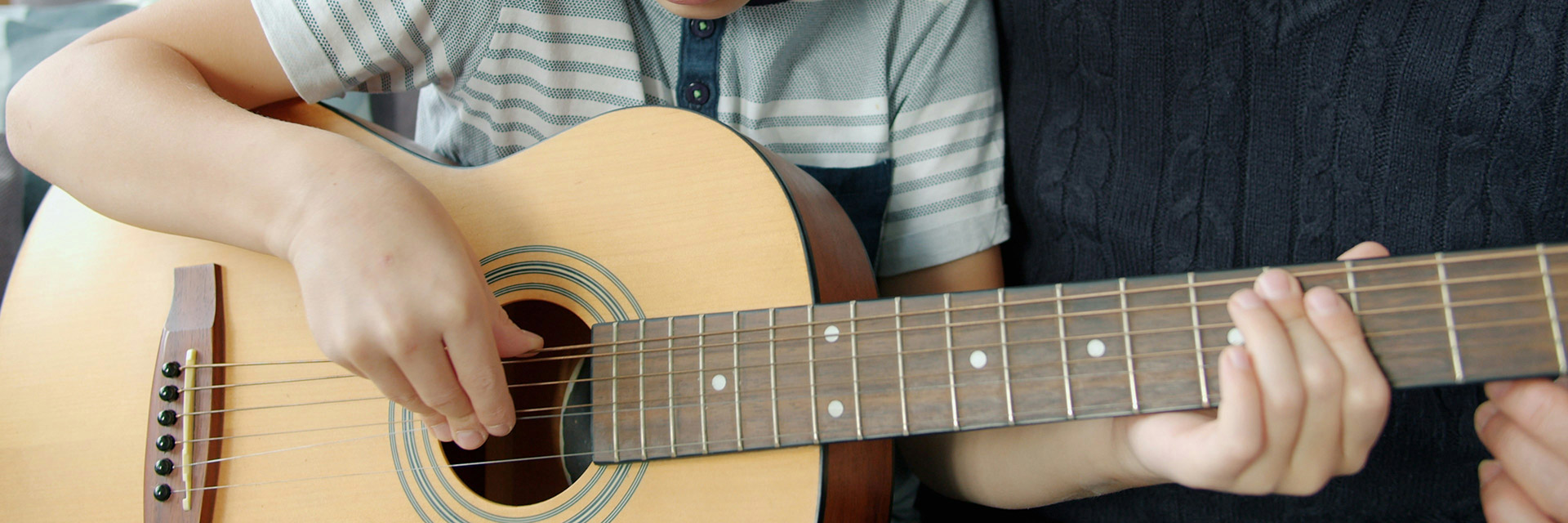
This preschool music lesson plan focuses on engaging young children in exploring songs, movements, and instruments to foster a love for music. The lesson begins with an introduction that encourages children to share their favorite songs, followed by interactive singing and movement activities using well-known children's songs. Students participate in guided actions and clapping rhythms to enhance their engagement.
To further enrich their musical experience, children are introduced to various instruments, allowing them to experiment with simple rhythms while playing along with familiar tunes. A movement activity accompanies a lively song, encouraging them to follow along with dance movements using props, enhancing their physical coordination.
As the lesson winds down, a cool-down session helps children reflect on their favorite parts of the lesson while soft music plays in the background. An optional art activity allows children to create their own musical instruments, promoting creativity and reinforcing the day's learning.
Throughout the lesson, the facilitator observes participation and enthusiasm, adjusting activities as needed to accommodate children's energy levels and interests, ensuring an inclusive and enjoyable experience. The lesson concludes with a group goodbye song, encouraging children to continue exploring music at home.