
Filters
Level
Grade
Subject
Subject Area
Subject Topic
Standard(s)
Audience
Keyword
DurationMinutes
Kindergarten Lesson Plans

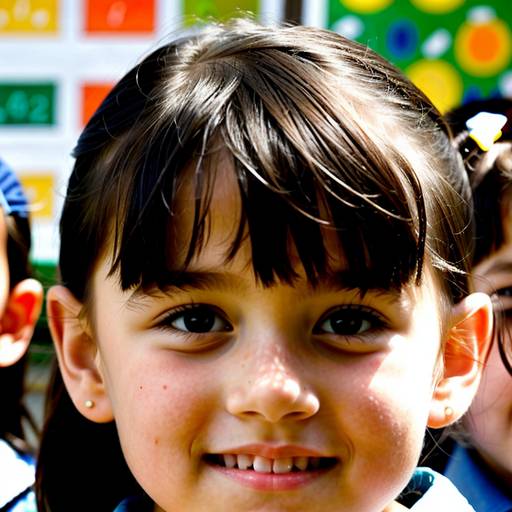
In this Kindergarten math lesson, students will explore basic geometric shapes and patterns through various engaging activities. The lesson begins with an interactive introduction where students identify and describe shapes in their environment. Following this, the teacher introduces simple patterns using shapes and colors, encouraging student participation in completing examples on the whiteboard.
In small groups, students will engage in a shape sorting activity, organizing cut-outs based on characteristics like the number of sides or color, and sharing their sorting methods with the class. They will then create their own patterns using blocks, applying terms like “repeat” and “design” while describing their creations.
A collaborative challenge will allow the class to work together to create a large pattern on paper, fostering teamwork and discussion about their choices. The lesson concludes with a summary of key concepts, and students will receive worksheets for additional practice at home. Throughout the session, the teacher will assess student understanding through observation and review of their worksheets. Extension activities will encourage students to look for patterns in their daily lives and share their findings in the next class.

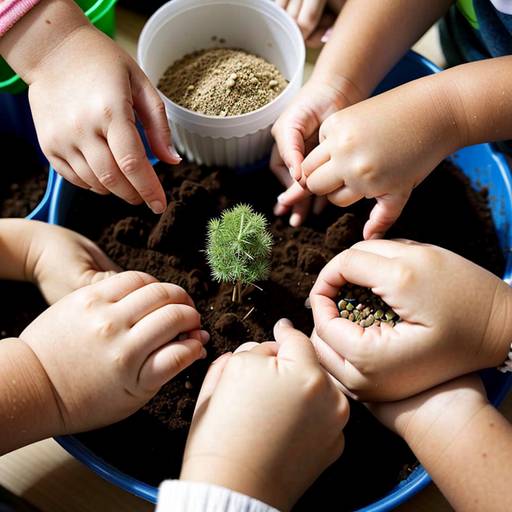
In this Kindergarten science lesson, students will embark on an exploration of seeds and plant growth. They will begin by engaging with a read-aloud story about plants, followed by a discussion on what plants need to thrive. Next, students will focus on observing various seeds, comparing their characteristics using magnifying glasses, and learning to identify the main parts of a seed.
Afterward, students will participate in hands-on activities where they will plant seeds in cups using potting soil, applying the knowledge gained about planting techniques and the importance of watering. They will also create labels for their plants and start growth journals where they will draw their seeds and make predictions about the growth process.
The lesson will culminate in a review of key concepts learned, allowing students to share their observations and predictions with peers. Assessment will be based on participation, journal entries, and ongoing plant observations. Extension activities will provide further engagement through field trips and creative projects related to plants and their life cycles. This approach fosters a comprehensive understanding of plant life and growth in an interactive and enjoyable manner.

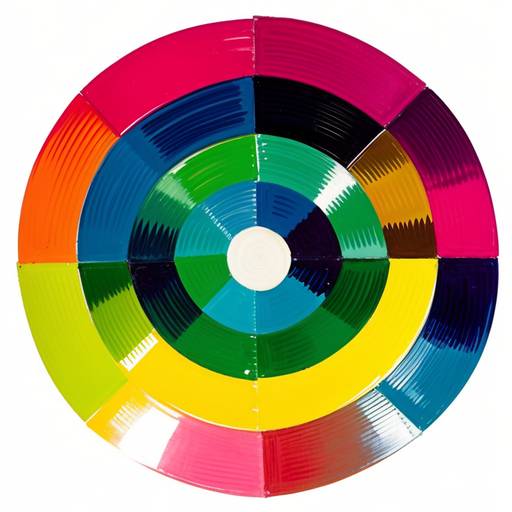
In this kindergarten art lesson, students will explore the basic elements of art, focusing on color and shape. They will begin by learning about the color wheel, including primary and secondary colors, and how to mix them. Students will also review various shapes, identifying them through pre-cut paper shapes.
During the guided practice, students will experiment with mixing watercolors to create new colors and arrange shapes on drawing paper. They will then paint a background using their mixed colors and glue their shapes onto the artwork, adding personal touches with markers or crayons.
The lesson will conclude with a sharing session where students present their creations, discussing the colors and shapes they incorporated and what they learned about color mixing. Assessment will be based on their engagement in the activities and the creativity observed in their final artworks. This lesson encourages artistic expression and helps develop fine motor skills while fostering a deeper understanding of color theory and shape recognition.


In this Kindergarten music lesson, students will explore fundamental concepts of rhythm and beat through engaging activities. The session begins with a discussion about music, followed by a clapping warm-up to familiarize children with different sound patterns, including long and short notes. Students will then break into small groups, where they will work with rhythm sticks or percussion instruments to create their own simple rhythms incorporating both long and short sounds. After practicing, each group will perform their rhythm for the class, allowing peers to listen and identify the differences in sound. The lesson concludes with a reflection on their musical experiences and an informal assessment of their understanding of rhythm. Extensions include creating rhythm games for home and integrating rhythm into other subjects like math and storytelling, ensuring that all students have the opportunity to participate and succeed. Differentiation strategies will support diverse learning needs, allowing for collaborative learning and creative expression.
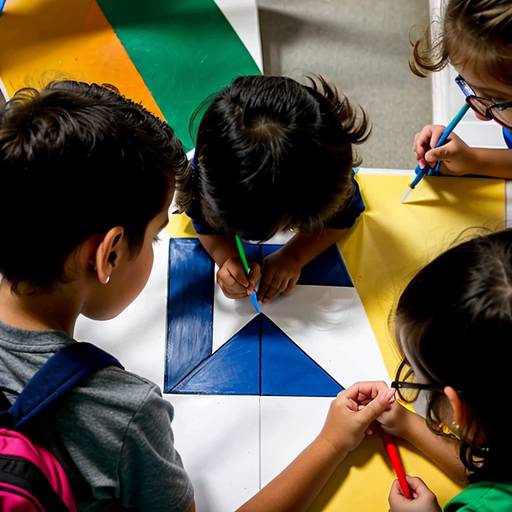
In this kindergarten math lesson focused on geometry and shapes, students engage in a variety of interactive activities designed to enhance their understanding of basic geometric concepts. The lesson begins with a discussion where students identify and name different shapes they observe in their environment. Subsequently, they participate in a shape search around the classroom, where they work in small groups to find real-world examples of the shapes on their checklist, sharing their discoveries with the class.
Next, students participate in a shape sorting activity, categorizing various objects based on their geometric characteristics. They then move to a hands-on creation station, where they can either mold shapes from Play-Doh or create a collage using pre-cut shapes, fostering creativity and hands-on learning. Following this, the class sings a fun shape-themed song, incorporating movement to reinforce shape vocabulary.
The lesson wraps up with a review of the shapes covered, encouraging students to discuss their attributes and share their creations. Assessment occurs through observation and participation, with opportunities for extensions and adaptations to ensure all learners are engaged and supported. This comprehensive approach promotes both recognition and application of geometric shapes in a playful and dynamic manner.
In this Kindergarten math lesson, students will explore basic 2D shapes, including circles, squares, triangles, and rectangles. The session begins with an engaging discussion to help students identify shapes in their environment. They will participate in a shape-sorting game and a scavenger hunt to enhance their understanding of geometric attributes.
Following the interactive activities, students will engage in a creative art project, where they will use colored construction paper to create a collage of their favorite shapes. They will share their collages with the class, reinforcing their learning by discussing the shapes they used. The lesson will conclude with a fun song or chant focused on shapes, ensuring an enjoyable and memorable learning experience.
Assessment will occur through observation during activities, and students will have the opportunity to express their understanding and creativity. Extensions to this lesson could include introducing 3D shapes or creating a "Shape Book" to document their learning beyond the classroom. After the lesson, a reflection will help evaluate student engagement and understanding of the concepts presented.
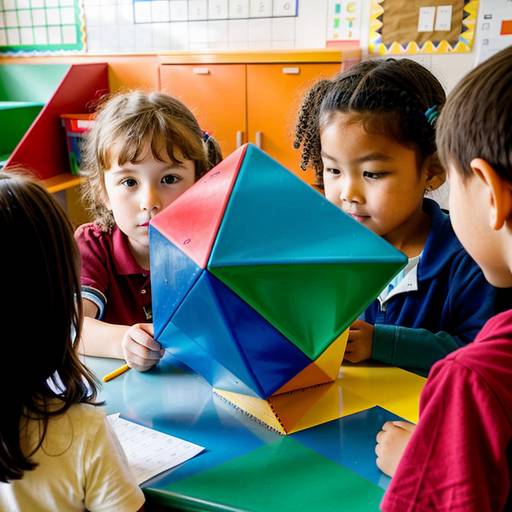
This Kindergarten math lesson focuses on introducing students to basic geometric shapes, including circles, squares, triangles, rectangles, and ovals. Beginning with a circle time activity, students will learn to identify and describe these shapes by their attributes. The lesson includes a hands-on scavenger hunt, where students explore their environment to find real-life examples of shapes, promoting awareness of geometry in everyday life.
Students will also participate in a shape sorting activity in small groups, where they will classify various objects based on their shapes. To enhance creativity, they will create a shape collage using construction paper and various materials, further reinforcing their understanding of shapes through art. The lesson concludes with a review and sharing session, allowing students to express their thoughts and discoveries while highlighting the significance of shapes in their surroundings. Assessment will be conducted through observation and evaluation of the collages, with possible extensions for more advanced learners.
In this Kindergarten art lesson, students will explore the concept of geometric shapes by creating drawings of their favorite animals. The lesson begins with a discussion on animal shapes, allowing students to identify various geometric forms in different animals. Using large sheets of drawing paper, they will outline their chosen animal with basic shapes and then add details and colors using crayons, markers, or colored pencils. The activity encourages creative expression and fine motor skill development. After completing their artwork, students will have the opportunity to share their creations with the class, explaining the shapes they used. The lesson concludes with a group reflection on the artistic process and a gallery display of the students' work. Additionally, extensions are offered for further exploration of shapes through a "Shape Book" project. Overall, this lesson combines art techniques with foundational geometry in an engaging and interactive way.
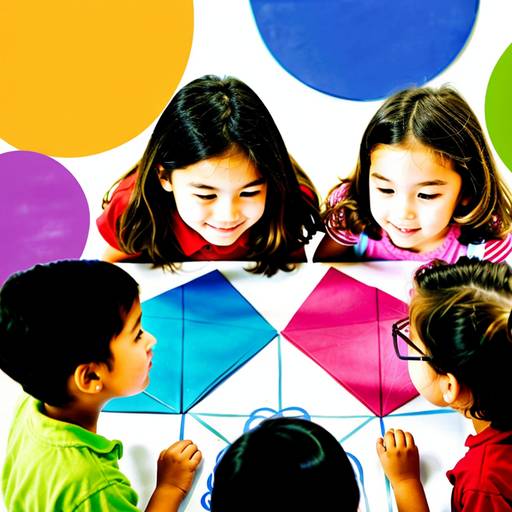
In this kindergarten mathematics lesson focused on geometry and patterns, students will explore geometric shapes and the concept of patterns through interactive activities. The lesson begins with a warm-up where students identify and describe various shape cutouts, followed by a discussion on patterns found in everyday life.
After introducing different shapes using visual aids and engaging songs, students participate in a shape identification game in small groups, sorting shapes by attributes such as color and size. Next, they create their own patterns using pattern blocks and share their work with the class.
For independent practice, students use colored paper strips to design unique patterns, showcasing their creativity and understanding of the concepts. The lesson concludes with students sharing their creations and explaining the shapes and patterns they used, reinforcing vocabulary and comprehension.
Assessment is conducted through observation of student participation, group interactions, and the completed pattern activity. Extensions include a shape hunt around the classroom and opportunities for differentiation based on student needs, ensuring all learners engage meaningfully with the material.
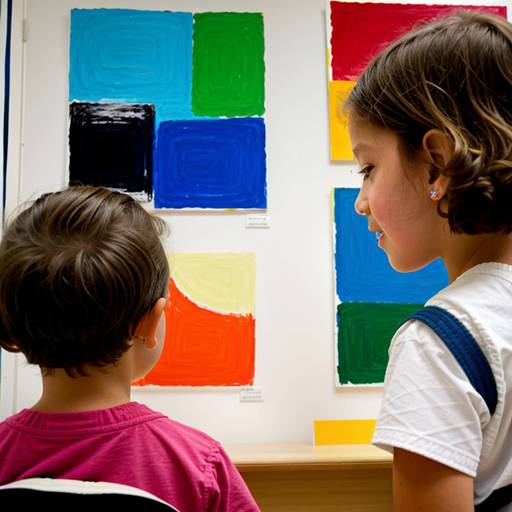
In this Kindergarten art lesson, students will explore the elements of color and shape through a creative collage-making activity. The session begins with a discussion about primary colors (red, blue, yellow) and basic shapes (circle, square, triangle), supported by the use of a color wheel. Students will then cut various shapes from colored construction paper and glue them onto a piece of white drawing paper, forming a colorful collage. They will have the opportunity to add details with markers or crayons to enhance their artwork. The lesson concludes with a gallery walk where students can share their creations and discuss their color and shape choices, reinforcing their understanding of these fundamental concepts in art. Overall, the activity promotes hands-on learning, creativity, and artistic expression, while allowing for assessment through observation and discussion.