
Filters
Level
Grade
Subject
Subject Area
Subject Topic
Standard(s)
Audience
Keyword
DurationMinutes
Kindergarten Lesson Plans

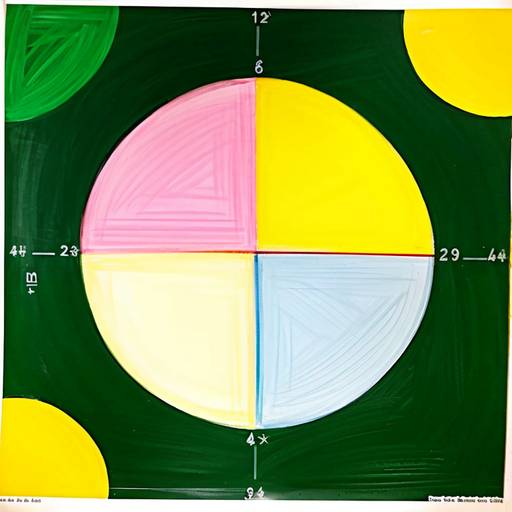
In this Kindergarten math lesson focused on geometry and shapes, students engage in identifying and naming basic geometric shapes: circle, square, triangle, and rectangle. The lesson begins with an interactive introduction where students repeat the names of the shapes and discuss their properties. Next, students participate in a shape hunt around the classroom, working in small groups to find everyday objects that correspond to the shapes on their checklists. After regrouping, they share their findings with the class.
The lesson then transitions into a hands-on art activity where students create a shape collage using colored construction paper and various materials. They are encouraged to use their creativity while incorporating the shapes they learned. Students present their collages to the class, explaining the shapes used. The lesson concludes with a review and the distribution of shape worksheets for additional practice. To enhance comprehension, extension activities include creating a "Shape Book" where students illustrate their favorite shapes and examples of real-world objects. Overall, the lesson promotes recognition of shapes in both abstract and concrete contexts, fostering a foundational understanding of geometry.

This kindergarten music lesson focuses on developing vocal skills and musical concepts through singing and interactive activities. Students will begin with a warm-up that includes vocal exercises and animal sound mimicking to explore different pitches. They will engage in singing simple, familiar songs as a group, discussing the emotions and meanings behind the music. A call-and-response activity will encourage creativity in vocal expression, while a rhythmic movement game will enhance their understanding of beat and rhythm. To foster individual creativity, students will have the opportunity to improvise short songs based on emotions or characters. The lesson concludes with a reflection on their experiences and a final group song, promoting a sense of community and enjoyment in music. Assessment will be based on student participation and vocal variety throughout the activities.
This Kindergarten music lesson focuses on introducing young students to the world of music appreciation and listening. Through interactive activities, students will explore various musical instruments by listening to audio clips and matching them with pictures. The lesson includes an engaging listening session where students will experience different genres of music, allowing them to express their feelings and thoughts about each piece. They will be encouraged to reflect on how the music makes them feel and to share any personal experiences related to the sounds.
To foster creativity, students will create artwork representing their emotional responses to the music. The lesson concludes with a group discussion to recap learning and encourage students to think about music they enjoy. Assessment will be based on participation, engagement in discussions, and the creativity demonstrated in their drawings. Extension activities include creating a class music playlist and exploring simple percussion instruments to further enhance their musical experience. The lesson is designed to be inclusive and culturally diverse, ensuring all students can connect with the music they encounter.

In this Kindergarten music lesson, students will explore basic music theory concepts related to rhythm and note values through engaging activities. The lesson begins with a warm-up greeting song to foster excitement for music and an introduction to the significance of rhythm. Students will learn about different note values, such as quarter notes, eighth notes, and half notes, using clapping and body percussion for practice.
They will then participate in a group activity where small teams create and present their own rhythmic patterns through movement and sound. To further enhance their understanding, students will engage in a fun rhythm dice game, allowing them to make creative interpretations of various rhythms.
The lesson concludes with a reflection discussion where students share their insights on rhythm and its emotional impact, followed by a farewell song incorporating what they've learned. Throughout the session, teachers will continuously assess student participation and understanding, adapting practices to meet diverse learning needs. The focus remains on creating an enjoyable and collaborative musical experience.


In this Kindergarten art lesson, students will explore various painting techniques that focus on creating texture. The session begins with a brief introduction to the concept of texture and a discussion about different painting tools, accompanied by examples of textured artwork. Students will then rotate through exploration stations, engaging in activities that include sponge painting, splatter painting with toothbrushes, scraping techniques, and watercolor painting. Each station allows students to experiment with different materials and creative methods. After their exploration, students will have the opportunity to create a unique piece of artwork, combining at least two techniques of their choice. The lesson concludes with a sharing session where students present their work to the class and reflect on their creative choices. Throughout the activity, emphasis is placed on expression, creativity, and the joy of artistic exploration. Clean-up is guided to instill responsibility, and follow-up activities are suggested to reinforce the concepts learned.

This Kindergarten language arts lesson plan focuses on writing and creative expression through storytelling. The session begins with a read-aloud of an engaging story to introduce the essential elements of a narrative, including characters, setting, and plot. After discussing these components, students engage in a story map activity where they illustrate and describe their own characters, settings, and plots. Following this, they write simple sentences based on their story maps, allowing them to practice their writing skills. The lesson culminates in a sharing session, where students present their stories to the class, fostering confidence and communication skills. Assessment is based on participation and understanding of story elements, with opportunities for differentiation provided for varying skill levels. The session encourages creativity and culminates in a classroom project that compiles students' work into a storybook for future sharing.

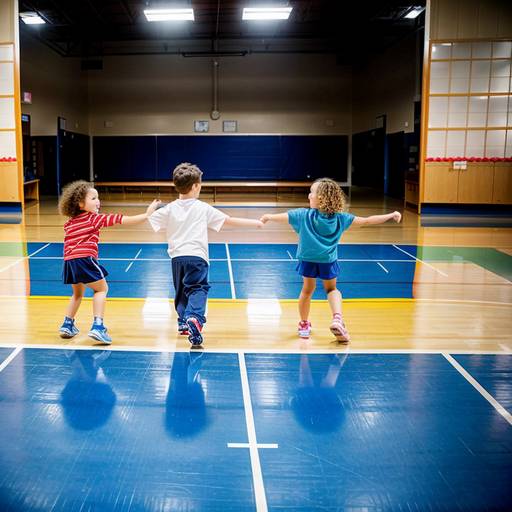
This Kindergarten Physical Education lesson focuses on introducing students to fitness and flexibility through engaging activities that promote movement and stretching. The session begins with fun warm-up exercises that mimic animal movements, followed by gentle stretching to prepare their bodies for activity.
Students then participate in a fitness circuit composed of several stations, each targeting different physical skills such as stamina, balance, and strength. Activities at these stations include jumping jacks, hula hooping, walking on a balance beam, and using stretchy bands for resistance exercises.
Following the circuit, the class gathers for a guided storytelling session that integrates movements and stretches related to the narrative. The lesson concludes with a cool-down period involving mindful breathing and full-body stretches to relax and reflect on the activities.
Throughout the lesson, students are encouraged to engage, participate, and discuss the importance of fitness and flexibility, fostering a positive and inclusive learning environment. Educators assess participation and understanding through observation and encourage teamwork and support among peers.
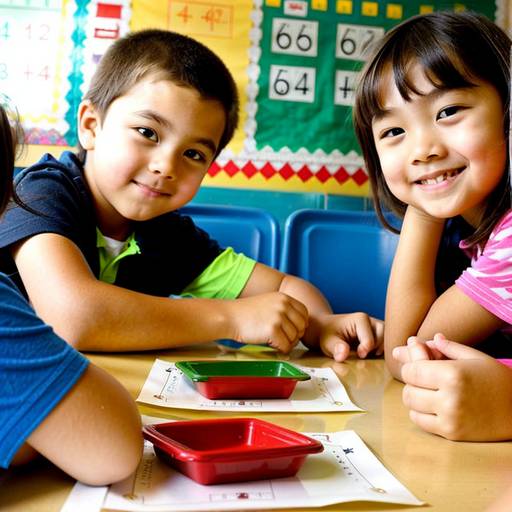
In this Kindergarten math lesson, students will explore the concept of subtraction as "taking away." The lesson begins with a story that illustrates subtraction in a fun and accessible way, engaging students through questions about the narrative. The teacher then explains subtraction using visual aids and manipulatives, demonstrating the concept on the whiteboard.
Students will participate in guided practice by using counting bears to solve simple subtraction problems, promoting hands-on learning. Following this, they will work independently on subtraction worksheets featuring visual problems, allowing them to apply what they have learned.
The lesson concludes with a class discussion where students can share their experiences and understanding, reinforcing their learning. Throughout the lesson, the teacher will assess student participation and understanding, providing support and praise as needed. Extensions are suggested for early finishers and for practicing subtraction at home, ensuring that the lesson is engaging and supportive of different learning needs. Reflection opportunities will help the teacher evaluate the effectiveness of the lesson and make adjustments for future classes.

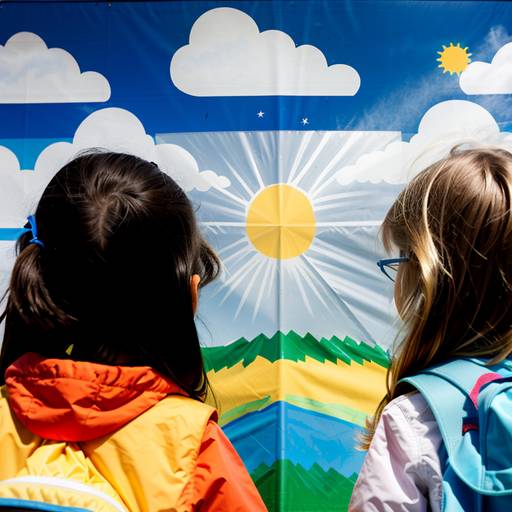
This Kindergarten Earth Science lesson focuses on introducing students to various types of weather and the concept of seasons. The lesson begins with an engaging discussion about weather, followed by an introduction of key vocabulary through picture cards. Students learn to identify different weather types, such as sunny, rainy, cloudy, stormy, and how these relate to the four seasons.
During guided practice, students work in small groups to sort weather cards and make predictions based on a simple weather forecast. A hands-on activity involves drawing their favorite type of weather, allowing them to express their understanding creatively. Additionally, the lesson includes a demonstration of basic weather measurement tools, such as a thermometer and barometer, to help students become familiar with how weather is observed and recorded.
At the end of the lesson, students share their drawings, reinforcing their learning about weather patterns and seasonal changes. Assessment includes observing student participation and evaluating their drawings for comprehension. Extensions to the lesson encourage the use of a weather journal and the creation of a class weather station, fostering ongoing engagement with the topic. The lesson accommodates diverse learning needs with adaptations to support all students.
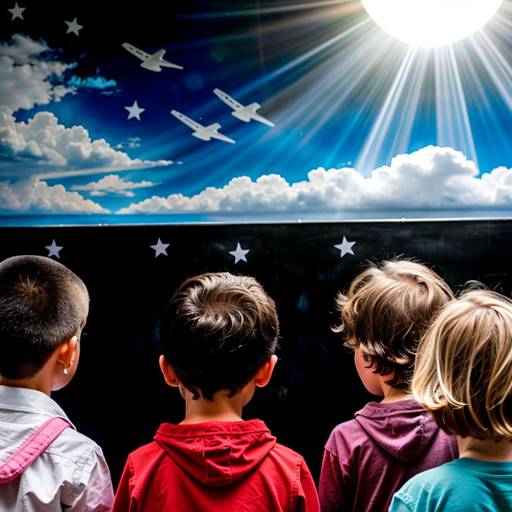
In this Kindergarten Earth Science lesson, students will explore various types of weather, including sunny, rainy, snowy, and windy conditions. The lesson begins with an engaging discussion where students identify different weather types using picture cards and reflect on how each type affects their daily lives.
Students will then participate in a hands-on activity at a weather observation station, learning about basic tools for observing weather, such as a thermometer. They will also express their creativity by creating weather scenes using blue construction paper, cotton balls, and a water spray bottle to mimic rain, while describing their creations to the class.
The lesson concludes with a sharing session where students present their artwork and discuss how to prepare for different weather conditions. Each student will receive a weather journal to draw their favorite type of weather and write an accompanying activity they enjoy during that weather. The lesson emphasizes collaboration, creativity, and foundational knowledge of weather concepts, with opportunities for future exploration and reinforcement.